Signs It’s Time to Replace Your Shapewear Pieces Right Now
Signs it is time to replace your shapewear include loss of compression, visible wear and tear, rolling or riding up, stubborn odors, pilling, or body weight changes of more than ten pounds. Worn-out elastic fibers can restrict blood flow and cause skin irritation, making replacement every three to six months with regular use essential for health. Hand washing in cold water extends the garment's lifespan and maintains its structural integrity.
That shapewear piece you rely on for a smooth silhouette might be working against you.
Knowing the signs it is time to replace your shapewear pieces right now can save your comfort, health, and the look you want under clothes.
Quick Verdict: Simply put, shapewear has a limited lifespan. Once the spandex fibers break down from wear and washing, the garment loses compression, rolls up, and harbors bacteria. Replacing worn-out shapewear every 3 to 6 months with regular use keeps you smooth, comfortable, and fully supported without any risk of damage to your skin or circulation.
Key Takeaways
- Loss of compression is the primary signal that your shapewear needs immediate replacement for it to work properly.
- Rolling edges and riding up indicate the structural integrity of the garment has failed entirely.
- Washing your shapewear by hand in cold water extends its lifespan significantly compared to machine washing.
- Wearing tight, worn-out shapewear can restrict blood flow and cause skin irritation over time.
- Body weight changes of more than 10 pounds typically require a new size or style for the best fit.

What Are the Key Signs Your Shapewear Needs Replacing?
Your body changes over time and so does your shapewear. Here are the specific signs it is time to replace your shapewear pieces right now so you can stay comfortable and look your best.
Loss of Compression
Spandex and elastane fibers stretch out over time. According to a study in the International Journal of Fashion Design, Technology, and Education, compression force can decrease by up to 50 percent after just 10 machine washes. If your shapewear feels loose or easy to put on, it is no longer working.
- The fabric no longer feels snug against your skin.
- You can pull the fabric away from your body easily.
- Your silhouette looks the same with or without the garment.
Warning: Do not buy a smaller size to fix lost compression. Squeezing into a smaller size creates uneven pressure points. It can cause numbness and restrict blood flow.
Visible Wear and Tear
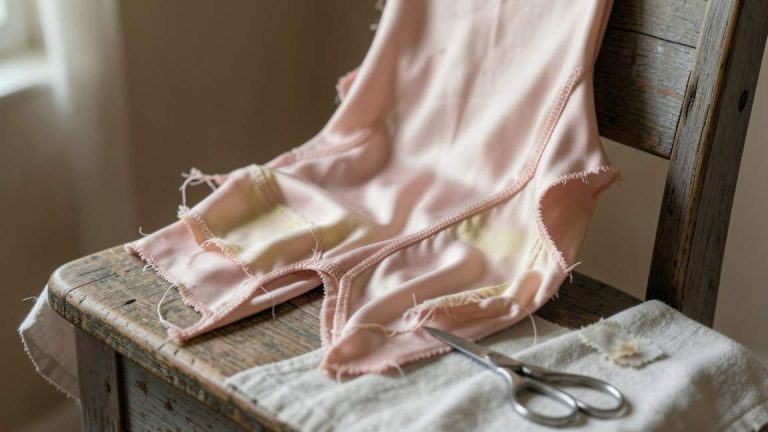
Check your shapewear for physical damage before every use. Holes, snags, and stretched out seams mean the fabric is failing. These weak points create pressure marks on your skin.
- Loose threads that catch on your clothing or skin.
- Small holes or thinning fabric in high friction areas like the thighs.
- Stretched or broken boning in structured pieces.
Rolling or Riding Up
Waistbands that roll down or legs that ride up are clear failure points. The silicone grip strips have worn smooth. This means you will constantly adjust your garment throughout the day.
- You find yourself pulling down your shapewear at the waist.
- The leg openings leave visible lines on your thighs.
- The garment slides around instead of staying in one place.
Stubborn Odors or Stains
Synthetic fibers like nylon and spandex trap body oils and bacteria. Even after washing, old shapewear can hold onto odors. If your shapewear still smells after a wash, the bacteria have set in deep.
- A musty or sour smell that returns quickly after washing.
- Yellowing or dark stains that do not come out.
- Skin breakouts or irritation in areas covered by the shapewear.
Pilling or Snagging Fabric
Pills are small balls of fiber that form on the surface of the fabric. They happen from friction against your clothes or skin. Pilled fabric looks bumpy under tight dresses and pants.
- The texture feels rough or bumpy to the touch.
- Pills are visible on the surface of the fabric.
- Snags have created runs or pulled threads.
Body Weight or Shape Changes
Your body is not the same size forever. The average person experiences weight fluctuations of 5 to 10 pounds per year, according to data from the Centers for Disease Control and Prevention. Shapewear that is too small creates muffin tops. Shapewear that is too big offers zero support.
- You have gained or lost more than 10 pounds since buying the piece.
- The shapewear digs into your skin at the top or bottom edges.
- You see bulges above or below the garment line.

Quick Comparison Table: New Shapewear vs. Worn Out Shapewear
| Feature | New Shapewear | Worn Out Shapewear |
|---|---|---|
| Compression Level | Firm, even, and supportive. | Loose, baggy, or uneven. |
| Fabric Feel | Smooth, soft, and sleek. | Pilled, snagged, or thinning. |
| Grip / Waistband | Stays put all day. | Rolls down or rides up. |
| Odor Resistance | Fresh after washing. | Holds onto smells even after washing. |
| Result Under Clothes | Smooth, invisible lines. | Visible bumps, rolls, or lines. |

What Happens When You Wear Expired Shapewear?
Ignoring the signs it is time to replace your shapewear pieces right now can lead to real problems. Many people hold onto shapewear for years past its useful life.
Skin Irritation and Rashes
Worn fabric has a rougher texture. This texture rubs against your skin all day. The friction can cause chafing, redness, and even painful rashes. Bacteria trapped in the fibers make it worse.
Restricted Blood Flow
When the elastic bands fail, the garment no longer distributes pressure evenly. Some areas become too tight while others are too loose. This uneven pressure can pinch nerves and restrict blood flow.
- Numbness or tingling in your legs or stomach.
- Red marks that stay on your skin for hours after removal.
- Pain in your lower back or rib cage.
Warning: If you feel any pain, numbness, or shortness of breath while wearing shapewear, remove it immediately. Your health matters more than a smooth silhouette.
Poor Garment Performance
Worn out shapewear simply does not work. It creates lumps instead of smoothing them out. You end up wasting time adjusting your clothes. You may even ruin the look of an outfit by wearing shapewear that does not fit properly.

How to Extend the Life of Your Shapewear
You can make your shapewear last longer with the right care routine. These steps keep the elastane fibers intact and the grip bands sticky.
- Hand wash in cold water. Use a gentle detergent made for delicates. Hot water breaks down spandex fibers faster than anything else.
- Skip the fabric softener. Fabric softeners coat the elastic fibers. This coating reduces the grip and compression power of your shapewear.
- Line dry only. Heat from the dryer destroys elastane permanently. Hang your shapewear to dry away from direct sunlight.
- Rotate between multiple pieces. Wearing the same shapewear every day wears it out fast. Give each piece a rest day so the fibers can bounce back.
- Store it flat. Do not fold or bunch your shapewear. Store it flat in a drawer to prevent creases and permanent stretch marks in the fabric.

Common Myths vs. Facts About Shapewear Replacement
There is a lot of bad advice about shapewear out there. Here are the most common myths and the real facts.
- Myth: Shapewear lasts for years regardless of use. Fact: Most shapewear relies on elastane fibers. These fibers break down with body heat and friction. Textile lifespan standards from OEKO-TEX suggest replacing high-stretch garments every 6 to 12 months for the best performance.
- Myth: Tighter shapewear is always better. Fact: The correct size provides optimal compression without restricting circulation. Going smaller creates bulges and health risks.
- Myth: Machine washing is fine if you use a gentle cycle. Fact: The agitation of any machine cycle stresses the elastic seams. Hand washing is the only safe method to preserve the garment structure.
- Myth: If it still fits, it still works. Fact: Shapewear can fit your body but lose all its compression power. The fit alone does not tell you if the fabric is still functional.
- Myth: Expensive shapewear never needs replacing. Fact: Even high-end brands like Spanx and Skims use stretch fibers that degrade over time. Price does not stop elastane from breaking down with repeated use and washing.
Frequently Asked Questions
How often should I replace my shapewear based on use?
Replace shapewear every 3 to 6 months if you wear it two or more times per week. If you wear it less often, replace it every 12 to 18 months. Recognizing the signs it is time to replace your shapewear pieces right now comes down to checking the fit and fabric before each wear.
Can I just buy a smaller size to get compression back?
No. Buying a smaller size does not restore compression. It creates dangerous pressure points and causes bulging at the edges. Always replace the worn out piece with the correct size for your current body.
Does expensive shapewear last longer than cheap shapewear?
Not necessarily. The price of shapewear depends on brand, marketing, and design features. The elastane content is what determines the lifespan. Check the fabric composition. Higher elastane percentages typically hold their shape longer, but all elastane degrades.
Is it bad to wear shapewear that is too old?
Yes. Old shapewear lacks compression and creates friction. It can cause skin rashes, nerve pinching, and uneven pressure. Wearing old shapewear also gives you a bumpy look under clothes, defeating the purpose of wearing it.
How can I tell if my shapewear is too worn for daily wear?
Hold the fabric up to the light. If you see thin spots or light coming through, it is too worn. If the waistband rolls down when you sit, it is too worn. If the garment does not feel snug when you put it on, it is too worn.

Final Thoughts
Your shapewear works hard to give you a smooth silhouette. But these garments do not last forever. Check your pieces today for loss of compression, rolling edges, and fabric pilling. Replacing your shapewear at the right time keeps you comfortable, healthy, and looking your best under every outfit.