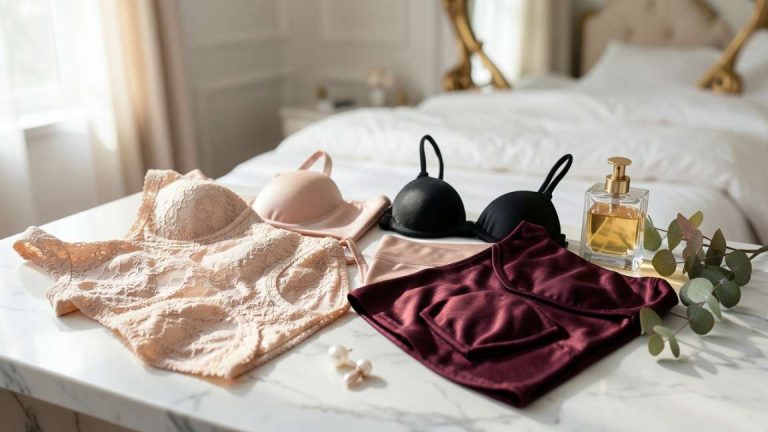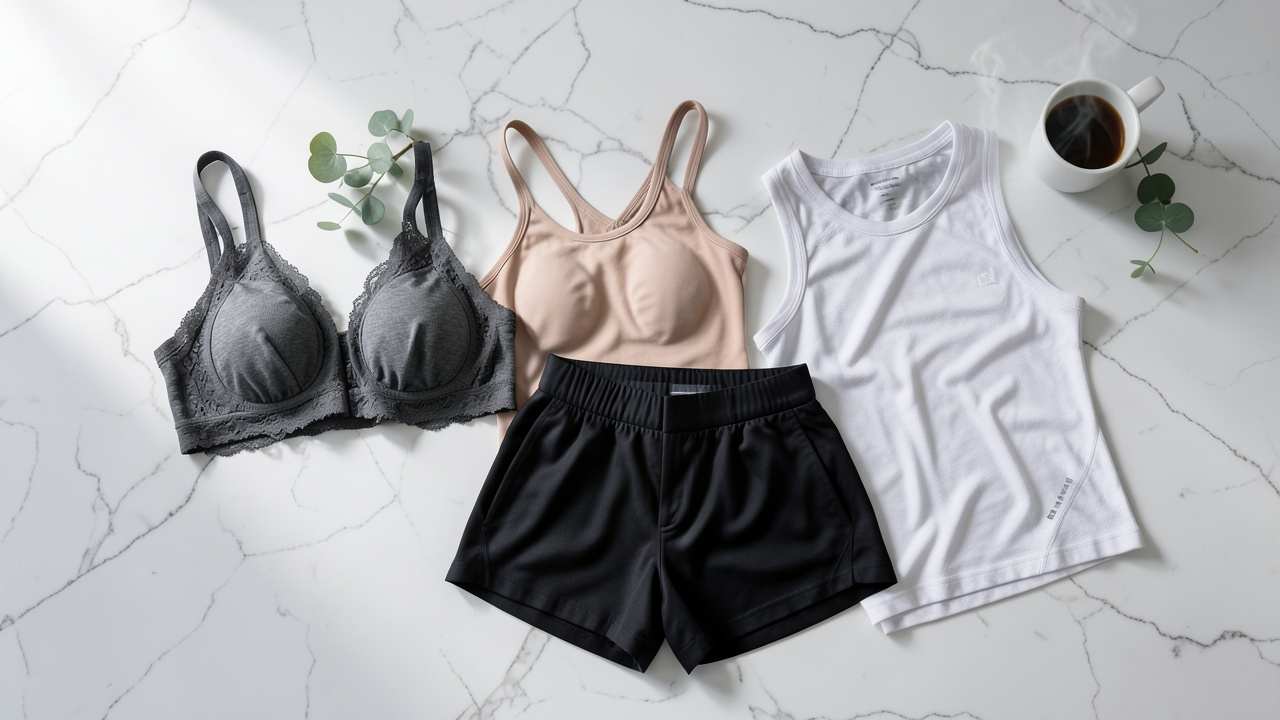
Modern Innerwear Replacement: A Complete Guide Right Now
Modern innerwear replacement involves upgrading bras, underwear, and shapewear to current materials and fit standards, with typical bra replacement every 6-9 months and underwear every 6-12 months. Modern materials such as TENCEL modal, recycled polyamide, and organic cotton improve breathability, durability, and environmental sustainability compared to conventional synthetics. Regular replacement every 6-12 months prevents skin irritation, loss of support, and poor fit, while a professional bra fitting every 6-12 months accounts for natural changes in breast size and shape.
Most people wear the same bras and underwear for years without realizing the impact on comfort and health. This guide covers exactly when and how to replace your innerwear with modern alternatives that fit better and last longer.
Quick Verdict: Simply put, modern innerwear replacement means upgrading your bras, underwear, and shapewear using current materials, fit standards, and sustainability practices. The typical bra needs replacement every 6-9 months, while underwear should be replaced every 6-12 months depending on fabric and frequency of wear.
Key Takeaways
- Replacing innerwear every 6-12 months prevents skin irritation, poor fit, and loss of support that traditional wear schedules often cause.
- Modern innerwear materials like TENCEL modal, recycled polyamide, and organic cotton offer better breathability and lower environmental impact than conventional synthetics.
- A proper bra fitting every 6-12 months is essential because breast size and shape change naturally due to weight fluctuations, hormonal shifts, and aging.
- Seamless and wireless alternatives now provide comparable support to underwire bras without discomfort or restricted movement.
- Sustainable innerwear brands that use OEKO-TEX certified materials and ethical manufacturing are increasingly affordable and accessible.
What Counts as Modern Innerwear?
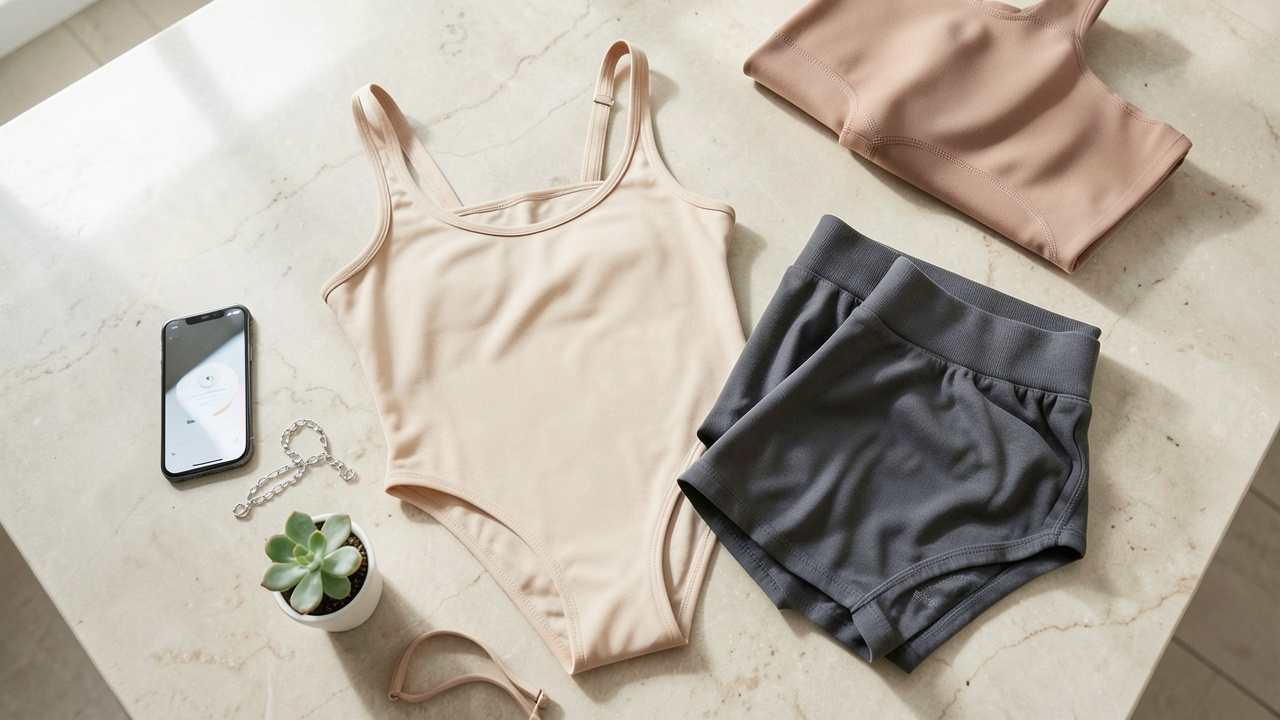
Modern innerwear includes bras, underwear, shapewear, and loungewear that use current fabric technology, fit science, and design. It is different from traditional innerwear in several key ways.
Modern innerwear uses fabrics engineered for breathability, moisture control, and stretch recovery. Brands like,, and have replaced nylon and polyester blends with materials like TENCEL lyocell, recycled nylon, and bamboo viscose. These fabrics feel softer against the skin and dry faster.
Modern innerwear also prioritizes inclusive sizing. Many brands now offer extended size ranges from AA to I cups and band sizes 28 to 48. This represents a major shift from the limited sizing of traditional innerwear brands.
According to a study published in the, approximately 80% of women wear the wrong bra size. Modern innerwear brands address this with virtual fitting tools, quiz-based size finders, and at-home try-on programs.
Tip: Use a bra size calculator from a brand that offers half-cup sizes. Many modern brands now carry sizes like 34C or 36D that traditional stores do not stock.
Sustainability is another defining feature of modern innerwear. Brands like use certified recycled materials. offers innerwear made from regenerated nylon. The reports that clothing production has doubled since 2000, making sustainable choices in innerwear more critical than ever.
When to Replace Each Type of Innerwear
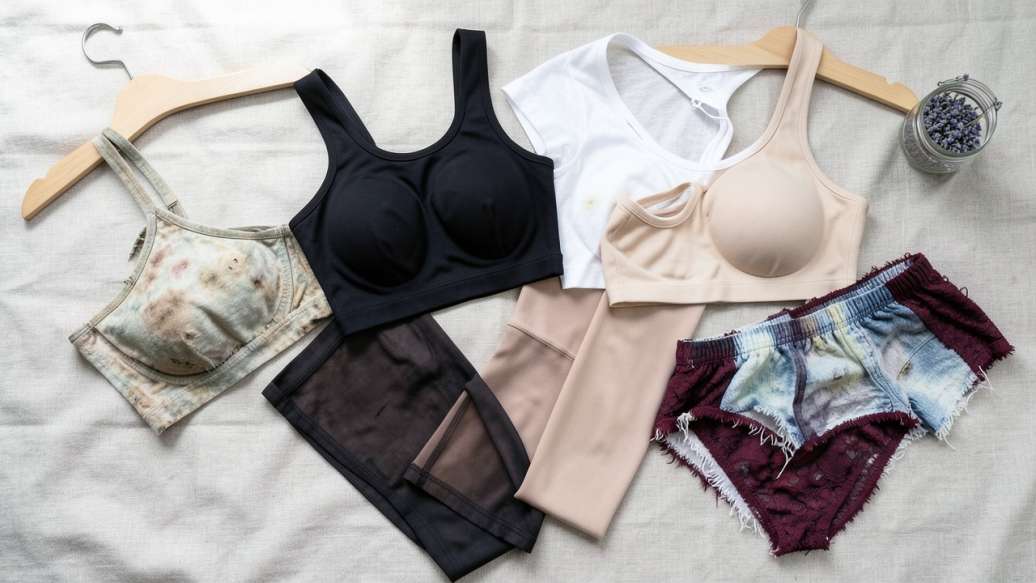
| Innerwear Type | Signs of Wear | Replace Every | Modern Alternative |
|---|---|---|---|
| Daily wear bra | Stretched band, loose straps, poking underwire | 6-9 months | Wireless bra with molded cups |
| Sports bra (high impact) | Reduced bounce control, fraying elastic | 6-12 months | High-support encapsulation sports bra |
| Cotton underwear | Stretched waistband, thinning fabric, stains | 6-12 months | Organic cotton or bamboo viscose |
| Synthetic underwear | Pilling, loss of stretch, odor retention | 6-9 months | Recycled polyamide or TENCEL modal |
| Shapewear | Rolling edges, lost compression, stretched panels | 6-12 months | Silicon-grip shapewear or seamless shorts |
| Bralette / lounge bra | Stretched elastic, thin fabric, loose fit | 9-12 months | Organic cotton bralette or modal blend |
Warning: Do not wear a bra with a broken underwire. The wire can poke through the fabric and cause skin irritation or injury. Replace it immediately.
Modern Materials and What They Mean for You
The materials in modern innerwear have changed dramatically in the last decade. Here are the main options you will find and how they perform.
- TENCEL Modal – A semi-synthetic fiber made from beech tree pulp. It is softer than cotton, absorbs moisture better, and resists shrinking. Many modern underwear brands use this as their primary fabric.
- Recycled Polyamide – Made from reclaimed fishing nets and fabric scraps. It offers the same stretch and durability as virgin nylon but with 50% lower carbon footprint. Brands like use this extensively.
- Organic Cotton – Grown without synthetic pesticides or fertilizers. It is better for sensitive skin and for the environment. Look for GOTS certification to verify authenticity.
- Bamboo Viscose – Made from bamboo pulp. It is naturally antimicrobial, breathable, and thermoregulating. Good for people who run hot or live in humid climates.
- Microfiber Nylon Blends – Ultra-fine fibers that create a smooth, almost invisible look under clothing. These are common in seamless underwear and no-show thongs.
- Merino Wool – Natural temperature regulation and odor resistance. Increasingly used in performance innerwear and base layers for outdoor activities.
According to, over 30,000 textile manufacturers now hold their STANDARD 100 certification, which tests for harmful substances. When you see this label on innerwear, it means the product has been tested for over 100 regulated chemicals including BPA and phthalates.
Important: Some cheap synthetic innerwear contains BPA and phthalates. These chemicals can be absorbed through the skin. Choose OEKO-TEX certified or 100% natural fiber options for daily wear.
The Step-by-Step Replacement Process
Follow this process to replace your innerwear wardrobe efficiently without wasting money on the wrong items.
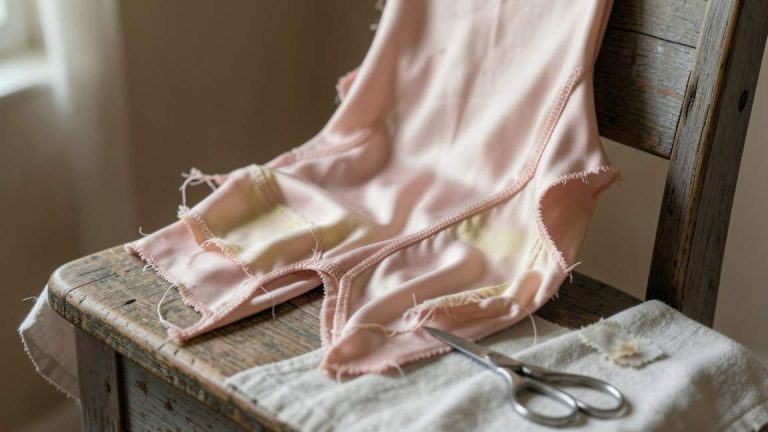
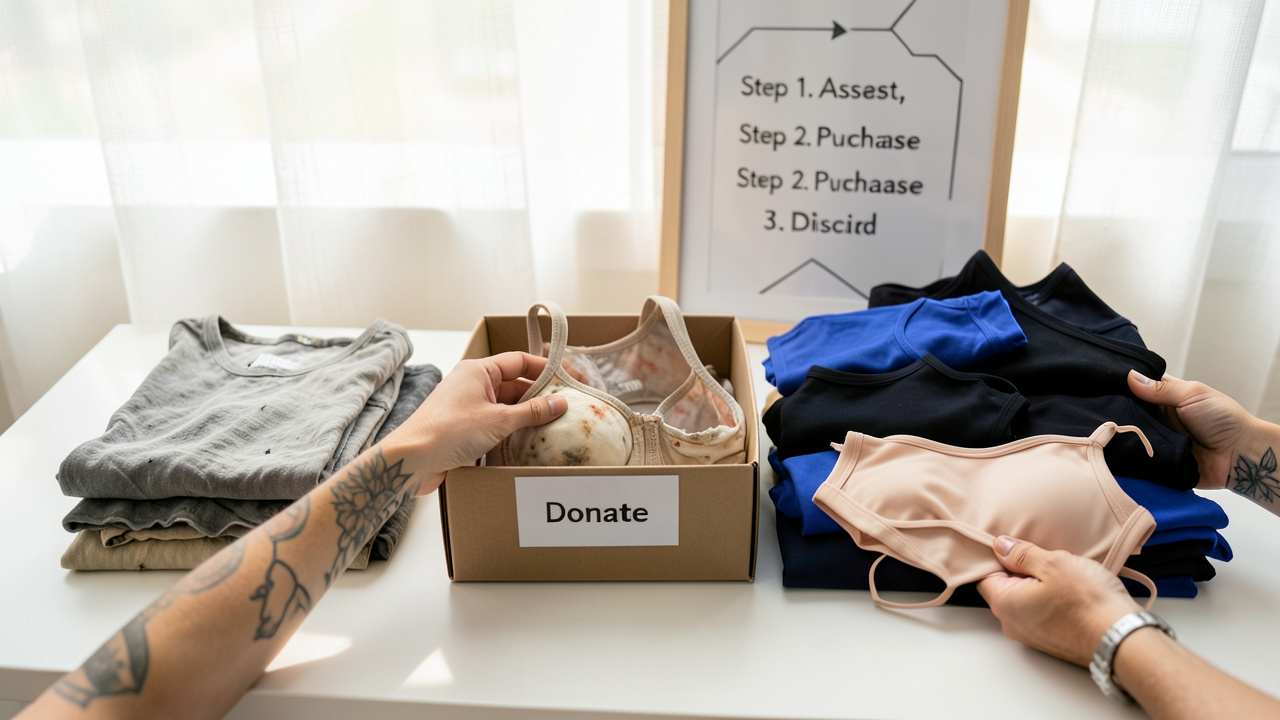
- Assess your current collection. Take everything out of your drawers. Check each piece for stretched elastic, thinning fabric, loose threads, broken hardware, and stains. Sort into keep, replace, and recycle piles.
- Get accurate measurements. Use a soft measuring tape to measure your underbust, bust, waist, and hips. Write these numbers down. Many modern brands have online fit quizzes you can use with these numbers.
- Research modern brands. Look for brands that offer your size range, preferred material, and sustainability certifications. Check return policies – good modern brands offer free returns on first purchases.
- Order one or two items first. Do not replace your entire wardrobe at once. Buy one bra and one pack of underwear from a new brand. Test the fit, fabric feel, and durability for two weeks.
- Evaluate and adjust. After the trial period, decide if the brand works for you. Adjust sizes or styles as needed. Then order the rest of your replacement items.
- Dispose of old innerwear responsibly. Do not throw old bras and underwear in the trash. Use textile recycling programs at stores like H&M, or mail-in programs from brands like Knix and ThirdLove.
Costs and Timeline for a Full Wardrobe Refresh
Replacing your entire innerwear drawer can feel expensive. But modern innerwear costs less per wear when you factor in durability and better materials.
| Item | Average Cost (Modern) | Traditional Equivalent | Savings Over 2 Years |
|---|---|---|---|
| Daily bra (wireless) | $40-$65 | $30-$50 | $0 (similar range) |
| Underwear (3-pack) | $25-$45 | $15-$25 | $10-$20 less per pack |
| Sports bra | $45-$70 | $35-$55 | $10-$15 more (better durability) |
| Shapewear (one piece) | $50-$85 | $35-$60 | $15-$25 more (lasts twice as long) |
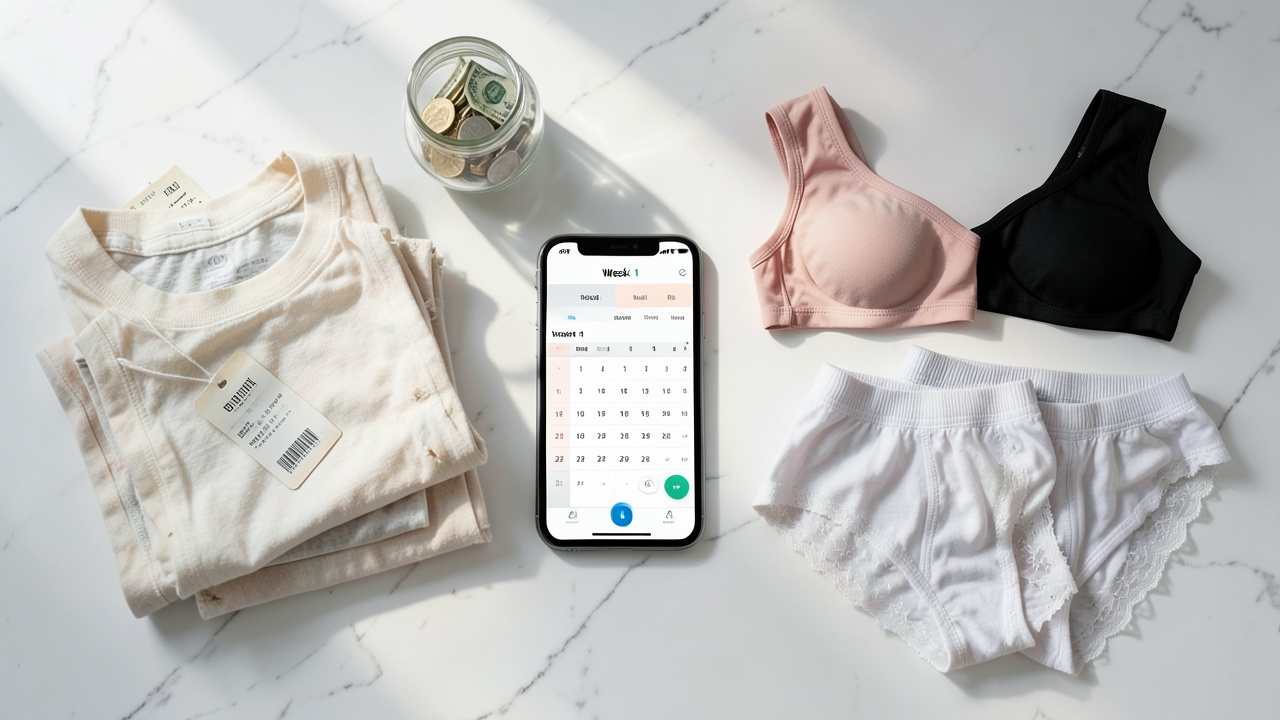
The timeline for a full refresh depends on your current wardrobe size. A typical person owns 5-7 bras and 10-15 pairs of underwear. Replacing everything at once costs between $250 and $500. Most people spread this over 3-6 months.
Modern innerwear lasts longer than traditional options when cared for properly. Machine washing in cold water and air drying can extend the life of a bra by 3-6 months beyond the average replacement timeline.
Common Myths vs Facts About Innerwear Replacement
Myth: Bras should last two to three years
Fact: A bra worn regularly should last 6-9 months. According to, the elastane fibers in bra bands break down with each wash and wear cycle. After about 100 wears, most bras lose 30-50% of their support. Two to three years is only realistic for bras worn once a month or less.
Myth: You should only own seven bras
Fact: This is a marketing rule from traditional lingerie brands, not a sizing or health standard. The right number depends on how often you wash and how many wears you get between washes. Most people need 3-5 bras for rotation if they wash every 2-3 wears. More bras in rotation extend the life of each piece.
Myth: Underwire is dangerous and causes cancer
Fact: There is no scientific evidence linking underwire bras to breast cancer. The states that no studies show a connection between bra type and cancer risk. However, a broken underwire can cause skin injury. Replace bras with broken underwires immediately.
Pro Tips for Making Your Innerwear Last Longer
- Hand wash or use a lingerie bag. Machine washing without protection is the fastest way to ruin elastics and underwires. Put all innerwear in a mesh lingerie bag and use the delicate cycle with cold water.
- Never use fabric softener. Fabric softener coats the elastane fibers and reduces their stretch and recovery. Your innerwear will lose its shape in half the time. Skip it completely.
- Air dry everything. Heat from dryers breaks down elastic fibers permanently. Lay bras flat on a towel or hang them on a drying rack. Underwear can hang or lay flat. Do not wring them out.
- Rotate your bras. Do not wear the same bra two days in a row. The elastic needs 24-48 hours to recover its shape. Rotating between 3-4 bras extends each one’s life by months.
- Store bras properly. Do not fold cups in half or stack them under heavy items. Store bras flat or hang them by the center gore. Hook the band to keep the shape intact.
Tip: If you wear sports bras often, buy three and rotate them. High-impact sports bras lose support faster than daily bras. Replace them when you notice reduced bounce control during exercise.
Resources and Tools
Use these resources to find the right modern innerwear for your needs.
- r/ABraThatFits – Reddit community with a detailed bra size calculator and fit guides. Thousands of user reviews for every major brand.
- ThirdLove Fit Finder – Online quiz that measures your shape and size. Offers half-cup sizes that many traditional brands do not carry.
- Knix Recycling Program – Mail-in program for old bras and underwear. You get a discount on your next purchase.
- OEKO-TEX Product Finder – Searchable database of certified textiles and products. Verify any innerwear brand’s sustainability claims.
- TikTok Bra Fitting Community – Video-based fit checks from professional fitters and enthusiasts. Search for modern bra fitting and replacement guides.
Frequently Asked Questions
How often should I replace my bras?
Replace daily-wear bras every 6-9 months. Bras worn once a week can last 12-18 months. Check for stretched bands, loose straps, and poking underwires as signs you need a replacement. According to industry data from, most bras lose significant support after 100 wears.
What is the best fabric for everyday underwear?
For daily wear, organic cotton or TENCEL modal are the best choices. Cotton is breathable and natural. TENCEL modal is softer, more moisture-wicking, and resists shrinking. Both are better for sensitive skin than synthetic blends.
Can I recycle old bras and underwear?
Yes. Many brands including Knix, ThirdLove, and H&M offer textile recycling programs. You can mail in old innerwear or drop it at collection bins. Do not put old innerwear in the regular trash – textile waste is a major environmental issue.
How do I know if my bra fits correctly?
A properly fitting bra has a band that stays horizontal across your back without riding up. The center gore lies flat against your sternum. The straps do not dig in or fall off. Your breasts fill the cups without spillage or gaps. If any of these are off, try a different size or style.
Are wireless bras as supportive as underwire bras?
Modern wireless bras with structured cups and wide bands can provide comparable support for sizes up to a D cup. For larger cup sizes, wireless bras may offer less lift and separation than underwire. Brands like and have engineered wireless options that work well for many body types.
Final Thoughts
Modern innerwear replacement is about more than just buying new things. It is about upgrading to materials and fits that support your body and the planet. Pay attention to the signs of wear, measure yourself regularly, and choose sustainable options when you can. Start with one or two pieces and build from there.