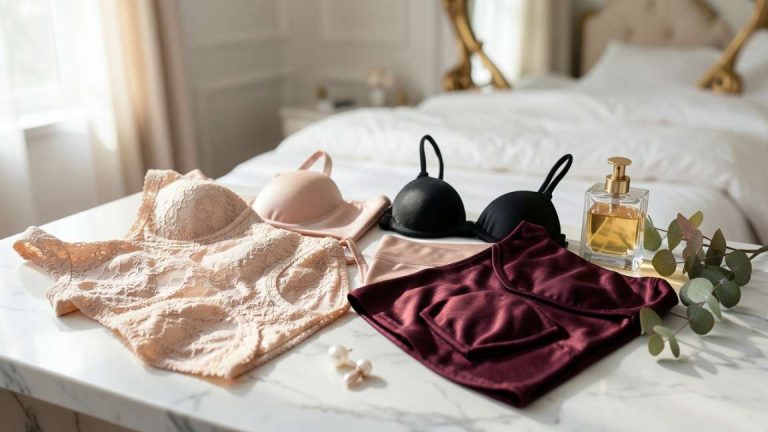
Signs It’s Time to Replace Your Padded Bras Losing Shape
Padded bras need replacement when they lose shape, typically every six to nine months, due to worn elastic, deformed foam cups, or damaged underwire. Visible creases or dents in the cups indicate permanent foam deformation, while a band that rides up signals stretched elastic beyond its functional limit. Replacing bras at these signs restores proper support and comfort, preventing skin irritation from protruding underwire or slipping straps.
Padded bras are a wardrobe staple, but they do not last forever. This post outlines the clear signs that your padded bras have lost their shape and need replacement.
Quick Verdict: Simply put, padded bras lose shape due to wear, washing, and natural fabric breakdown. Key signs include visible creases, cups that wrinkle, underwire poking out, straps that slip, and band that rides up. Replace yours every 6 to 9 months for proper support.
Key Takeaways
- Padded bras typically require replacement every 6 to 9 months depending on frequency of wear and washing.
- Visible creases, wrinkles, or dents in the foam cups indicate permanent deformation.
- A loose band that rides up your back means elastic has stretched beyond its functional limit.
- Underwire that pokes into your skin or straps that slip are safety and comfort red flags.
- Proper care, including hand washing and air drying, can extend the life of padded bras.

Quick Comparison Table: Signs vs. Expected Lifespan
| Sign | What It Looks Like | Timeframe |
|---|---|---|
| Cup creasing | Horizontal lines or dents in the foam | After 4-6 months |
| Band rides up | Back band lifts above shoulder blade level | 6-9 months |
| Underwire poking | Wire ends dig into chest or armpit | Variable, often after washing damage |
| Straps slip | Straps fall off shoulders even when adjusted | 6-9 months |
| Rippling or puckering | Fabric pulls away from foam layer | After repeated washing |

1 – Visible Creases and Wrinkles in the Cups
Overview
Padded bras use molded foam cups. Over time, the foam loses its memory and develops permanent creases. These creases appear as horizontal or vertical lines across the cup surface. According to, foam cup bras often show wear after 30 to 40 washes.
What to Look For
- Check the cups under bright light. Look for any lines, dents, or bulges that stay even after smoothing.
- If the cup wrinkles when you put the bra on, the foam has likely compressed unevenly.
- Creases that disappear after a wash but reappear within a day signal permanent damage.
Important: Creased cups do not support your bust properly. They create gaps between the bra and your body, leading to poor fit and discomfort.
What to Do
If creases are visible when the bra is dry and unworn, it is time to replace that bra. Try to prevent future creasing by hand washing and avoiding twist-ringing the cups.
2 – The Band Rides Up in the Back
Overview
The band provides about 80% of a bra’s support. When the elastic stretches out, the band no longer stays level. A riding-up band forces the straps to carry more weight, which accelerates shape loss.
What to Look For
- Look in a mirror from the side. The back band should sit parallel to the floor, not sloping upward.
- If you can easily pull the band more than 2 inches away from your back, the elastic is worn.
- Does the bra feel loose on the loosest hook after only a few weeks? That is a clear sign of elastic fatigue.
Warning: A band that rides up significantly reduces the bra’s ability to support your bust. This can cause shoulder pain and poor posture over time.
What to Do
Try tightening the band to the next set of hooks. If the band still rides up on the tightest hook, replace the bra immediately. The average lifespan for a bra band is 6 to 9 months, according to industry fit experts.

3 – Underwire Pokes or Digs Into Skin
Overview
Underwire is sewn into the foam channel. When the foam softens or the wire shifts, the tips can break through the fabric. This not only hurts but also indicates that the bra’s structure is compromised.
What to Look For
- Feel along the underside of the cups for any sharp points or exposed wire tips.
- If you notice red marks or indentations after removing the bra, the wire is likely digging in.
- Check the ends of the wire channel near the gore and under the arm. Any poking means immediate replacement.
What to Do
Do not try to push the wire back in. Once the wire pokes out, the channel is damaged. Replace the bra. To avoid this, always wash bras in a lingerie bag and padded bras losing shape faster when tossed in a machine without protection.
4 – Straps That Slip Constantly
Overview
Straps that fall off your shoulders even when fully tightened indicate stretched elastic or worn adjusters. While slipping straps can sometimes be fixed with a bra strap clip, repeated slipping means the bra’s overall support system is failing.
What to Look For
- After adjusting the straps to their tightest setting, do they still slide within 15 minutes?
- Check the strap where it connects to the cup. If the elastic is loose or the stitching is frayed, it will not hold.
- If you have slippery shoulders, try a racerback clip. But if the straps still drop, the bra is done.
Tip: Washing bras in hot water accelerates strap elastic breakdown. Always use cold water and air dry to preserve strap life.
What to Do
If the straps slip on a well-fitting bra that is less than 6 months old, check your hook setting. Otherwise, buy a new bra. Many brands offer convertible straps for better security.

5 – Rippling or Puckering of the Cup Fabric
Overview
Over time, the outer fabric of padded bras losing shape can separate from the foam lining. This creates a pucker effect that shows through clothing and reduces the smooth look you expect from a padded bra.
What to Look For
- Hold the cup up to the light. Are there any air bubbles or areas where the fabric is not bonded to the foam?
- Gently pinch the cup fabric near the center. If the fabric lifts away from the foam, the adhesive has failed.
- Check the entire cup surface for any wavy or bumpy texture.
What to Do
Unfortunately, this delamination is permanent. Replace the bra. To delay rippling, avoid drying padded bras in direct sunlight or on a heater. Heat breaks down the foam-to-fabric bond.

6 – The Bra No Longer Gives a Smooth Silhouette
Overview
Padded bras are designed to create a uniform, rounded shape under clothing. When the bra no longer provides that smooth look, it has lost its structural integrity. This is especially noticeable under thin t-shirts or knit tops.
What to Look For
- Wear the bra under a close-fitting shirt. Look for lumps, bumps, or dents that were not there before.
- Does the bra give you a “bullet” shape or flattened appearance? That indicates the foam has collapsed.
- If your nipples show through the padding, the foam has thinned significantly.
Important: A smooth silhouette is the main reason to buy padded bras. Once you lose that, the bra is no longer serving its primary function.
What to Do
Test the bra with a t-shirt test. If you see any distortions, add it to your replacement pile. Aim to rotate at least three padded bras so each one gets rest days between wears.
How to Extend the Life of Your Padded Bras
You can delay replacement by following a simple care routine. Here are the most effective steps:
- Hand wash your bras with a gentle detergent. Never use bleach or fabric softener.
- If you use a machine, place each bra in a mesh lingerie bag and use the delicate cycle with cold water.
- Air dry bras flat or hanging from the center gore. Never use a dryer.
- Rotate between at least three bras so each one rests for 24 hours between wears.
- Store them folded with cups nested, not crushed under heavy clothing.

Common Myths vs Facts
Myth 1 – You Only Need to Replace Bras Once a Year
Fact: The average lifespan of a padded bra is 6 to 9 months with regular wear. According to bra fitters at, many women wait too long and compromise their posture and comfort.
Myth 2 – Washing Bras in the Washing Machine Is Safe
Fact: The agitation in a top-loading machine can break down foam padding and elastic. Hand washing keeps your padded bras losing shape at a slower rate. If you must machine wash, always use a lingerie bag.
Myth 3 – Expensive Bras Last Longer
Fact: Price does not guarantee longevity. Even high-end padded bras degrade with heat and over-use. The key is rotation and proper care, not cost.
Frequently Asked Questions
How often should I replace my padded bras?
Replace them every 6 to 9 months if you wear them twice a week. For daily wear, consider every 3 to 4 months. According to the, 70% of women keep bras too long past their effective life.
Can I fix a bra that has lost its shape?
Not really. Once the foam creases or the elastic stretches, the structural integrity is gone. You can try sewing loose straps, but the shape loss is permanent.
What is the best way to wash a padded bra?
Hand wash in cold water with a mild detergent. Gently squeeze out water, then reshape the cup. Air dry flat. Never wring or twist the cups.
How do I know my bra band is too loose?
If you can pull the band more than 2 inches away from your back, or if it rides up above your shoulder blades, the band is too loose. That is a clear sign to replace the bra.
Do padded bras expire even if I rarely wear them?
Yes. Over time, the foam can dry out and lose resilience even in storage. After 12 to 18 months of storage, the bra may no longer fit well.
Final Thoughts
Your padded bras losing shape is a clear signal to shop for replacements. Keep an eye on cup creasing, band looseness, slipping straps, and silhouette changes. By rotating several bras and washing them gently, you will get the most out of each one. A well-fitting, supportive bra is worth the investment.