Signs It’s Time to Replace Your Silk Lingerie Over Time
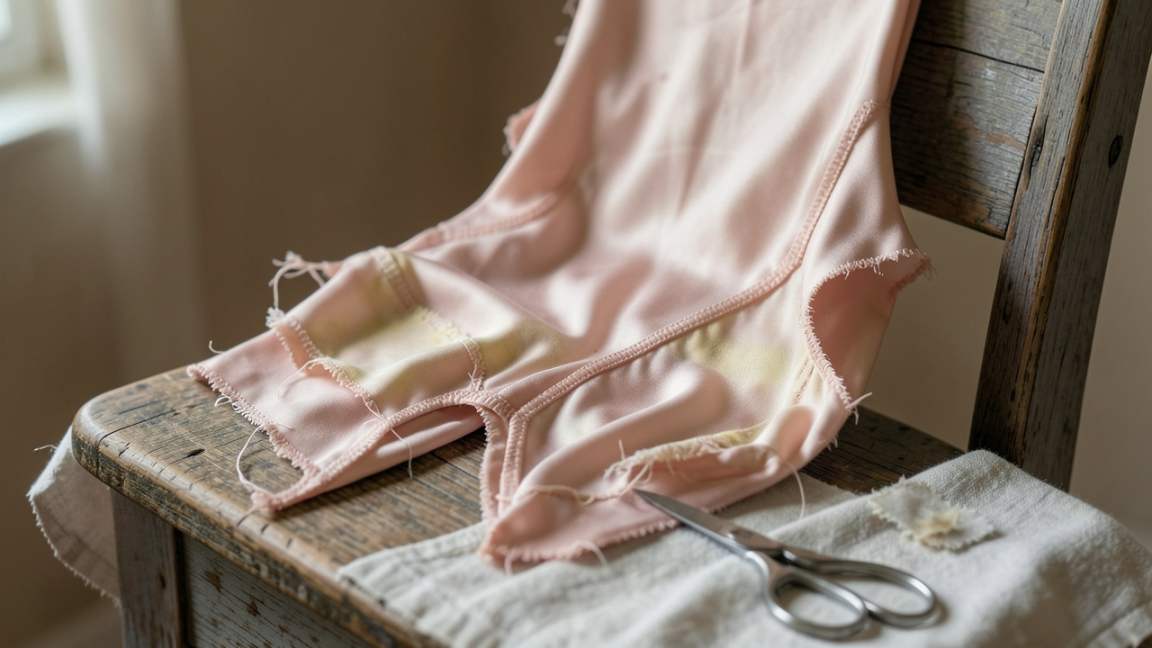
Silk lingerie should be replaced when you notice frayed seams, thinning fabric, lost elasticity, permanent stains, pilling, a dull sheen, or an odor that won’t wash out. Most silk pieces last 2 to 5 years with proper care, but elastic bands typically lose their grip after 12 to 18 months of regular use. To avoid skin irritation from worn edges and aged fibers, inspect your silk lingerie every three months for these clear signs of deterioration.
Silk lingerie feels luxurious on your skin, but even the best pieces wear out. This guide helps you spot the warning signs so you know when to shop for a replacement.
Quick Verdict: Simply put, silk lingerie needs replacing when you see permanent stains, frayed seams, lost elasticity, thinning fabric, or an overall dull sheen. Most silk pieces last 2 to 5 years with proper care. Check your lingerie every 3 months for these signs.
Key Takeaways
- Silk fibers naturally weaken over time due to friction, washing, and exposure to body oils.
- Visible thinning, pilling, or translucent patches are clear signs your lingerie has lost strength.
- Elastic bands in silk lingerie lose their grip after about 12 to 18 months of regular use.
- Professional silk repair can extend the life of a cherished piece, but only if damage is minor.
- Replacing silk lingerie promptly prevents skin irritation from frayed edges and worn elastics.
How Does Silk Lingerie Wear Out Over Time?
Silk is a natural protein fiber, similar to human hair. Each strand is coated in a protective layer called sericin. Washing and wear slowly strip this coating.
Once the sericin wears away, the silk fibers become more fragile. Friction from movement – even gentle sitting and walking – creates microscopic breaks in the threads.
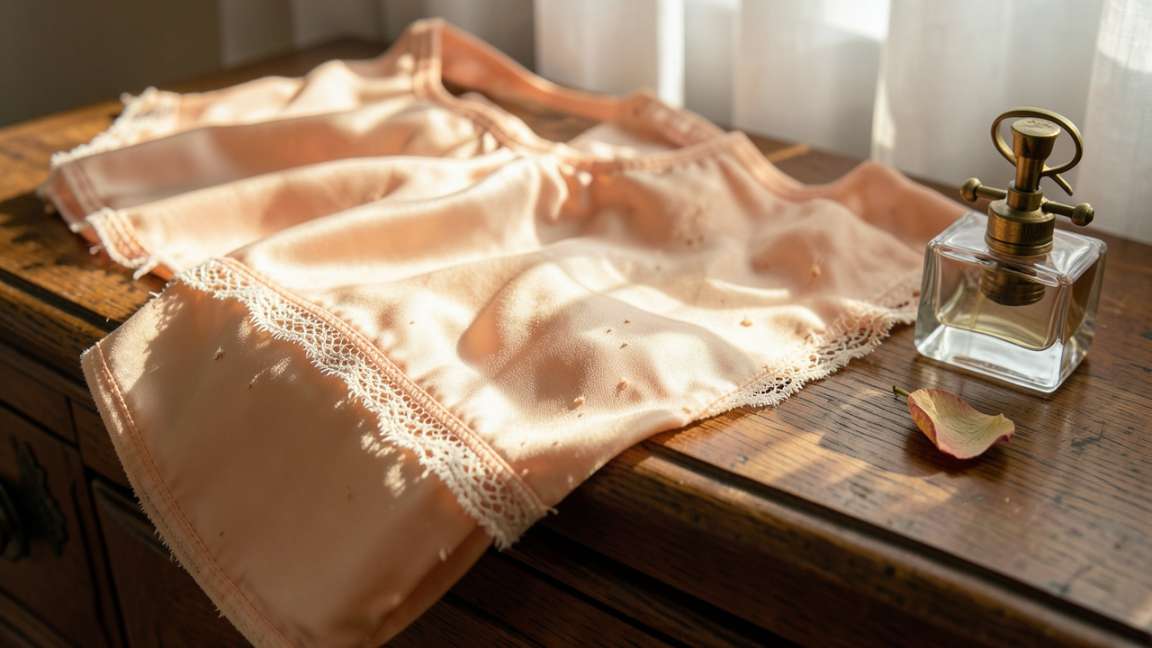
Body oils, sweat, and perfume also accelerate breakdown. Unlike synthetic fabrics, silk cannot bounce back from repeated chemical exposure.
Important: The International Silk Association recommends replacing silk lingerie every 1 to 2 years with regular wear. This timeline shortens if you wash machine-washable silk in warm water or use harsh detergents.
8 Clear Signs It’s Time to Replace Your Silk Lingerie
Look for these specific indicators. If you see two or more, it’s time to let that piece go.
1. Frayed or Loose Seams
Turn the garment inside out. Run your fingers along every seam. If you feel rough edges, loose threads, or open stitches, the structural integrity is compromised. Seams are the first areas to fail because they handle the most tension.
2. Thinning or Sheer Patches
Hold the fabric up to a light. If you see areas where the light shines through more brightly than others, the silk has worn thin. This commonly happens on the cups of bras, the seat of panties, or under the arms of camisoles.
3. Lost Elasticity in Straps and Bands
Test the elastic on straps, leg openings, and waistbands. Stretch each area gently. If the elastic does not snap back to its original shape, it has lost its grip. This leads to slipping straps and baggy fits.
Warning: Wearing silk lingerie with worn elastic can cause chafing and skin irritation. The fabric may fold and rub against your skin in uncomfortable ways.
4. Permanent Stains That Won’t Lift
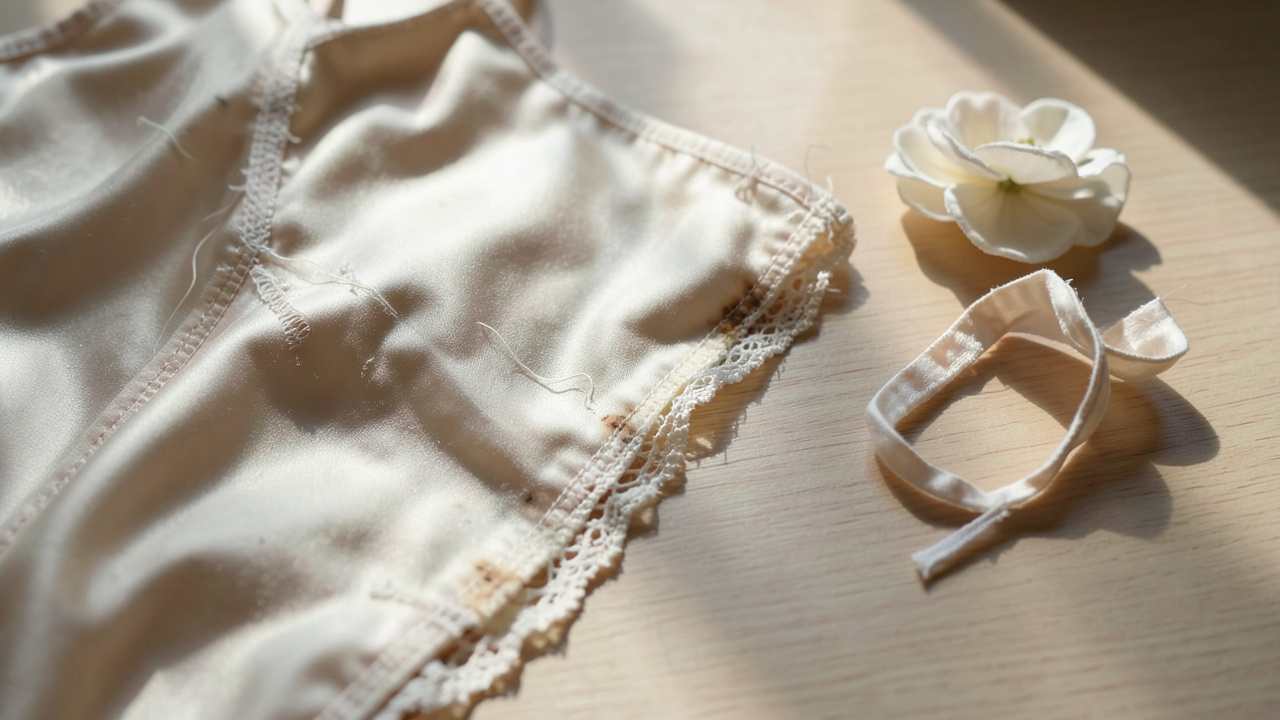
Silk is highly porous. Oils from your skin, deodorant, or perfume can set into the fibers permanently. If gentle hand washing with a silk-safe detergent does not remove a stain, it is likely bonded to the silk molecules. Repeated attempts to remove it will only weaken the fabric.
5. Pilling or Snags on the Surface
Run your palm over the fabric. Do you feel tiny balls of fuzz (pilling) or pulled threads? These are signs of fiber breakage. Pilling occurs when shorter fibers work loose from the yarn. It cannot be fixed without damaging the weave.
6. A Dull, Grayish Sheen
New silk has a luminous, pearlescent glow. Over time, the sericin coating wears away, leaving the silk looking flat and lifeless. If your lingerie no longer catches the light with that distinctive shimmer, the surface is degraded.
7. Unpleasant Odor That Won’t Wash Out
Bacteria and body oils can become trapped deep in the silk fibers. If a piece smells sour or musty even after washing, the odor has become embedded. This is a hygiene concern and a sign that the fabric is no longer fresh.
8. Visible Holes or Tears
Any hole larger than a pinhead means the fabric has given up. Do not try to sew holes in silk lingerie – the surrounding fibers are probably just as weak. The repair will stress other areas and cause more tearing.
How to Inspect Your Silk Lingerie (Do It Every 3 Months)
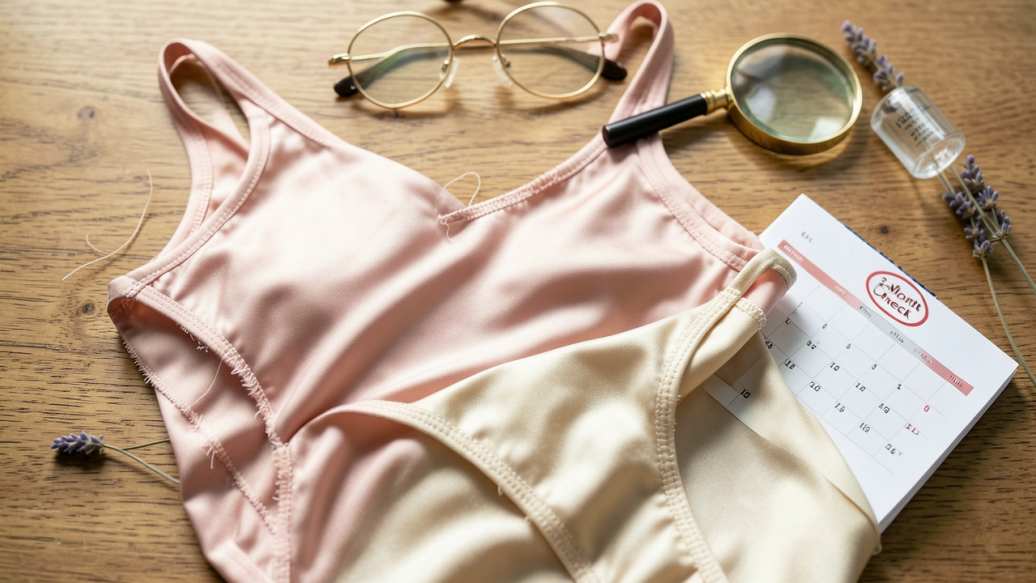
Set a reminder on your phone to check your silk pieces each season. Follow these steps.
- Lay the piece flat on a clean, light-colored towel. This helps you spot stains and thinning.
- Inspect the outside for pilling, snags, and loss of sheen. Note any discoloration.
- Turn it inside out. Check all seams, elastic edges, and stitching. Stretch elastic gently.
- Hold it up to light. Look for translucent areas, especially on high-stress zones.
- Smell the fabric. If it has a persistent odor, wash it one more time with a silk-specific cleaner. If the smell remains, replace it.
Tip: Keep a small notebook or a note in your phone listing the purchase date of each piece. Write down the month and year. This makes it easy to calculate age at inspection time.
Signs vs. Repairable Issues: A Quick Comparison
| Issue | Replace | Repair Possible |
|---|---|---|
| Frayed seams | Yes – seam failure compromises fit | Only if fraying is less than 1 inch and no missing threads |
| Thinning/sheer patches | Yes – fibers are too weak | No – reinforcing thin silk creates new tension points |
| Lost elastic | Yes – elastic cannot be replaced without restitching | Rarely – only if elastic is in a straight, accessible channel |
| Permanent stain | Yes – cannot be removed without damaging silk | No – stain is set in the fibers |
| Pilling/snags | Moderate – shave pills gently; if fabric thins underneath, replace | Only if pilling is minimal and fabric is still thick |
| Dull sheen | Optional – aesthetic issue only | No – sericin loss is irreversible |
| Hole/tear | Yes – fabric is compromised | Only for very small tears in low-stress areas (e.g., hem) |
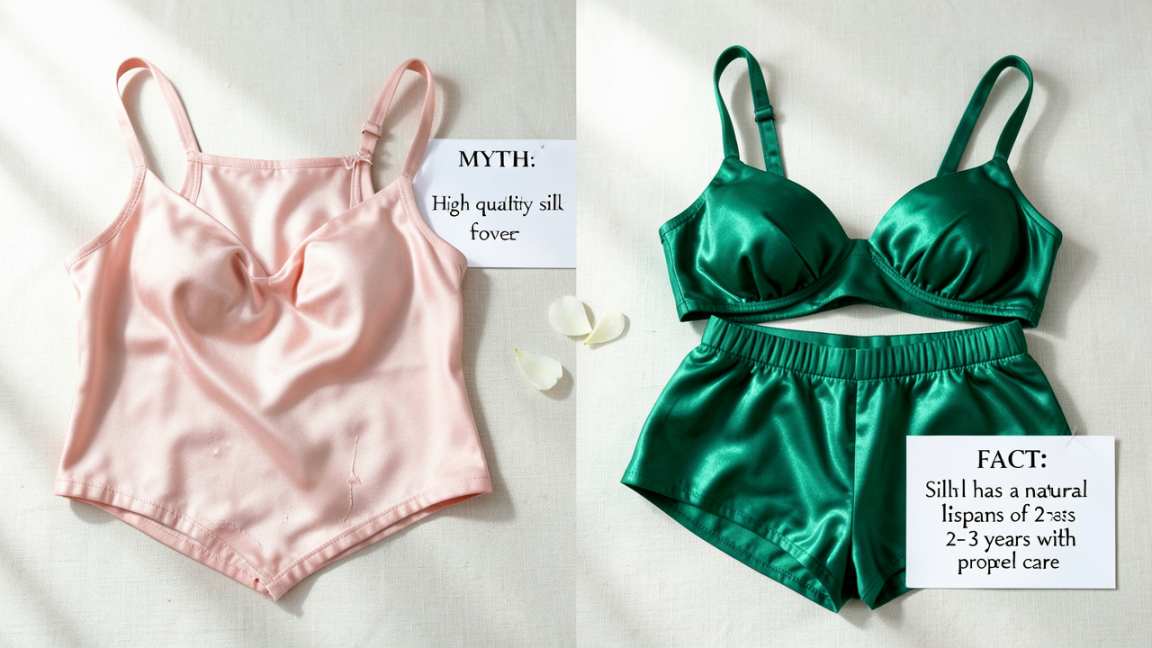
Common Myths vs. Facts About Silk Lingerie Wear
Many people misunderstand how silk ages. Here are three common myths and the facts that correct them.
Myth 1: Silk lasts forever if you hand wash it.
Fact: Even with perfect care, silk fibers degrade over time. According to a study from the, repeated washing and wear cause cumulative microfractures in silk filaments. Hand washing extends life but does not stop aging.
Myth 2: Stains on silk are usually removable.
Fact: Silk is protein-based and absorbs liquids quickly. The explains that once a stain bonds with silk’s protein structure, it becomes permanent. Only fresh stains (under 30 minutes) have a chance of removal.
Myth 3: You only need to replace silk lingerie when it has holes.
Fact: By the time a hole appears, the surrounding fabric is already weakened. According to, replacing silk when you notice thinning or loss of elasticity prevents fit issues and skin irritation long before holes develop.
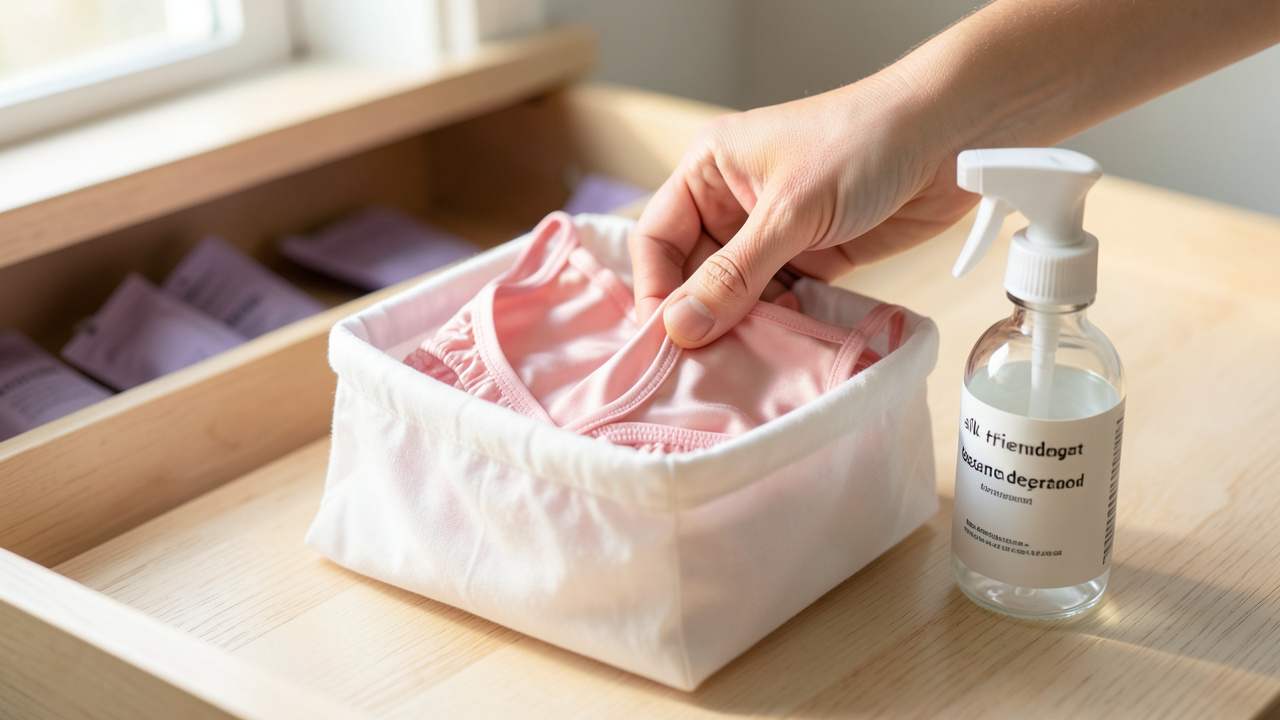
How to Extend the Life of Your Silk Lingerie
Want your pieces to last as long as possible? Follow these care guidelines.
Wash Correctly
- Hand wash with cold water and a pH-neutral detergent made specifically for silk.
- Never wring or twist wet silk. Gently squeeze out water.
- Roll the piece in a dry towel to absorb moisture, then lay flat to dry.
Store Properly
- Keep silk in a cool, dark drawer away from direct sunlight. Sunlight accelerates fading and fiber damage.
- Do not hang silk lingerie on hangers. The weight of wet fabric can stretch straps permanently.
- Separate silk from rough fabrics like lace trim or denim to prevent snagging.
Rotate Your Collection
- Own at least two to three silk sets if you wear them weekly. Rotating gives each piece time to rest and recover its shape.
- Wear each piece no more than once a week to minimize friction and oil buildup.
Tip: Use a mesh laundry bag even when hand washing. It protects the silk from accidental snags on other garments in the basin. Many silk care experts recommend this simple step from brands like.
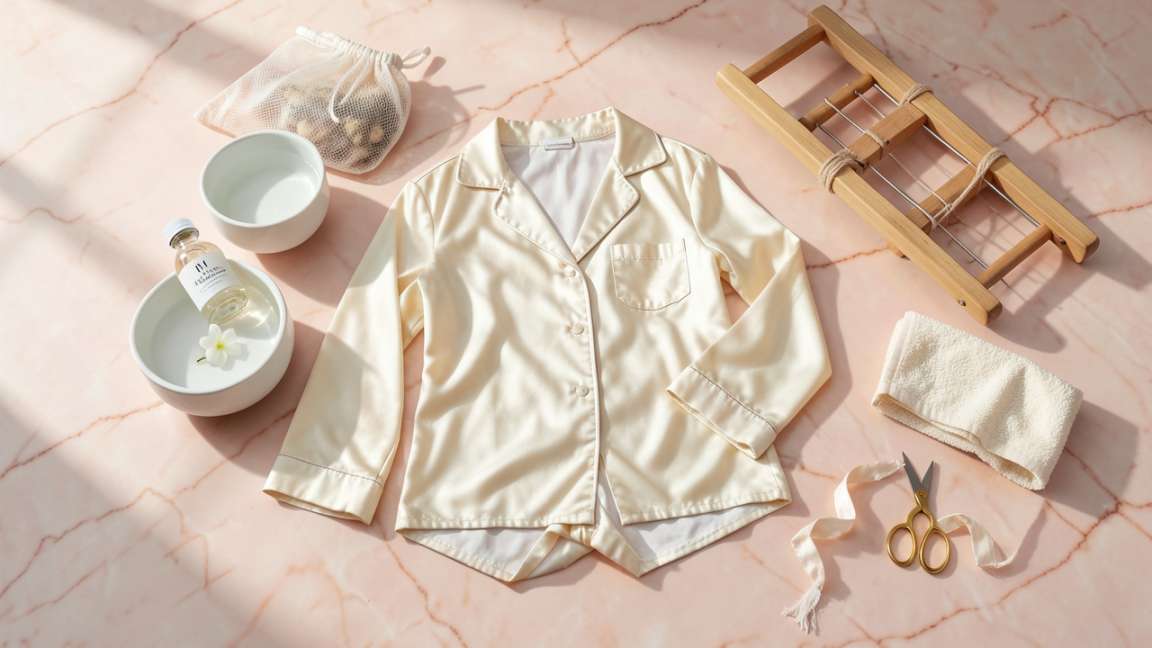
Resources and Tools for Caring for Silk Lingerie
Here are helpful tools and information sources to keep your silk in top condition.
- Silk-specific detergents – Look for products like or. They clean without stripping sericin.
- Mesh laundry bags – Use a fine-mesh bag even for hand washing. in various sizes.
- Fabric shavers – If pilling occurs, a gentle shaver can remove pills without harming silk. is a popular choice.
- Professional silk cleaning – For intricate silk lingerie, consider a dry cleaner trained in silk care. Look for the for vetted experts.
Frequently Asked Questions
How often should I replace silk lingerie?
With regular wear (once a week) and proper care, replace silk lingerie every 1 to 2 years. If you notice any of the eight signs listed above sooner, replace it regardless of age.
Can I repair a small hole in silk lingerie?
Small holes in low-stress areas like hems can sometimes be hand-stitched with a silk thread. However, holes on seams or cups are not repairable because the surrounding fibers are too weak to hold stitches.
Is it safe to machine wash silk lingerie?
Machine washing on a delicate cycle with cold water is possible if you use a mesh bag. But the agitation still accelerates fiber wear. Hand washing is always safer for longevity.
What should I do with old silk lingerie that I need to replace?
Repurpose it. Cut the silk into small squares for use as makeup removers, jewelry wraps, or reusable gift wrap. Avoid donating worn lingerie for hygiene reasons.
Does silk lingerie lose its color over time?
Yes. Exposure to body oils, sweat, and UV light causes color fading. If the color appears patchy or dull, even after washing, the dye has degraded. This is an aesthetic sign that replacement is due.
Final Thoughts
Silk lingerie is an investment in comfort and beauty. Pay attention to thinning fabric, lost elasticity, and permanent stains as your main signals. Regular inspections every three months let you catch problems early. When in doubt, trust your hands and eyes – if the silk no longer feels smooth and looks luminous, it is time to treat yourself to a fresh piece.