Signs It’s Time to Replace Your Faded Fabric as A Wear Sign
Faded fabric indicates deeper fiber degradation, not just color loss, so you should replace it when you see thinning, fraying, or loss of tensile strength alongside the fading. UV radiation breaks down the molecular structure of fibers, meaning visible wear in faded areas confirms the fabric’s integrity is compromised. Prompt replacement is safer and more cost-effective than attempting repairs like re-dyeing, which cannot restore lost strength.
Faded fabric is easy to ignore, but it is often the first visible clue of deeper structural damage. This guide explains the key signs it’s time to replace your faded fabric as a wear sign and what you should do about it.
Quick Verdict: Simply put, faded fabric is not just a cosmetic issue. It signals that UV rays, friction, or harsh chemicals have broken down the fibers. If the color is gone, the structural integrity of the fabric is likely compromised too, meaning replacement is often safer and more practical than keeping the item.
Key Takeaways: Understanding Fabric Wear
- Fading is a chemical and physical change that weakens the molecular structure of fabric fibers at the same time.
- UV radiation from sunlight is the primary cause of fading and simultaneous fiber degradation in most materials.
- If you can see visible wear like thinning or fraying in faded areas, the fabric has significantly lost its tensile strength.
- The cost of reupholstering or replacing faded fabric is often justified by the improved safety and updated appearance of your space.
- Professional cleaning and protective coatings can slow down fading but cannot reverse the wear once the material starts to deteriorate.

What is Faded Fabric and Why Does It Matter?
Fading happens when the chemical bonds in fabric dyes break down. The main cause is exposure to ultraviolet (UV) light. Over time, UV rays do not just change the color. They also break the polymer chains that give fabric its strength.
According to, UV radiation causes significant damage to indoor materials like fabrics, wood, and plastics. This damage accumulates over time.
Warning: A faded spot is a vulnerable spot. The material there is chemically weaker than the original fabric. This increases the risk of tearing, especially on high-stress areas like seat cushions and elbows.
The reports that textiles account for about 6 percent of all municipal solid waste. Extending fabric life helps reduce waste. However, keeping a structurally weak fabric is not always the right choice for safety or comfort.

How to Tell if Fabric is Worn Out Beyond Just Color Loss
You can test your fabric at home using simple methods. These tests measure physical wear, not just cosmetic fading.
- The Light Test: Hold the faded fabric up to a bright light source. If you can see light shining through the threads clearly, the fabric is thinning. This means the fibers have worn down significantly.
- The Texture Test: Rub your palm across the faded area. A rough, fuzzy, or “nubby” texture is a sign of fibrillation. This happens when the outer layer of the fibers breaks away.
- The Stretch Test: Grip the fabric and pull gently. If it does not snap back into place or you see the threads separate, the material has lost its elasticity and core strength.
| Test Name | What to Look For | What It Means |
|---|---|---|
| Light Test | Light passes through the fabric easily | Fibers are thinning and the fabric density is reduced |
| Texture Test | Surface feels rough, fuzzy, or fluffy | Fibrillation and microfiber breakage is happening |
| Stretch Test | Fabric does not snap back or shows gaps | Elastic fibers (like spandex or weave tension) are destroyed |
If your fabric fails two or more of these tests, it is time to replace it. Relying on cosmetic appearance alone can lead to sudden tears or complete failure of the material.
What Are the Specific Signs of Fabric Fatigue?
Fabric fatigue is the technical term for the end of a textile’s useful life. You can spot it by looking for these specific indicators.
- Uneven Fading in High-Contact Areas: If the arms of a sofa are white but the back is still colorful, the damage is structural. Friction in these areas has worn away the top layer of fibers.
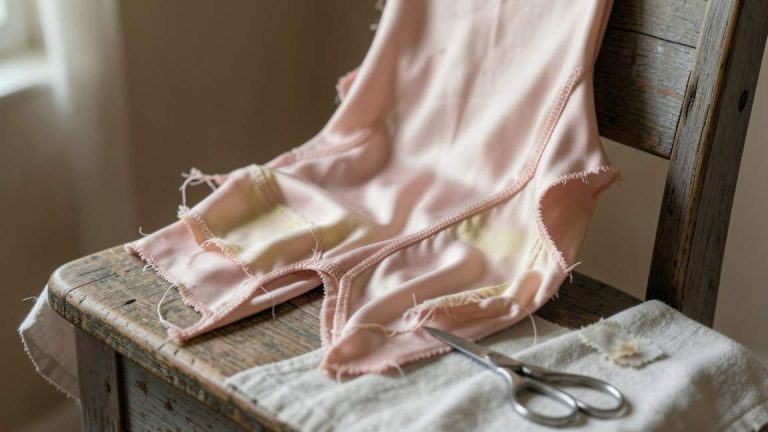
- Fraying Along Seams in Faded Zones: Seams connect fabric panels. If you see fraying threads in spots that are also faded, the UV damage has weakened the thread itself. This often leads to seam separation.
- Pilling That Will Not Stop: A little pilling on new wool is normal. Pilling on old, faded synthetic fabrics is a sign of broken fibers working their way to the surface. This means the fabric matrix is falling apart.
- Color Transfer to Your Clothes or Skin: When a faded fabric starts to rub off onto other surfaces, it means the dye is no longer bonded to the fiber. This usually happens after the fiber surface has been eroded.
- Brittle or Crunchy Feel in Sunlit Areas: Prolonged sun exposure can make fabric feel stiff. This is a sign that the plasticizers or natural oils in the fibers have been baked out. The fabric can crack like dried leather.
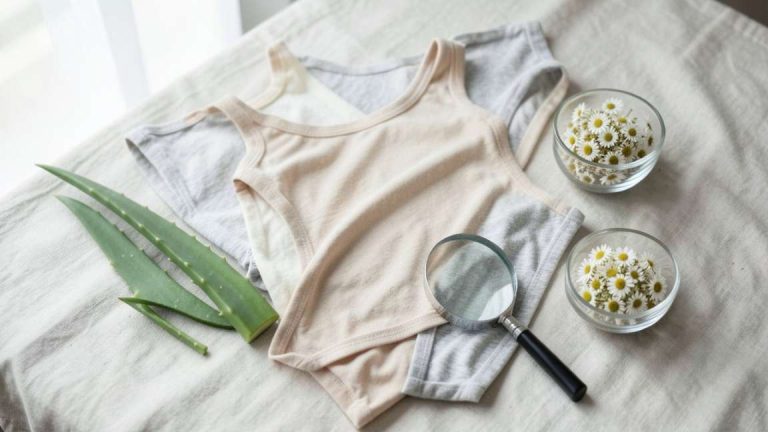
Tip: Use a jeweler’s loupe or a strong magnifying glass to check the thread structure in faded spots. If you see small broken fibers sticking up from the main yarn, the fabric is in an advanced state of wear.

Common Myths vs Facts About Faded Fabric
There are many misconceptions about what fading actually means. Here are the facts.
Myth 1: “Fading is just color loss. The fabric is still strong.”
Fact: Fading involves UV degradation of the polymer chains. The material becomes brittle and loses tensile strength. According to textile science, dye-fiber bonds and polymer strength are both attacked by UV light simultaneously.
Myth 2: “You can just re-dye faded fabric to make it like new.”
Fact: Re-dyeing often fails on faded synthetic fabrics like polyester or nylon. The damaged fibers cannot hold new dye evenly. The result is a blotchy, uneven color that wears off quickly. Natural fibers like cotton take dye better, but the underlying structural wear remains.
Myth 3: “Sunlight is the only cause of fading and wear.”
Fact: Ozone, air pollution, and harsh laundry detergents also cause both fading and fiber degradation. Chlorine bleach and high-heat washing can break down fibers faster than UV light in some cases.

How to Extend the Life of Fabric Before It Is Too Late
You can take specific steps to delay the arrival of these signs it’s time to replace your faded fabric as a wear sign. These methods focus on reducing physical and chemical stress.
- Rotate Cushions and Furniture Placement: Swap seat cushions every 2-3 months. Move furniture away from direct window light. This distributes UV exposure and physical pressure evenly.
- Use UV-Protective Window Film: window films can block up to 99 percent of UV radiation. This keeps your fabric cooler and safer from fading.
- Wash with Cold Water and Mild Detergents: Hot water and strong detergents strip oils and color from fibers. Cold water washing extends the life of cotton and synthetic fabrics by a measurable margin.
- Avoid Fabric Softeners: Softeners coat the fibers with a waxy layer. This layer attracts dirt and locks in the abrasive particles that cut into the fibers over time.
Costs and Replacement Considerations
Keeping fabric past its safe lifespan can cost you more in the long run. Torn upholstery may damage the padding underneath. Failed clothing can cause wardrobe issues at work or in public.
| Action | Average Cost | Best For |
|---|---|---|
| Reupholstering a Couch | $800 – $2,500 | Antique or high-quality frames |
| Replacing a Sofa | $500 – $1,500 | Standard modern furniture |
| Replacing a Garment | $20 – $150 | Everyday clothing |
| Professional Cleaning | $75 – $200 | Fabric with minor fading but strong fibers |
According to the, the average household spends over $1,000 annually on furniture and textiles. Replacing a faded sofa cushion costs about 20-30 percent of buying a new sofa. This makes targeted replacement a smart financial move.

Pro Tips for Managing Fabric Wear
- Act early: If you see slight fading, apply a UV protectant spray immediately. This can double the remaining life of the fabric.
- Match the fiber: Polyester fades differently than cotton. Polyester resists fading better but shows wear as pilling. Cotton fades faster but can be dyed again more easily.
- Check the padding: When you replace fabric on furniture, check the foam or batting underneath. Worn out padding puts extra stress on the new fabric.
- Use slipcovers strategically: A slipcover can protect faded but intact furniture for 6-12 months while you save for a replacement.
- Test washing methods: Always test a hidden seam with your chosen cleaning method. Some brighteners can weaken fabric fibers.

Resources and Tools
- Fabric Inspection Loupe – A magnifying tool to check thread integrity in faded spots.
- UV Window Film – Blocks up to 99 percent of UV rays to protect indoor fabrics.
- Professional Upholstery Cleaner – Extends fabric life by 2-3 years for lightly worn items.
- Textile Recycling Centers – Proper way to dispose of fabric that is beyond repair.
Frequently Asked Questions
Does faded fabric always need to be replaced?
No. If the fabric is just slightly faded but passes the texture and stretch tests, it might have life left. Replace it if you see thin spots, fraying, or structural weakness in the weave.
How can I tell if fading is from sun damage or washing damage?
Sun damage usually appears on top surfaces and high points like sofa arms and shoulders. Washing damage shows up as overall dullness and fuzziness across the entire garment or fabric panel.
Can I repair faded fabric without replacing the whole item?
Sometimes. Fabric dyes and paints exist for natural fibers like cotton and linen. Synthetic fibers that are faded usually have damaged polymers that cannot be fixed with dye alone.
What is the fastest way to ruin fabric?
Leaving it in direct sunlight for extended periods. High-index UV rays can cause measurable fiber damage in just a few weeks during summer months.
Does fabric fade faster in summer or winter?
Fabric fades faster in summer. Higher UV index levels and increased heat accelerate both the chemical breakdown of dyes and the physical breakdown of polymer fibers.
Final Thoughts
Faded fabric is your first warning that the material is wearing out from the inside out. Do the texture and light tests to confirm the damage before making a decision. Acting early to replace structurally weak fabric is safer and often more cost-effective than waiting for a complete tear or failure.