Signs It’s Time to Replace Your Thermal Wear After A Season
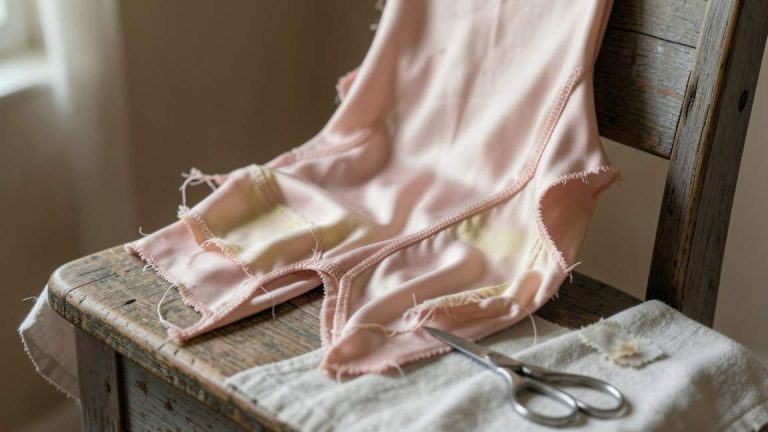
Signs it's time to replace your thermal wear after a season include loss of elasticity, persistent odors after washing, visible thinning or pilling, and a noticeable drop in warmth. Elasticity loss means the fabric can no longer trap an insulating layer of air against your skin, while stubborn odors in synthetics indicate trapped bacteria that degrade performance. Replace your thermal base layer as soon as these signs appear to maintain effective moisture wicking and thermal insulation.
Your thermal layers work hard all winter. They trap heat and wick moisture away from your skin. But these fabrics do not last forever. This guide explains the clear Signs It’s Time to Replace Your Thermal Wear After A Season so you stay warm and comfortable.
Simply put, you should replace your thermal wear when it loses elasticity, develops lingering odors after washing, shows visible thinning or pilling, or no longer keeps you as warm as it did when new. These signs mean the fabric has degraded and cannot perform properly.
Key Takeaways
- Elasticity loss is the earliest sign that your thermal base layer has degraded and will not trap heat effectively.
- Persistent odor in synthetic performance fabrics indicates trapped bacteria and body oils that washing cannot remove.
- Visible thinning or threadbare patches mean your thermal wear has lost its protective barrier and ability to insulate.
- Excessive pilling across the garment reduces the fabric’s moisture-wicking performance and overall comfort.
- Feeling colder than usual in your thermals is a clear signal that the material has worn out and needs replacement.

What Are the Three Main Types of Thermal Wear Fabric?
Understanding your thermal fabric helps you know what to look for when inspecting it. Each material wears down differently. The three main types are synthetic, natural merino wool, and blended fabrics.
Synthetic Fabrics
Synthetic thermals are usually made from polyester, nylon, or spandex. These fabrics are durable and excellent at wicking moisture. They are commonly used by athletes and outdoor workers. According to the, synthetic performance fabrics tend to retain body oils and odors more than natural fibers.
Merino Wool
Merino wool is a natural fiber known for its softness and temperature regulation. It is a premium material for base layers. Brands like and make popular merino thermals. This fabric is naturally antimicrobial but is more delicate and prone to thinning over time.
Cotton and Cotton Blends
Cotton thermals are less common for high-performance use. Cotton absorbs moisture and holds it against your skin. It is comfortable for casual wear but does not wick sweat. Cotton blends can offer some of the benefits of synthetics or wool but still wear out with regular use.
Important: Avoid wearing cotton as a base layer for high-intensity activities in cold weather. It stays wet and can make you colder. Choose synthetic or merino wool for better moisture management.

How to Tell If Your Thermal Base Layer Is Worn Out
You can inspect your thermals at home with a few simple tests. These checks help you decide if it is time to shop for new gear. Look for these four clear signs of wear.
The Stretch Test for Elasticity
Elasticity is what keeps your thermal snug against your skin. A tight fit traps warm air. Gently stretch the neckband, cuffs, and hem of your shirt. If the fabric does not snap back into place, it has lost elasticity. Elastic fibers typically lose 20 to 30 percent of their effectiveness after 50 to 70 wash cycles. Baggy thermals let heat escape and look sloppy under your clothes.
The Light Test for Thinning Fabric
Hold your thermal shirt up to a bright light or window. Look for areas where the light shines through easily. These are thin spots where the fibers have worn away. Thinning often happens at the elbows, shoulders, and lower back. A threadbare fabric cannot trap enough air to keep you warm.
The Smell Test for Odor Retention
Wash your thermal according to the care label. After it dries, smell the armpits and neck areas. If a sour or musty odor remains, bacteria and body oils are trapped deep in the fibers. This is very common in synthetic fabrics. Persistent odor means the fabric is no longer hygienic and will not smell fresh during use.
The Feel Test for Pilling and Texture
Run your hand over the inside and outside of the fabric. Pilling looks like small balls of fuzz on the surface. A pilled fabric feels rough and less soft against your skin. Pilling reduces the fabric’s ability to wick moisture. It also creates cold spots where the insulation is uneven. Extensive pilling across the garment signals it is time to replace it.

Quick Comparison of Wear Signs by Fabric Type
| Sign of Wear | Synthetic (Polyester) | Merino Wool | Cotton Blend |
|---|---|---|---|
| Elasticity Loss | High – fabric feels baggy | Moderate – neckline sags | Low – may shrink instead |
| Odor Retention | Very High – traps oils | Low until very worn | Medium – absorbs odors |
| Pilling | Yes – surface fuzz | Yes – felting effect | Rare |
| Thinning Areas | Even across fabric | Hole-prone at stress points | Overall gradual wear |
What Causes Thermal Wear to Lose Its Effectiveness?
Multiple factors break down thermal fabrics over time. Understanding these causes helps you prevent premature wear. The main culprits are heat, friction, and improper washing.
- Heat from Drying: High heat from dryers damages elastic fibers like spandex. This causes them to become brittle and snap. Always air dry your thermals or use a low heat setting.
- Friction from Washing: The tumbling action in a washing machine creates friction. This friction leads to pilling and thinning. Washing your thermals inside out reduces surface damage.
- Body Oils and Sweat: Your skin produces oils that can break down synthetic fibers over time. This is why odor becomes trapped. Washing after every heavy use removes these oils.
- Incorrect Detergent: Fabric softeners and bleach coat the fibers. This coating blocks the fabric’s ability to wick moisture. Use a gentle, sport-specific detergent for best results.
Warning: Never use fabric softener on your thermal base layers. Softener coats the synthetic fibers and destroys their moisture-wicking properties. It also reduces the natural breathability of merino wool.

How to Prolong the Life of Your Thermal Wear
You can extend the life of your thermals with proper care. A survey by suggests that 40 percent of outdoor enthusiasts keep their base layers too long. These care tips help your gear perform better for longer.
Washing Guidelines
- Turn your thermal wear inside out before washing. This protects the outer surface from friction.
- Use cold water and a gentle cycle. Hot water breaks down elastic fibers faster.
- Choose a mild detergent without bleach or fabric softeners. Look for detergents designed for performance fabrics.
- Wash after every heavy use. This prevents body oils from settling into the fibers.
Drying Guidelines
- Air dry your thermals flat or on a drying rack. This is the safest method for all fabric types.
- Avoid high heat in the dryer. Heat is the main cause of elasticity loss in synthetics.
- If you must use a dryer, select the lowest heat setting. Remove the thermals while they are still slightly damp.
Storage Guidelines
- Store your thermals folded in a drawer. Hanging them can stretch out the fabric over time.
- Keep them in a cool, dry place away from direct sunlight. Sunlight can break down the fibers.
- Do not store them in plastic bins for long periods. Fabric needs to breathe. Use a breathable cotton bag instead.

Common Myths About Thermal Wear Longevity
There are many misconceptions about how long thermal wear lasts and what you can do to fix it. Let’s clear up the most common myths with facts.
Myth 1: You Can Fix Baggy Thermals in the Dryer
Many people think putting a stretched-out thermal in a hot dryer will shrink it back to size. This is false. High heat damages the elastic fibers permanently. It may shrink the fabric temporarily, but it makes the elasticity worse. The thermal will feel stiffer and less comfortable. Once the spandex is damaged, the bagginess will return quickly. The only real solution is to replace the garment.
Myth 2: Expensive Thermals Never Need Replacing
Price does not prevent fabric degradation. High-quality merino wool from brands like Patagonia and Smartwool lasts longer than cheap synthetics. But it still wears out. Even the best merino wool base layers have a lifespan of 3 to 5 seasons with regular use. The natural fibers break down over time. You should inspect expensive thermals just as carefully as budget ones.
Myth 3: Pilling Always Means the Thermal Is Poor Quality
Pilling is a surface effect where loose fibers ball up into small fuzz balls. Some pilling is normal, especially on new garments. It happens from friction during washing and wearing. A small amount of pilling does not ruin the garment’s performance. However, extensive pilling across the entire shirt signals significant wear. If the fabric feels rough and thin underneath the pills, it is time to replace it.
Important: Use a fabric shaver to remove light pilling from your thermals. This can extend their life by one or two seasons. It restores the smooth texture and improves moisture wicking. Do not over-shave the fabric or you may create thin spots.
Frequently Asked Questions
How often should you replace thermal underwear?
Most manufacturers recommend replacing thermal underwear every 1 to 2 years depending on usage. If you wear your thermals daily during winter, you may need new ones each season. Light users can get 3 to 5 years from high-quality merino wool. Check for the signs of wear listed above to make the best decision.
Can you make your thermal wear last longer?
Yes, you can extend the life of your thermals with careful washing and storage. Use cold water, gentle detergent, and air drying. Avoid fabric softeners and high heat. Store them folded, not hung. These steps can add one or two extra seasons to your base layers.
Is it normal for thermals to pill after one season?
Some pilling is normal, especially on synthetic fabrics and areas with high friction like the underarms. Light pilling after one season does not mean the garment is ruined. You can remove pills with a fabric shaver. Heavy pilling across the entire shirt is a sign of poor quality or excessive wear.
Does 100 percent merino wool thermal wear lose its shape?
Merino wool is naturally elastic, but it can lose its shape over time. The neckline and cuffs often stretch out first. This happens because the fibers weaken with washing and friction. Merino also tends to felt and shrink if washed in hot water. Proper care helps maintain its shape for several seasons.
What is the best way to store thermal wear between seasons?
Wash your thermals thoroughly before storing them for the off-season. Fold them neatly and place them in a cool, dry drawer. Add cedar blocks or lavender sachets to repel moths. Do not store them in plastic bags or airtight containers. Fabric needs airflow to prevent moisture buildup and mildew.

Resources and Tools
Here are some helpful resources for maintaining and replacing your thermal wear.
- American Cleaning Institute – Offers guidelines on washing performance fabrics to extend their life.
- REI Expert Advice – A comprehensive guide to choosing and caring for base layers.
- Smartwool Garment Care – Specific instructions for washing and drying merino wool thermals.
- Patagonia Worn Wear Program – A repair and recycling program for old Patagonia base layers.
Final Thoughts
Check your thermals at the end of each season using the simple tests in this guide. Look for elasticity loss, thinning fabric, persistent odor, and excessive pilling. Replacing worn base layers keeps you warm, comfortable, and safe during cold weather. A fresh set of thermal wear makes a noticeable difference in your performance and comfort all winter long.