Why Vinegar Rinses for Odor Removal Is Important for Comfort
A vinegar rinse for odor removal is important for comfort because it neutralizes alkaline odor molecules like sweat and ammonia at the molecular level instead of masking them with fragrance. This method effectively eliminates biological odors such as pet urine and mildew, and the acetic acid smell completely evaporates once the fabric dries. It provides a low-cost, safe alternative to commercial sprays that restores freshness without harsh chemicals, making it ideal for sensitive skin and everyday laundry.
Lingering smells in your clothes can ruin your day. This guide explains why a simple vinegar rinse is the best way to restore freshness without harsh chemicals.
Quick Answer: A vinegar rinse uses the power of acetic acid to neutralize alkaline odor molecules like sweat and ammonia. Unlike perfumes that mask smells, vinegar chemically breaks them down. After the rinse dries, the vinegar smell completely evaporates, leaving fabrics fresh, soft, and free from deep-set odors without harsh chemicals.
- A vinegar rinse neutralizes odors at the molecular level instead of covering them up with fragrance.
- It works effectively on biological odors such as sweat, pet urine, and mildew.
- The acetic acid smell disappears completely once the fabric dries.
- This method is safe for most fabrics and is a low-cost alternative to commercial sprays.
- A standard application involves adding one cup of white vinegar to the rinse cycle of your washing machine.
To fully grasp why vinegar rinses for odor removal is important for comfort, you need to understand basic chemistry. Vinegar contains acetic acid. Odors from sweat, smoke, and pets are typically alkaline. The acid in vinegar neutralizes these alkaline compounds. This reaction removes the smell at its source.
According to the, rinse aids can improve the removal of alkaline soils from fabrics by a significant margin. Vinegar acts as a natural and effective rinse aid. It balances the pH of the fabric surface.
How Does a Vinegar Rinse Work for Odor Removal?
The process is straightforward. When you add vinegar to the rinse cycle, it changes the pH of the fabric. Bacteria and mold spores cannot survive in a highly acidic environment. The vinegar breaks down uric acid in pet urine and ammonia in sweat.
Key Insight: The vinegar smell is volatile. It evaporates completely as the fabric dries. You are left with neutral-smelling, soft fabric.
The acetic acid lifts the odor molecules away from the fibers. Water then flushes them away. This is different from a detergent that simply cleans the surface. The rinse cycle is where the neutralization happens.

What Types of Odors Can a Vinegar Rinse Remove?
Different smells require different approaches. A vinegar rinse handles many common household odors. Here is a quick breakdown of its effectiveness.
| Odor Type | Common Source | Effectiveness | Why It Works |
|---|---|---|---|
| Sweat | Gym clothes, shirts | High | Neutralizes ammonia. |
| Pet Urine | Bedding, carpets | High | Breaks down uric acid. |
| Smoke | Jackets, curtains | Medium-High | Helps break down tar. |
| Mildew | Towels, bathmats | High | Kills mold spores. |
| Food Spills | Kitchen rags | Medium | Cuts through organic waste. |
This table shows that vinegar is a versatile tool. You can use it on many fabrics. It is a reliable solution for deep-set smells.

Who Needs a Vinegar Rinse for Odor Removal?
Several groups of people find this method very helpful. It solves specific problems that regular detergents cannot fix.
- Athletes: Synthetic sports fabrics trap bacteria. Vinegar removes the smell without damaging the material.
- Pet Owners: Accidents on bedding or furniture require neutralization. Vinegar removes the smell completely.
- Parents: Cloth diapers and baby clothes need gentle but effective cleaning. Vinegar is safe and works well.
- People with Sensitive Skin: Commercial detergents contain fragrances. The identifies fragrance as a top cause of contact dermatitis. Vinegar leaves no scent.
- Eco-Conscious Households: Vinegar is biodegradable and replaces multiple single-use products.
If you fall into one of these groups, you need a solution that works. Why vinegar rinses for odor removal is important for comfort becomes very clear for people with skin issues or allergies. It provides a chemical-free clean.
How to Use a Vinegar Rinse for Odor Removal
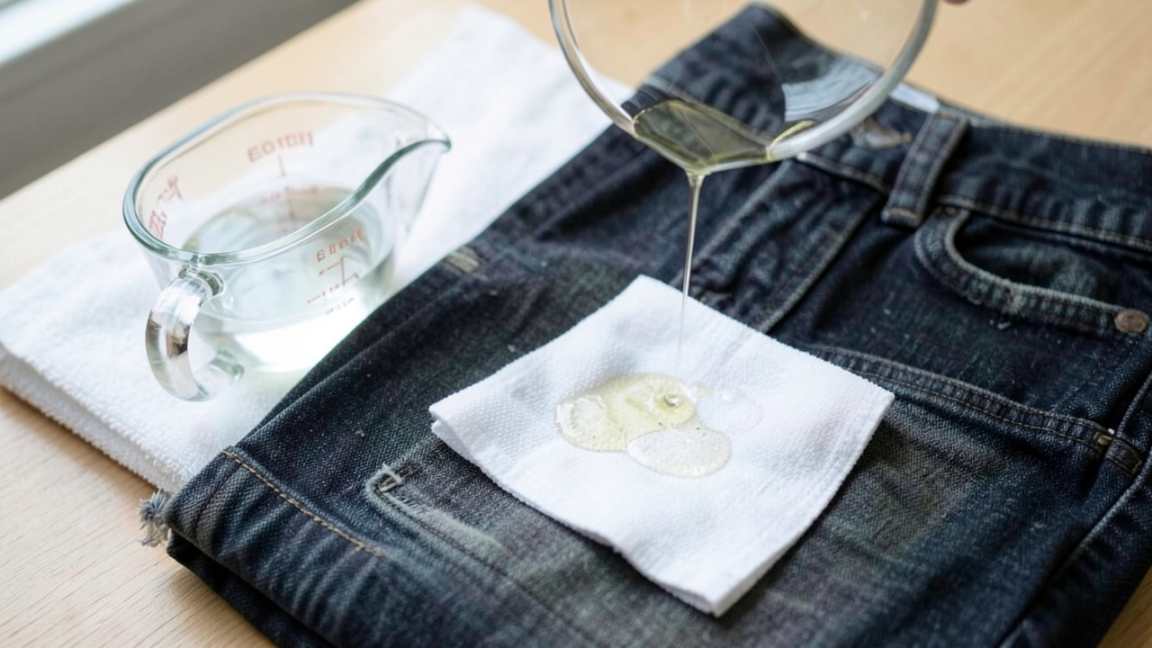
This process is simple. You only need one ingredient and your standard washing machine. Follow these steps for the best results.
- Check the label. Vinegar is safe for cotton, polyester, and blends. Avoid using it on silk or wool unless the label says it is safe.
- Add detergent. Wash your clothes as normal with your regular detergent.
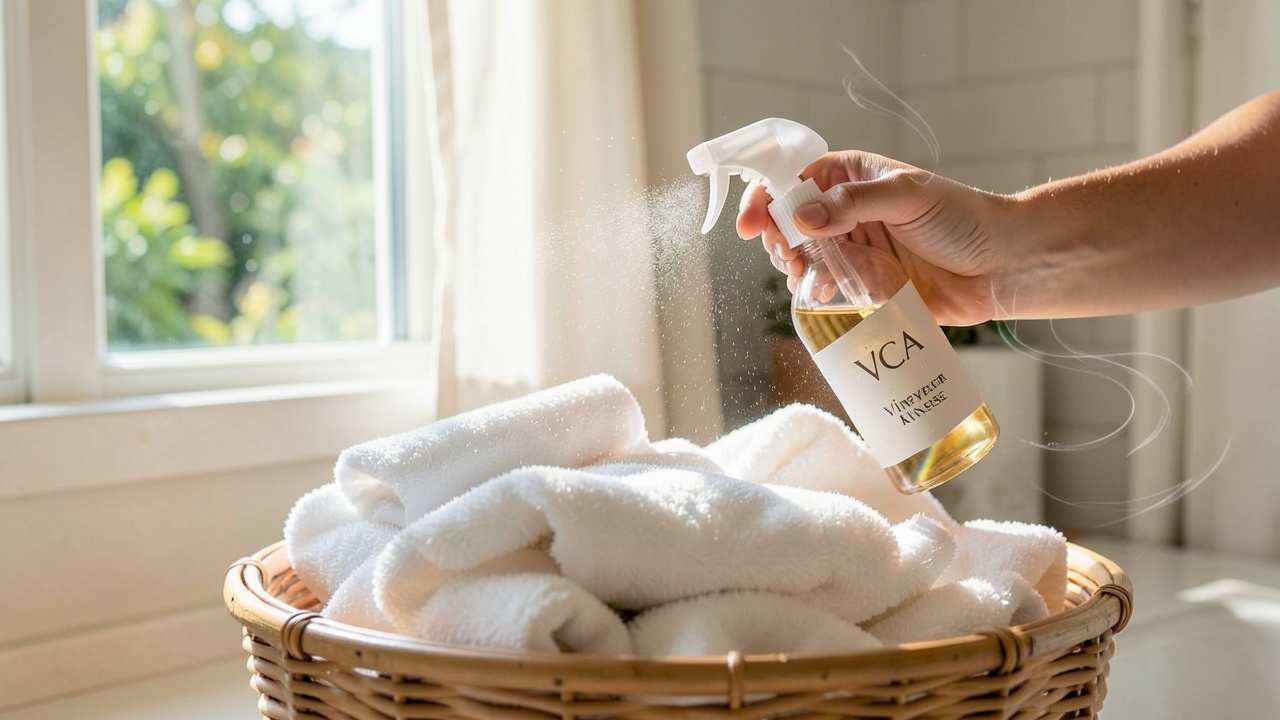
- Add vinegar to the rinse. Pour one cup of distilled white vinegar into the fabric softener dispenser. If you do not have a dispenser, pause the machine during the rinse cycle. Pour the vinegar in manually.
- Run the cycle. Use warm or hot water for best results. Hot water helps the vinegar work faster.
- Dry as usual. The vinegar smell will evaporate completely in the dryer or on the line.
Warning: Do not mix vinegar with bleach. This combination creates toxic chlorine gas. Use them in separate loads.
For tough odors, you can pre-soak your items. Fill a bucket with water. Add one cup of vinegar. Soak the items for 30 minutes. Wash them afterwards. This extra step helps remove deep-set smells from towels and athletic wear.
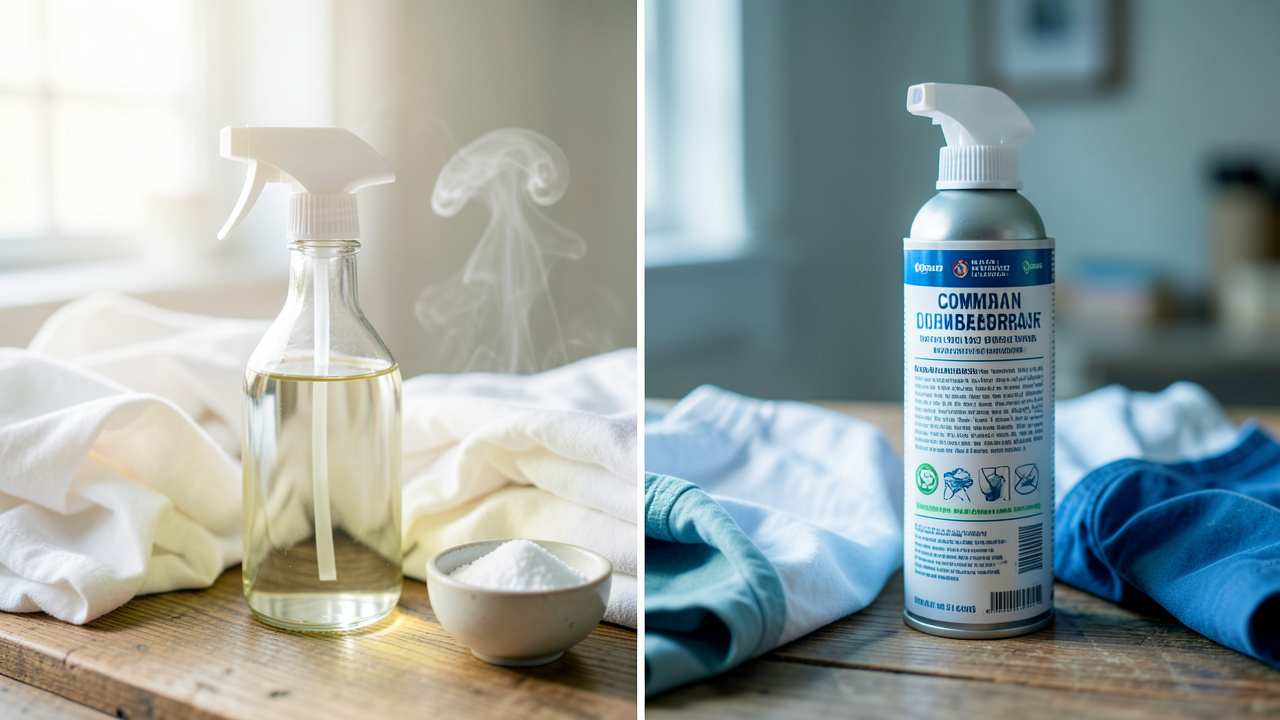
Vinegar Rinse vs Commercial Odor Removers
Many people compare vinegar to store-bought products. Here is a side-by-side look at the differences.
| Feature | Vinegar Rinse | Commercial Products |
|---|---|---|
| Cost per Load | Very low (pennies) | Medium to high |
| Ingredients | One (acetic acid) | Multiple chemicals |
| Skin Safety | Excellent for sensitive skin | May contain irritants |
| Environmental Impact | Low (biodegradable) | Varies widely |
| Residue | None (evaporates fully) | Often leaves synthetic scents |
The table shows that vinegar is a competitive alternative. It lacks the marketing but delivers the core result. For many people, removing the odor is more important than adding a new fragrance.

Common Myths vs Facts
There are several myths about using vinegar in laundry. It is important to separate fact from fiction. These are the most common misunderstandings.
Myth 1: Your clothes will smell like vinegar.
This is the most common concern. The smell of vinegar is volatile. It evaporates completely once the fabric dries. Your clothes will only smell like vinegar if you use too much and do not dry them properly.
Myth 2: Vinegar will ruin your washing machine.
Modern high-efficiency washers are built to handle small amounts of acid. The rubber seals in your machine are designed for detergents. In fact, vinegar can help remove soap scum and mineral deposits from your machine over time.
Myth 3: Vinegar damages synthetic fabrics like polyester.
Diluted vinegar is safe for common synthetics like polyester, nylon, and spandex. It is actually a recommended cleaning agent for athletic wear. It removes the oil and bacteria that cause smells in these fabrics.
Frequently Asked Questions
Can I use apple cider vinegar instead of white vinegar?
White distilled vinegar is the best choice for laundry. It is clear and will not stain light fabrics. Apple cider vinegar may leave a residue and has a stronger natural smell.
How much vinegar should I use for a standard load?
Use one cup of vinegar for a standard top-loading machine. Use half a cup for a high-efficiency front loader. Adjust the amount based on the strength of the odor.
Can I use vinegar with fabric softener?
You should choose one or the other. Fabric softener leaves a coating on fibers. Vinegar removes that coating. Using vinegar alone will give you softer towels and better odor removal.
Will vinegar remove sweat stains from white shirts?
Yes, vinegar helps break down the salt and oil in sweat stains. Apply undiluted vinegar directly to the stain. Let it sit for 15 minutes. Then wash the shirt as usual.
Is it safe to soak clothes in vinegar overnight?
You can soak sturdy fabrics like cotton and denim for several hours. Avoid soaking delicate fabrics like silk or lace for more than 15 minutes. Prolonged acid exposure can weaken delicate fibers.

Final Thoughts
A vinegar rinse is one of the easiest ways to achieve deep odor removal. It neutralizes smells at the chemical level without adding toxic fragrances. This simple habit keeps your clothes comfortable, your skin happy, and your laundry routine cost-effective.