Innerwear Freshness for Different Body Types: A Complete Guide
Innerwear freshness for different body types depends on how body shape influences sweat zones, requiring fabric and fit choices tailored to each individual’s moisture patterns. Cotton suits normal to dry skin types, while moisture-wicking synthetics benefit active or larger body types, and proper fit prevents friction and trapped moisture. A consistent wash routine with appropriate detergent and replacing innerwear every six to twelve months maintains optimal hygiene and freshness.
Your body type directly shapes how you sweat, where you hold moisture, and what fabrics keep you fresh. This guide explains how to choose and care for innerwear based on your unique body shape and lifestyle.
Quick Verdict: Simply put, innerwear freshness for different body types comes down to three factors – fabric choice, fit precision, and wash routine. Your sweat patterns vary by body shape, so a one-size-fits-all approach does not work. Match your fabric to your body type and wash after each wear to stay fresh.
Key Takeaways
- Your body type determines your sweat zones, so you need targeted fabric choices for each area.
- Cotton works best for normal to dry skin types, while moisture-wicking synthetics suit active or larger body types.
- A consistent wash routine with the right detergent and water temperature removes odor-causing bacteria effectively.
- Wearing the correct fit prevents friction, trapped moisture, and chafing that lead to odor buildup.
- Replacing your innerwear every 6 to 12 months keeps freshness and hygiene at their peak.
Understanding Innerwear Freshness
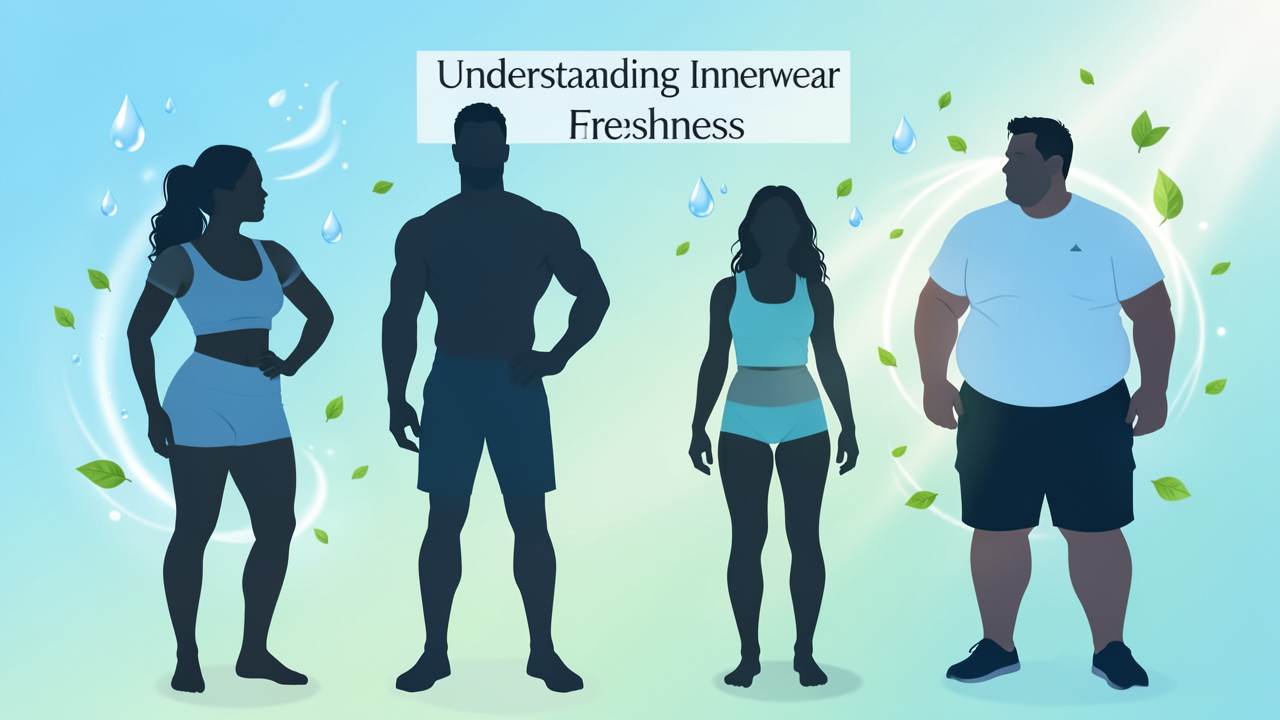
Innerwear freshness is not just about smell. It is about skin health, comfort, and confidence. According to the, sweat trapped against the skin can cause folliculitis, fungal infections, and irritation. Your body type affects how much you sweat, where you sweat most, and which fabrics feel comfortable against your skin.
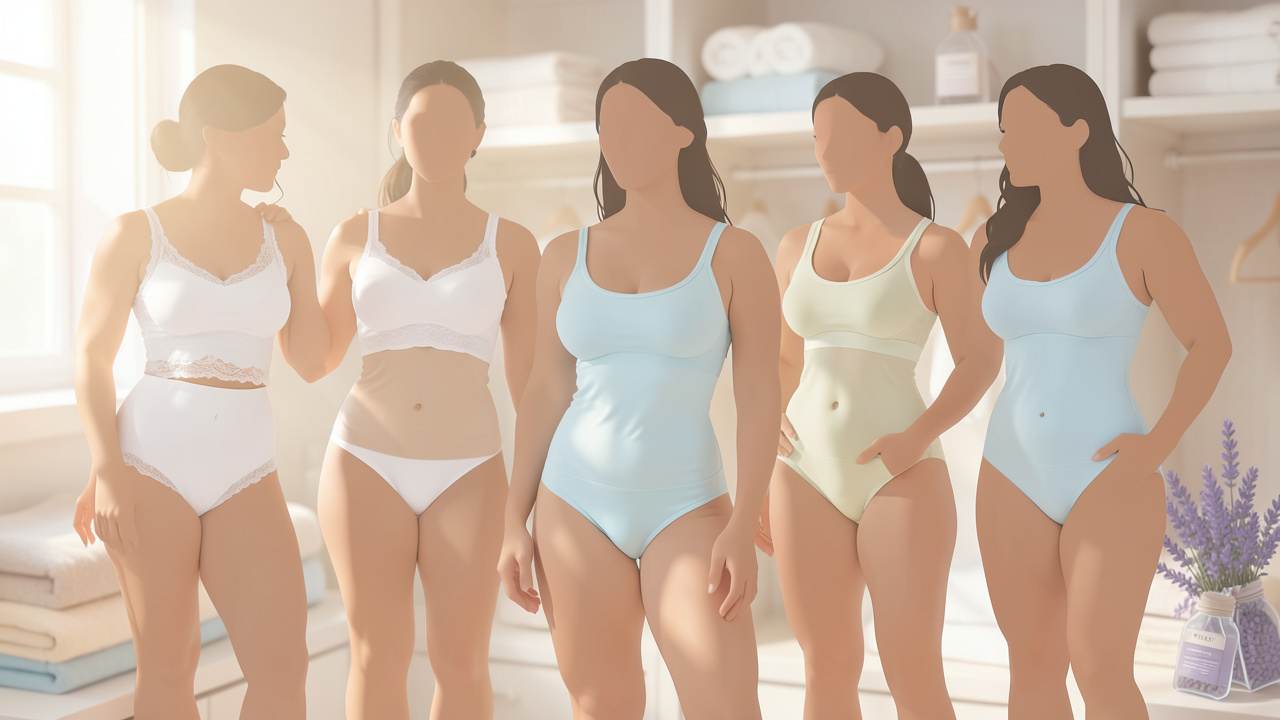
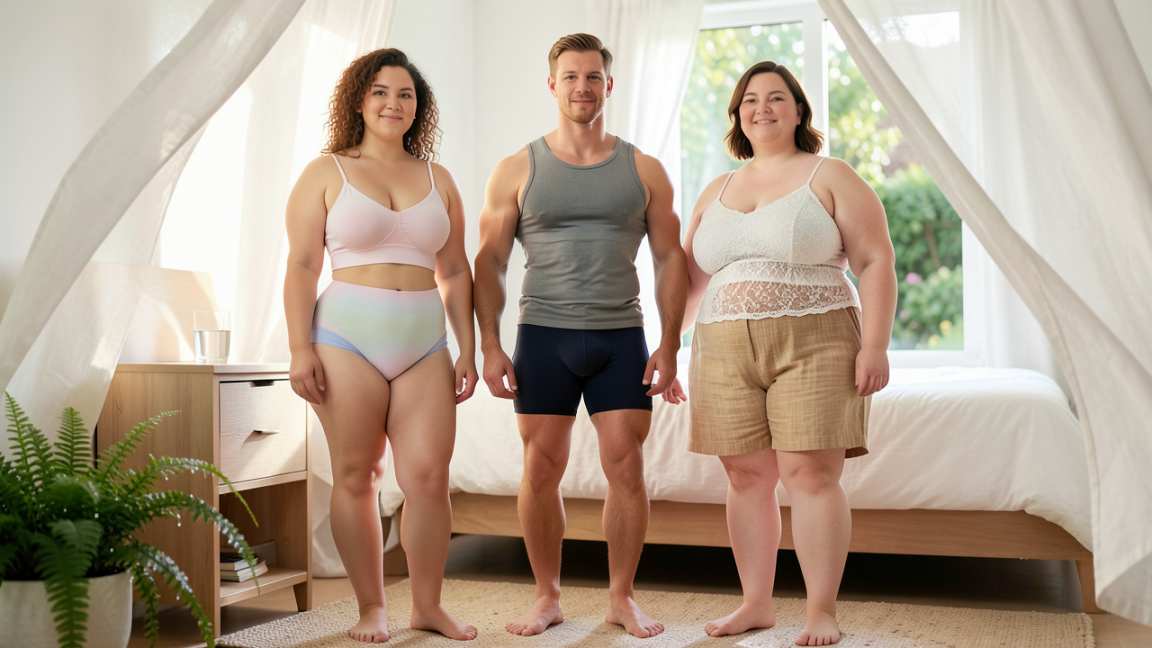
Body shape influences sweat distribution. People with larger body types often sweat more in fold areas like the underbust, inner thighs, and underarms. Leaner body types may sweat evenly but produce less total moisture. Curvier body types experience more friction in certain zones, which increases heat and moisture buildup.
Fabric choice matters because different materials handle moisture differently. Natural fibers like cotton absorb sweat but hold onto it. Synthetic fibers like polyester and nylon wick moisture away but can trap bacteria if not washed properly. The American Cleaning Institute reports that 90% of Americans wash their innerwear in warm or cold water, which affects how well odors are removed.
Important: A study in the Journal of Applied Microbiology found that synthetic fabrics retain more odor-causing bacteria than natural fibers. This means you need to wash synthetics more thoroughly to keep them fresh.
Body Type Freshness Needs
Lean and Athletic Body Types
If you have a lean or athletic build, you tend to sweat evenly across your body. Your sweat is often more watery and evaporates quickly. However, high activity levels mean you produce more sweat overall. Choose fabrics that wick moisture away from the skin. Look for polyester blends or nylon-spandex mixes. These materials dry fast and reduce chafing during movement.
For athletic body types, avoid 100% cotton for active wear. Cotton absorbs sweat and stays wet against the skin. This increases friction and can cause skin irritation. Instead, use moisture-wicking fabrics for workouts and cotton for rest days. Replace active innerwear every 6 months due to frequent washing.
Curvy and Plus-Size Body Types
If you have a curvy or plus-size body, you likely experience more sweating in fold areas and friction zones. The underbust, inner thighs, and lower belly are common hotspots. Choose fabrics that reduce friction and manage moisture. Nylon and spandex blends offer stretch and shape retention. Bamboo fabric is naturally antimicrobial and soft against sensitive skin.
Fit is critical for curvy body types. Innerwear that is too tight traps sweat and increases irritation. Innerwear that is too loose causes friction and bunching. Look for seamless designs and wider bands that distribute pressure evenly. Replace your innerwear every 6 to 9 months if you notice fabric thinning.
Petite Body Types
If you have a petite frame, you may produce less total sweat, but proportion matters. Your innerwear needs to fit snugly without gaping. Cotton is a great choice for everyday wear because it is breathable and gentle. For active days, choose moisture-wicking synthetics that do not hold heat.
Petite body types often struggle with sizing. Many brands use standard measurements that do not fit shorter torsos. Look for brands that offer petite-specific sizes. Adjustable straps and hook closures help you get a custom fit. Replace innerwear every 12 months if you rotate your collection well.
Fabric and Fit Impact
The fabric you choose directly affects how fresh you stay through the day. Each material has unique properties for moisture management, breathability, and odor control. The table below compares the most common innerwear fabrics.
| Fabric | Best Body Type | Freshness Benefit | Care Level | Replace Every |
|---|---|---|---|---|
| Cotton | Normal, Dry, Petite | Breathable, absorbs moisture | Easy – machine wash warm | 12 months |
| Polyester | Athletic, Active | Moisture-wicking, dries fast | Easy – machine wash cold | 6 months |
| Nylon/Spandex | Curvy, Plus-Size | Stretchy, reduces friction | Medium – hand wash or delicate | 9 months |
| Bamboo | Sensitive Skin, All Body Types | Antimicrobial, ultra-soft | Medium – machine wash cold | 12 months |
Fit is just as important as fabric. The wrong fit creates friction, traps moisture, and causes chafing. According to, proper innerwear care starts with choosing the right size. Ill-fitting innerwear rubs against the skin and creates micro-tears where bacteria can grow.
Warning: Wearing innerwear that is too tight can restrict blood flow and trap sweat against the skin. This increases your risk of yeast infections, folliculitis, and persistent body odor. Always choose a fit that allows some airflow.
Step-by-Step Freshness Routine
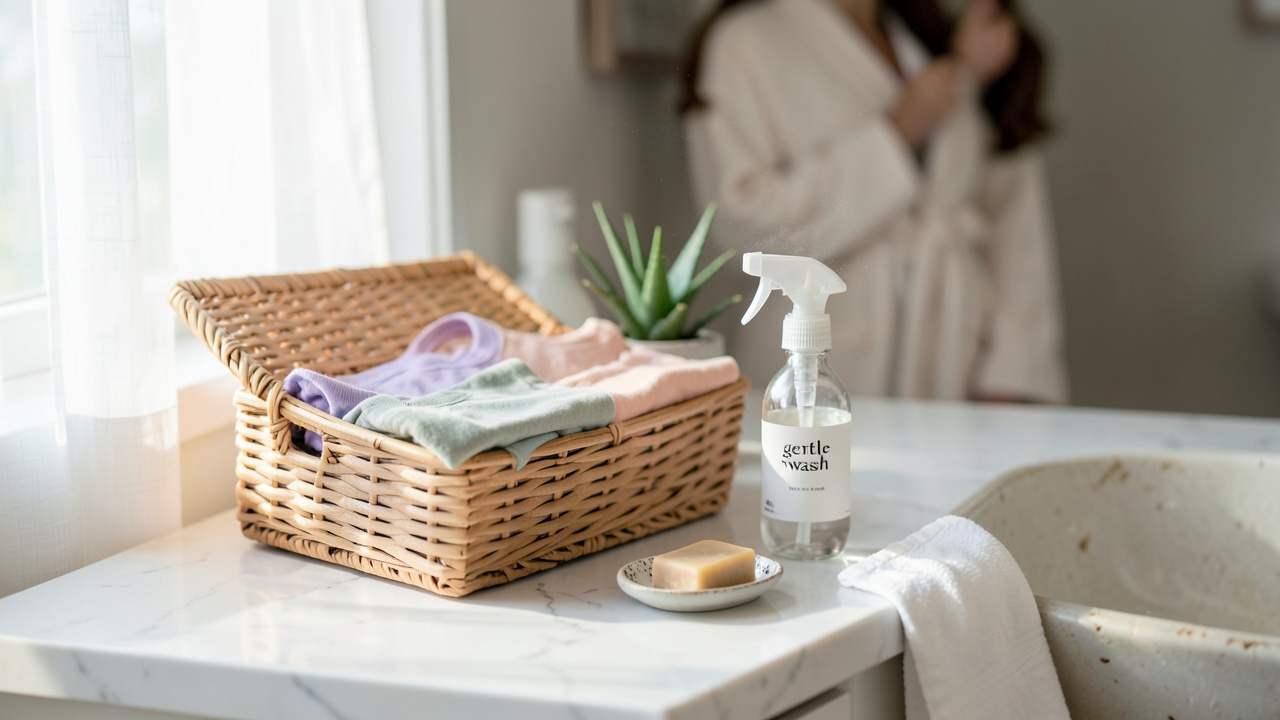
Follow this routine to keep your innerwear fresh based on your body type. Each step targets a specific freshness factor.
- Select the right fabric for your day. For rest days, choose cotton or bamboo. For active days, choose polyester or nylon blends. Match fabric to your activity level and body sweat zones.
- Wash after every single wear. The American Academy of Dermatology confirms that bacteria multiply quickly in worn innerwear. Even if it seems clean, wash it. Use cold water for synthetics and warm water for cotton and bamboo.
- Use an enzyme-based detergent. Enzyme detergents break down sweat proteins and oil stains that cause lingering odors. Regular detergents may not remove all bacteria from synthetic fabrics.
- Air dry when possible. High heat from dryers can break down elastic fibers, especially in nylon and spandex blends. Air drying preserves the fabric structure and keeps the fit snug longer.
- Rotate your collection. Having at least 7 to 10 pairs or pieces gives each item time to fully dry and air out between wears. This reduces moisture buildup and extends fabric life.
For curvy and plus-size body types, add an extra step. Use a gentle laundry bag for items with hooks or straps. This prevents snagging and maintains the shape of stretch fabrics. For athletic body types, pre-soak sweaty innerwear in cold water with a splash of white vinegar before washing. This neutralizes odor without damaging the fabric.
Costs and Timeline
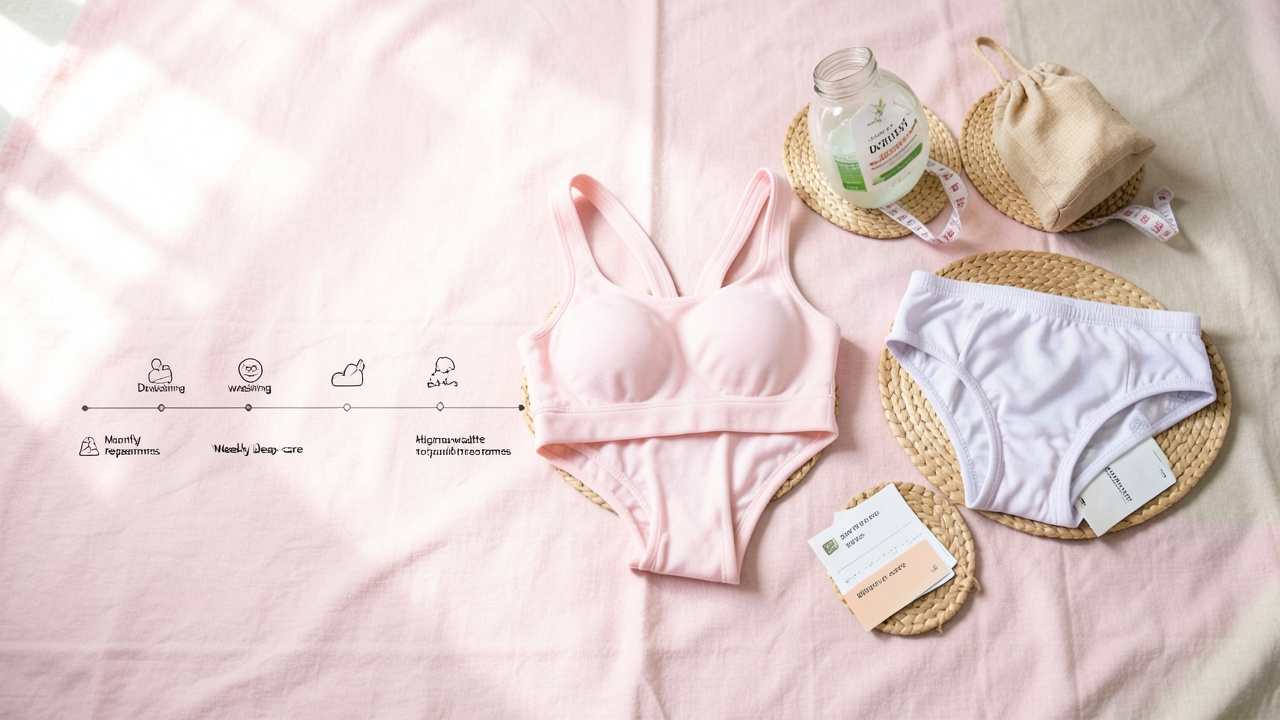
Investing in quality innerwear saves money over time because better fabrics last longer. The table below shows typical costs and replacement timelines based on body type needs.
| Item | Average Cost | Lifespan | Best For |
|---|---|---|---|
| Cotton Briefs | $5-$15 per pair | 12-18 months | Normal and dry body types |
| Nylon/Spandex Bralettes | $15-$30 each | 9-12 months | Curvy and plus-size body types |
| Polyester Performance Boxers | $10-$25 per pair | 6-9 months | Athletic and active body types |
| Bamboo Trunks | $12-$20 per pair | 12-18 months | Sensitive skin and all body types |
Wash costs are minimal. Enzyme detergents cost rough $10 to $15 per bottle and last about two months with regular use. Air drying costs nothing. The total monthly investment for innerwear freshness is under $5 per month if you already own a good collection.
Tip: Replace your innerwear immediately if you notice fabric pilling, stretched elastic, or persistent odor even after washing. These are clear signs the fabric can no longer support freshness.
Common Myths vs Facts
There are several misconceptions about innerwear freshness for different body types. Here are the most common ones.
Myth: Cotton is always the best fabric for freshness.
Fact: Cotton is breathable but absorbs moisture and stays wet against the skin. For active body types or humid environments, moisture-wicking synthetics actually keep you fresher by pulling moisture away from the skin. Cotton works best for low-activity days on normal body types.
Myth: One pair of innerwear can last all day if you use a panty liner.
Fact: Panty liners trap moisture against the body and reduce airflow. They do not address the bacteria that grow on the fabric itself. The American Academy of Dermatology recommends changing innerwear at least once daily regardless of liners.
Myth: Washing in hot water kills all bacteria and keeps innerwear fresh.
Fact: Hot water kills bacteria but damages elastic fibers in nylon, spandex, and polyester. The American Cleaning Institute recommends cold water for synthetics and warm water for cotton. Enzyme detergents work well in cold water and remove sweat proteins effectively.
Pro Tips
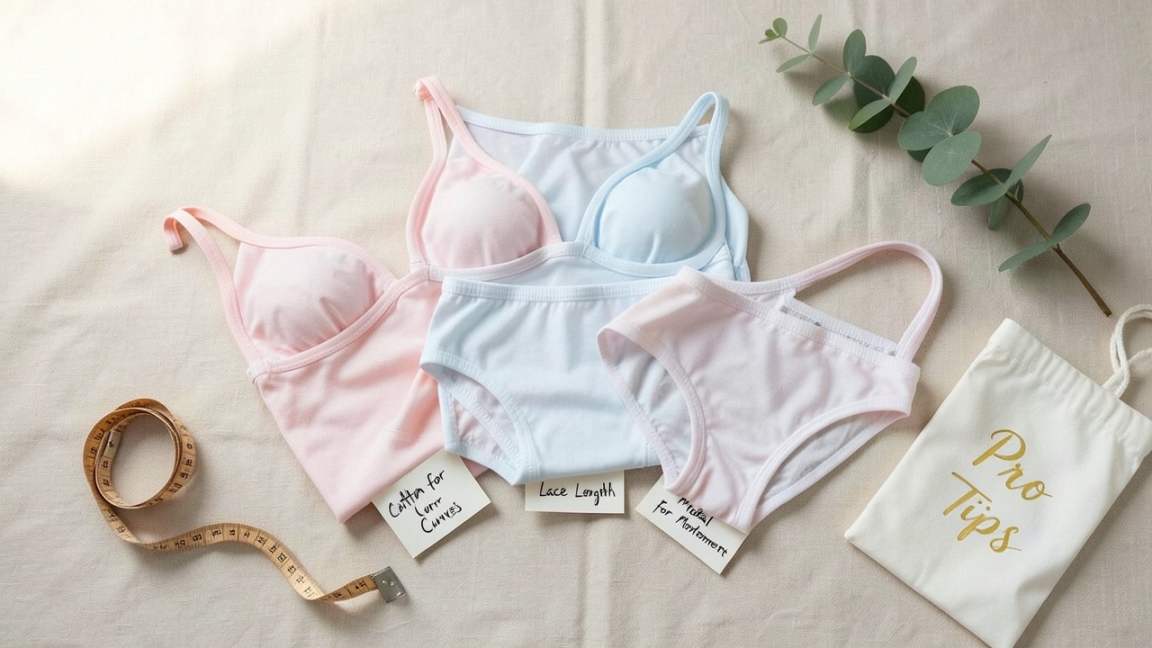
These expert-level tips take your innerwear freshness to the next level, tailored for different body types.
- Use a sports detergent for active body types. Sports detergents contain special enzymes that break down sweat proteins and oils. They work better than standard detergents for removing deep-set odors from polyester and nylon fabrics.
- Store innerwear in a breathable drawer or basket. Avoid plastic bins that trap moisture. Cotton or linen drawer liners allow airflow and prevent mildew growth. This is especially important for curvy body types who live in humid climates.
- Do a weekly vinegar soak for stubborn odors. Mix one part white vinegar with four parts cold water. Soak innerwear for 15 minutes before regular washing. This neutralizes bacteria without damaging the fabric elasticity.
- Rotate bras and bralettes for 48 hours between wears. Elastic needs time to recover its shape. Letting your innerwear rest for a full day between wears extends its lifespan and maintains the fit that keeps you fresh.
- Choose seamless options for friction-prone body types. Seams cause chafing in curvy and plus-size body types. Seamless innerwear reduces friction points and prevents heat buildup in fold areas. It also creates a smoother silhouette under clothing.
Resources and Tools
Use these resources to find the best innerwear for your body type and maintain freshness.
- American Academy of Dermatology – Skin care guidelines for fabric and hygiene.
- American Cleaning Institute – Laundry best practices for different fabrics.
- Fabric Link – A fabric encyclopedia with care instructions for over 300 materials.
- Seamless Sizing Guide by Understance – A body-type-specific fit guide for innerwear.
- Laundry Love by Patric Richardson – A book covering gentle care for delicate fabrics.
Frequently Asked Questions
How often should I replace my innerwear for optimal freshness?
Replace cotton innerwear every 12 to 18 months and synthetic innerwear every 6 to 9 months. If you notice pilling, loose elastic, or a persistent odor that does not wash out, replace it immediately regardless of the timeline.
Does body type really affect sweat and odor patterns?
Yes. According to the Journal of Applied Microbiology, sweat composition and distribution vary by body size and shape. Curvy body types tend to sweat more in fold areas, while lean body types sweat more evenly. Your fabric choice should match your sweat zones.
Can I use fabric softener on innerwear?
Fabric softener coats fibers and reduces moisture-wicking ability in synthetic materials. It also breaks down elastic over time. Use a half-cup of white vinegar in the rinse cycle instead. It softens fabric naturally without damaging performance properties.
What is the best way to remove yellow stains from white innerwear?
Yellow stains are caused by sweat proteins and deodorant buildup. Soak affected items in a mixture of cold water and oxygen bleach for one hour before washing. Avoid chlorine bleach because it weakens elastic fibers and causes yellowing over time.
Is it safe to wear innerwear twice before washing?
The American Academy of Dermatology advises against wearing innerwear twice without washing. Even if it appears clean, bacteria and sweat residue accumulate on the fabric. Wearing it again increases your risk of skin irritation and infection.
Final Thoughts
Your body type determines your freshness needs, so choose fabrics and fits that match your unique sweat and friction patterns. A consistent wash routine with enzyme detergent and air drying keeps your innerwear fresh and extends its lifespan. Replace your collection regularly and listen to your skin – if something feels off, change your fabric or fit.