Why Humid Weather and Underwear Smell Is Important for Comfort
The connection between humid weather and underwear smell directly impacts daily comfort because high moisture prevents sweat evaporation, allowing skin bacteria to break down protein-rich apocrine sweat into volatile odor compounds. Understanding this biological process is essential for selecting moisture-wicking fabrics like merino wool or synthetic blends that reduce bacterial growth and accelerate drying. Readers can apply this knowledge to improve hygiene routines and maintain comfort even in high humidity by changing underwear more frequently and avoiding tight non-breathable materials.
Understanding the root of this problem is the first step to solving it. The smell is not caused by sweat itself but by bacteria living on your skin.
Your body has two types of sweat glands: eccrine and apocrine. Apocrine glands, found in areas like the groin, release sweat rich in proteins and lipids. When humidity is high, this sweat cannot evaporate. It sits on your skin and in your underwear.
Important: According to the Journal of Investigative Dermatology, the human body has between 2 and 4 million sweat glands. Their activity increases directly with temperature and humidity.
Bacteria like Staphylococcus and Corynebacterium feed on these proteins and lipids. They break them down into smaller, volatile compounds. These compounds are what creates the distinct, sometimes sour, smell in your underwear.
How Does Humidity Make the Smell Worse?
Why Humid Weather and Underwear Smell Is Important for Comfort starts with understanding the physics of moisture. Humidity is the amount of water vapor in the air. When the air is already full of moisture, your sweat cannot evaporate.
Evaporation is your body’s natural cooling system. It also removes moisture from the surface of your skin and clothing. Without evaporation, your underwear stays wet for hours.
The National Oceanic and Atmospheric Administration (NOAA) defines high humidity as a dew point over 60 degrees Fahrenheit. In these conditions, the skin stays damp almost constantly.
- Wet fabric creates a warm, dark environment perfect for bacteria.
- Bacteria multiply much faster in these conditions than dry ones.
- The longer moisture sits, the stronger the odor becomes.
- Friction from damp clothing can also irritate the skin.
Warning: Ignoring persistent dampness in the groin area can lead to skin maceration and increase the risk of fungal infections like jock itch.
Why Is This Important for Your Daily Comfort?
Comfort is not just physical. It is deeply connected to your mental state and social confidence. Why Humid Weather and Underwear Smell Is Important for Comfort becomes clear when you consider the anxiety it can cause.
People often worry about odor in social or professional settings. A survey by the International Dermal Institute found that body odor is a top concern for social confidence among adults. When you worry about how you smell, you cannot focus on your work or enjoy your time with friends.
Wearing the wrong underwear in a humid climate directly causes this worry. The constant fear of odor reduces your quality of life. It can make you avoid exercise, social gatherings, or close interactions.
- It creates a constant mental distraction during the day.
- It can lead to avoidance of physical activity.
- It strains personal and professional relationships.
- It reduces your self-esteem in public settings.
What Are the Best Fabrics for Humid Weather?
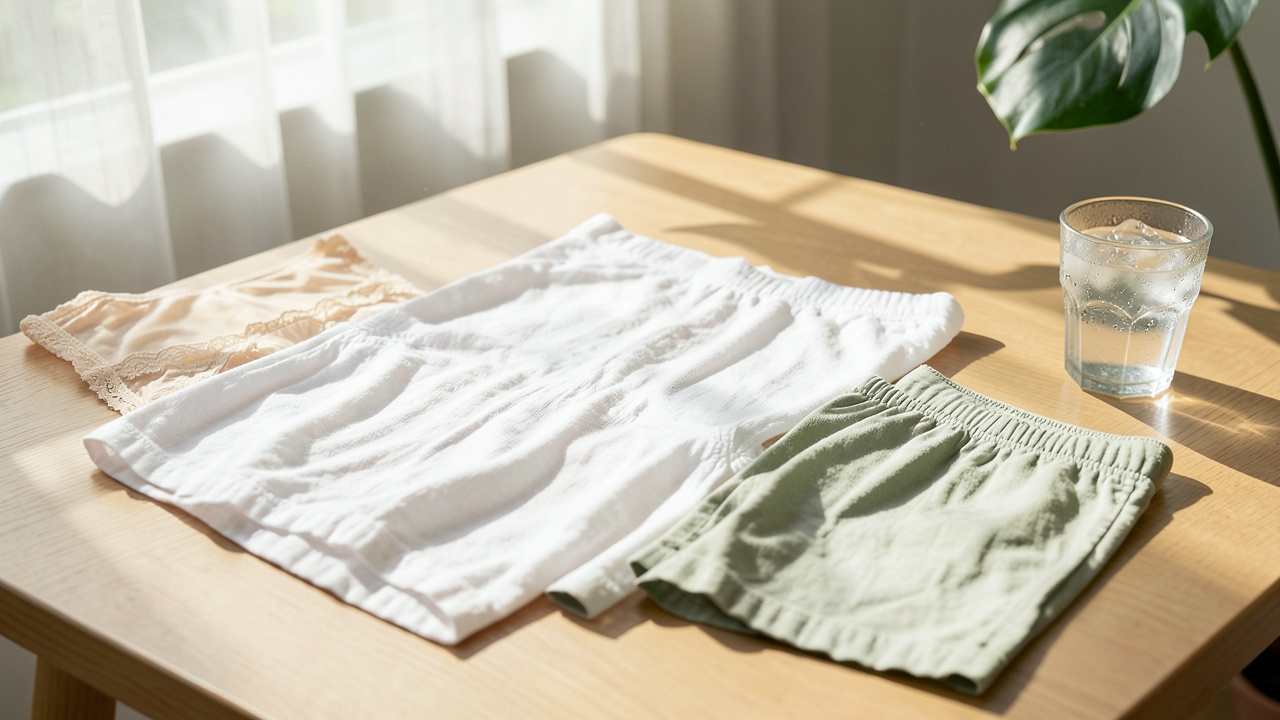
Choosing the right fabric is the most effective way to control moisture. Your fabric choice directly determines how much bacteria can grow. Here is how different materials perform.
| Fabric Type | Moisture Wicking | Odor Control | Best Use Case |
|---|---|---|---|
| Cotton | Poor (holds moisture) | Poor (breeds bacteria) | Low activity, dry climates |
| Polyester (Standard) | Good (fast-drying) | Fair (traps oils) | High-intensity sports (short wear) |
| Merino Wool | Excellent (absorbs + wicks) | Excellent (natural antimicrobial) | Travel, all-day wear, sensitive skin |
| Nylon/Spandex Blends | Good (lightweight) | Good (requires anti-odor tech) | Everyday humidity |
| Bamboo Rayon | Good (soft and absorbent) | Good (natural antibacterial) | Eco-conscious buyers |
Blends that include moisture-wicking technology or antimicrobial treatments like silver ions are best for hot, humid environments. They pull sweat away from the skin and stop bacteria from multiplying.

How to Prevent Odor and Stay Comfortable
You can take practical steps to manage this problem. These strategies combine fabric technology with good hygiene habits. Follow these steps to stay fresh in any climate.
- Choose the right fabric. Skip cotton for days with high humidity. Pick synthetic blends or Merino wool.
- Change underwear twice a day. Carry a spare pair if you will be out for long hours. This limits bacteria growth.
- Wash with oxygen-based detergents. These break down organic residue that sticks to synthetic fibers. Standard detergents often fail here.
- Avoid fabric softeners. They coat synthetic fibers with a thin layer that traps oils and bacteria. This makes the smell worse over time.
- Use a laundry sanitizer. Products with ammonium compounds kill 99.9% of bacteria in cold water washes.
Tip: Soaking smelly synthetic underwear in a solution of white vinegar or baking soda for 30 minutes before washing can neutralize deep-set odors.
Common Myths vs Facts
Many people believe wrong things about sweat and smell. These myths often lead to bad choices in fabric and hygiene. Let us clear them up.
- Myth: You only smell if you are dirty or do not shower. Fact: Fresh sweat is odorless. The smell comes from bacteria breaking down the sweat. Showering helps but bacteria return fast in humidity.
- Myth: Cotton is always the best choice for sensitive skin. Fact: Cotton holds wetness against the skin. This increases friction and the risk of rashes. Merino wool or technical synthetics are often better for sensitive skin in humid climates.
- Myth: Deodorant stops you from sweating. Fact: Deodorants kill bacteria and mask smell. Antiperspirants block sweat ducts. Neither fixes the core issue of trapped moisture in your underwear.
Frequently Asked Questions
Why does my underwear smell even after I wash it?
Bacteria and sweat oils get trapped in synthetic fibers like polyester. Regular detergent often fails to break down these oily residues. You need an oxygen-based detergent or a laundry sanitizer to remove them completely.
Does antiperspirant help with underwear smell?
Antiperspirant reduces sweat production in the area you apply it. It can help reduce general moisture. However, it does not control the bacteria trapped in your underwear fabric itself.
Is cotton or polyester worse for odor in humid weather?
Both have drawbacks. Cotton holds moisture and keeps the skin wet. Standard polyester traps oils from your skin that bacteria love to eat. Merino wool or specially treated synthetic blends are better choices for odor control.
How often should I change my underwear in high humidity?
You should change at least once per day. In extremely humid conditions, changing twice a day is wise. If your underwear feels damp, change it. This prevents the bacteria responsible for smell from multiplying.
Can my diet affect how my sweat smells?
Yes. Foods like garlic, onions, curry, and red meat can change the composition of your sweat. These compounds are released through your sweat glands. This can mix with bacteria to create different, often stronger, odors.
Resources and Tools
Lysol Laundry Sanitizer – Kills 99.9% of bacteria that create odor in synthetic fabrics.
Patagonia Capilene Cool Daily Boxers – High-quality moisture-wicking synthetics tested for odor resistance.
Unbound Merino – Premium Merino wool underwear known for natural odor control.
OxiClean Odor Blasters – Oxygen-based stain and odor remover effective on trapped bacteria odors.
Final Thoughts
Managing odor in humid weather is a direct path to better daily comfort and confidence. The key is to pick moisture-wicking fabrics and use proper washing techniques. Understanding Why Humid Weather and Underwear Smell Is Important for Comfort helps you make choices that improve your physical and social well-being.