Why Odor-Resistant Fabric Technology Is Important for Comfort
Odor-resistant fabric technology is important for comfort because it uses antimicrobial agents like silver or zinc to inhibit bacterial growth that causes body odor, keeping clothes fresh longer. This directly enhances psychological and social comfort by eliminating worry about smell, while also improving physical comfort through moisture-wicking properties that reduce skin irritation. Practical benefits include less frequent laundering, which extends garment lifespan and conserves water and energy, making this technology a key factor in daily wear satisfaction.
Do you notice how synthetic gym clothes smell strong after just one workout? This article explains how odor-resistant fabric technology works and why it directly improves your daily comfort.
Simply put, odor-resistant fabric technology uses antimicrobial agents like silver or zinc to stop the bacteria that cause body odor from growing. This keeps clothes smelling fresh much longer than regular fabrics. It directly enhances comfort by removing the worry of smelling bad and reducing the need for constant washing.
Key Takeaways
- Odor-resistant fabric technology blocks the growth of microbes that cause smells, keeping clothes fresh for longer periods.
- This technology is most effective when combined with moisture-wicking fabrics that pull sweat away from your skin.
- Natural fibers like merino wool offer inherent odor resistance, while synthetic fibers need chemical or physical treatments to gain this property.
- Reducing laundry frequency through odor resistance extends the life of your garments and saves water and energy.
- Choosing the right odor-resistant fabric depends on your activity level, skin sensitivity, and the specific conditions you face.

How Does Odor-Resistant Fabric Technology Work?
Understanding the science behind smell helps you appreciate why this technology matters. Body odor happens when bacteria on your skin break down sweat and dead skin cells. These bacteria produce waste, and that waste creates the foul smell.
Odor-resistant fabrics stop this process in two main ways. The first method uses antimicrobial agents directly on the fabric. The second method uses the physical structure of the fabric to remove the bacteria’s food source.
Important: Most quality odor-resistant textiles use a combination of both methods. They treat the fibers with chemicals like silver or zinc and then weave the fabric to maximize airflow and moisture evaporation.
Antimicrobial Treatments
Manufacturers apply antimicrobial agents to the fabric during production. These agents kill or stop the growth of odor-causing bacteria. The most common treatments include:
- Silver ions – Silver is a natural antimicrobial. It disrupts the cell membranes of bacteria, stopping them from multiplying. According to the, their silver-based treatment reduces bacteria by over 99% on fabric surfaces.
- Zinc oxide – This mineral creates a hostile environment for microbes. It is often used in underwear and everyday clothing because it is gentle on sensitive skin.
- Chitosan – This is a biobased treatment made from shellfish shells. It stops microbial growth without using heavy metals.
Physical Fabric Structure
The way a fabric is woven also plays a big role in odor control. Moisture-wicking fabrics pull liquid sweat away from your skin. They spread it across a larger surface area so it evaporates faster. When bacteria have less moisture, they cannot grow as quickly. Synthetic fibers like polyester and nylon are naturally hydrophobic, meaning they repel water. This makes them excellent for wicking but poor for odor resistance without treatment.

Why Is Odor-Resistant Fabric Technology Important for Comfort?
Comfort is not just about how a fabric feels against your skin. It is also about how the fabric makes you feel emotionally and socially. Why Odor-Resistant Fabric Technology Is Important for Comfort goes beyond simple hygiene. It affects three key areas of your life.
Psychological Comfort
Smelling bad makes people feel self-conscious. It distracts you from your workout, your work, or your social interactions. When you know your clothes can handle a full day of activity without trapping odors, you relax. You focus on what you are doing, not on how you smell. This mental freedom is a huge part of why people invest in this technology.
Physical Comfort
Odor-resistant fabrics almost always come with better moisture management. When sweat evaporates quickly, your skin stays dry. Dry skin prevents chafing and irritation. You also avoid the sticky, damp feeling that comes with regular cotton shirts during exercise. According to a study by, nearly 75% of activewear consumers say odor control is a top factor in their purchase decisions.
Social Comfort
You can wear a merino wool base layer for a week on a hiking trip without offending your tent mates. You can go straight from a lunchtime gym session to an afternoon meeting. Odor resistance makes multi-use clothing practical. It reduces the need to change clothes constantly.
Tip: Look for the Polygiene or SilverShield logo when buying activewear. These certifications guarantee the fabric has been tested for long-lasting odor protection.
What Are the Different Types of Odor-Resistant Technologies?
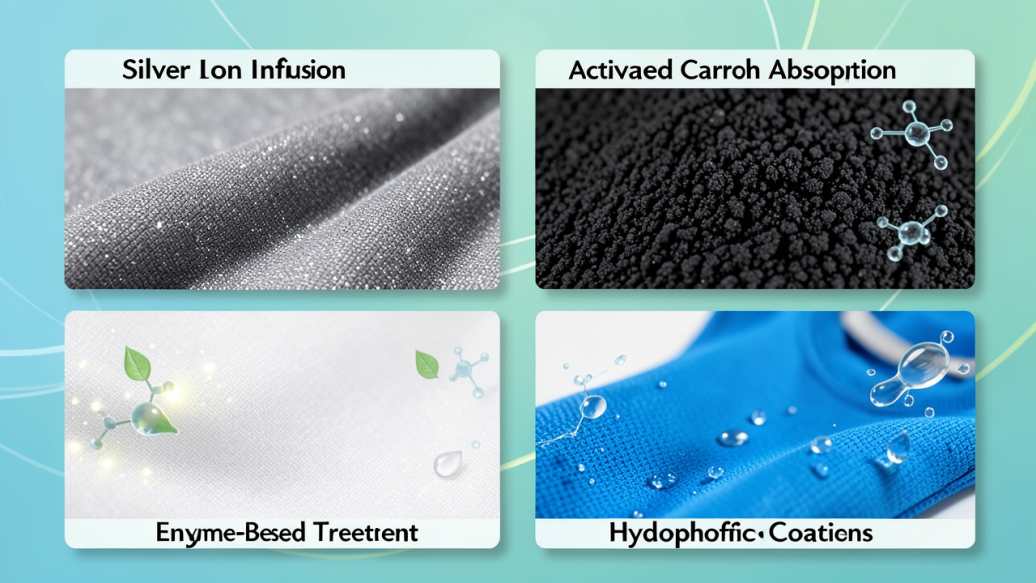
Not all odor-resistant fabrics are created equal. Some use heavy metal salts, while others rely on natural biopolymers. The table below breaks down the most common technologies used in clothing today.
| Technology | How It Works | Best For | Durability |
|---|---|---|---|
| Silver Particles (Polygiene) | Disrupts bacterial cell membranes | Activewear, socks, outerwear | High (50+ washes) |
| Zinc Oxide | Creates a toxic environment for microbes | Undergarments, everyday clothing | Medium (30-40 washes) |
| Chitosan (Biobased) | Stops microbial growth naturally | Eco-friendly apparel, baby clothes | Low-Medium (20+ washes) |
| Moisture-Wicking Weaves | Reduces the moisture bacteria need to grow | Running gear, activewear | High (Life of garment) |
| Activated Carbon | Absorbs odor molecules like a sponge | Work uniforms, tactical gear | Medium (Absorption capacity fills) |
Common Myths vs. Facts About Odor-Resistant Fabrics
Several misconceptions surround this technology. Knowing the truth helps you use your clothes better and choose the right products.
Myth 1: Odor-resistant fabrics never smell bad.
No fabric is completely immune to odors forever. The treatments resist the growth of bacteria, but they do not stop it completely. If you soak any shirt in sweat for hours, bacteria will eventually find a way to grow. Regular washing is still necessary.
Myth 2: You never need to wash odor-resistant clothes.
This is a dangerous myth. While the fabric may not smell, it still traps dirt, oils, and dead skin cells. These particles can clog the fibers and reduce the effectiveness of the antimicrobial treatment. Washing your clothes after every few wears keeps the technology working.
Myth 3: Antimicrobial treatments are harmful to your skin.
Major brands and testing labs verify the safety of these treatments. The FDA and the Environmental Protection Agency have approved silver and zinc for use in textiles. People with sensitive skin should look for zinc-based or chitosan treatments, which are very gentle.
Warning: Avoid using fabric softeners on odor-resistant activewear. Softeners coat the fibers and block the antimicrobial agents from working. This dramatically reduces the fabric’s ability to fight odors.

Who Benefits Most From Odor-Resistant Fabrics?
This technology is useful for a wide range of people. Some groups benefit more than others due to their lifestyle or profession.
- Athletes and gym-goers. If you exercise regularly, you know the problem of a sweaty gym bag. Odor-resistant gear lets you reuse your clothes for multiple workouts without washing.
- Hikers and outdoor enthusiasts. Packing light for a multi-day trip is easier when one shirt lasts the whole trip. Merino wool is the top choice for backpackers.
- Healthcare workers. Long shifts in scrubs create a breeding ground for bacteria. Odor-resistant fabrics help medical staff stay fresh during 12-hour days.
- Travelers and commuters. You can wear a shirt on a long flight and go straight to a meeting. This reduces luggage and saves time.
- Teenagers and active kids. Children play hard and sweat a lot. Odor-resistant socks and t-shirts keep their clothes wearable for longer.
How to Choose the Right Odor-Resistant Fabric
Picking the right fabric depends on your specific needs. Use this simple step-by-step guide to make a smart purchase.
- Identify your activity level. High-intensity sports need strong moisture wicking. Low activity like walking allows for natural fibers like cotton blends.
- Check the label for treatments. Look for terms like Polygiene, SilverShield, or zinc-based treatments. Avoid vague claims like “fresh technology” without details.
- Consider natural fibers first. According to, merino wool offers natural odor resistance because its fibers have a unique structure that repels sticky bacteria.
- Read user reviews about durability. Search for feedback on how the fabric performs after 6 months of use. Some treatments wash out faster than others.
- Test for skin sensitivity. Buy one item first and wear it for a full day. If you notice irritation, try a zinc-based or biobased option instead.

Resources and Tools
Use these resources to find verified odor-resistant clothing and learn more about the science behind it.
- Polygiene – The leading brand in silver-based antimicrobial treatments for apparel.
- Woolmark – The global authority on wool quality and natural odor resistance.
- ASTM International – Sets the E2149 standard for testing antimicrobial activity in textiles.
- REI Co-op – A major retailer that sells gear with verified odor-resistant technologies.
Frequently Asked Questions
Do odor-resistant fabrics really work?
Yes, they work very well when made correctly. Independent lab tests show that silver-based treatments can reduce bacterial growth by over 99% on fabric surfaces. The key is to follow the care instructions to keep the treatment active.
How long does the odor treatment last on clothes?
Most treatments last between 30 to 50 washes. Polygiene claims their treatment lasts the useful life of the garment under normal conditions. Washing in cold water and air drying helps preserve the technology.
Can I treat my own clothes at home for odor resistance?
Yes, you can use sprays designed for athletic gear. Brands like Febreze Sport and Nathan Sport Spray offer temporary solutions. These cannot match the durability of factory-applied treatments, but they help between washes.
Is wool better than synthetic fabrics for odor control?
Wool is naturally better at resisting odors than untreated polyester or nylon. The structure of wool fibers traps bacteria inside, where they get locked away until washing. Synthetics need chemical additives to compete with wool’s natural performance.
Are odor-resistant fabrics safe for people with eczema?
Most are safe, but you should choose carefully. Zinc oxide and chitosan treatments are very gentle and often recommended for sensitive skin. Avoid strong silver treatments if you have open cuts or severe eczema.
Final Thoughts
Why Odor-Resistant Fabric Technology Is Important for Comfort boils down to confidence and hygiene. It lets you move through your day without worrying about how you smell. Choosing the right fabric for your lifestyle makes a real difference in how you feel and how often you do laundry.