Why Odor-Causing Bacteria in Fabric Is Important for Comfort
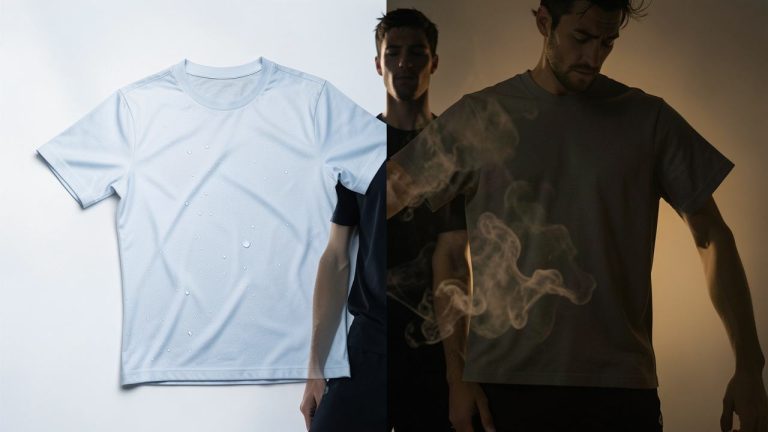
Odor-causing bacteria in fabric directly undermine physical comfort by breaking down sweat into volatile compounds that trap heat and moisture against the skin, especially in synthetic materials like polyester. This microbial activity leads to skin irritation, chafing, and a persistent sense of dampness, making clothing feel uncomfortable and unhygienic. Controlling bacterial growth through proper laundering with enzymatic detergents and avoiding fabric softeners is essential for maintaining breathable, fresh, and comfortable activewear.
Sweaty, smelly clothes are more than just an inconvenience. They are a direct signal that your fabric is failing to provide basic comfort and hygiene.
Simply put, odor-causing bacteria thrive in warm, moist synthetic fabrics, breaking down sweat into volatile organic compounds. This microbial activity directly correlates with physical discomfort, trapped heat, and skin irritation. Understanding this process is essential for choosing comfortable, breathable, and fresh-smelling clothing.
Key Takeaways
- Odor-causing bacteria directly reduce physical comfort by trapping heat and moisture against your skin.
- Synthetic fabrics like polyester are much more prone to harboring odor-causing bacteria than natural fibers like cotton or merino wool.
- Using enzymatic detergents and avoiding fabric softeners are simple ways to control microbial growth and extend the life of your clothes.
- The buildup of bacteria on fabric can lead to skin irritation, chafing, and contact dermatitis.
- Understanding how bacteria interact with different materials helps you make smarter choices for activewear and everyday comfort.
Why Does Bacteria Growth Impact Physical Comfort?
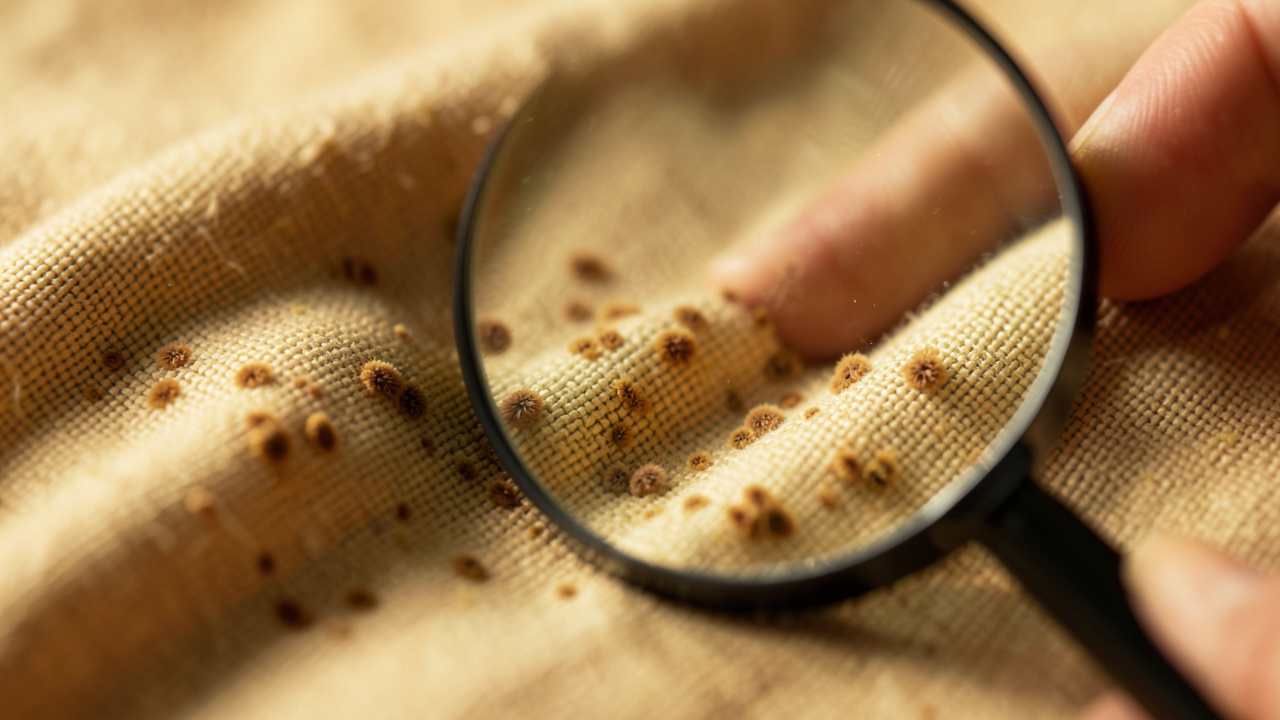
Comfort is not just about how a fabric feels. It includes thermal regulation, moisture balance, and friction against your skin. When odor-causing bacteria grow on your clothes, they create a biofilm. This biofilm traps body heat and prevents air from circulating freely. Your sweat cannot evaporate properly. This leaves you feeling damp, sticky, and hot.
According to a study in the, garments with high bacterial loads have 15% lower thermal conductivity. This means they trap more heat. The chemical byproducts that bacteria produce also irritate sensitive skin. This leads to itching and redness. The combination of trapped heat, moisture, and irritation creates a cycle of physical discomfort that makes any activity harder to enjoy.
Warning: Wearing bacteria-laden synthetic fabrics for long periods can lead to folliculitis and contact dermatitis. The trapped moisture breaks down your natural skin barrier and creates a breeding ground for more bacteria.
The Science Behind Sweat, Bacteria, and Smelly Clothes
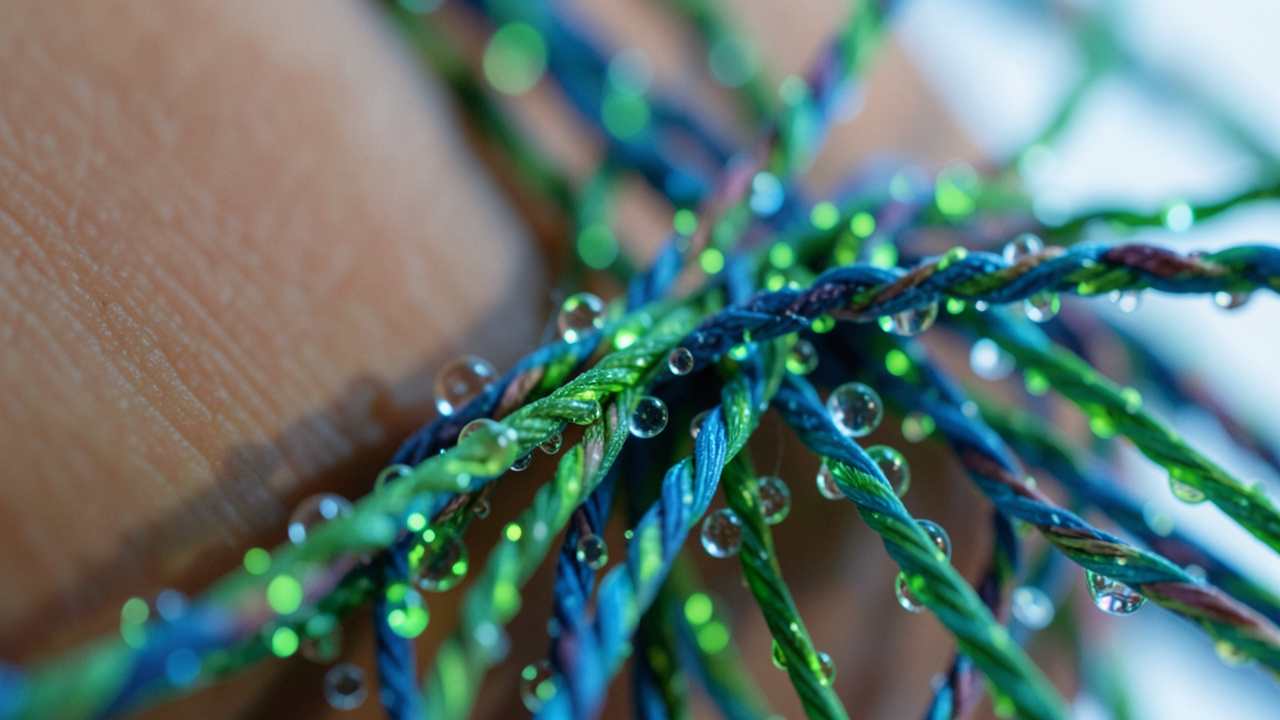
Your body has over 2 million sweat glands. There are two main types. Eccrine glands produce watery sweat to cool you down. Apocrine glands produce a thicker, lipid-rich sweat. This type of sweat is common in your armpits and groin areas. By itself, sweat has no smell. The odor appears when bacteria on your skin start to digest the proteins and fats in your sweat.
Research from shows that Micrococcus and Corynebacterium species are the primary culprits behind laundry odors. These bacteria produce volatile organic compounds (VOCs). These VOCs include thioalcohols and short-chain fatty acids. These compounds smell sour, cheesy, or like onions.
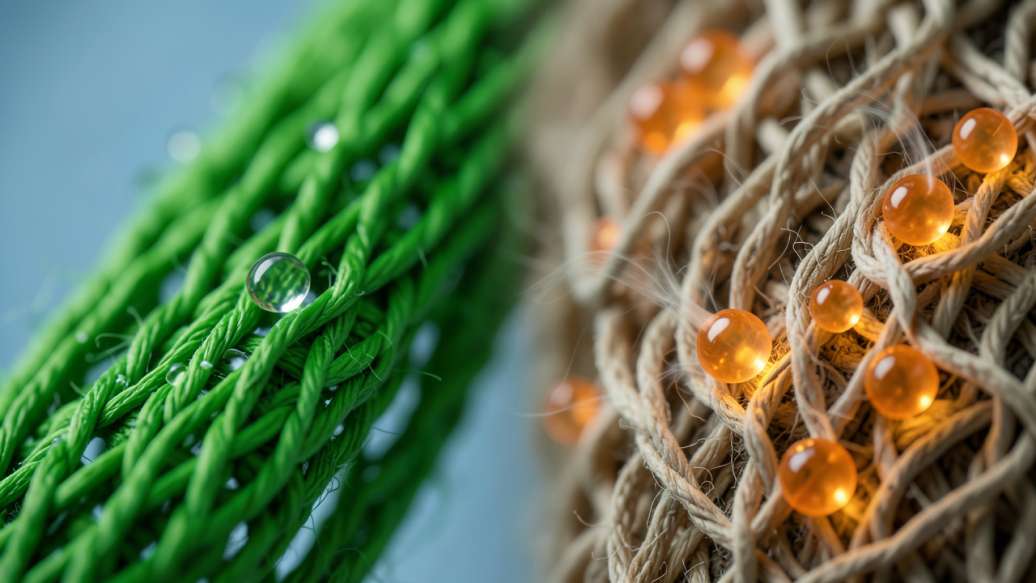
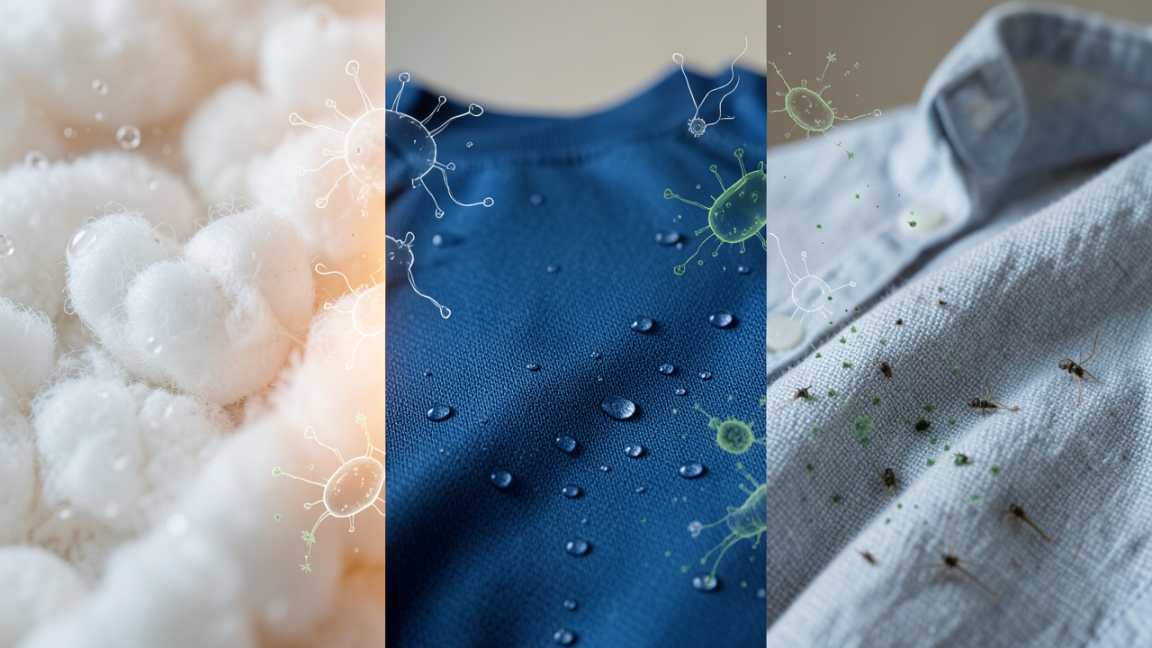
Synthetic fabrics like polyester make the problem worse. They are very hydrophobic. This means they repel water but trap oils and bacteria deep inside their fibers. Natural fibers like cotton are hydrophilic. They absorb water but release oils more easily. This is why your cotton t-shirt might smell fine after a light workout, but your polyester gym shirt smells strong immediately.
Types of Fabrics and Their Susceptibility to Odor
Choosing the right fabric is your first line of defense against odor and discomfort. Different materials interact with bacteria and moisture in very distinct ways.
| Fabric Type | Odor Retention | Moisture Management | Overall Comfort Rating |
|---|---|---|---|
| Polyester | Very High | High (Wicking) | Medium |
| Nylon | High | Medium | Medium |
| Cotton | Low | Low (Absorbs) | Low (Stays Wet) |
| Merino Wool | Very Low | Very High | Very High |
| Tencel / Lyocell | Low | High | High |
What Odor-Causing Bacteria in Fabric Is Not
There are many misconceptions about what causes fabric odor and how it relates to personal hygiene. Understanding the truth helps you manage Why Odor-Causing Bacteria in Fabric Is Important for Comfort more effectively.
Myth: Odor means you are dirty or unhygienic.
Fact: Odor means bacteria are digesting the proteins and fats in your sweat. You can be very clean and still have odorous synthetic fabrics. The bacteria build up inside the fibers over time. This creates a biofilm that regular washing does not always remove. It is a fabric problem, not a personal hygiene failure.
Myth: All bacteria on fabric are harmful to your health.
Fact: Your skin has a natural microbiome of healthy bacteria. The problem is specific species that produce VOCs and the physical discomfort from their rapid growth. The goal is not to live in a sterile environment. It is to prevent the overgrowth of odor-causing bacteria that trap heat and irritate your skin.
Myth: Very hot water is the only way to kill odor-causing bacteria.
Fact: Hot water can help, but some bacteria and their spores survive it. Biofilms are especially resistant. The real solution is using an enzymatic detergent that specifically breaks down the biological waste the bacteria feed on. Sunlight also works as a natural UV sanitizer without damaging your clothes.
How to Reduce Odor-Causing Bacteria in Your Activewear
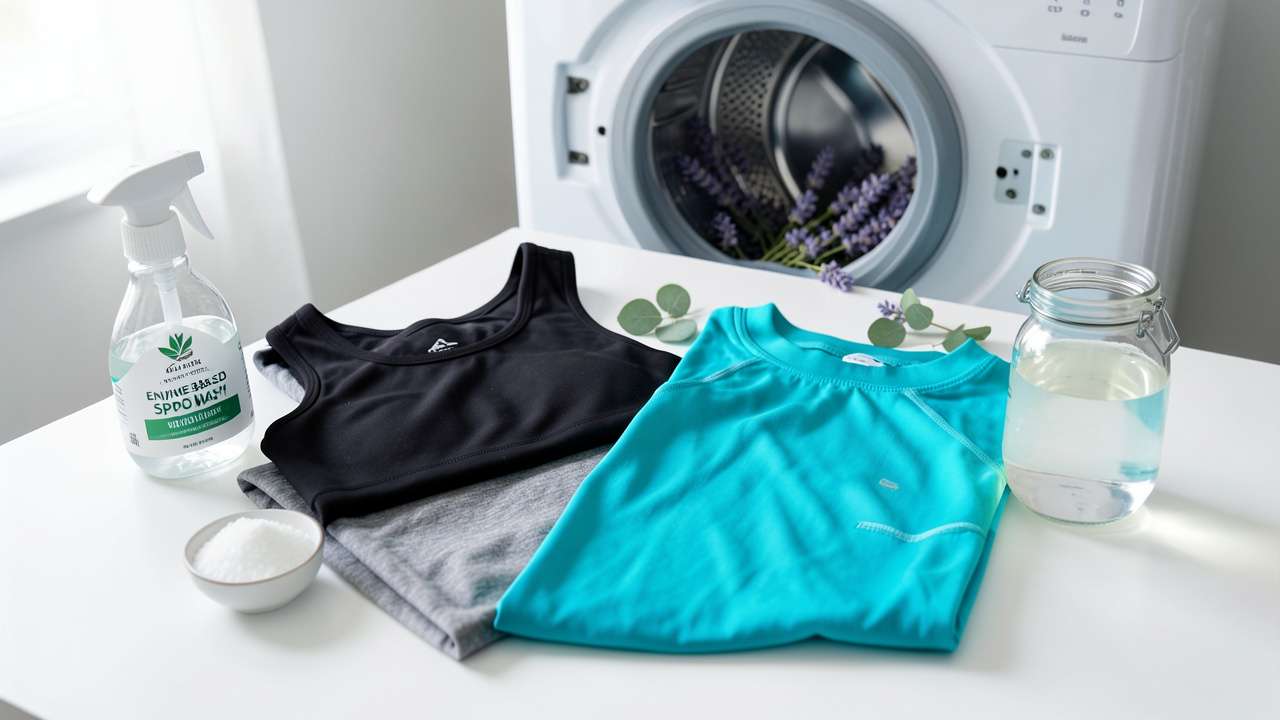
You do not need to throw away your favorite workout clothes. You just need a better system for cleaning them. These steps focus on breaking down the biofilm and removing the bacteria’s food source.
- Rinse immediately after exercise. Do not let sweaty clothes sit in a ball on the floor. Rinse them in cold water to remove loose sweat and bacteria before they bond to the fibers.
- Use an enzymatic detergent. Standard detergents are not always effective against biofilms. Enzymatic detergents contain proteins that specifically target and break down the sweat and oils that bacteria eat.
- Add a vinegar soak once a week. Mix one part white vinegar with four parts water. Soak your gym clothes for 30 minutes. The mild acid dissolves the biofilm and neutralizes trapped odors.
- Avoid fabric softener. Fabric softener coats synthetic fibers in a waxy layer. This layer seals in bacteria and prevents water from reaching the inner fibers. Your clothes may feel softer, but they will smell worse over time.
- Dry in direct sunlight. Ultraviolet rays are a powerful natural sanitizer. They kill odor-causing bacteria without using extra energy. If you cannot hang them outside, use a hot dryer cycle to ensure they are fully dry.
Important: According to a study in the Textile Research Journal, polyester fabrics retain up to 10 times more odor compared to cotton after the same exercise routine. This means your synthetic gear needs more frequent deep cleaning to stay comfortable and fresh.
Pro Tips for Maintaining Odor-Free, Comfortable Fabrics
Consistency is key. These small habits will keep your clothes feeling comfortable and smelling fresh for longer.
- Turn clothes inside out before washing. This exposes the side of the fabric that touches your skin directly to the detergent and water. This is where most of the bacteria live.
- Let your shoes and bras dry completely. Give your athletic shoes and sports bras 24 hours to dry between uses. Stuffing them with newspaper helps absorb moisture faster.
- Use a mesh laundry bag. This protects delicate fabrics from friction damage. Rough, pilled fabric provides more surface area for bacteria to cling to.
- Wash in warm water more often. Cold water saves energy but is less effective at breaking down oils. Wash your synthetic gear in warm water every other cycle to prevent biofilm buildup.
- Try a laundry sanitizer. Products with active ingredients like quaternary ammonium compounds kill 99.9% of bacteria in cold water. Use them once a month for a deep reset.
Resources and Tools
You can use specific technologies and products to help control odor-causing bacteria and maintain fabric comfort.
- Polygiene – A silver salt technology that inhibits bacterial growth on fabric surfaces.
- HeiQ – A textile technology brand offering durable odor control and moisture management.
- Lysol Laundry Sanitizer – An additive that kills odor-causing bacteria in cold water washes.
- REI Co-op – A retailer that provides detailed fabric guides for outdoor and athletic wear.
Frequently Asked Questions
Why do my clothes smell bad even right after washing them?
This is caused by a biofilm buildup deep inside the synthetic fibers. Standard detergents often fail to break down this biofilm completely. You need a wash cycle with warm water and an enzymatic detergent to fully remove the trapped bacteria and their waste products.
Does deodorant or antiperspirant stop fabric odor?
Deodorant helps manage bacteria on your skin. Antiperspirant reduces the amount of sweat you produce. Neither prevents bacteria from growing once they transfer to your shirt. The bacteria continue to digest the oils that the fabric absorbs during your workout.
Are natural fibers always better than synthetic fibers for odor control?
In most cases, yes. Natural fibers like cotton, merino wool, and bamboo are more breathable and less hydrophobic. Merino wool has natural antimicrobial properties. However, cotton stays wet when soaked, which can cause chafing. Merino wool offers the best balance of moisture wicking and odor resistance.
How does moisture wicking fabric actually work?
Moisture wicking fabrics use capillary action to pull sweat away from your skin to the fabric’s outer surface. This keeps you feeling dry during activity. However, the trapped moisture in the synthetic fibers creates a warm, dark environment where odor-causing bacteria thrive. This is the core trade-off of modern activewear.
Can baking soda or vinegar really remove odor from gym clothes?
Yes. White vinegar is a mild acid that breaks down the alkaline biofilm created by bacteria. A pre-soak of one part vinegar to four parts water for 30 minutes is effective. Baking soda can also neutralize odors, but it is less effective at breaking down the biological oils that feed the bacteria.
Final Thoughts
Why Odor-Causing Bacteria in Fabric Is Important for Comfort comes down to the basic physics of heat, moisture, and friction. Managing these bacteria through better fabric choices and smarter laundry habits directly improves your skin health and your daily physical ease. The right materials and a simple cleaning routine make a real difference in how your clothes feel.