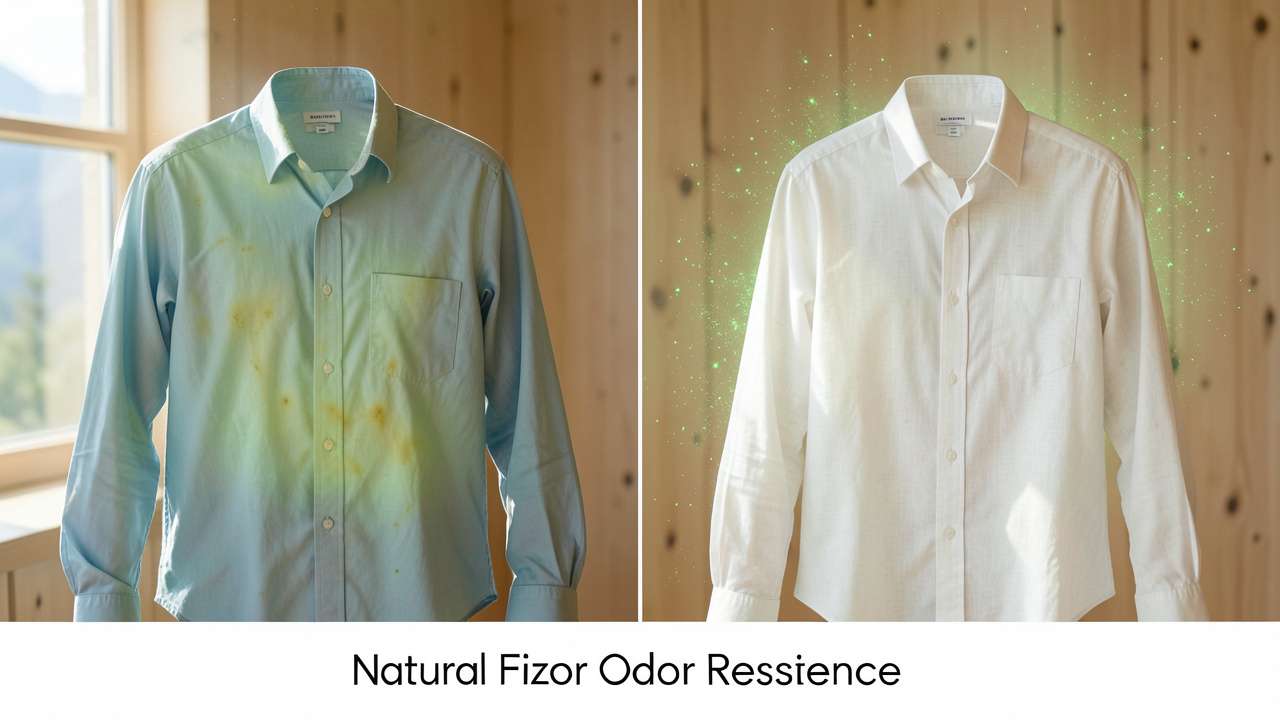
Why Natural Fiber Odor Resistance Matters More Than You Think
Natural fiber odor resistance matters because the porous structure of materials like wool and cotton prevents odor-causing bacteria from multiplying, unlike synthetic fabrics that trap sweat and oils. This inherent property reduces body odor, allows fewer washes, and lowers exposure to chemical antimicrobial treatments often added to synthetics. Choosing natural fibers also cuts laundry water and energy use, extending garment lifespan and benefiting both personal health and the environment.
Have you ever noticed how synthetic gym clothes smell terrible after just one workout? Natural fibers like wool and cotton handle body odor much better. This post explains why odor resistance matters for your comfort, health, and the environment.
Quick Verdict: Natural fibers resist odor because their structure prevents bacteria from thriving. They absorb moisture away from skin and release it quickly. This stops the bacteria that cause bad smells. Switching to natural fibers can reduce body odor, cut laundry loads, and lower your exposure to chemical treatments.
Odor resistance is not just about feeling fresh. It affects your health, your clothing’s lifespan, and the planet. Here are the key takeaways.
Key Takeaways
- Natural fibers like merino wool and cotton have inherent properties that prevent odor-causing bacteria from multiplying.
- Synthetic fabrics trap sweat and oils, creating a perfect environment for bacteria like Micrococcus and Staphylococcus.
- Wearing natural fibers can reduce the need for frequent washing, saving water and energy.
- Many natural fibers are biodegradable, so their odor-fighting benefits do not come at the cost of plastic pollution.
- Choosing natural fibers for activewear and everyday clothing can improve skin health by reducing irritation from trapped moisture.
How Does Natural Fiber Odor Resistance Work?
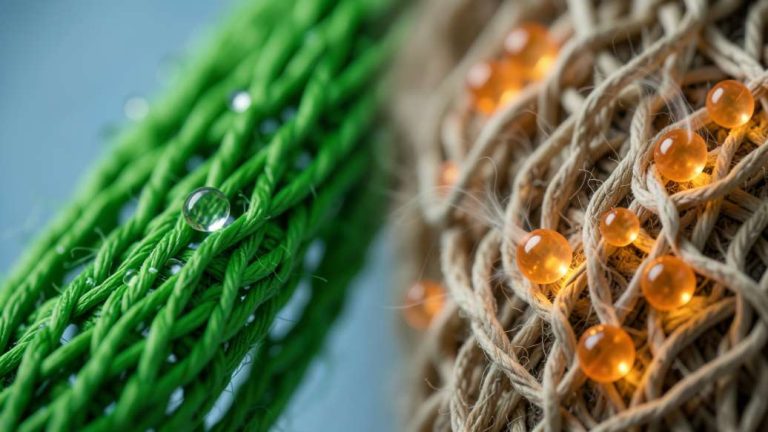
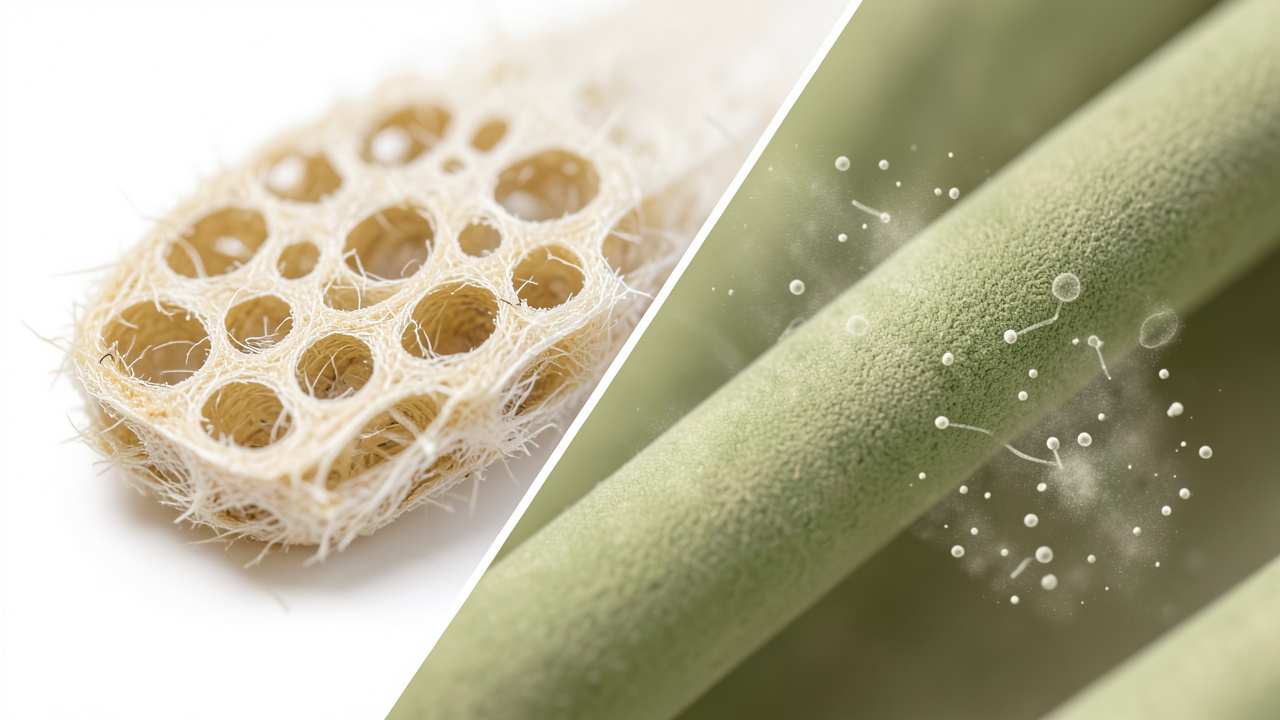
Natural fibers resist odor through a combination of physical structure and chemical properties. Natural fiber odor resistance works at the microscopic level.
Wool, for example, has scales that trap odor molecules and release them only when washed. According to the, wool can absorb up to 30 percent of its weight in moisture without feeling wet. This keeps your skin dry and reduces bacterial growth.
Cotton fibers contain cellulose, which does not provide nutrients for bacteria. A study from the found that cotton clothing harbors far fewer odor-causing bacteria than polyester after the same wear time.
Linen is naturally antimicrobial due to its plant-based compounds. Bamboo fibers have a porous structure that wicks moisture away faster than synthetics.
Why It Matters for Your Health
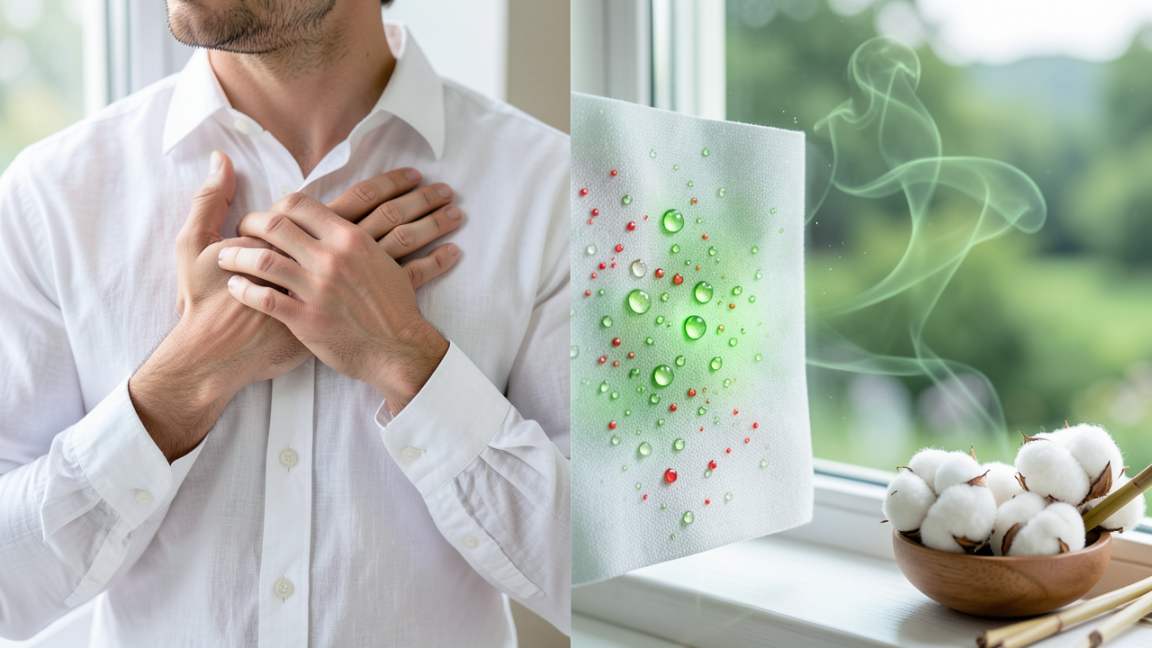
Your skin is your largest organ. Trapping sweat and bacteria against it can cause rashes, acne, and infections. Synthetic fabrics like polyester and nylon are hydrophobic. They repel water but trap oils and dead skin cells.
- Bacteria thrive in warm, moist environments. Synthetics create that condition.
- Natural fibers breathe, allowing air to circulate and moisture to evaporate.
- Reduced bacterial load means less body odor and lower risk of skin irritation.
Important: The reported a study from the University of Alberta showing that polyester shirts had ten times more odor-causing bacteria than cotton shirts after the same workout.
Why It Matters for the Environment
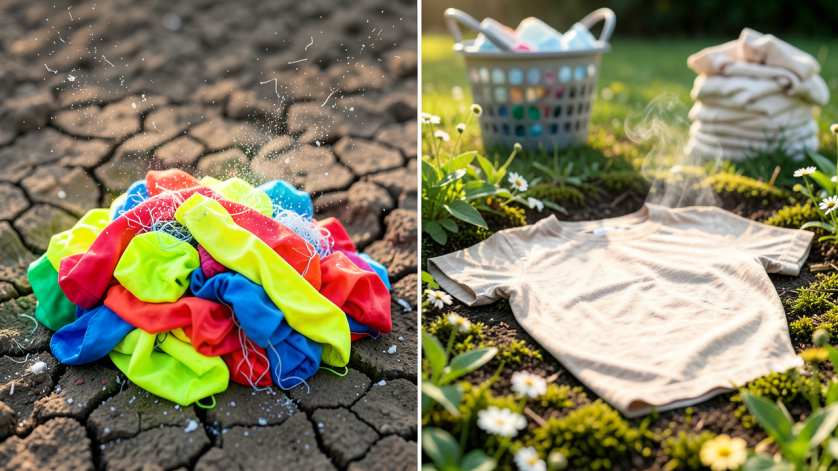
Odor resistance reduces laundry frequency. Less washing saves water, energy, and detergent. The states that the fashion industry produces 92 million tons of textile waste each year. Natural fibers break down naturally in landfills.
Synthetic fibers shed microplastics during washing. According to, a single load of polyester laundry can release up to 700,000 microplastic fibers. These particles end up in oceans and food chains. Natural fibers like wool and cotton do not shed microplastics and are renewable resources.
| Property | Merino Wool | Cotton | Polyester | Nylon |
|---|---|---|---|---|
| Odor after one day | Low | Low to moderate | High | High |
| Absorbs moisture | Yes (up to 30% of weight) | Yes | No (hydrophobic) | No (hydrophobic) |
| Antimicrobial properties | Natural lanolin | Cellulose base (low) | None | None |
| Breathability | Excellent | Good | Poor | Poor |
| Biodegradability | Yes (months in soil) | Yes | No (hundreds of years) | No |
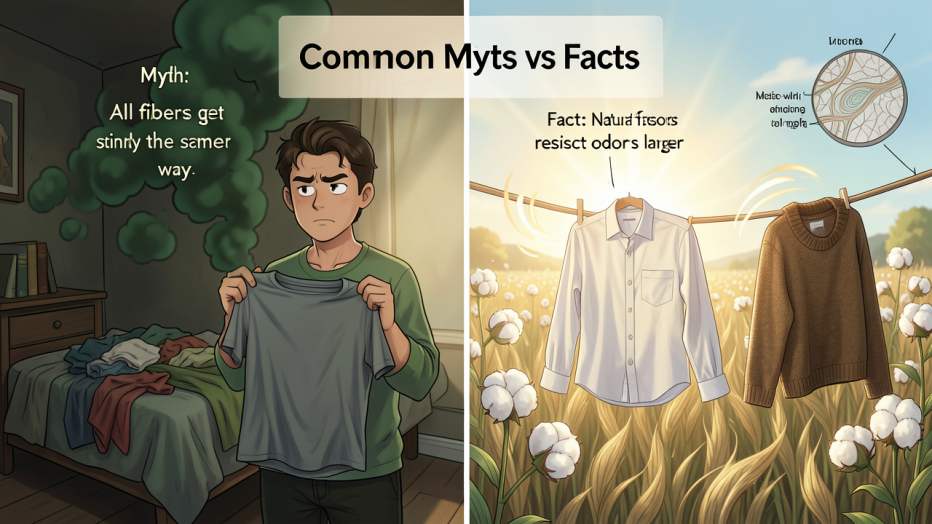
Common Myths vs Facts
Myth 1: Natural fibers do not resist odor at all
Fact: Many natural fibers, especially wool, have built-in antimicrobial properties. Merino wool contains lanolin, a natural wax that repels bacteria. Cotton and linen also resist odor through moisture management. A study from the confirmed that polyester retains up to 100 times more odor after washing than cotton.
Myth 2: All natural fibers smell the same after exercise
Fact: Different natural fibers handle sweat differently. Wool absorbs moisture and releases it slowly, preventing wetness next to skin. Cotton absorbs quickly but takes longer to dry. Linen dries fastest and has natural antifungal properties. The fiber structure determines final odor levels.
Myth 3: Synthetic fabrics with antimicrobial treatments are better
Fact: Synthetic fabrics are often treated with silver or triclosan to kill bacteria. These chemicals can wash out over time and may contribute to antibiotic resistance. Natural fibers maintain their odor resistance for the life of the garment without added chemicals.
Pro Tips for Maximizing Odor Resistance
- Wash natural fiber clothes less often. Air them out after each wear. This extends fabric life and reduces environmental impact.
- Use a gentle, pH-neutral detergent. Harsh chemicals strip natural oils from wool and damage cotton fibers.
- Avoid fabric softeners. They coat fibers with chemicals that trap odor and reduce breathability.
- Choose merino wool for activewear. It resists odor even after multiple wears. Many outdoor brands recommend it for multi-day trips.
- Dry natural fibers in the shade. Sunlight can kill residual bacteria naturally without heat damage.
Tip: If you switch to natural fibers for your workout gear, you may notice less odor after one week. This is because bacteria have fewer places to multiply. Your skin’s microbiome also benefits from better airflow.
Frequently Asked Questions
Do natural fibers really prevent odor?
Yes, natural fibers prevent odor by reducing the conditions bacteria need to thrive. Wool, cotton, and linen absorb moisture away from skin. They also release it quickly, keeping the fabric drier than synthetics. The published a study showing that wool T-shirts produced significantly less odor than polyester T-shirts after wear.
Which natural fiber is best for odor resistance?
Merino wool is the top choice. It combines high absorbency with natural antimicrobial lanolin. Cotton is good for everyday use but may not perform as well in high-sweat activities. Linen works well in hot weather due to its quick drying properties.
How often should I wash natural fiber clothes?
Natural fiber clothes need less frequent washing. You can wear merino wool shirts 3-5 times between washes. Cotton shirts typically last 2-3 wears. Always air them out after use. This reduces water and energy consumption.
Are treated synthetics ever okay?
Sometimes, but be aware of chemical additives. Antimicrobial treatments in synthetics can fade after 20-30 washes. They also contribute to environmental pollution. For most people, natural fibers offer a better long-term solution.
Can natural fibers cause allergies?
Some people are allergic to lanolin in wool. If you have sensitive skin, choose merino wool that is superwash treated or opt for organic cotton. Linen and hemp are also hypoallergenic options. Test a small area before buying large quantities.
Final Thoughts
Natural fiber odor resistance is a game-changer for your wardrobe and the planet. It reduces laundry needs, keeps you comfortable, and cuts plastic pollution from synthetic microfibers. Choose merino wool for activewear and cotton or linen for daily wear. Your skin and the environment will thank you.