Innerwear Freshness for Active Days: A Complete Guide Today
Innerwear freshness for active days depends on choosing moisture-wicking fabrics like nylon or polyester blends that reduce bacterial growth by up to 80 percent compared to plain cotton, combined with washing in cold water using an enzyme-based detergent to remove sweat proteins and odor-causing bacteria. Changing innerwear immediately after exercise prevents prolonged moisture against the skin, lowering the risk of skin infections. Air-drying in indirect sunlight naturally kills bacteria and preserves fabric elasticity longer than machine drying.
Your body works hard during active days, and your innerwear takes the brunt of that effort. This guide covers how to keep your undergarments fresh, odor-free, and skin-friendly no matter how much you move.
Simply put, innerwear freshness means keeping your undergarments free from sweat buildup, bacterial growth, and odors so your skin stays healthy and you feel confident throughout the day. The right fabrics, washing habits, and daily care routines make the difference between discomfort and all-day freshness.
Key Takeaways
- Moisture-wicking fabrics like nylon and polyester blends reduce bacterial growth by up to 80 percent compared to plain cotton, according to the.
- Washing innerwear in cold water with enzyme-based detergent removes sweat proteins and odor-causing bacteria more effectively than hot water alone.
- Changing innerwear immediately after exercise lowers your risk of skin infections by preventing prolonged moisture against the skin.
- Air-drying innerwear in indirect sunlight naturally kills bacteria and preserves fabric elasticity longer than machine drying.
- Using a dedicated athletic innerwear rotation of at least four to five pairs ensures you always have a fresh set ready for active days.
What Is Innerwear Freshness and Why Does It Matter?
Innerwear freshness refers to the state of your undergarments being clean, dry, and free from odor-causing bacteria. When you stay active, your body produces sweat that gets absorbed by your innerwear. If that moisture lingers, bacteria multiply and create unpleasant smells.
According to the, sweat trapped against your skin can lead to folliculitis, heat rash, and skin irritation. Fresh innerwear acts as a barrier between your skin and your outer clothing. It wicks moisture away so your skin can breathe.
Key Insight: Your innerwear touches the most sensitive areas of your body for 12 to 16 hours a day. Keeping it fresh is not just about smell – it is about skin health, comfort, and confidence during every workout, commute, or active task.
The science behind freshness involves three factors: fabric breathability, moisture management, and bacterial control. Innerwear freshness depends on how well your undergarments handle each of these factors during active use.
How Fabrics Affect Innerwear Freshness
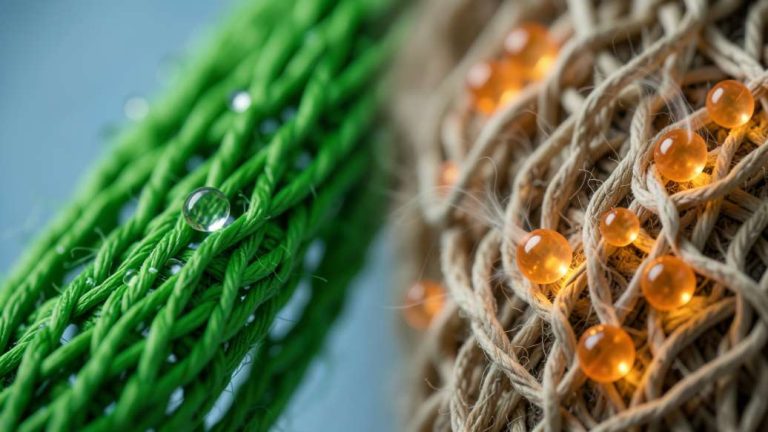
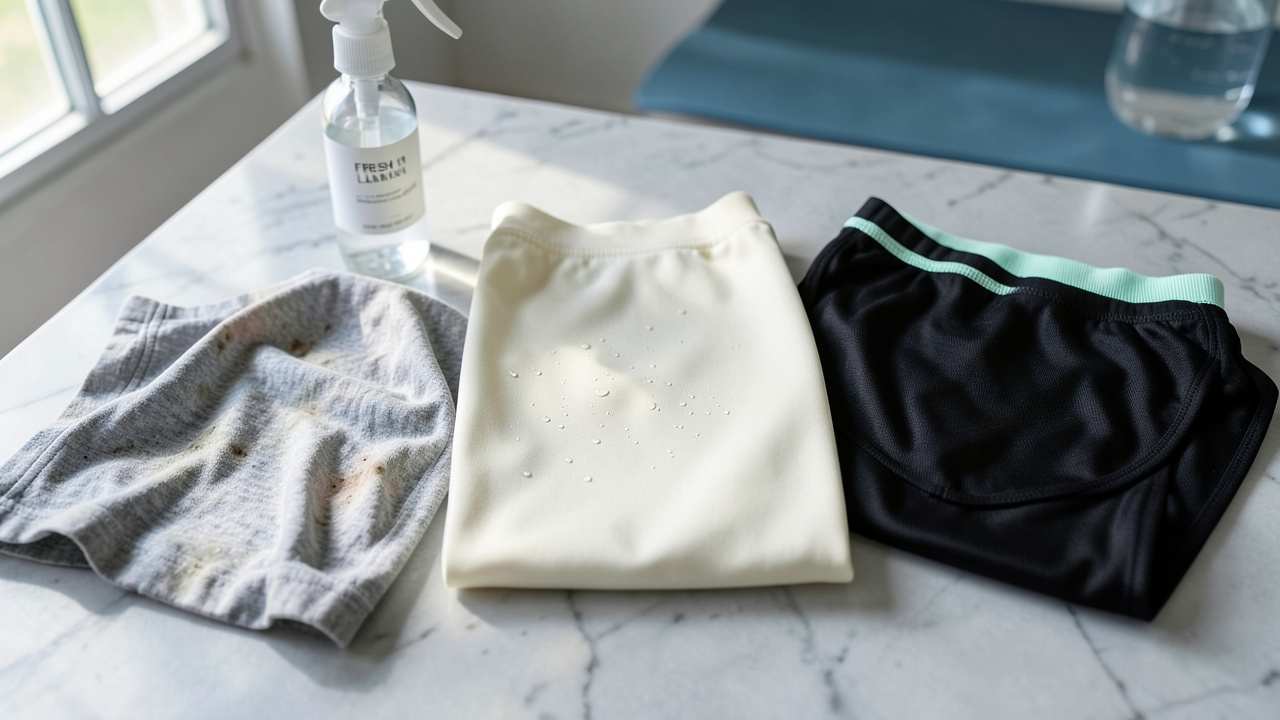
Not all fabrics handle sweat the same way. The material you choose directly impacts how fresh your innerwear stays during active days.
Cotton
Cotton absorbs moisture and holds it against your skin. When you sweat, cotton soaks up the liquid and stays wet for a long time. This creates a breeding ground for bacteria. Cotton works fine for low-activity days but fails during exercise or hot weather.
Nylon and Polyester Blends
Synthetic blends are the top choice for active innerwear freshness. These materials pull moisture away from your skin and spread it across the fabric surface so it evaporates fast. A study from the found that synthetic blends with antimicrobial properties reduce odor-causing bacteria by over 90 percent compared to untreated cotton.
Bamboo
Bamboo fabric is naturally breathable and has antimicrobial properties. It absorbs moisture but dries faster than cotton. Bamboo innerwear works well for moderate activity levels and people with sensitive skin.
Merino Wool
Merino wool is a high-performance natural fiber that regulates temperature and resists odors. It can absorb up to 30 percent of its weight in moisture without feeling wet. Merino wool innerwear is excellent for long active days but costs more than synthetic options.
Tip: For the best innerwear freshness during active days, choose fabrics labeled “moisture-wicking” or “performance.” Look for blends that include nylon, polyester, or merino wool. Save cotton for low-activity rest days.
| Fabric | Moisture Wicking | Odor Resistance | Best For |
|---|---|---|---|
| Cotton | Poor | Low | Low activity, rest days |
| Nylon/Polyester | Excellent | High (with treatment) | Exercise, sports, active days |
| Bamboo | Good | Moderate | Moderate activity, sensitive skin |
| Merino Wool | Excellent | Very High | Long active days, cold weather |
How to Wash Innerwear for Long-Lasting Freshness
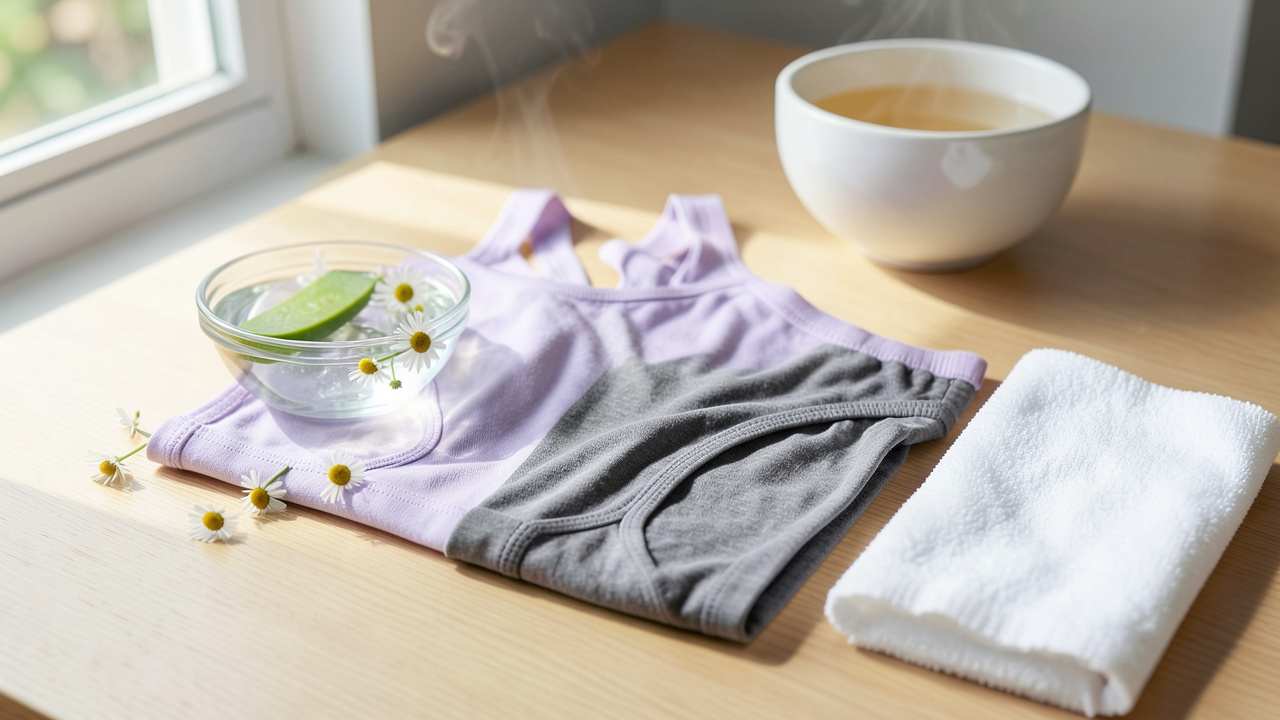
Washing your innerwear correctly keeps it fresh for longer. Many people wash undergarments the wrong way and shorten their lifespan while reducing odor protection.
Choose the Right Detergent
Enzyme-based detergents break down sweat proteins and body oils that regular detergents miss. Look for detergents labeled “sport” or “active” – these contain enzymes that target the proteins in sweat. According to the, proper laundering with appropriate detergent helps prevent skin infections by removing bacteria effectively.
Wash in Cold Water
Hot water can set protein stains from sweat and damage elastic fibers in performance fabrics. Cold water preserves fabric elasticity and removes sweat proteins when paired with the right detergent. Always wash innerwear in cold water on a gentle cycle.
Skip Fabric Softener
Fabric softener coats synthetic fibers and blocks moisture-wicking properties. Softener also traps bacteria in the fabric weave, causing odors to return faster. Instead, add half a cup of white vinegar to the rinse cycle once a month to remove buildup and neutralize odors.
Air Dry When Possible
Machine drying at high heat breaks down elastic fibers and shrinks natural fabrics. Air drying in indirect sunlight naturally kills bacteria with UV rays and preserves fabric integrity. If you must use a dryer, choose the lowest heat setting.
Warning: Never use bleach on moisture-wicking or antimicrobial innerwear. Bleach destroys the special coatings that keep these fabrics fresh. It also weakens elastic fibers, causing your innerwear to lose shape and support quickly.
Step-by-Step Process for Daily Innerwear Care
Following a simple daily routine keeps your innerwear fresh through active days. Here is the process that works best.
- Change immediately after activity. Do not sit in sweaty innerwear. Remove it within 15 minutes of finishing exercise. This stops bacteria from multiplying and reduces odor buildup.
- Rinse in cold water right away. If you cannot wash immediately, rinse your innerwear in cold water to remove surface sweat. Hang it to dry until you can do a full wash.
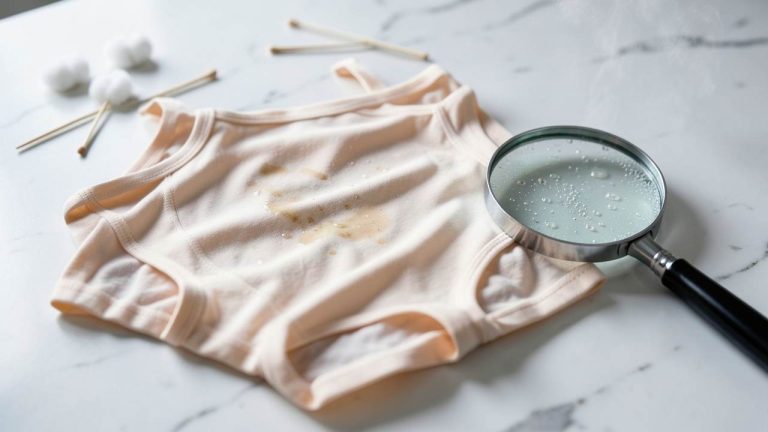
- Pre-treat stains and odors. Apply a small amount of enzyme detergent directly to the gusset and underarm areas. Let it sit for 10 minutes before washing.
- Wash using the right cycle. Place innerwear in a mesh laundry bag to protect delicate fabrics. Use cold water, gentle cycle, and enzyme-based detergent. Do not overload the machine.
- Dry correctly. Lay flat or hang to dry away from direct heat. Flip inside out to expose both sides to air. Ensure complete dryness before storing.
- Rotate your pairs. Never wear the same pair two days in a row. Allow at least 24 hours between wears so the fabric can fully recover its shape and breathability.
Important: For athletes and people with very active jobs, having a dedicated “active innerwear” rotation of five to seven pairs ensures you never have to reuse damp or partially dry undergarments. This habit alone reduces odor issues by a significant margin.
Common Myths vs Facts
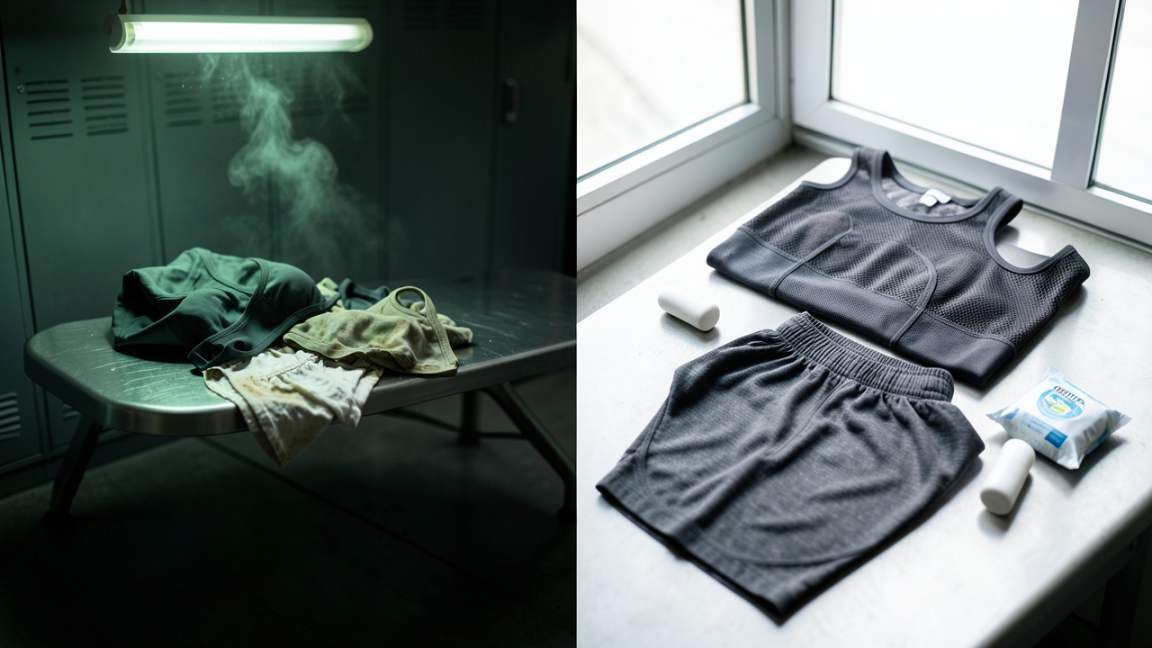
Many misconceptions exist about innerwear freshness. Here are the most common myths and the real facts.
Myth 1: Cotton is the healthiest fabric for innerwear
Cotton is natural but it absorbs moisture and holds it against your skin. For active days, moisture-wicking synthetics keep your skin drier and reduce bacterial growth better than cotton.
Myth 2: Hot water kills more bacteria
Hot water above 140 degrees Fahrenheit kills bacteria, but most home water heaters do not reach that temperature. Cold water with enzyme detergent removes sweat proteins and bacteria effectively without damaging fabrics.
Myth 3: You can wear the same innerwear twice if you did not sweat much
Even minimal activity produces sweat and skin cell shedding that bacteria feed on. Wearing innerwear again without washing allows bacteria to multiply and increases your risk of skin irritation and odor.
Pro Tips for Active Days
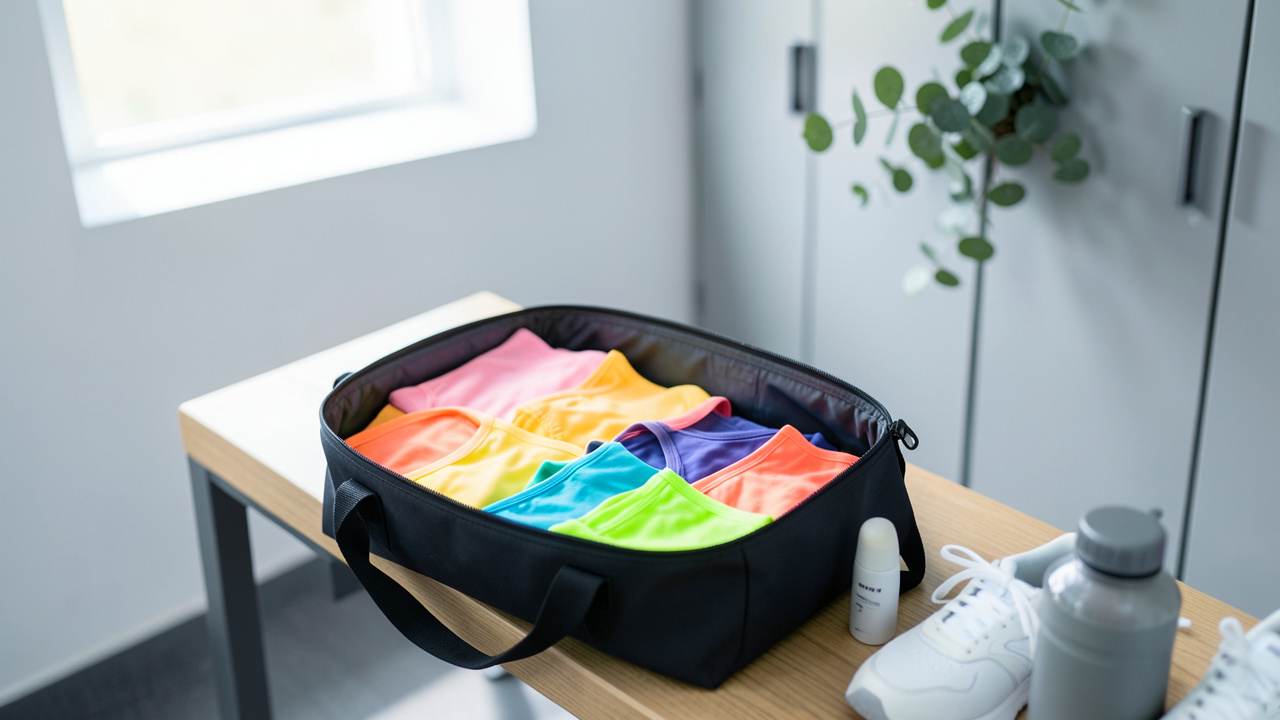
These expert-level tips will help you maintain innerwear freshness even on your busiest and sweatiest days.
- Use a sports-specific laundry additive. Products designed for athletic wear break down trapped oils and sweat that regular detergent leaves behind. Use one every four to five washes to keep fabrics performing at their best.
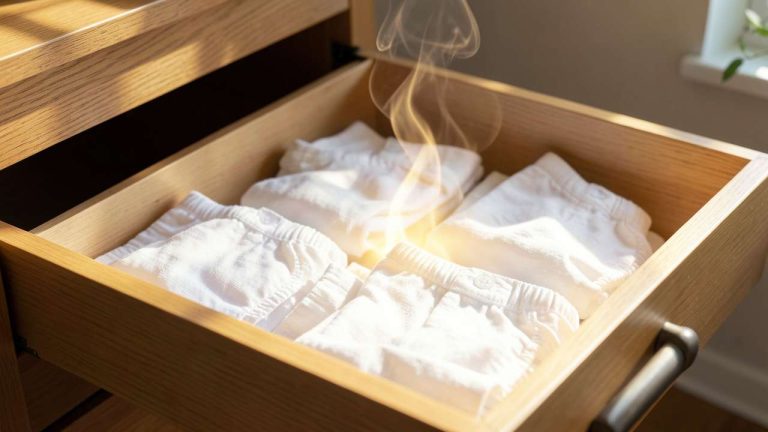
- Store innerwear in a breathable drawer. Avoid plastic bins or sealed containers that trap moisture. Use a drawer with bamboo or cedar dividers to allow airflow and prevent musty smells.
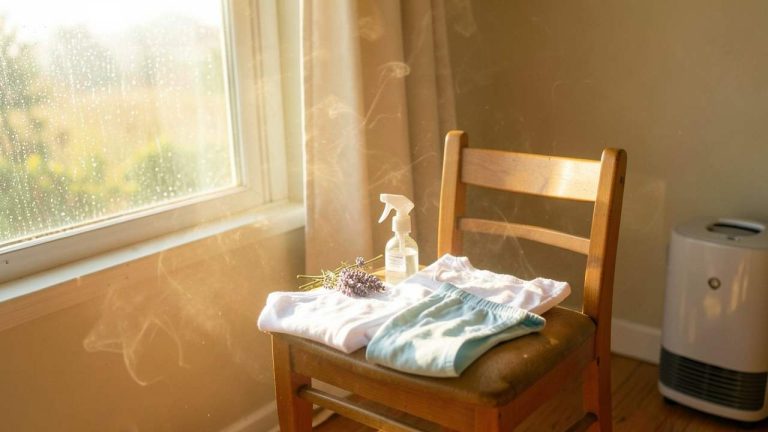
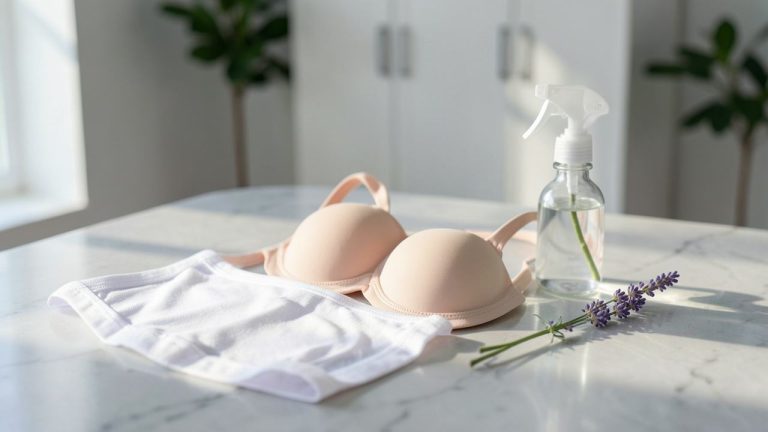
- Apply a probiotic spray between washes. Probiotic sprays contain beneficial bacteria that outcompete odor-causing microbes. Spray the inside of your innerwear after activity and let it air dry. This extends the time between washes without breeding odors.
- Choose seamless designs for high-friction activities. Seams trap sweat and create pressure points that lead to skin chafing. Seamless innerwear reduces irritation and allows moisture to evaporate evenly.
- Replace innerwear every six to eight months. Elastic fibers break down over time even with proper care. Worn-out innerwear loses its moisture-wicking ability and fits poorly, both of which reduce freshness. Feel the fabric – if it feels thin or stretched out, replace it.
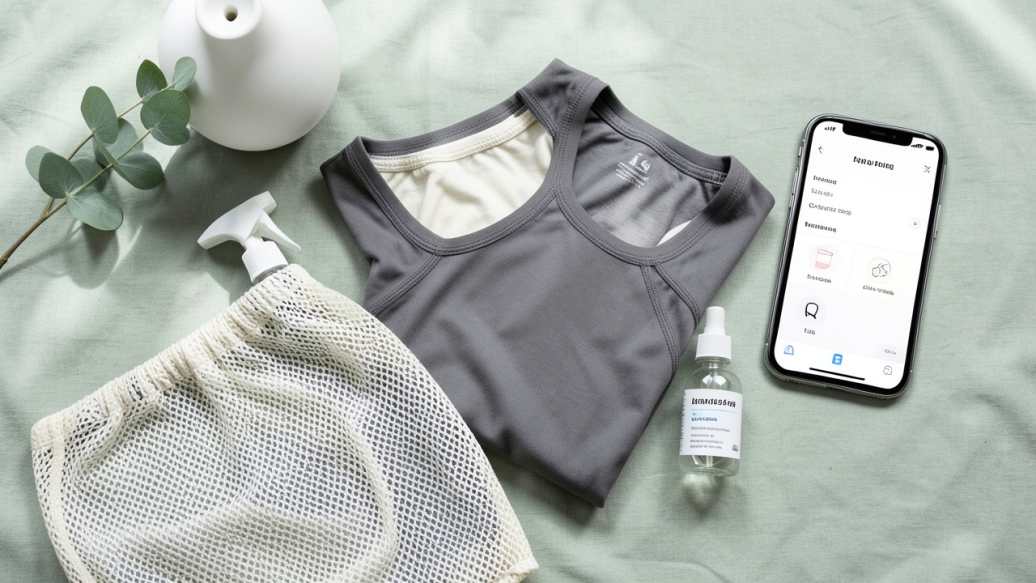
Resources and Tools
These products and resources help you maintain innerwear freshness during active days.
- Hex Performance Laundry Detergent – Enzyme-based detergent designed for activewear and innerwear.
- Win Detergent – Sport-specific laundry solution that removes sweat proteins and odors.
- Nathan Sport Wash – Biodegradable detergent for performance fabrics.
- Muji Mesh Laundry Bags – Protective bags for washing delicate innerwear.
- FunkAway Fabric and Gear Spray – Probiotic spray that neutralizes odors between washes.
- Unbound Merino – High-quality merino wool innerwear for active days.
Frequently Asked Questions
How often should I replace my innerwear for active days?
Replace active innerwear every six to eight months when worn regularly. Signs of wear include thinning fabric, loose elastic, and persistent odor even after washing. According to textile experts, fabric performance degrades significantly after approximately 80 to 100 washes.
Can I use baking soda to freshen my innerwear?
Yes, baking soda helps neutralize odors. Add half a cup to the wash cycle along with your regular detergent. Baking soda raises the pH level of the water, which helps break down acidic sweat residues and removes trapped smells.
Is it bad to wear innerwear made of polyester every day?
Polyester is safe for daily wear when you wash it properly. Choose polyester blends with moisture-wicking and antimicrobial treatments for the best results. Make sure you change into fresh innerwear daily and wash after each use to prevent bacterial buildup.
What is the best way to remove old sweat stains from innerwear?
Apply a paste of baking soda and water to the stained area. Let it sit for 30 minutes, then rinse with cold water. Follow with a wash using enzyme detergent. For stubborn stains, use a hydrogen peroxide solution diluted with water at a 1:3 ratio, but test on a small area first.
Does vinegar damage elastic in innerwear?
White vinegar is safe for elastic when used sparingly – about once a month in the rinse cycle. Vinegar helps remove detergent residue and mineral buildup that traps odors. Do not use vinegar in every wash, as excessive acidity can weaken elastic fibers over time.
Final Thoughts
Innerwear freshness during active days comes down to fabric choice, proper washing, and daily rotation. Moisture-wicking synthetics and merino wool outperform cotton for exercise and high-activity situations. A consistent care routine – cold wash, enzyme detergent, air drying – keeps your innerwear performing well and smelling fresh. Apply these strategies and your skin will thank you through every workout and busy day ahead.