Underwear for Bedridden Care Routines: A Complete Guide
Underwear for bedridden care routines includes tab-style disposable briefs, pull-up style underwear, cloth underwear with waterproof covers, and booster pads, with the optimal choice depending on the individual's mobility level, skin sensitivity, and budget. For fully bedridden individuals, tab-style disposable briefs are the most practical because they allow changing without moving the patient, while cloth options reduce waste and suit sensitive skin in long-term home care. Consistent changing every two to three hours during the day and once overnight, combined with zinc oxide barrier creams, prevents incontinence-associated dermatitis and supports skin health.
Choosing the right underwear for bedridden care routines can reduce skin damage, prevent infections, and make daily care easier. This guide explains the different product types, how to choose them, and how to build an effective care plan.
Quick Verdict: In short, underwear for bedridden care routines includes disposable briefs, pull-ups, cloth diapers, booster pads, and underpads. The best choice depends on the person’s mobility, skin sensitivity, and budget. Tab-style briefs offer the easiest changes for fully bedridden individuals, while cloth options work well for sensitive skin and lower waste.
Key Takeaways
- Tab-style disposable briefs are the best option for fully bedridden individuals because they allow changing without moving the person.
- Cloth underwear with waterproof covers can reduce waste and skin irritation for long-term care at home.
- Changing underwear every 2-3 hours during the day and once overnight reduces the risk of incontinence-associated dermatitis.
- Barrier creams containing zinc oxide create a protective layer that prevents moisture from reaching the skin.
- A proper care routine includes daily skin checks, gentle cleansing, and the right absorbency level for nighttime use.

Types of Underwear for Bedridden Care
Several product categories exist for managing incontinence and immobility. Each type serves a different need based on the person’s activity level, skin condition, and caregiver schedule.
Tab-Style Disposable Briefs
These are the most common choice for fully bedridden individuals. They have adhesive tabs on each side that open and close easily. The caregiver can change the brief without lifting the person’s hips or legs.
- Best for individuals who are completely bedbound or have very limited mobility.
- Offer the highest absorbency levels, typically lasting 8-12 hours overnight.
- Come with wetness indicators that change color when the brief needs changing.
- Some brands include odor control and elastic leg gathers to prevent leaks.
Warning: Leaving a soaked brief on for more than 4 hours can cause skin breakdown. Always check wetness indicators regularly, even if the product claims 12-hour protection.
Pull-Up Style Underwear
These look and feel like regular underwear. They pull up and down like standard briefs. Pull-ups work best for individuals who can stand or bear weight during transfers.
- Suitable for people who can help with standing or pivoting during changes.
- Less absorbent than tab-style briefs, typically lasting 4-6 hours.
- Tear-away sides allow for easy removal if the person cannot stand.
- Offer more dignity and a normal underwear feel for mobile individuals.
Cloth Underwear and Diaper Covers
Cloth products use absorbent fabric layers with a waterproof outer cover. They require washing and drying between uses. Some caregivers prefer cloth for sensitive skin or environmental reasons.
- Made from cotton, hemp, bamboo, or microfiber with absorbent inserts.
- Require a waterproof cover made from PUL (polyurethane laminate) or wool.
- Need changing every 2-3 hours because cloth holds less volume than disposables.
- Can be more cost-effective over years of use despite the upfront investment.
Tip: For cloth users, keep at least 24-36 inserts and 6-8 covers on hand. This gives you enough for 2-3 days of washing cycles.
Booster Pads and Underpads
Booster pads are extra absorbent liners that sit inside a brief or pull-up. Underpads are large absorbent sheets placed on the bed or chair. Both provide extra protection for heavy wetting or overnight use.
- Booster pads add up to 8-12 ounces of extra absorbency to a regular brief.
- Underpads protect bedding and furniture from leaks and accidents.
- Disposable underpads work best for short-term use; washable ones last for years.
- Use booster pads when the person is prone to heavy wetting or during long sleep periods.
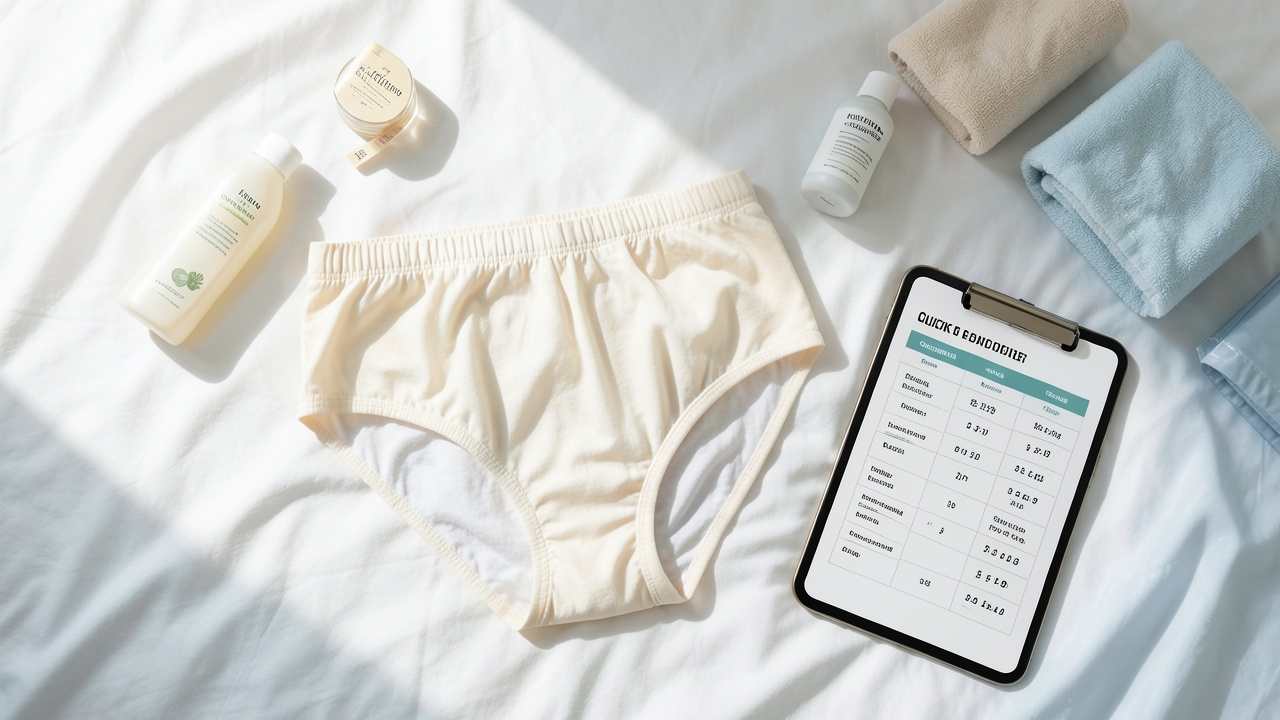
Quick Comparison Table
| Product Type | Absorbency Level | Ease of Changing | Best For |
|---|---|---|---|
| Tab-style briefs | High (8-12 hours) | Very easy with side tabs | Fully bedridden individuals |
| Pull-up style | Medium (4-6 hours) | Moderate with tear-away sides | People who can stand or assist |
| Cloth with cover | Low to medium (2-4 hours) | Moderate with cover snaps | Sensitive skin, eco-conscious care |
| Booster pads | Extra (adds 8-12 oz) | Easy to add inside brief | Heavy wetting or overnight use |
| Underpads | N/A (bed protection) | Very easy to place | Protecting sheets and mattresses |
How to Choose the Right Underwear for Bedridden Care
Selecting the correct product requires matching the person’s needs with the product features. Here are the main factors to consider.
Mobility Level
Assess how much the person can move. A fully bedridden person who cannot lift their hips needs tab-style briefs. A person who can stand briefly during transfers can use pull-ups. Partial mobility allows for cloth products with easier cleanup.
Skin Condition and Sensitivity
People with fragile skin, allergies, or existing rashes need gentler options. According to the, older adults have thinner skin that tears more easily. Cloth diapers or fragrance-free disposable brands reduce irritation. Avoid products with latex, dyes, or harsh adhesive tabs on sensitive skin.
Absorbency Needs
Match the absorbency level to the person’s output volume. Light incontinence may only need a booster pad inside regular underwear. Heavy wetting at night requires maximum-absorbency tab-style briefs. Underpads add a second layer of protection for the bed.
Important: According to the, moisture trapped against skin for more than 2 hours significantly increases the risk of skin breakdown and infection. Choose products that wick moisture away from the skin, not just absorb it.

Costs and Timeline
The cost of underwear for bedridden care routines varies widely based on product type, brand, and quantity. Here is a realistic breakdown.
| Product Type | Cost Per Unit | Monthly Cost (8 changes/day) | Upfront Investment |
|---|---|---|---|
| Tab-style briefs | $0.50 – $1.20 | $120 – $290 | $0 |
| Pull-up style | $0.40 – $0.90 | $100 – $220 | $0 |
| Cloth system (24 inserts + 6 covers) | $0.10 – $0.20 per wash | $15 – $40 (laundry costs) | $200 – $500 |
| Booster pads (pack of 100) | $0.15 – $0.30 | $35 – $70 | $0 |
| Washable underpads (2-3 pack) | $0.05 – $0.10 per wash | $5 – $15 | $60 – $100 |
Most insurance plans, including Medicare Part B, may cover some incontinence supplies with a doctor’s prescription. Check with your provider for coverage details.
Step-by-Step Care Routine
Building a consistent care routine keeps the skin healthy and prevents complications. Follow these steps every time you change the underwear for bedridden care routines.
- Gather all supplies: clean brief or cloth diaper, barrier cream, gloves, wipes or washcloth, underpads (if needed), and a trash bag.
- Wash your hands and put on disposable gloves. Position the person on their back with knees bent if possible.
- Remove the soiled product carefully. Fold it inward to contain any mess. Dispose of it in a sealed bag.
- Clean the skin thoroughly with a pH-balanced perineal wash or water. Pat dry completely with a soft towel. Do not rub.
- Apply a thick layer of barrier cream containing zinc oxide or petroleum jelly to the entire area that contacts moisture.
- Place the clean brief between the person’s legs with the absorbent area facing up. Secure the side tabs snugly but not tight.
- Check that the leg gathers are smooth and not folded inward. Straps should allow two fingers to fit between the brief and the body.
- Position the person comfortably and remove gloves. Wash your hands again after the change.
Tip: Keep a change log with times and notes about skin condition. Pattern spotting helps you adjust the schedule before problems develop.

Common Myths vs Facts
Myth 1: Briefs should be changed only when visibly soaked.
Waiting until a brief is full allows urine to stay against the skin for hours. According to the, incontinence-associated dermatitis can develop within 2-4 hours of moisture exposure. Change according to a schedule, not just by feel.
Myth 2: Cloth diapers are outdated and unsanitary.
Modern cloth systems with waterproof covers and absorbent inserts are highly effective. They use fewer chemicals than disposables and can be washed on hot cycles that kill bacteria. For people with skin allergies or sensitivity, cloth often causes fewer reactions.
Myth 3: More absorbent products mean fewer changes.
Higher absorbency does not replace the need for regular changes. Even a super-absorbent brief leaves wetness against the skin between changes. The National Association for Continence recommends changing every 2-3 hours during the day, regardless of product absorbency.

Pro Tips for Better Care
These tips come from experienced caregivers and medical professionals who manage bedridden care daily.
- Use a moisture barrier wipe or spray before applying cream to help the product stick better and reduce friction.
- Alternate between tab-style briefs and cloth during the day to give the skin a break from adhesives and plastic backing.
- Place a small fan or open the bedding briefly during each change to air out the skin for 1-2 minutes before putting on a new product.
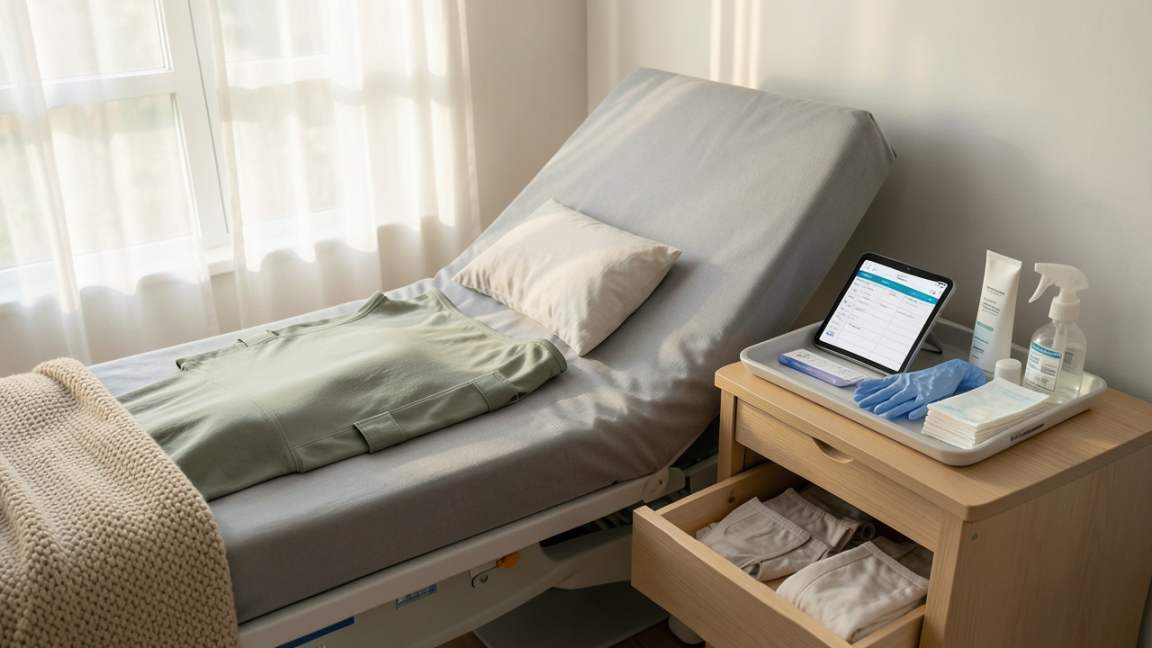
- Keep a spare set of bedding, pillows, and pajamas within arm’s reach of the bed. Late-night changes are easier when you do not have to search for supplies.
- Trim nail edges on both the caregiver and the person regularly. Long nails can tear skin or damage the waterproof layer of cloth covers.
Important: If you notice redness, peeling, or open sores on the skin, contact a doctor or wound care nurse immediately. Early intervention prevents deeper skin damage and infections.
Common Mistakes to Avoid
Even experienced caregivers make these errors. Recognizing them helps you provide better care.
- Sizing too large or too small. A brief that is too large gaps at the legs and causes leaks. One that is too small puts pressure on skin and restricts circulation.
- Over-tightening the tabs. This leaves marks on the hips and can cause pressure sores. The fit should be snug but not tight enough to leave indentations.
- Skipping routine skin checks. Rashes and sores can develop in less than 24 hours. Check the entire area at every change, especially in skin folds.
- Using baby diapers instead of adult incontinence products. Baby diapers lack the absorbency and fit needed for adult output volumes.
- Folding leg gathers inward during application. This creates a channel for urine to leak out sideways. Always pull gathers outward and smooth them flat.
Resources and Tools
These organizations and products can help you build a better care plan.
National Association for Continence – Offers education, product guides, and a helpline for caregivers.
MedlinePlus Incontinence Care – Free resource from the National Institutes of Health with care guides.
AgingCare.com Caregiver Forum – Community support and product recommendations from real caregivers.
Caregiver Action Network – Provides free manuals and training videos for home care tasks.
Skin Care & Incontinence Product Finder – A tool from the that helps match products to skin type.
Frequently Asked Questions
How often should I change underwear for a bedridden person?
Change every 2-3 hours during the day and once overnight. Adjust based on the person’s output volume and skin condition. If the skin stays damp between changes, increase the frequency.
Can I use regular underwear with pads instead of adult briefs?
Yes, but only for light incontinence. Booster pads inside regular underwear work well for small leaks. For moderate to heavy output, pads shift out of position and leak. Tab-style briefs or pull-ups provide better security.
What is the best way to prevent diaper rash in bedridden adults?
Clean the skin thoroughly at every change, apply a thick layer of zinc oxide cream, and allow brief air-drying periods. According to the, moisture management is the single most effective prevention strategy.
Are cloth diapers worth the extra laundry work?
For many caregivers, yes. Cloth reduces waste, lowers long-term cost, and causes fewer allergic reactions. The main trade-off is the laundry workload, which adds about 15-20 minutes per day for washing and drying.
How do I know if the brief size is correct?
Measure the person’s waist and hip circumference. The brief should fit snugly without leaving red marks. You should be able to slide two fingers under the waistband. Elastic leg gathers should contact the skin without gaps.
Final Thoughts
Choosing the right underwear for bedridden care routines protects the skin, reduces caregiver workload, and preserves the person’s dignity. Focus on match between mobility level, skin sensitivity, and absorbency needs. Build a consistent schedule of changes, skin checks, and barrier cream application. With the right products and routine, you can manage bedridden care effectively and prevent common complications.