Underwear Care During Pregnancy: A Complete Guide Today
During pregnancy, rapid body changes require adaptive underwear care focused on breathable fabrics like cotton or bamboo, gentle washing with cold water and fragrance-free detergent, and air drying to preserve elasticity. Changing underwear at least twice daily reduces moisture buildup and helps prevent yeast infections and skin irritation. Prioritizing low-rise or full-coverage styles accommodates shifting body size and sensitivity while extending the life of each garment.
Your body changes fast during pregnancy. Your underwear needs to keep up. This guide covers how to choose, wash, and care for underwear that supports you through all three trimesters.
Quick Verdict: In short, pregnancy changes your body size, discharge levels, and skin sensitivity. You need soft cotton or bamboo underwear with a low-rise or full-coverage fit. Wash them in cold water with fragrance-free detergent and skip the dryer to extend their life. Change them twice daily to prevent infections and irritation.
Key Takeaways
- Cotton and bamboo fabrics are the best choices for pregnancy underwear because they breathe well and reduce moisture buildup.
- You should wash new pregnancy underwear before wearing it to remove chemical residues from manufacturing.
- Cold water washing with a mild detergent keeps fabric soft and reduces the risk of skin irritation.
- Air drying pregnancy underwear is better than machine drying because heat damages elastic fibers over time.
- Changing underwear at least twice daily during pregnancy helps prevent yeast infections and bacterial overgrowth.
Understanding Your Changing Body During Pregnancy
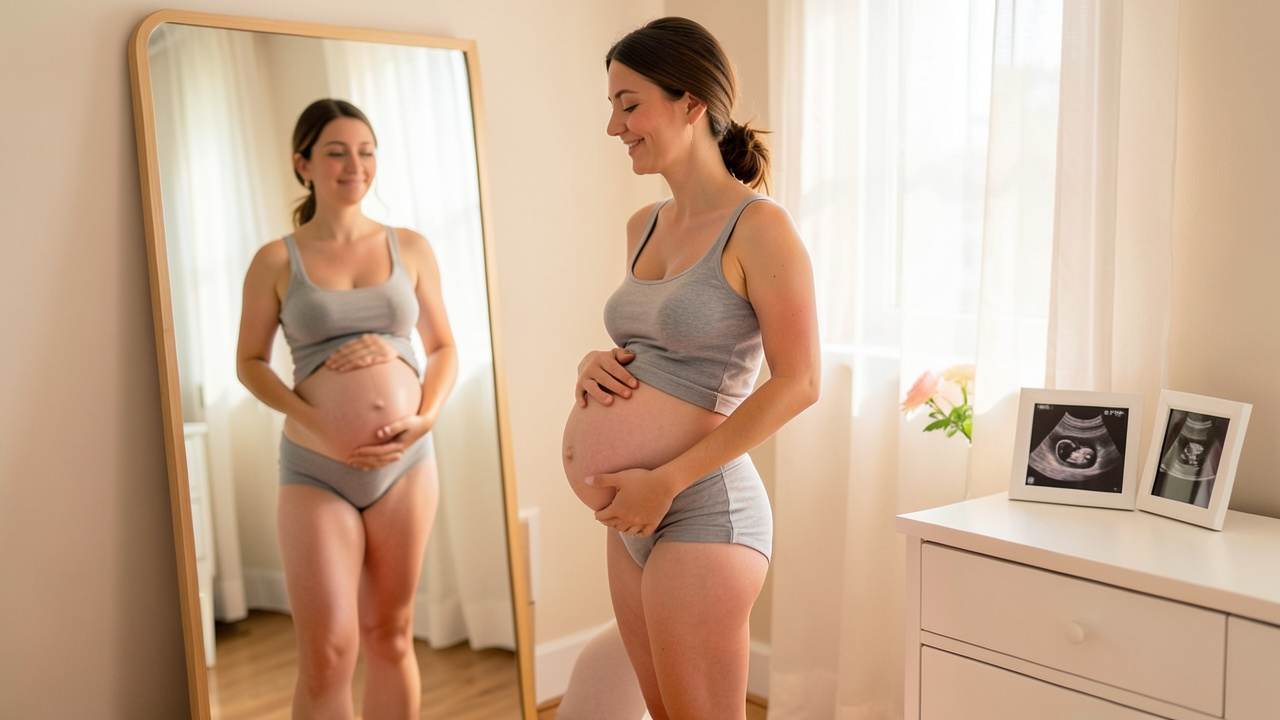
Your body undergoes major shifts during pregnancy. Your hips widen. Your belly grows. Your breasts enlarge. Your underwear must accommodate all these changes without causing discomfort.
According to the, 85 percent of pregnant women experience increased vaginal discharge. This extra moisture makes fabric choice critical. Non-breathable fabrics trap moisture and create an environment where bacteria and yeast thrive.
Your skin also becomes more sensitive during pregnancy. Hormones make it prone to irritation and rashes. Rough seams, synthetic fabrics, and harsh detergents can cause itching and redness.
How Body Changes Affect Your Underwear Needs
- Your waist measurement increases by 2 to 4 inches in the first trimester and up to 20 inches by full term.
- Your breast size may increase by one to two cup sizes or more, requiring wider straps and softer bands.
- Your hips and pelvic area widen, making full-coverage styles more comfortable than thongs or G-strings.
- Your skin becomes more reactive, so elastic waistbands and synthetic lace can cause contact dermatitis.
- Your sweat production increases, making moisture-wicking fabrics a practical choice for daily wear.
Tip: Buy pregnancy underwear one or two sizes larger than your pre-pregnancy size. Your body will continue to change, and tight underwear can restrict blood flow and cause discomfort.
What to Look for in Pregnancy Underwear
Not all underwear works well during pregnancy. You need specific features to stay comfortable and healthy. Here are the key factors to consider.
Fabric Choices That Work Best
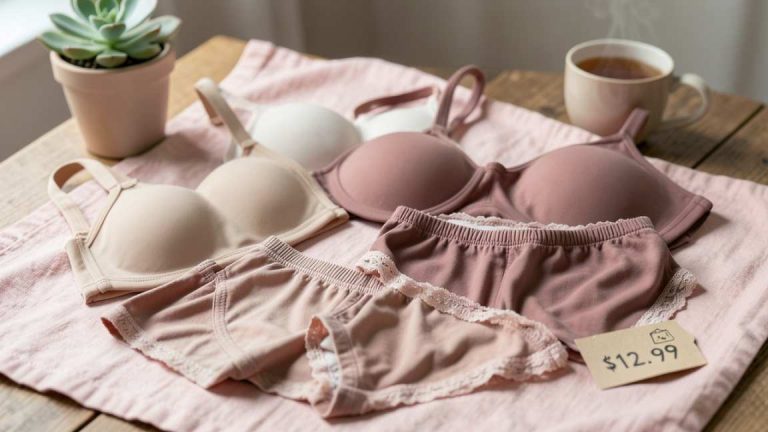
Cotton is the top choice for pregnancy underwear. It breathes well and absorbs moisture. The recommends cotton underwear for pregnant women because it reduces the risk of yeast infections.
Bamboo fabric is another excellent option. It is softer than cotton and naturally antibacterial. Bamboo also wicks moisture away from the skin faster than cotton.
Microfiber and nylon blends offer stretch and a smooth fit under clothes. But these fabrics trap heat and moisture. Use them only for short periods or special occasions.
| Fabric Type | Breathability | Moisture Control | Skin Friendliness | Best Use |
|---|---|---|---|---|
| Cotton | Excellent | Good | Excellent | Daily wear |
| Bamboo | Excellent | Excellent | Excellent | Daily wear, sensitive skin |
| Microfiber | Poor | Fair | Fair | Occasional use |
| Nylon blend | Poor | Poor | Fair | Special occasions |
Style and Fit Considerations
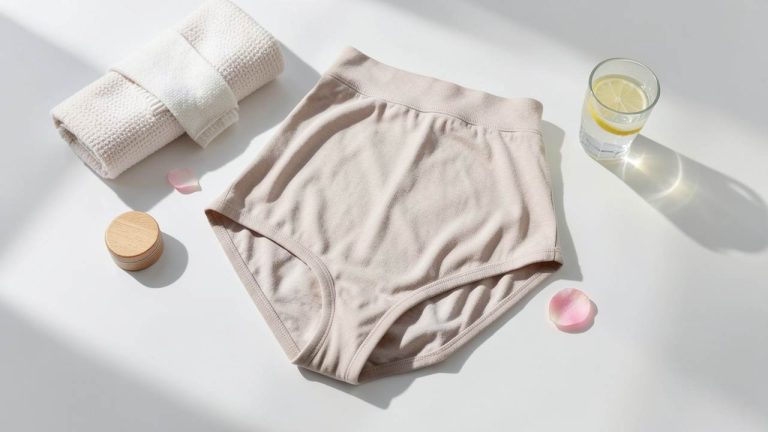
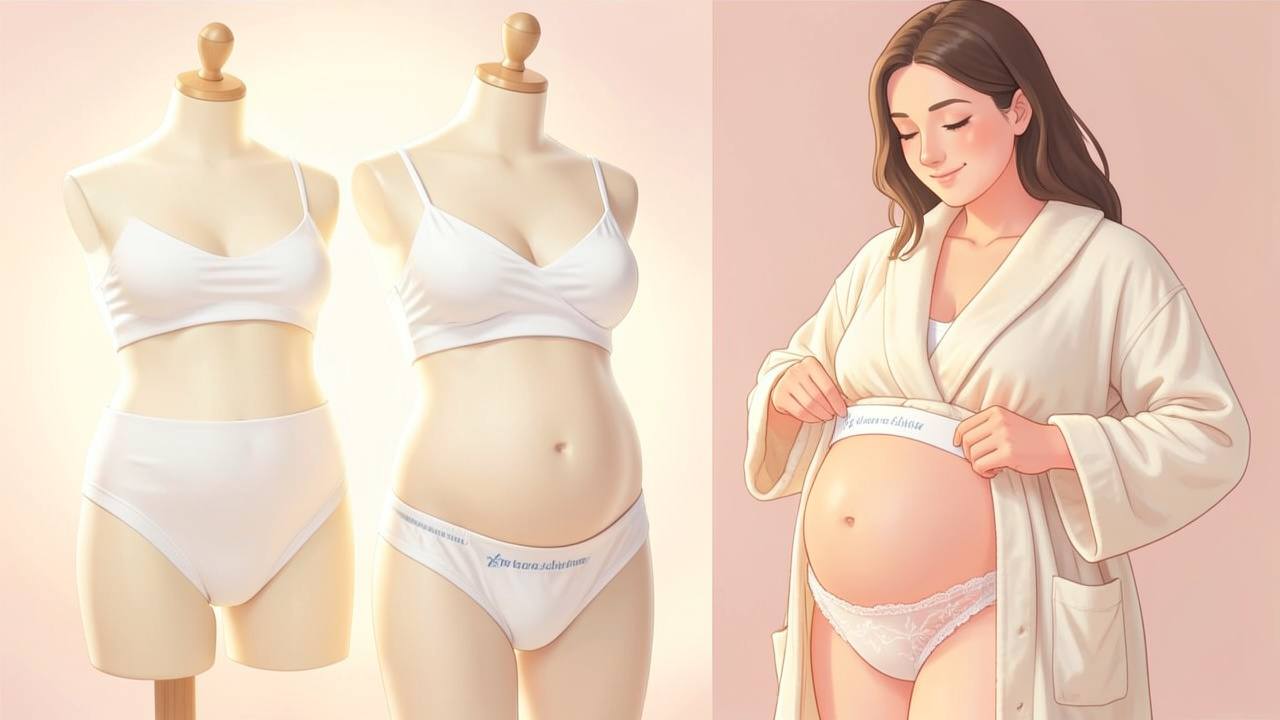
Your underwear style should match your trimester and activities. Low-rise styles sit below your belly and work well in early pregnancy. Full-coverage styles support your growing belly in the second and third trimesters.
Look for underwear with wide waistbands that do not dig into your skin. Seamless options reduce rubbing and irritation. Avoid thongs and string styles that can transfer bacteria from the anal area to the vagina.
Warning: Avoid underwear with tight elastic bands around the legs. They can restrict circulation and cause swelling in your lower body. Look for styles with soft, wide leg openings instead.
How to Wash Pregnancy Underwear Properly
Washing pregnancy underwear correctly extends their life and keeps your skin healthy. Many standard laundry practices damage fabric or leave residue that irritates sensitive skin.
Step-by-Step Washing Process
- Sort your underwear from other laundry. Wash pregnancy underwear separately from heavy items like towels and jeans that can cause friction and pilling.
- Pre-treat stains with a small amount of mild laundry soap. Rub gently with your fingers. Do not use bleach or stain removers with strong chemicals.
- Use cold water for the wash cycle. Hot water breaks down elastic fibers and can shrink cotton and bamboo fabrics. Cold water preserves stretch and color.
- Choose a gentle cycle on your washing machine. The delicate or hand-wash setting reduces agitation that wears out fabric and elastic.
- Use half the amount of detergent recommended on the package. Excess detergent leaves residue that can irritate sensitive skin and cause itching.
- Skip fabric softeners completely. They coat fabric fibers and reduce breathability. They also break down elastic over time.
- Run an extra rinse cycle to remove all soap residue. This step is critical for pregnant women with sensitive skin or allergies.
Drying Methods That Protect Fabric
Air drying is the best method for pregnancy underwear. Heat from dryers damages elastic and causes shrinkage. The notes that air drying also saves energy and reduces your carbon footprint.
- Hang underwear on a drying rack or clothesline in a well-ventilated area away from direct sunlight.
- Sunlight can bleach dark colors and stiffen fabrics. Use shade drying for colored underwear.
- If you must use a dryer, use the lowest heat setting and remove underwear while still slightly damp.
- Never iron pregnancy underwear. Heat flattens the fabric fibers and reduces breathability and softness.
- Fold underwear immediately after drying to prevent wrinkles and maintain shape.
What Detergent to Use for Pregnancy Underwear
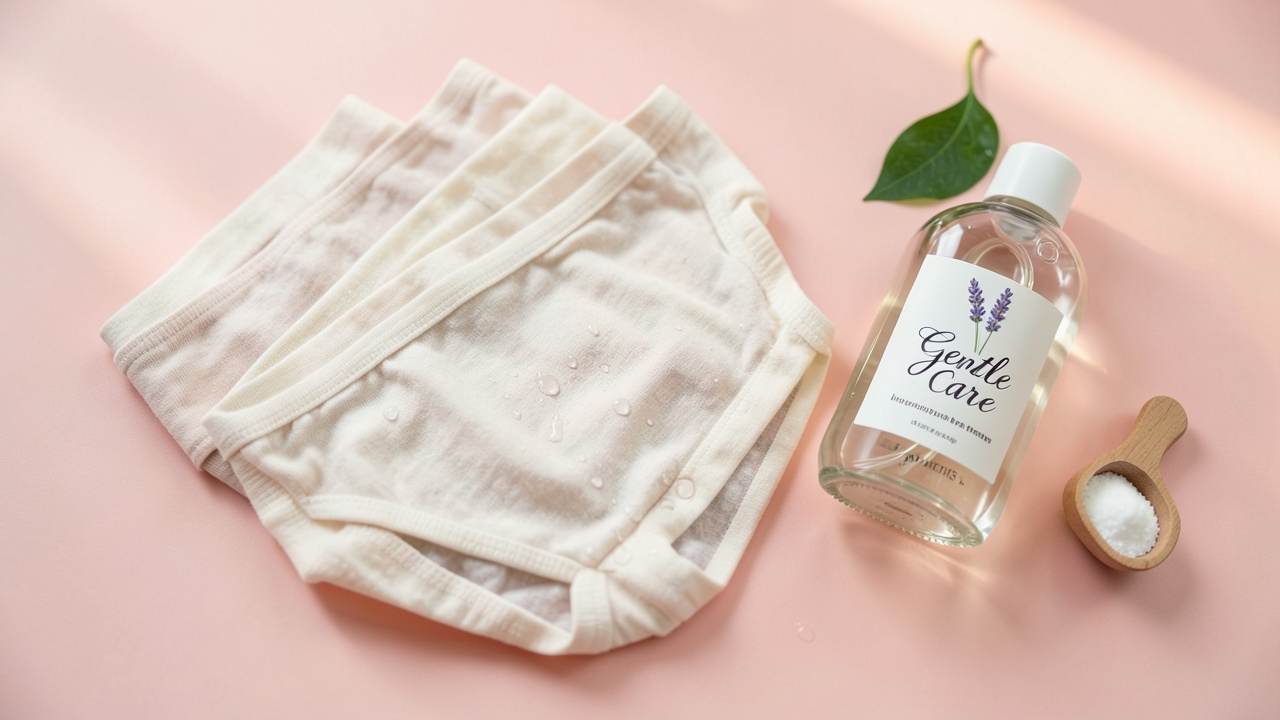
Your detergent choice directly affects your skin health during pregnancy. Harsh chemicals, fragrances, and dyes can cause rashes, itching, and allergic reactions.
The American Academy of Dermatology recommends using fragrance-free, dye-free detergents for people with sensitive skin. This advice applies especially to pregnant women whose skin is more reactive than usual.
Safe Detergent Options
- Fragrance-free liquid detergents designed for sensitive skin are the safest choice. They contain no perfumes or dyes that can irritate.
- Hypoallergenic laundry soaps labeled for babies work well for pregnancy underwear. They are tested for gentle cleaning on delicate skin.
- Enzyme-based detergents break down protein stains like blood and discharge without harsh chemicals. They work well for pregnancy underwear that sees daily discharge.
- Avoid pods and sheets that contain optical brighteners and synthetic fragrances. These additives leave residue on fabric.
- Castile soap flakes dissolved in water offer a natural alternative. They are biodegradable and gentle on skin and fabrics.
Tip: Do a patch test with any new detergent. Wash one pair of underwear in the new detergent and wear it for a day. If you notice any itching, redness, or irritation, switch to a different brand.
How Often to Change Underwear During Pregnancy
Pregnancy increases vaginal discharge, sweat, and overall moisture in your pelvic area. Changing your underwear regularly helps prevent infections and keeps you comfortable.
According to the, pregnant women are more susceptible to yeast infections due to hormonal changes. Wearing fresh underwear reduces the conditions that allow yeast to overgrow.
Recommended Changing Schedule
- Change your underwear at least twice daily – once in the morning and once before bed.
- Change immediately after exercise, swimming, or any activity that makes you sweat.
- Change after using the bathroom if you notice any moisture or discharge on your underwear.
- Keep a spare pair of underwear in your bag for unexpected discharge or spotting.
- Never sleep in the same underwear you wore all day. Your body needs a fresh pair for overnight.
How to Handle Stains on Pregnancy Underwear
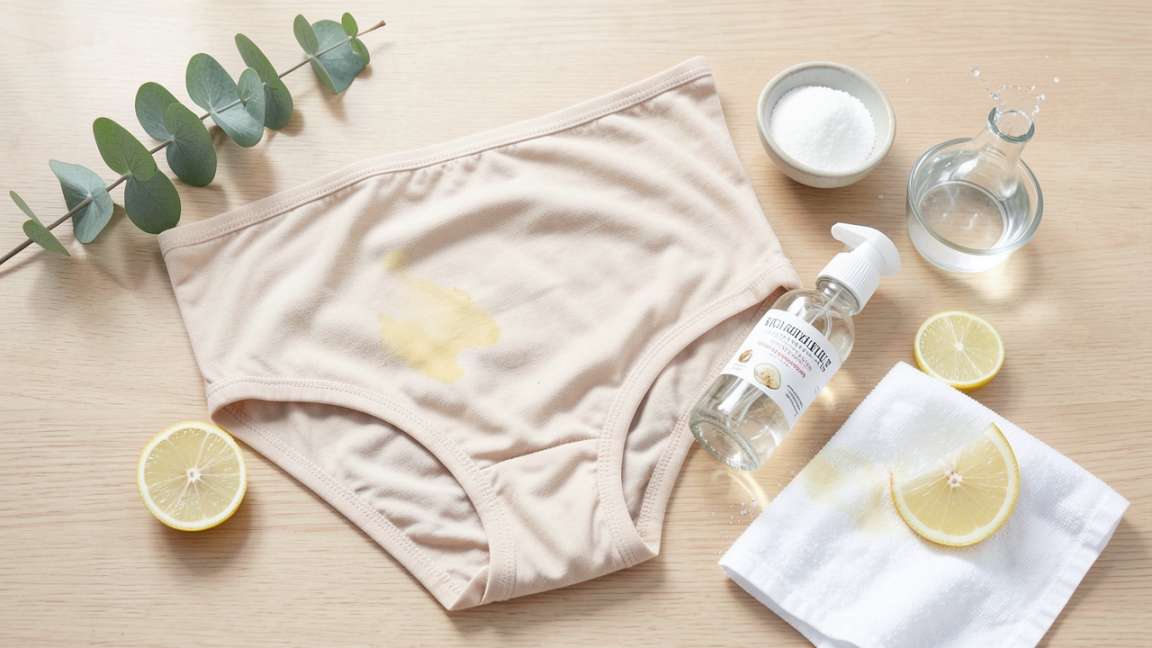
Stains are common during pregnancy. Discharge, blood spots, and urine leaks happen. Knowing how to treat them protects your underwear and prevents bacteria growth.
Common Stain Types and Treatments
- Discharge stains – Rinse with cold water immediately. Apply a small amount of mild soap. Let it sit for 10 minutes. Rinse again.
- Blood spots – Soak in cold salt water for 30 minutes. Rub gently with soap. Do not use hot water because it sets protein stains.
- Urine leaks – Rinse with cold water. Soak in a mixture of water and white vinegar (1 part vinegar to 4 parts water) for 15 minutes. Wash normally.
- Sweat stains – Make a paste of baking soda and water. Apply to the stain. Let it sit for 20 minutes. Rinse and wash.
- Deodorant or cream residue – Rub liquid dish soap directly on the stain. Let it sit for 5 minutes. Wash in warm water.
Important: Always treat stains immediately. Dried stains are much harder to remove and can set permanently. If you can’t wash right away, rinse the stained area with cold water and let the underwear air dry until you can wash it properly.
When to Replace Pregnancy Underwear
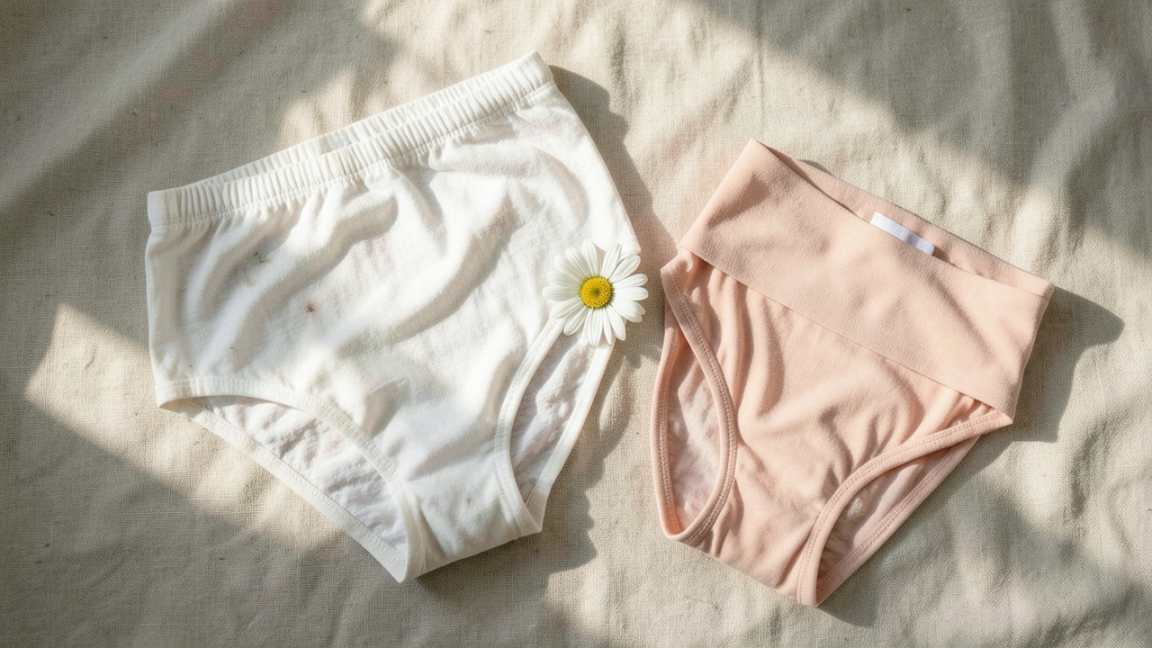
Pregnancy underwear takes more wear and tear than regular underwear. Your growing body stretches the fabric and elastic. Knowing when to replace them keeps you comfortable and supported.
Signs You Need New Underwear
- Elastic waistbands become loose and no longer stay in place without bunching or rolling.
- Fabric shows thinning or visible wear in the center panel where discharge and moisture accumulate.
- Seams start to fray or come apart, creating rough edges that rub against your skin.
- The underwear no longer provides full coverage for your growing belly and hips.
- The fabric develops odors that do not wash out even with proper cleaning methods.
Most pregnancy underwear lasts through one full pregnancy. Plan to buy new pairs for each trimester. Buy 7 to 10 pairs so you always have a fresh pair available.
Common Myths vs Facts About Underwear Care During Pregnancy
Myth 1: You can use regular detergent for pregnancy underwear
Fact: Regular detergents contain fragrances, dyes, and enzymes that can irritate sensitive pregnant skin. The recommends fragrance-free and dye-free detergents for people with sensitive skin. Pregnant women should use mild, hypoallergenic detergents to reduce the risk of irritation.
Myth 2: You only need to change underwear once a day
Fact: Increased discharge and sweat during pregnancy mean you need to change underwear more often. Changing twice daily reduces moisture buildup and lowers the risk of yeast infections and bacterial vaginosis. Change immediately after exercise or heavy sweating.
Myth 3: Machine drying is fine for pregnancy underwear
Fact: High heat from dryers damages elastic fibers and shrinks cotton and bamboo fabrics. Air drying extends the life of your pregnancy underwear by preserving the stretch and softness. If you must use a dryer, use the lowest heat setting and remove underwear while still damp.
Resources and Tools for Pregnancy Underwear Care
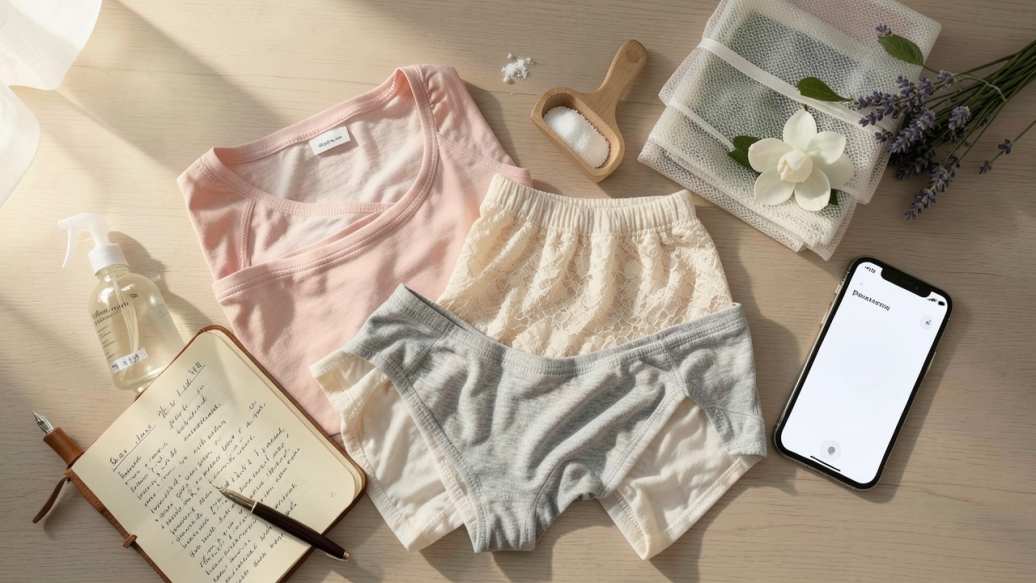
These resources help you find the right products and learn more about caring for your pregnancy underwear.
- Kindred Bravely – Offers a wide selection of pregnancy underwear in organic cotton and bamboo. Their sizing guide helps you find the right fit.
- Seventh Generation – Makes fragrance-free, plant-based laundry detergent safe for sensitive skin during pregnancy.
- The Laundress – Provides gentle, enzyme-based stain treatments. Their Delicate Wash works well for hand-washing pregnancy underwear.
- Oxiclean – Offers oxygen-based stain remover that works on discharge and blood stains. It is free of chlorine and harsh chemicals.
- What to Expect – Provides a forum where pregnant women share tips on underwear care, product recommendations, and stain removal tricks.
Frequently Asked Questions
Can I wear thongs during pregnancy?
Thongs are not recommended during pregnancy. They can transfer bacteria from the anal area to the vagina, increasing the risk of infections. Full-coverage cotton underwear is a safer choice.
How many pairs of underwear do I need during pregnancy?
Most experts recommend 7 to 10 pairs of pregnancy underwear. This gives you enough clean pairs for changing twice daily and washing every few days.
Is it safe to use bleach on pregnancy underwear?
No. Bleach leaves chemical residue on fabric that can irritate your skin. Use oxygen-based stain removers or a baking soda paste for stains instead.
Can I reuse pregnancy underwear after giving birth?
Yes. Many women continue wearing pregnancy underwear postpartum because the high-waist styles provide comfort and support. Elastic loosens after pregnancy, so replace pairs that no longer fit well.
What is the best way to store pregnancy underwear?
Store pregnancy underwear in a clean, dry drawer away from direct sunlight. Fold them flat rather than rolling to maintain shape. Keep them separate from synthetic fabrics that can trap moisture.
Final Thoughts
Choosing the right underwear during pregnancy makes a real difference in your comfort and health. Focus on soft, breathable fabrics like cotton and bamboo. Wash them with fragrance-free detergent in cold water and air dry to preserve the elastic. Change your underwear twice daily to reduce the risk of infections. With these simple habits, your underwear care during pregnancy will support you through all three trimesters.