Hospital-Stay Innerwear Hygiene: A Complete Guide Today
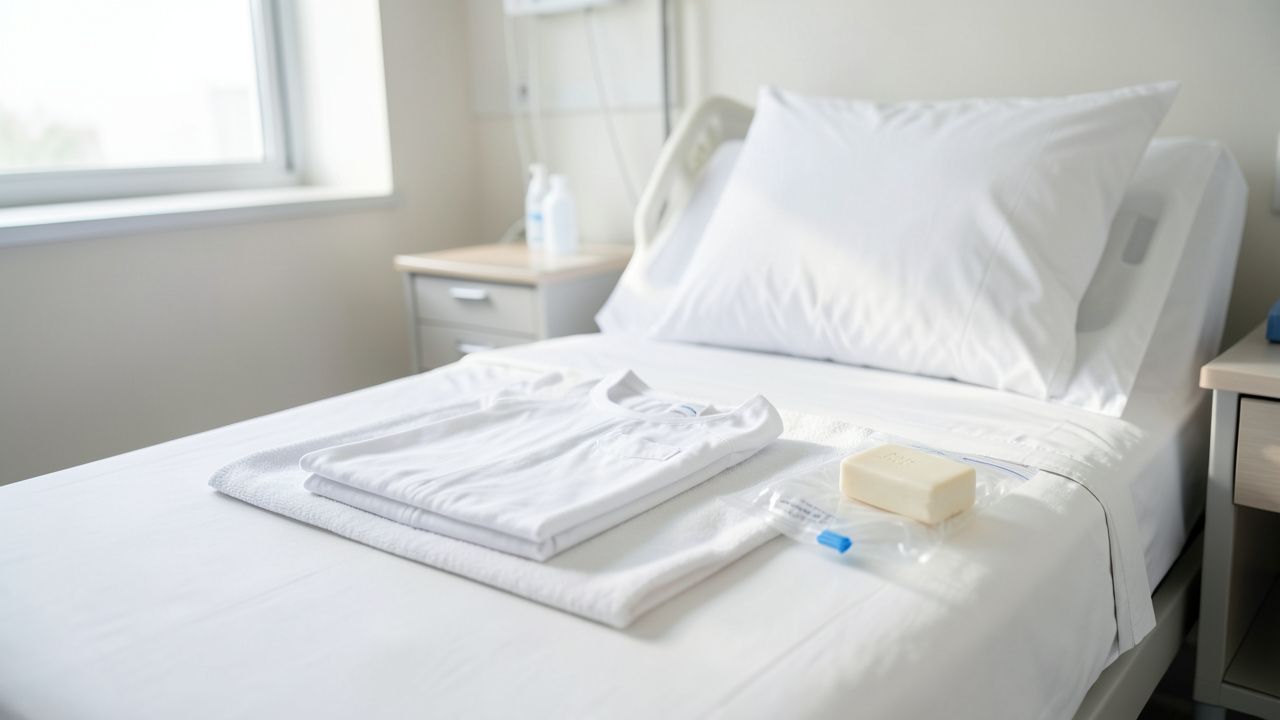
Hospital-stay innerwear hygiene is the practice of keeping underwear, gowns, and sleepwear free from germs during hospitalization to reduce the risk of healthcare-associated infections. Patients who change innerwear daily and choose hospital-approved natural fiber fabrics can significantly lower bacterial buildup and skin irritation. Proper hand hygiene before changing and inspecting fabric for contamination are essential steps that support infection prevention protocols and patient safety.
Can your own clothing make you sick during a hospital stay? Many patients overlook innerwear hygiene, but contaminated fabric can carry bacteria directly to your skin.
Quick Verdict: Hospital-stay innerwear hygiene means keeping your underwear, gowns, and sleepwear free from germs and bacteria during hospitalization. Proper hygiene reduces your risk of hospital-acquired infections, skin irritation, and cross-contamination. Good habits include changing innerwear daily, using hospital-approved fabrics, and following CDC hygiene protocols.
Hospital-stay innerwear hygiene is a critical part of patient safety that deserves your full attention. The clothes you wear against your skin can either protect you or expose you to harmful pathogens.
Key Takeaways on Hospital Innerwear Hygiene
- Hospital patients face a 1 in 31 chance of developing a healthcare-associated infection, and contaminated clothing can contribute to this risk.
- Changing your innerwear every 24 hours reduces bacterial buildup and lowers your risk of skin infections during hospitalization.
- Cotton and other breathable fabrics allow your skin to stay dry, which limits bacteria growth more effectively than synthetic materials.
- Hospital laundry services use high-temperature washing and industrial disinfectants that kill 99.9% of common hospital pathogens.
- Simple actions like hand washing before changing clothes and keeping innerwear off the floor significantly reduce contamination risks.
Understanding the Risks of Poor Hospital Innerwear Hygiene
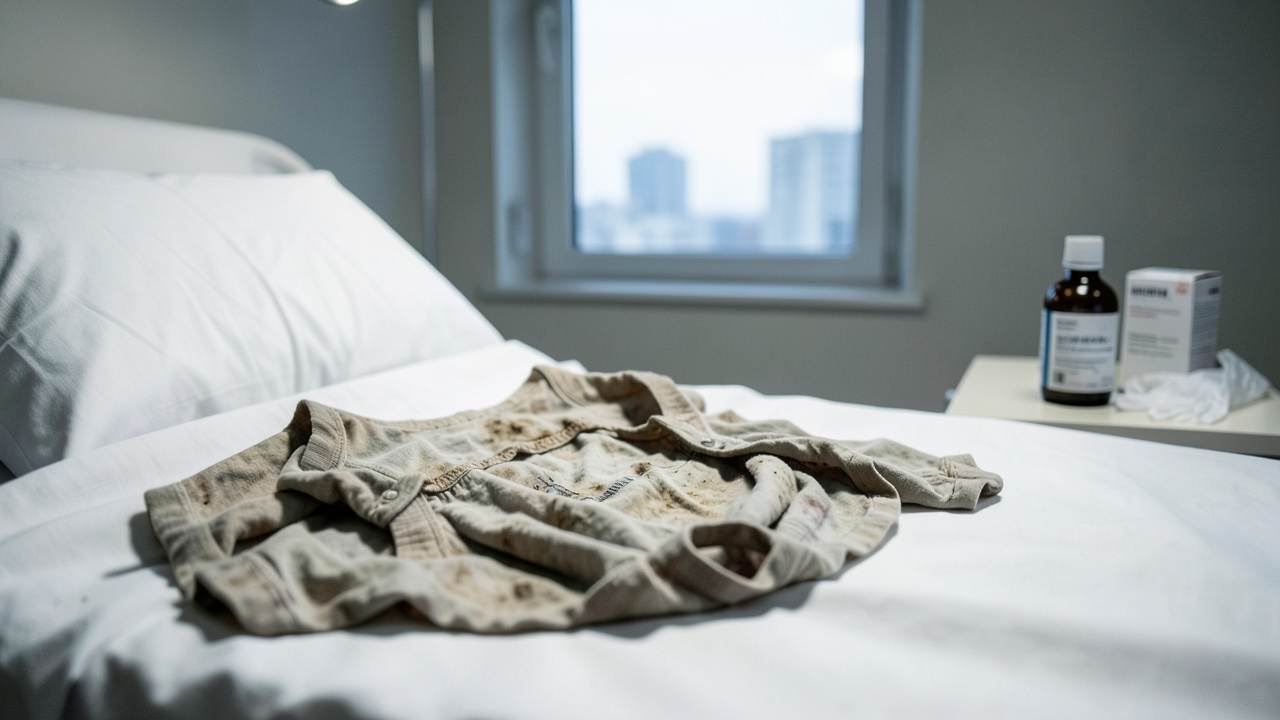
Hospitals contain some of the most dangerous bacteria found anywhere. that approximately 1 in 31 hospital patients has at least one healthcare-associated infection on any given day. Your innerwear sits directly against your skin and can become contaminated within hours.
Bacteria like MRSA and C. diff can survive on fabric for days or even weeks. When you wear contaminated innerwear, those pathogens press against surgical wounds, IV sites, or simple skin breaks. This direct contact creates an easy infection pathway.
Hospital-stay innerwear hygiene becomes especially critical for patients with compromised immune systems. According to, hundreds of millions of patients worldwide are affected by healthcare-associated infections each year.
Warning: Do not wear the same innerwear for more than 24 hours during a hospital stay. Bacteria multiply rapidly in warm, moist environments created by bedding and limited mobility. Always ask for fresh hospital linens if yours feel damp or soiled.
What Makes Hospital Innerwear Different from Home Laundry
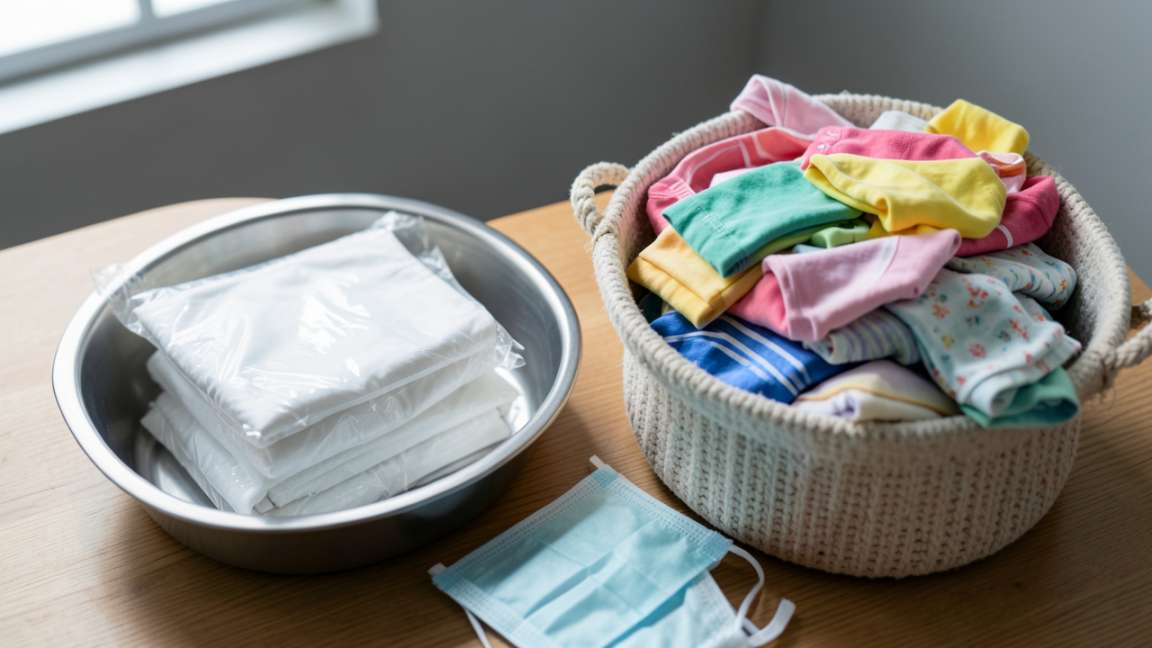
Home washing machines cannot match the sanitation levels of hospital-grade laundry equipment. Hospital laundry facilities use water temperatures above 160 degrees Fahrenheit, industrial detergents, and chemical disinfectants. These methods eliminate nearly all pathogens.
Home washing machines typically max out at 140 degrees Fahrenheit for hot water settings. Many people wash innerwear in warm or cold water, which leaves bacteria alive on the fabric. The CDC recommends washing hospital garments separately from household items.
- Hospital laundry uses thermal disinfection at 160-180 degrees Fahrenheit for at least 10 minutes.
- Chemical disinfectants like chlorine bleach or hydrogen peroxide are standard in hospital laundry protocols.
- Hospital innerwear is typically changed daily by nursing staff as part of infection control procedures.
- Home dryers can reach 130-140 degrees, which kills many but not all bacterial strains on fabric.
- Patients who bring innerwear from home should wash it in hot water with bleach whenever possible.
| Factor | Hospital Laundry | Home Laundry |
|---|---|---|
| Water Temperature | 160-180 degrees Fahrenheit | 70-140 degrees Fahrenheit |
| Disinfectants Used | Industrial bleach, hydrogen peroxide, quaternary ammonium | Standard laundry detergent, optional bleach |
| Change Frequency | Daily or as needed | Varies (often 2-3 days) |
| Pathogen Elimination | 99.9% of pathogens killed | 70-90% with standard methods |
Best Fabrics for Hospital Innerwear Hygiene
The material of your innerwear directly affects how well you stay clean. Some fabrics trap moisture and bacteria. Others allow airflow and keep your skin dry.
Cotton and Natural Fibers
Cotton breathes better than almost any other fabric. It absorbs moisture away from your skin and allows air circulation. natural fiber clothing for patients because it reduces moisture buildup that bacteria need to thrive.
Cotton also withstands high-temperature washing without breaking down. You can wash cotton innerwear in hot water with bleach repeatedly without ruining the fabric. This makes cotton the gold standard for hospital innerwear.
Synthetic Fabrics to Avoid
Polyester, nylon, and spandex trap heat and moisture against your skin. These synthetic fabrics create a perfect environment for bacteria and fungi to multiply. Patients wearing synthetic undergarments have higher rates of skin irritation and infection.
- Cotton allows air to circulate and keeps skin dry throughout the day.
- Bamboo fabric offers natural antibacterial properties and superior breathability.
- Polyester traps moisture and increases the risk of bacterial skin infections.
- Nylon can cause heat rash and skin irritation in bedridden patients.
- Cotton-polyester blends offer some breathability but less than pure cotton.
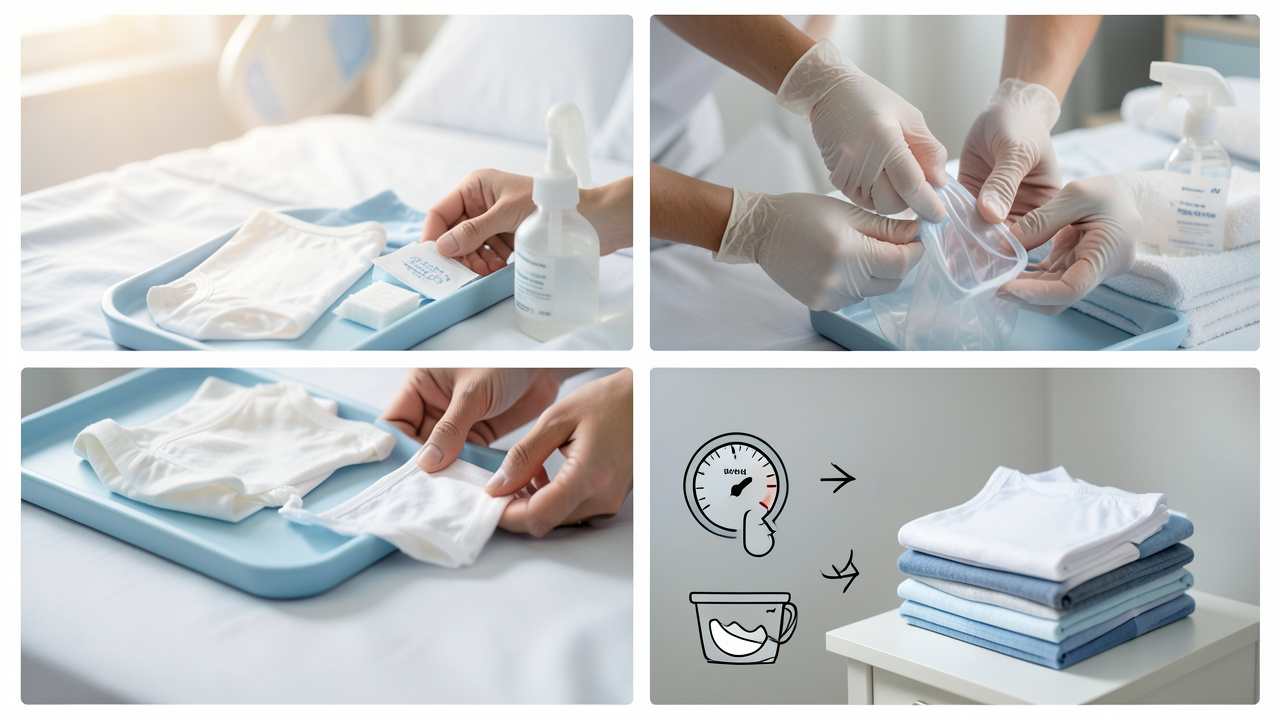
Step-by-Step Guide to Hospital-Stay Innerwear Hygiene
You can take control of your innerwear hygiene with a few simple steps. Follow this process every day during your hospital stay to minimize infection risk.
Step 1: Request Fresh Innerwear Daily
Ask your nurse for clean hospital gowns or undergarments every morning. Hospital staff expect this request and have supplies ready. Do not wait for someone to offer fresh linens.
Step 2: Wash Your Hands Before Changing
Hand hygiene is the most important step in preventing contamination. Use soap and water or alcohol-based hand sanitizer before touching clean innerwear. Your hands pick up bacteria from bed rails, call buttons, and door handles.
Step 3: Inspect the Fabric Before Wearing
Check your innerwear for any stains, dampness, or tears before putting it on. Ask for a replacement if you see anything unusual. Hospital laundry sometimes misses spots, and damaged fabric can harbor bacteria.
Step 4: Change Immediately After Sweating or Soiling
You may sweat from fever, medication, or being under blankets. Change your innerwear right away if you feel damp or soiled. Bacteria can multiply to dangerous levels within hours in warm, moist fabric.
Step 5: Store Clean Innerwear Properly
Keep clean innerwear in the drawer or bag provided by the hospital. Do not place it on bed rails, chairs, or tables where other patients or visitors have touched surfaces. Contamination happens fast in hospital environments.
- Request fresh innerwear from nursing staff every morning without fail.
- Wash your hands thoroughly for at least 20 seconds before touching clean garments.
- Inspect every piece of innerwear for stains, moisture, or damage.
- Change innerwear immediately if you sweat, have incontinence, or spill anything.
- Store clean items separately from used items to prevent cross-contamination.
Common Myths vs Facts About Hospital Innerwear Hygiene
Myth: Hospital gowns are always sterile
Hospital gowns are clean but not sterile. They go through industrial washing that kills pathogens, but they are not packaged in sterile wraps. Consider them clean enough for general use but not for direct contact with surgical wounds.
Myth: You can wear the same innerwear for your whole stay
Wearing the same innerwear for multiple days increases your infection risk dramatically. Bacteria accumulate on fabric over time, especially when you stay in bed for long periods. Change innerwear at least every 24 hours.
Myth: Home laundry is just as good as hospital laundry
Home washing machines cannot reach the temperatures or use the chemicals that hospital laundry employs. A study from shows that home laundering leaves significant bacterial residue compared to hospital-grade washing.
Tip: If you bring innerwear from home, consider it a single-use item. Wear it once, then either wash it in hot water with bleach or dispose of it. The effort of home washing may not be worth the infection risk during your hospital stay.
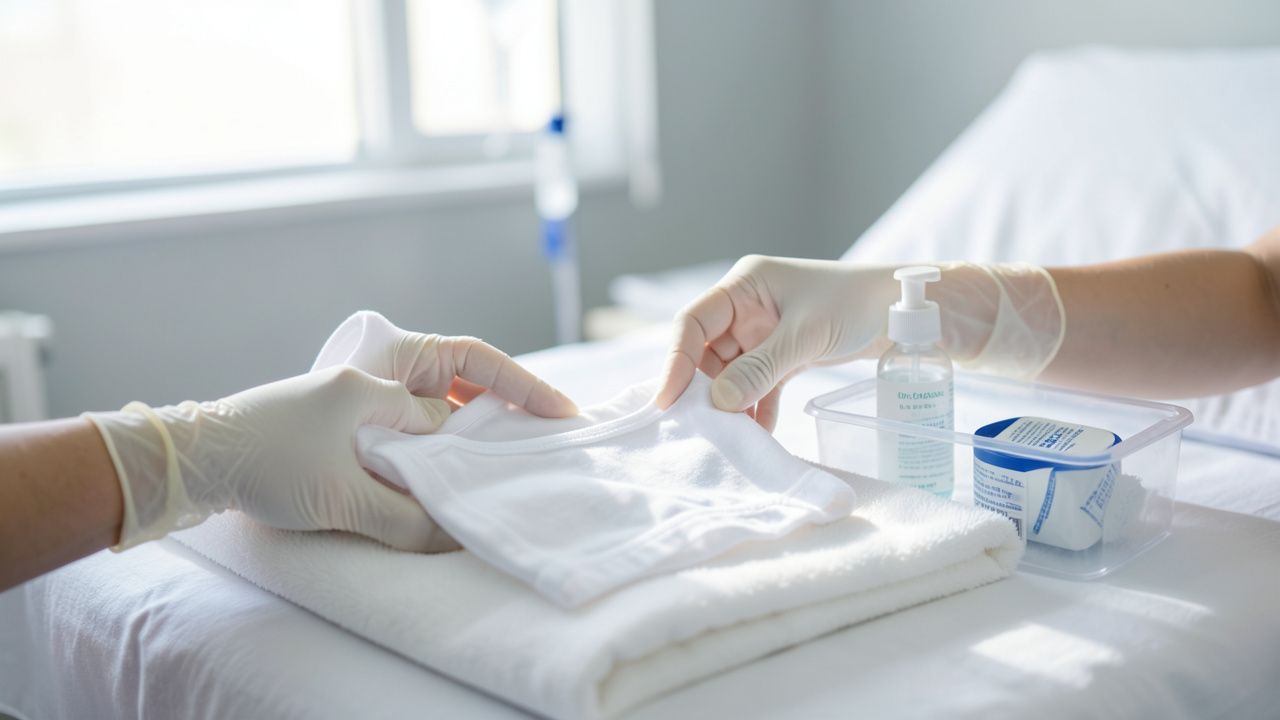
How to Handle Innerwear for Surgical Patients
Surgical patients face unique innerwear hygiene challenges. You may have limited mobility, surgical drains, IV lines, or wound dressings that complicate changing clothes.
Before surgery, your medical team will likely ask you to remove all personal innerwear. You will wear a clean hospital gown that allows easy access for procedures and monitoring. This gown is changed after surgery to a fresh one.
Hospital-stay innerwear hygiene becomes even more critical after surgery because of incisions and bandages. According to the, surgical site infections affect 2-5% of surgery patients and contaminated linens can contribute to these infections.
- Do not wear your own underwear immediately after surgery unless your doctor approves it.
- Ask your nurse to help you change innerwear if you have limited mobility or drains.
- Keep innerwear away from surgical wounds, IV sites, and catheter insertion points.
- Use hospital-provided mesh underwear if you have incontinence or heavy bleeding.
- Report any signs of skin irritation, redness, or discharge around your innerwear area.
What Hospital Staff Want You to Know
Nurses and infection preventionists understand innerwear hygiene better than anyone. They see the consequences of poor hygiene every day. Here is what they want you to know.
Hospital staff follow strict protocols for linen handling. They separate clean from dirty linens. They use special bags for contaminated items. But patients often undo this work by mixing clean and dirty items together.
You can help by keeping your belongings organized. Use the storage bins provided. Do not pile clean clothes on the same surface where dirty laundry sits. Simple organization prevents cross-contamination.
Important: If you notice any skin changes, rashes, or irritation around areas where innerwear contacts your skin, tell your nurse immediately. Early detection of skin infections leads to faster treatment and prevents complications.
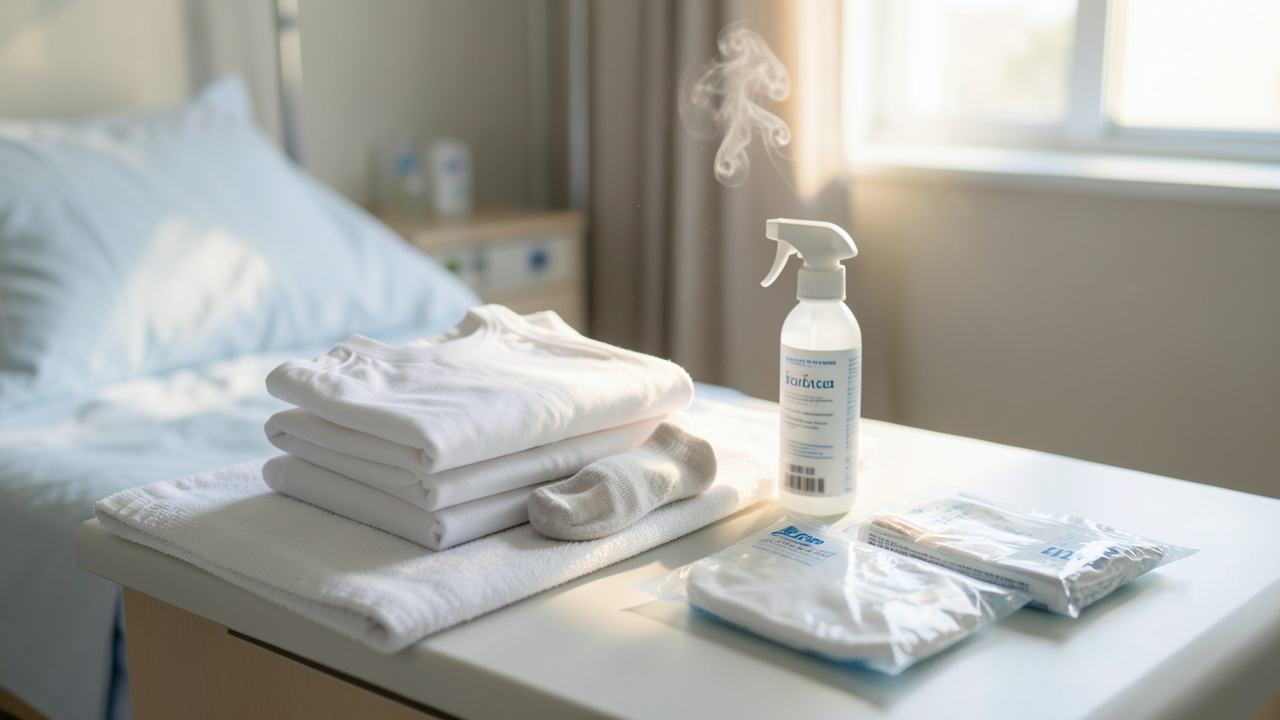
Pro Tips for Better Hospital Innerwear Hygiene
These expert recommendations go beyond basic hygiene. Implement these tips to maximize your protection during a hospital stay.
Pack Your Own Innerwear Strategically
If you bring innerwear from home, choose loose-fitting cotton items. Bring at least one set for each day you expect to stay plus two extras. Label them clearly with your name so they do not get lost in hospital laundry.
Use Disposable Options for High-Risk Situations
Disposable underwear is available for patients with incontinence, after childbirth, or during isolation precautions. These are sterile and designed for single use. Ask your nurse about them if you think you might benefit.
Keep a Hygiene Kit at Your Bedside
Pack a small bag with alcohol wipes, hand sanitizer, a clean change of innerwear, and a plastic bag for soiled items. Keep this within reach so you can maintain hygiene even when the nurse is busy.
- Choose cotton over synthetic fabrics for breathability and hygiene.
- Pack one set of innerwear per day plus two extra for your hospital stay.
- Use alcohol wipes to clean your hands before handling any clean garments.
- Ask for disposable underwear if you have incontinence or after surgery.
- Report any skin irritation or rashes to your nurse immediately.
Costs and Timeline Considerations
Hospital-provided innerwear comes at no extra cost to patients covered by insurance or Medicare. You pay for these items as part of your room and board charges. Private room rates typically include daily linen changes.
If you bring your own innerwear from home, consider the laundry costs. Hospital laundry services may wash your personal items for a fee. Some hospitals offer this service for free. Ask at the nurses station about laundry policies.
Daily innerwear changes take about 5-10 minutes when you do them yourself with assistance. Nurses can help in about the same amount of time. Plan around medication schedules and shift changes for best results.
| Innerwear Source | Cost | Hygiene Level | Convenience |
|---|---|---|---|
| Hospital Gown | Included in room rate | High (hospital-laundered) | Very easy |
| Personal Cotton Innerwear | $5-15 per set | Moderate (home-laundered) | Moderate |
| Disposable Underwear | $1-3 per pair | High (sterile) | Very easy |
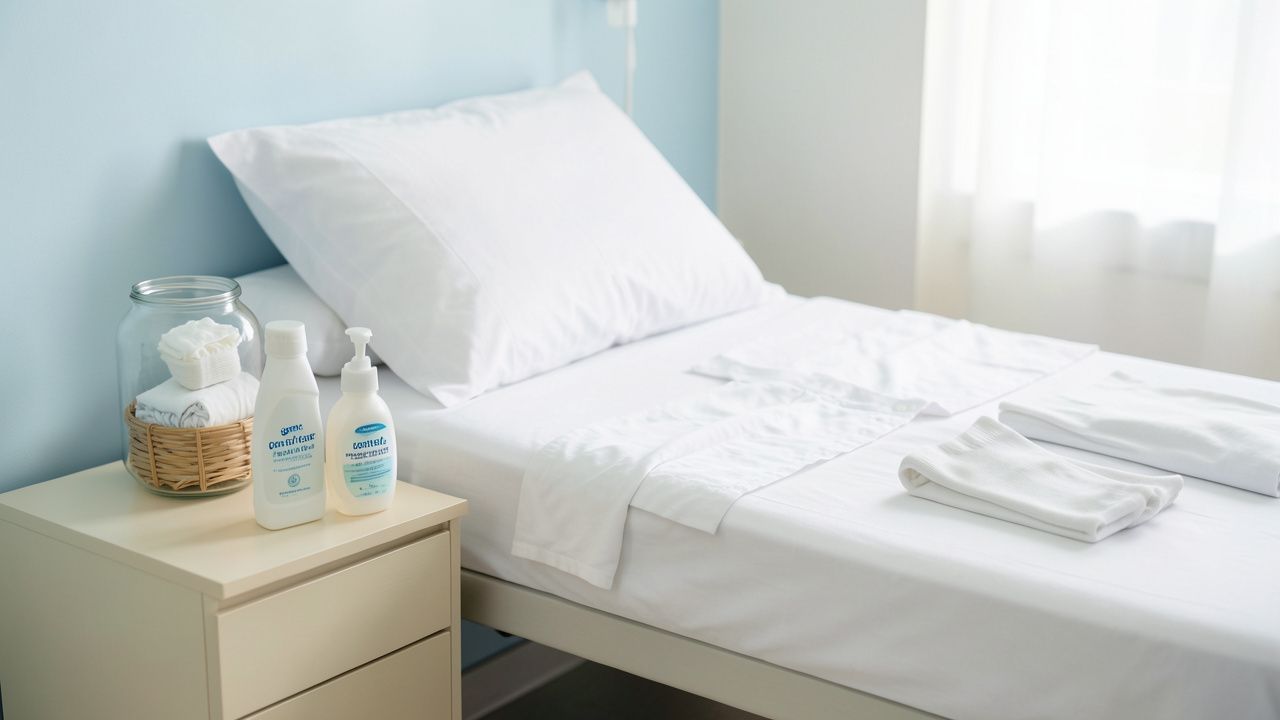
Resources and Tools for Hospital Innerwear Hygiene
- CDC Guidelines – Official recommendations for infection control in healthcare settings.
- WHO Patient Safety – Global standards for preventing hospital-acquired infections.
- Association for Professionals in Infection Control – Industry resources for healthcare hygiene practices.
- Joint Commission – Hospital accreditation standards including linen and hygiene protocols.
- Textile Rental Services Association – Information on hospital-grade laundry and textile hygiene.
Frequently Asked Questions
Can I bring my own underwear to the hospital?
Yes, you can bring your own underwear to the hospital in most cases. Choose loose-fitting cotton items and pack at least one pair for each day you expect to stay. Label everything clearly with your name to avoid loss.
How often should I change my innerwear in the hospital?
Change your innerwear at least every 24 hours during a hospital stay. Change more often if you are sweating, have incontinence, or have any skin irritation. Daily changes significantly reduce bacterial buildup and infection risk.
Are hospital gowns sterile?
Hospital gowns are clean but not sterile. They are processed through industrial laundry systems that kill 99.9% of pathogens. They are safe for general use but should not contact open wounds or surgical sites directly.
What should I do if my innerwear gets wet or soiled?
Ask your nurse for a fresh set of innerwear immediately. Do not continue wearing wet or soiled garments. Bacteria multiply rapidly in moist fabric and can cause skin infections within hours.
Can laundry from home give me an infection in the hospital?
Home-laundered innerwear carries higher bacterial loads than hospital-laundered items. Wash your innerwear in hot water with bleach before bringing it to the hospital. Consider using hospital-provided items to minimize infection risk.
Final Thoughts
Hospital innerwear hygiene directly affects your infection risk and recovery speed. Change your garments daily, choose cotton fabrics, and follow proper hand hygiene before handling clean items. The small effort of maintaining good hygiene habits can prevent serious complications during your hospital stay.