Seasonal Innerwear Rotation: A Complete Guide Right Now
Seasonal innerwear rotation means cycling your underwear, bras, and base layers to match fabric weight and breathability with the current weather, directly improving comfort and extending garment life. Cotton and bamboo fabrics work best for warm months, while microfiber and merino wool are ideal for cold weather, and proper rotation reduces drawer clutter. Bras should be replaced every 6 to 9 months and underwear every 6 to 12 months depending on wear frequency, with air-drying and delicates bags nearly doubling the lifespan of each piece.
Your innerwear works hard every day, yet most people wear the same bras and briefs all year long. This guide shows you how a seasonal innerwear rotation boosts comfort and extends the life of your clothes.
In short, seasonal innerwear rotation means cycling your underwear, bras, and base layers based on the current weather. You wear breathable cottons and meshes in summer and switch to warmer, moisture-wicking blends in winter. This method extends garment life, reduces drawer clutter, and helps your skin stay comfortable in every season.
Key Takeaways
- A proper seasonal innerwear rotation matches fabric weight and breathability to the current weather for maximum comfort.
- Cotton and bamboo fabrics work best for warm months, while microfiber and merino wool are ideal for cold weather.
- Bras should be replaced every 6 to 9 months, and underwear every 6 to 12 months, depending on how often you wear them.
- Using a delicates bag and air-drying your innerwear can nearly double the lifespan of each piece.
- Building a capsule collection for your innerwear saves drawer space, reduces decision fatigue, and lowers your yearly clothing costs.
How to Build a Seasonal Innerwear Rotation
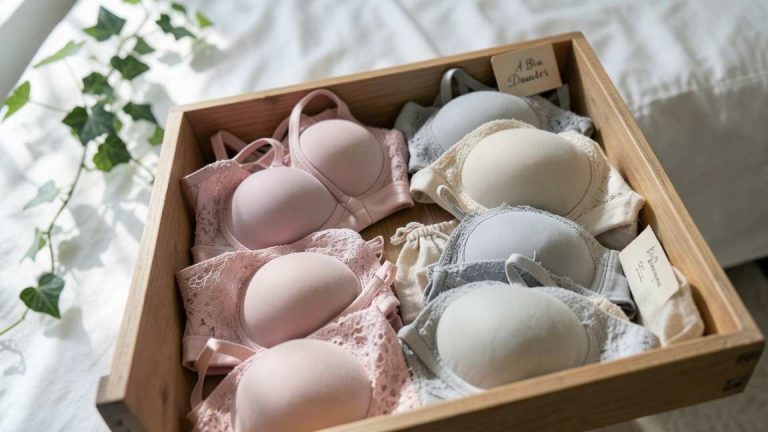
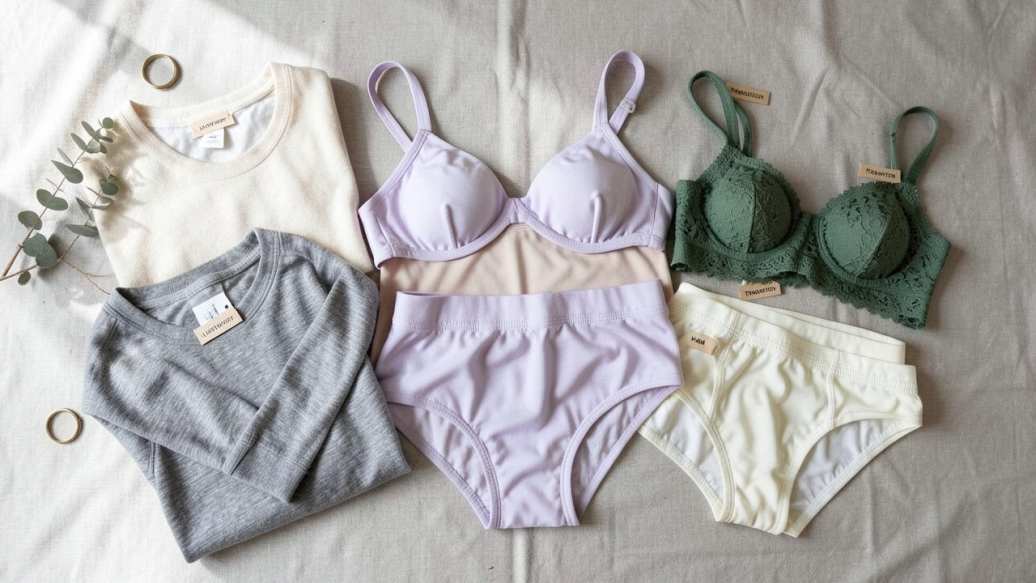
Building your rotation starts with a full drawer audit. Take everything out and sort it into three piles: keep, replace, and donate. This gives you a clear picture of what you own and what you actually need.
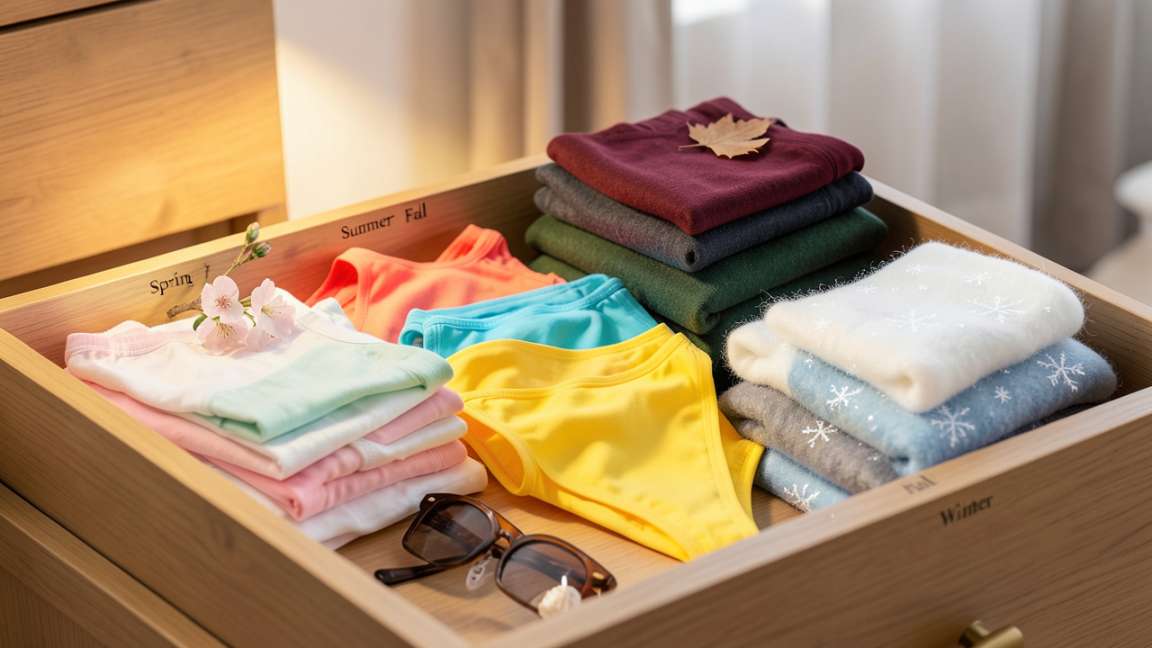
Next, assess the fabric of each piece. Thin cotton and mesh pieces are best for hot weather. Thicker modal or microfiber works well for spring and fall. Wool or thermal blends belong in a winter bin.
Follow these steps to set up your system for the first time.
- Audit your current collection and discard any items with stretched elastic, holes, or permanent stains.
- Sort the remaining pieces into groups based on fabric weight: warm weather, cool weather, and year-round basics.
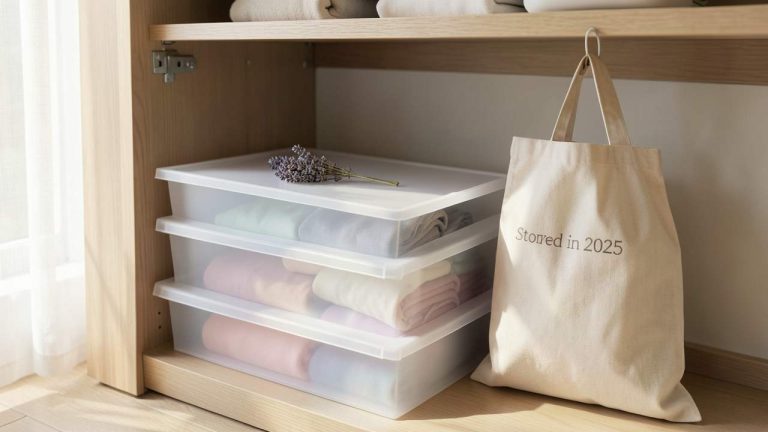
- Store the out-of-season items in a clean, breathable bin or vacuum-sealed bag.
- Set a recurring calendar reminder to swap your rotation when the seasons change in March and September.
- Buy replacement pieces 1 to 2 months before the new season starts to get the best selection and price.
Tip: Rotate your bras every 24 hours. Letting the elastic bands rest for a full day between wears helps them hold their shape for several extra months.
What Are the Best Fabrics for Each Season?
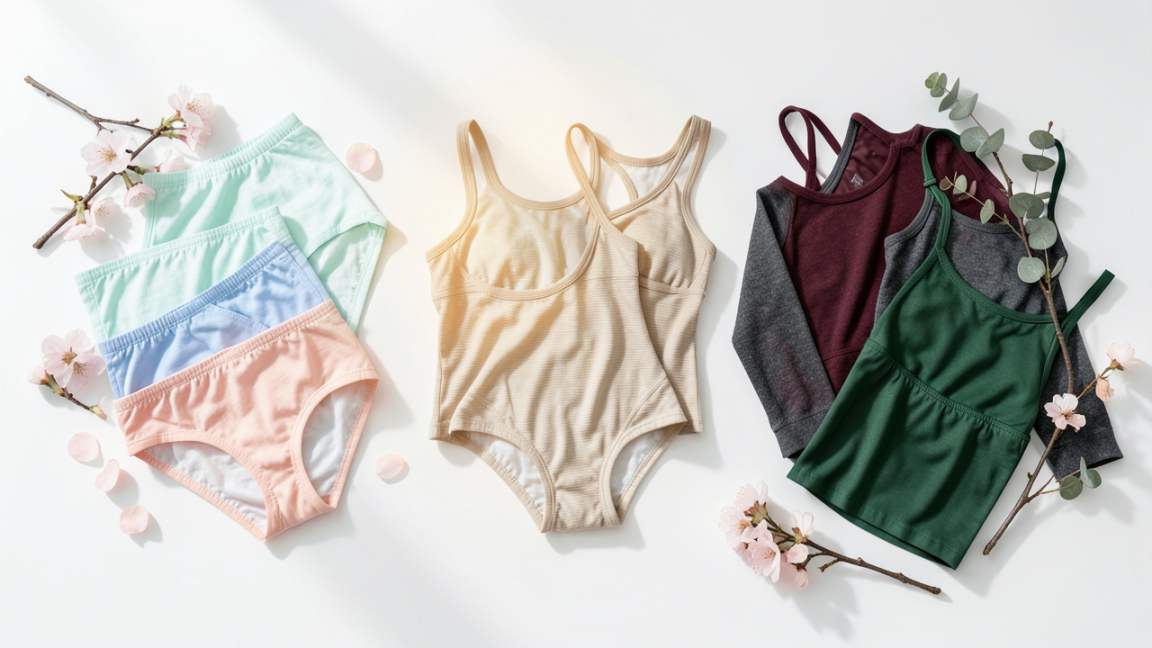
Choosing the right fabric is the most important part of a seasonal rotation. Each material has specific strengths that make it better for certain temperatures and activities.
| Fabric | Best Season | Key Benefit | Care Level |
|---|---|---|---|
| Cotton | Summer | Highly breathable and hypoallergenic | Easy |
| Modal | Spring/Summer | Soft, silky, and wrinkle-resistant | Medium |
| Microfiber (Nylon/Spandex) | Year-Round | Moisture-wicking and four-way stretch | Easy |
| Merino Wool | Winter | Natural insulation and odor resistance | High (Hand Wash) |
| Bamboo Viscose | Spring/Summer | Eco-friendly and temperature regulating | Medium |
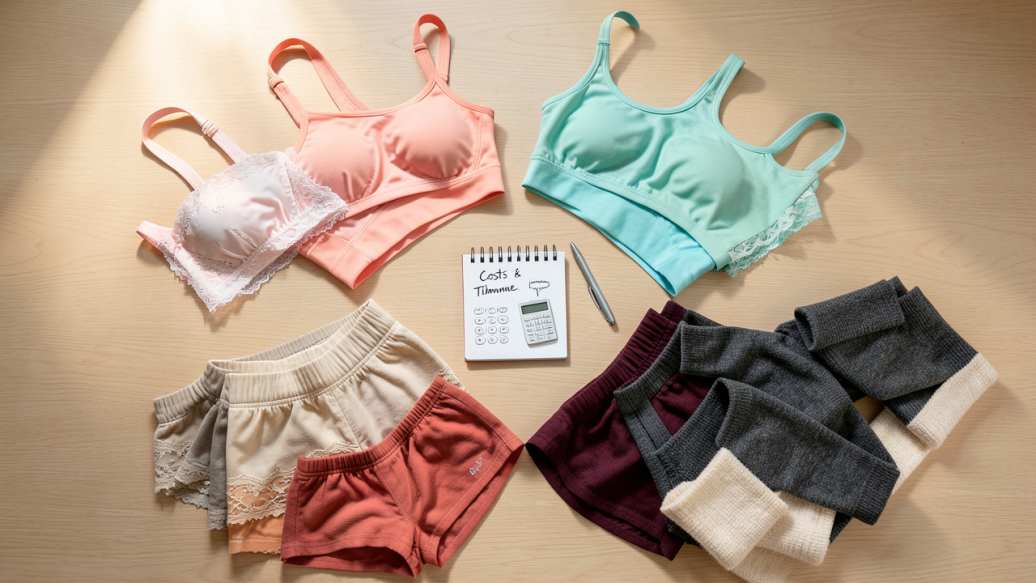
Costs and Timeline for a Full Rotation
Setting up a seasonal rotation requires an upfront investment, but it saves you money over time. When you rotate pieces, each item gets worn less often per year. This means fewer trips to the store for replacements.
Below is a realistic breakdown of what a typical rotation costs and how long each item type lasts.
| Item Type | Average Cost | Lifespan with Rotation | Washes Before Replacement |
|---|---|---|---|
| Cotton Briefs (Pack of 7) | $25 to $40 | 12 to 18 months | 30 to 40 washes |
| Microfiber Bras | $20 to $30 each | 9 to 12 months | 25 to 35 washes |
| Merino Wool Baselayer | $40 to $80 each | 2 to 3 years | 50+ washes (air dry only) |
| Modal Boxers (Pack of 4) | $30 to $50 | 12 to 18 months | 35 to 45 washes |
Important: According to the, most people keep their underwear for 6 to 7 years, which is far too long. A seasonal rotation helps you track wear and replace items at the right time.
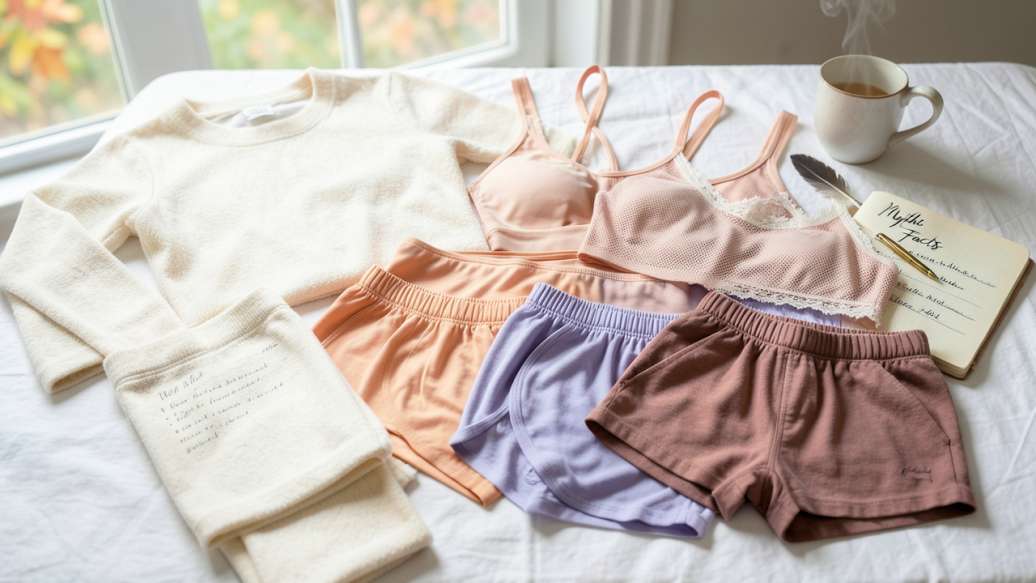
Common Myths vs Facts About Innerwear Rotation
Myth 1: Cotton is always the best choice for underwear.
Fact: Cotton is very breathable, but it holds onto moisture. For high-sweat activities or humid climates, synthetic blends like microfiber or modal wick sweat away and keep you much drier.
Myth 2: Underwear lasts until you can see holes.
Fact: Elastic degrades over time even if the fabric looks fine. According to, underwear loses its fit and support after 30 to 40 washes. Replace pieces based on their age, not just visible damage.
Myth 3: You need the same kind of underwear all year round.
Fact: Different seasons produce different amounts of sweat and body heat. Wearing thick thermal underwear in summer can cause heat rash. Wearing thin cotton briefs in winter leaves you cold. A rotation prevents both problems.
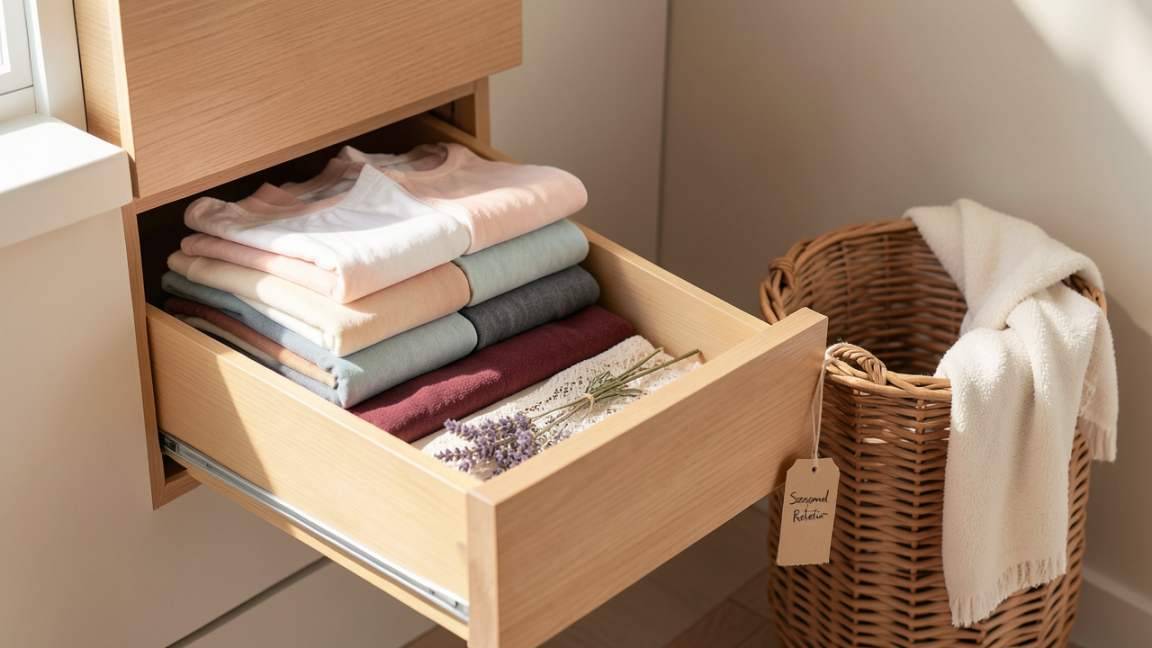
Pro Tips for Storing and Rotating
Proper storage and care make your seasonal rotation work smoothly. Follow these tips to keep your innerwear in top shape between seasons.
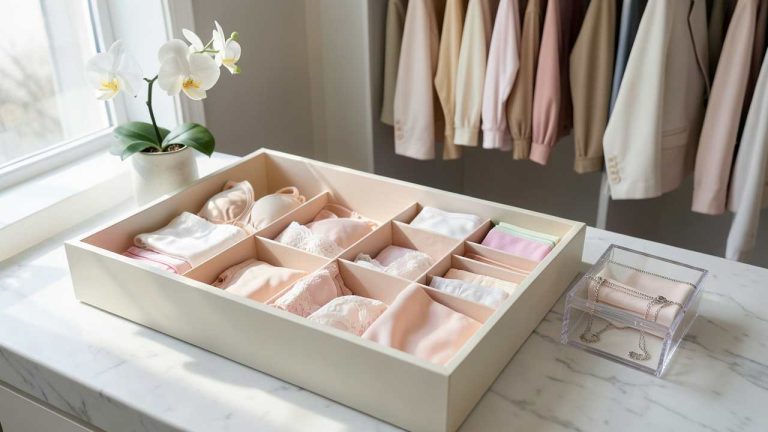
- Use drawer dividers to separate summer bras from winter bras. This makes swapping your rotation quick and simple.
- Store off-season items in vacuum-sealed bags. This protects them from dust and saves significant closet space.
- Wash all new innerwear before wearing it. This removes factory finishing chemicals and pre-shrinks the fabric.
- Air-dry your pieces on a flat rack. The heat from a dryer breaks down elastic fibers up to 50 percent faster than air drying.
- Use the KonMari folding method for underwear. Fold each piece into a small rectangle and stand it vertically in the drawer. This lets you see every item at a glance.
- Label your storage bins clearly with the season and size. This helps you find exactly what you need without searching.
Tip: Organize your drawer using the “first in, first out” rule. Place newer pieces at the bottom of the stack and older pieces on top. This ensures worn items get used before the elastic ages out.
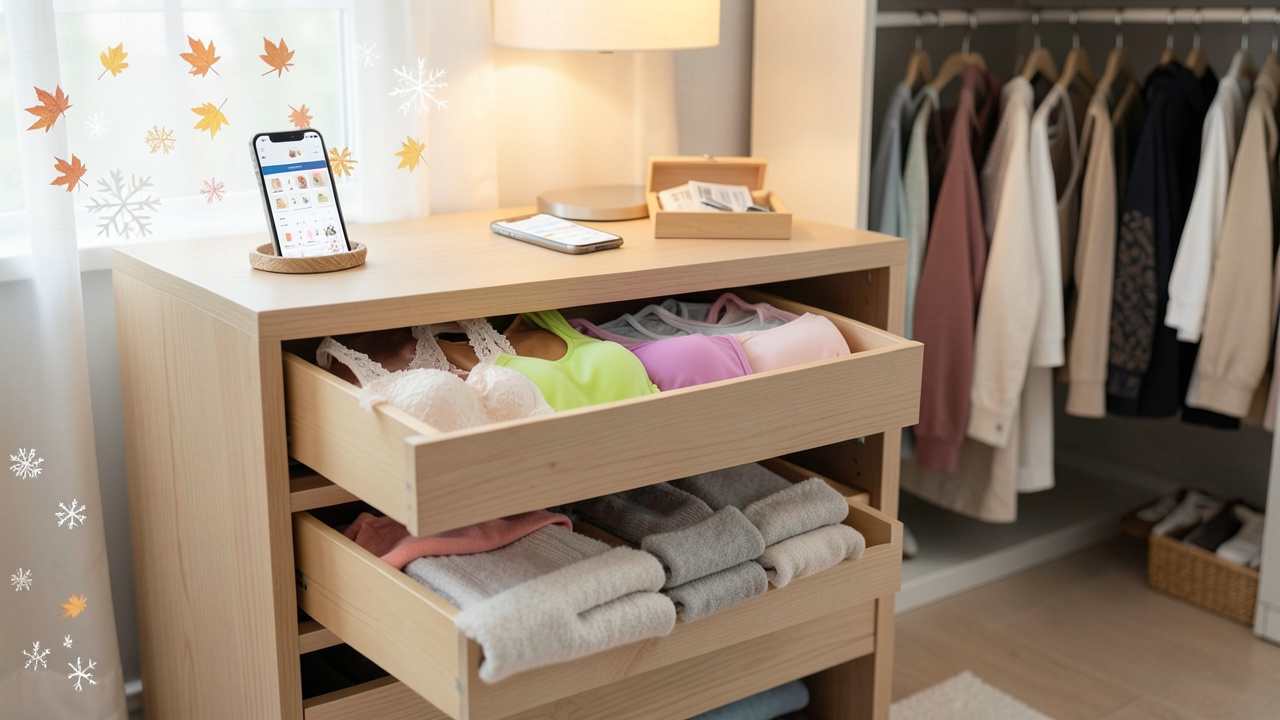
Resources and Tools for Your Rotation
Adjustable Drawer Dividers – Customize your drawer space to separate summer and winter items.
Delicates Washing Bags – Protect bras and silk items from snags during machine washing.
Vacuum Storage Bags – Compress off-season innerwear for compact, dust-free storage.
Textile Exchange Fabric Guide – Learn about the environmental impact and care for each fabric type.
Bombas – High-quality merino wool and cotton blends specifically designed for seasonal comfort.
Uniqlo Airism Line – Affordable microfiber and mesh options ideal for hot and humid weather.
Frequently Asked Questions
How often should I swap my seasonal innerwear rotation?
You should swap your rotation every 3 to 4 months, typically at the start of each season. A good rule is to switch in mid-March for spring and mid-September for fall.
Can I wear the same underwear all year round without issues?
You can, but you will likely be less comfortable. Heavy fabrics in summer trap heat and moisture. Light fabrics in winter offer no warmth. A rotation matches the fabric to the weather.
How many pieces do I need for a good rotation?
Most people do well with 7 to 10 pairs of underwear, 3 to 4 everyday bras, and 2 specialty items like sports bras or thermals. Adjust these numbers based on how often you do laundry.
What is the best way to store out-of-season innerwear?
Store clean, fully dry innerwear in a cool, dark place. Use breathable fabric bins or vacuum-sealed bags. Avoid bathrooms or basements where humidity can cause mildew growth.
Does fabric type really affect skin hygiene?
Yes, it does. According to, breathable fabrics reduce moisture buildup and lower the risk of fungal and bacterial infections. Choosing the right fabric for the season directly supports skin health.
Final Thoughts
A seasonal innerwear rotation is a small system change that improves your daily comfort and keeps your drawer organized. Focus on buying the right fabric for each season and store off-season items properly. Replace old pieces before the elastic wears out. Your skin, your schedule, and your wallet will all benefit from this simple habit.