Drawer Dividers for Innerwear: A Complete Guide Right Now
Drawer dividers for innerwear are compartmentalizing inserts that separate socks, underwear, bras, and shapewear into dedicated zones, preventing tangling and protecting delicate fabrics like lace and silk. Measuring drawer interiors before purchase is the most critical step, with bamboo dividers offering superior durability for permanent setups and fabric cubbies providing flexibility for varying drawer sizes. When combined with vertical folding methods such as KonMari, properly sized dividers maximize space and transform a chaotic drawer into a calm, efficient storage system that speeds up daily dressing.
A messy drawer can cost you time every single morning. This guide explains exactly how drawer dividers for innerwear can solve that problem once and for all.
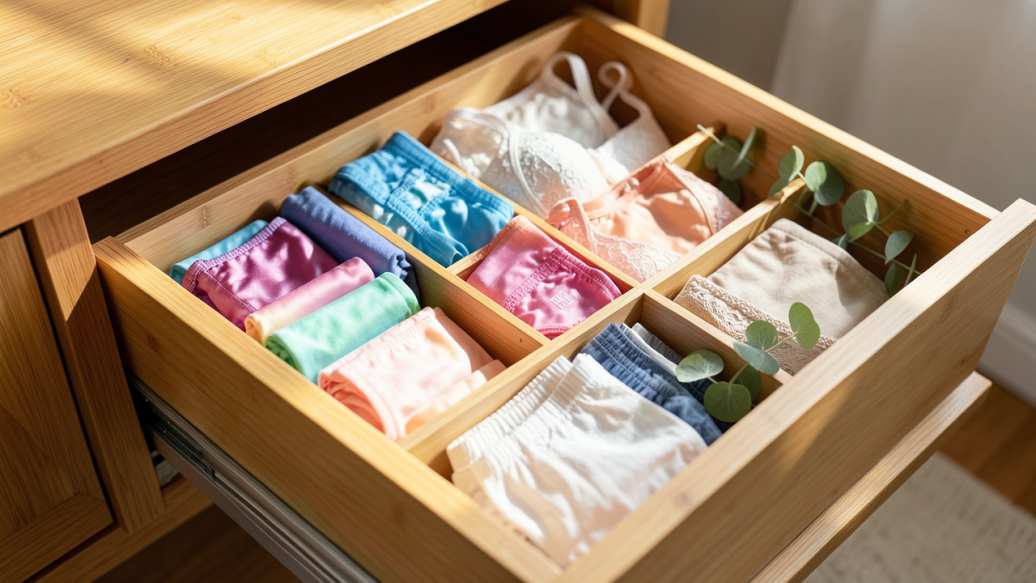
Simply put, drawer dividers for innerwear are compartmentalizing inserts that separate socks, underwear, bras, and shapewear into dedicated zones within your dresser. They prevent tangling, protect delicate fabrics, and make getting dressed faster by giving every item a specific home. They turn a chaotic drawer into a calm, efficient storage space.
Key Takeaways
- Drawer dividers for innerwear prevent damage to delicate fabrics like lace and silk by keeping items separated and reducing friction.
- Measuring your drawer interior correctly is the most critical step before purchasing any type of divider system.
- Bamboo dividers offer the most durability and a premium look, while fabric cubbies provide the most flexibility for different drawer sizes.
- The KonMari method of vertical folding works best when combined with properly sized drawer dividers to maximize space and visibility.
- Using drawer dividers can save you up to one hour per week by eliminating the time spent searching for matching pairs or specific items.
Why Use Dedicated Dividers for Underwear and Socks?
Most people treat their underwear drawer like a catch-all space. Throwing everything into one undivided area leads to tangles, lost socks, and damaged items. You may think you save time by skipping the organization, but you pay for it later.
According to a study by the, the average person spends up to an hour each day looking for misplaced items. That adds up to over two weeks per year. Drawer dividers for innerwear directly solve this problem by giving each item a fixed location.
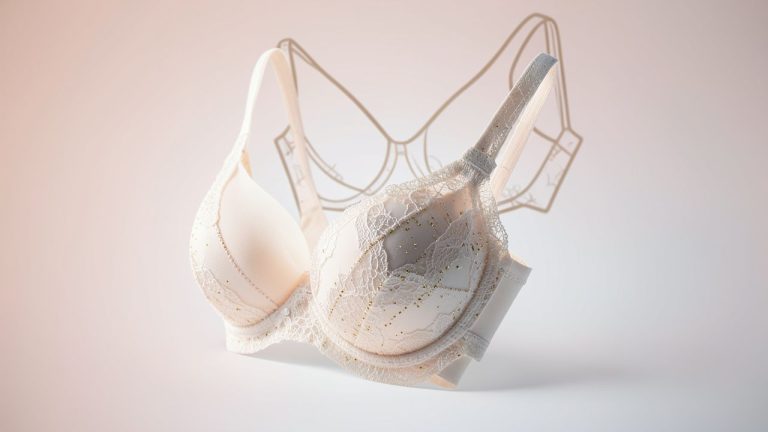
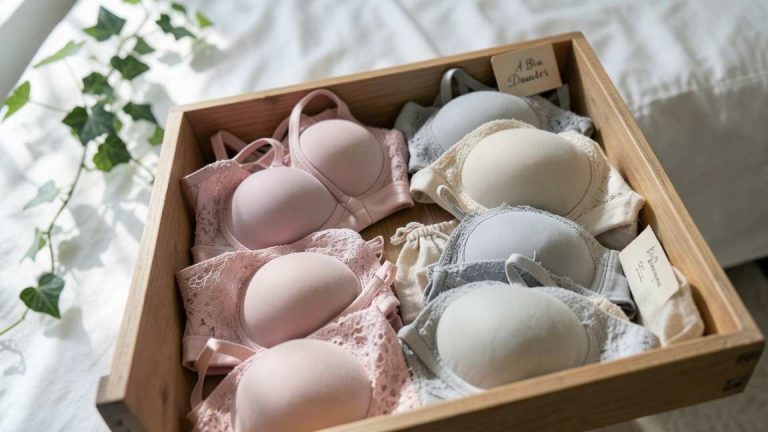
Dividers also protect your clothing investment. Bras lose their shape when stacked on top of each other. Silk underwear snags on bra straps and hook closures. A dedicated compartment for each type of item prevents this physical damage.
Tip: Store bras flat on their backs with the cups nested inside one another. This preserves the foam shape and prevents the underwire from poking through the fabric. Use a wide divider to keep them standing upright.
What Are the Main Types of Drawer Dividers?
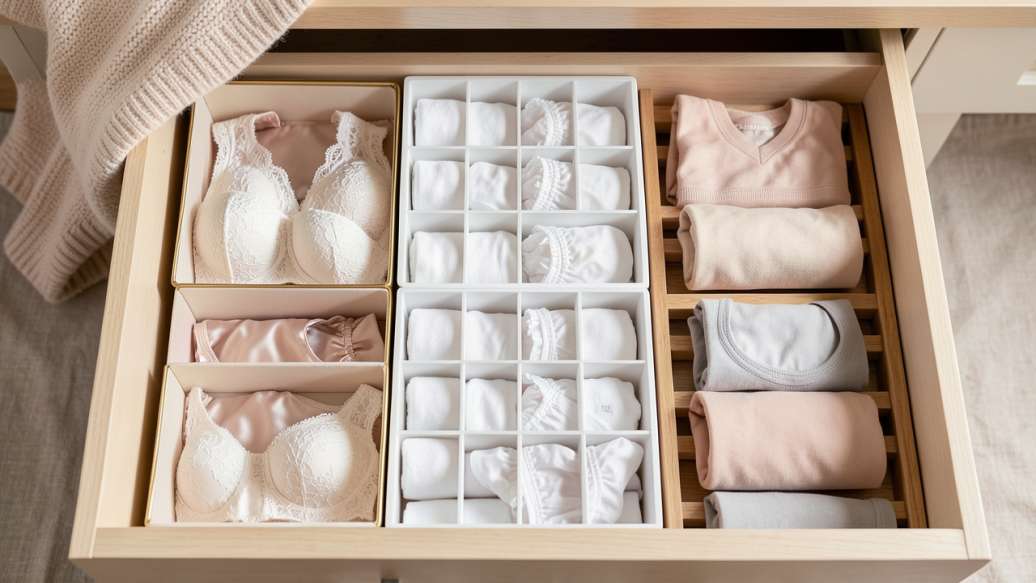
You have several material and style choices when shopping for drawer organization. Each type offers different benefits depending on your drawer size, budget, and personal style preferences.
| Material | Best For | Pros | Cons | Typical Price |
|---|---|---|---|---|
| Bamboo | Deep drawers, permanent setups | Durable, eco-friendly, looks premium | Fixed sizes, more expensive | $15 – $40 per set |
| Fabric (Mesh / Felt) | Standard drawers, renters | Lightweight, foldable, soft on clothes | Less stable, can sag over time | $10 – $25 per set |
| Plastic / Acrylic | Budget-friendly, high visibility | Clear view of contents, easy to clean | Can look cheap, may have sharp edges | $8 – $20 per set |
| Adjustable (Spring Loaded / Panels) | Odd-sized drawers, maximum flexibility | Fits any width, expandable to your space | Less sturdy than fixed dividers, can slide | $20 – $50 per set |
Each material works well for different needs. Bamboo gives you a permanent luxury feel. Fabric is best for renters who want a damage-free solution. Plastic offers a clear view of your entire collection. Adjustable systems work when your drawer dimensions are non-standard.
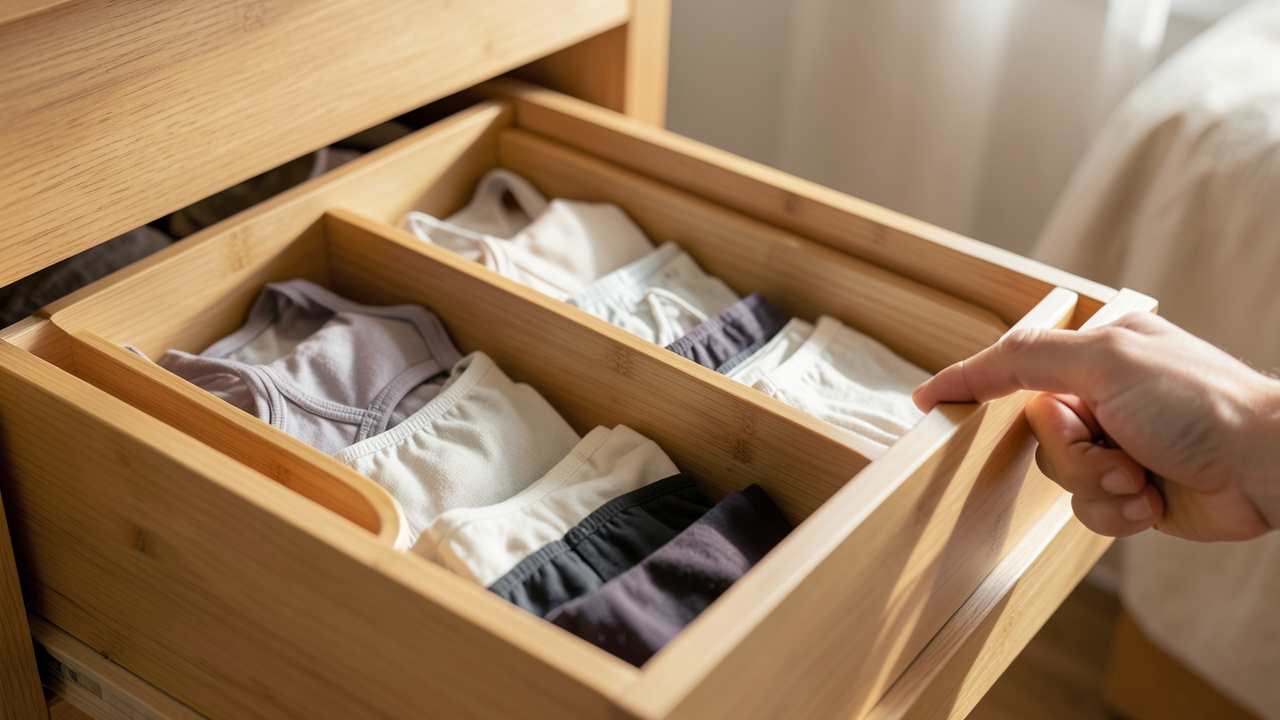
How to Choose the Right Dividers for Your Drawers
Selecting the perfect divider system requires more than just picking the first set you see. You need to match the product to your specific space and needs. Follow these three steps for the best results.
Step 1: Measure Your Drawer Interior
Measure the width, depth, and height of your drawer from the inside edges. Do not measure the exterior of the drawer. Most dividers require a specific depth to fit properly. Write these numbers down before you shop.
Warning: Avoid assuming all drawers are the same size. Even in the same dresser, one drawer can be a half-inch wider than another. Measure each drawer individually to ensure a perfect fit.
Step 2: Assess Your Innerwear Inventory
Count how many items you need to store. Group them by type: socks, standard underwear, bras, shapewear, and delicate items. Each category requires a different compartment size. Bras need wider compartments. Socks need narrower ones.
- Bras: 4-6 inches wide per compartment to prevent crushing the cups.
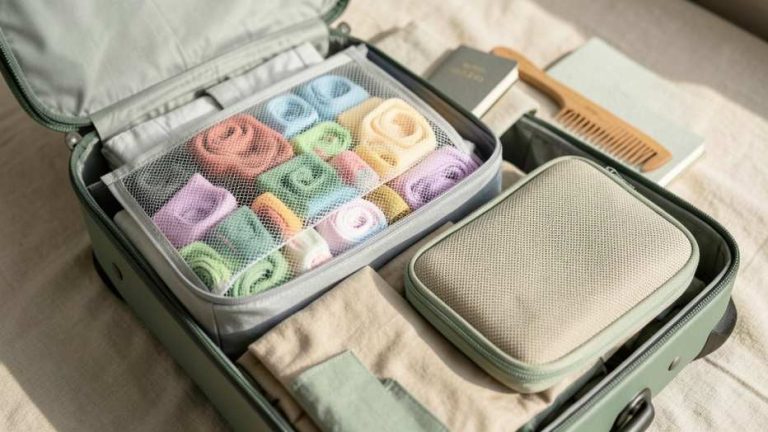
- Socks: 2-3 inches wide per pair when folded using the KonMari method.
- Standard Underwear: 2-3 inches wide per item when folded into a square.
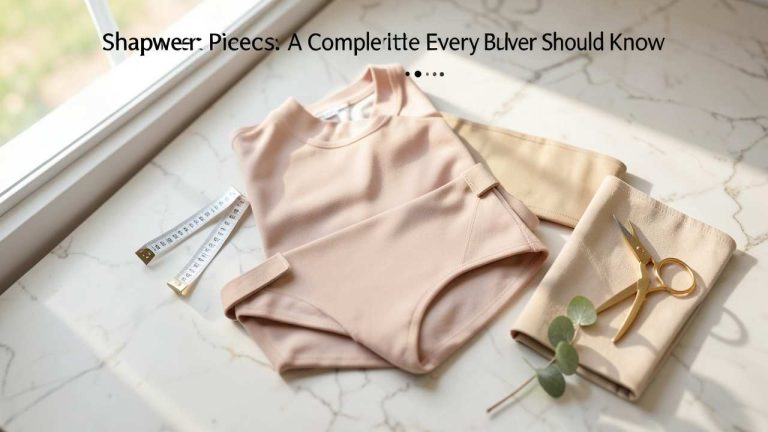
- Shapewear / Slips: 4-6 inches wide to avoid wrinkles.
Step 3: Match Material to Lifestyle
Choose bamboo if you want a permanent, stylish solution and your drawer dimensions are standard. Choose fabric if you move often or want to change configurations frequently. Choose plastic if you prioritize seeing everything at a glance. Choose adjustable systems if you have an unusually sized drawer.
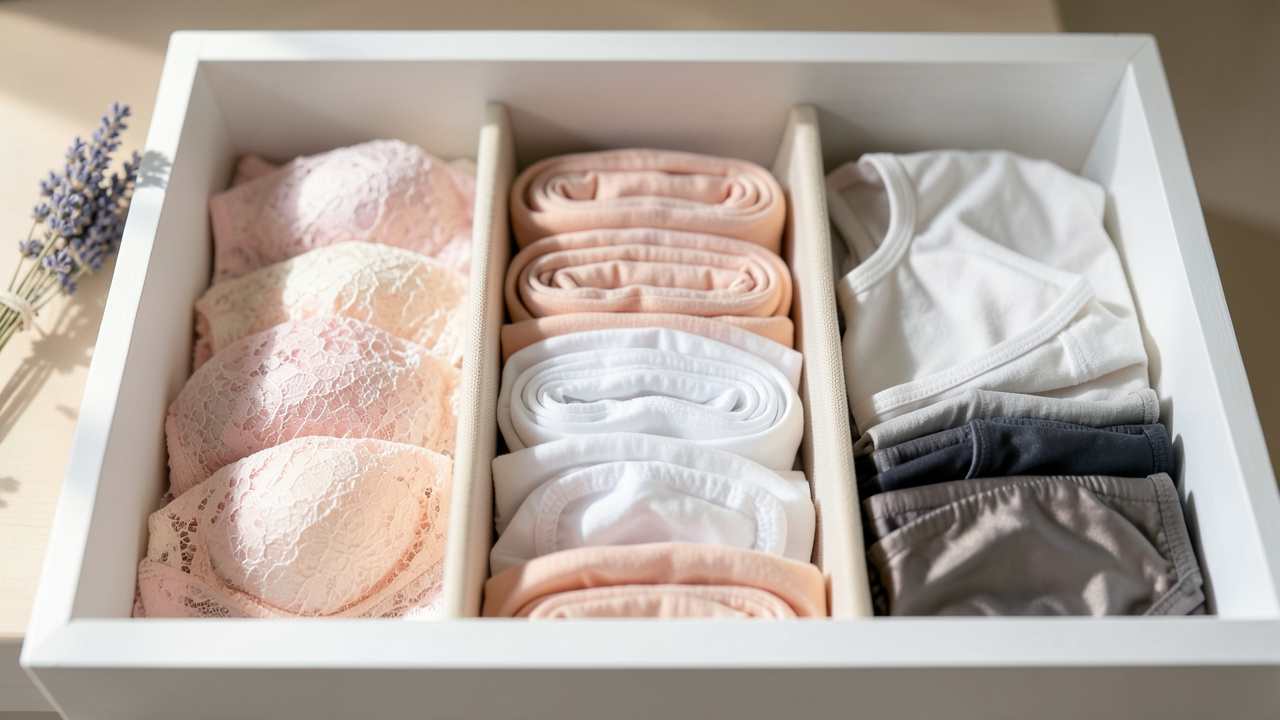
How to Organize Your Innerwear Drawer in 5 Steps
Once you have your dividers, the actual setup process is straightforward. Plan to spend about 30 minutes per drawer for the best results.
- Empty the drawer completely. Take everything out and place it on a flat surface. Wipe down the inside of the drawer with a damp cloth. Let it dry fully before putting anything back.
- Sort and declutter. Discard any socks with holes or missing partners. Remove underwear with stretched elastic. Donate items that no longer fit. Only keep what you actually wear. This prevents you from storing clutter behind new dividers.
- Install your dividers. Place the dividers inside the empty drawer according to your plan. Ensure they fit snugly but do not force them. Adjustable dividers should be locked into position. Non-slip pads can help keep fabric dividers from sliding.
- Fold items using vertical storage. Fold socks and underwear into small rectangles and stand them on their sides. This allows you to see every item at a glance without digging. The works perfectly for standard underwear and socks.
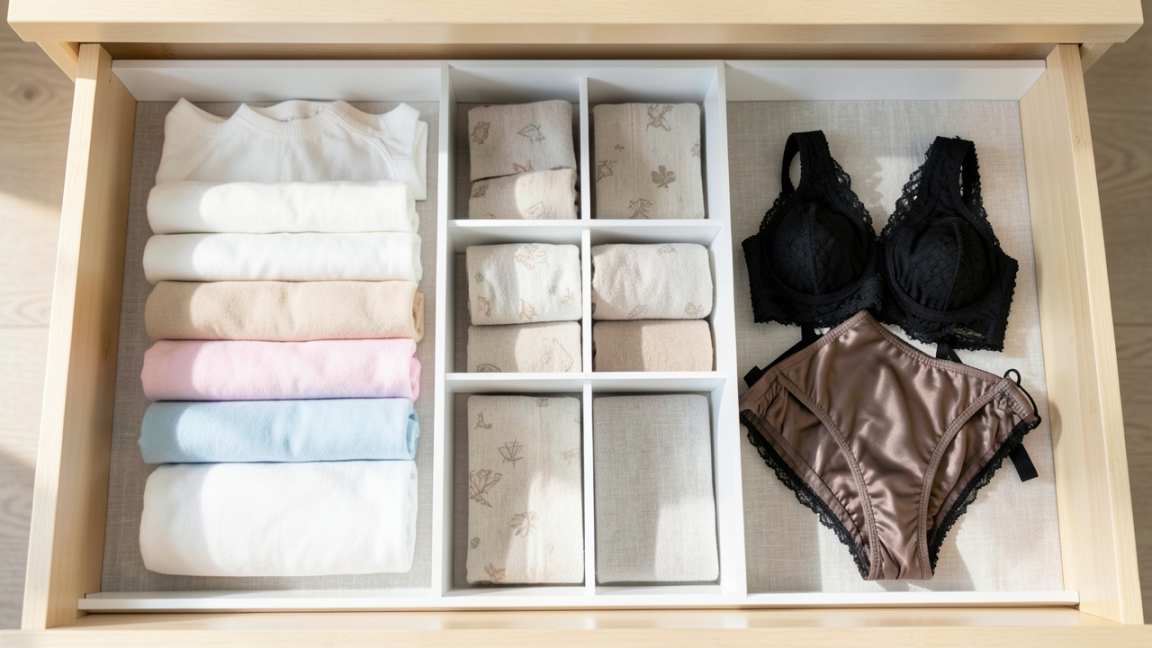
- Assign zones and adjust. Place socks in one compartment, everyday underwear in another, and bras in the widest section. Keep delicates separated. Step back and check if the arrangement feels intuitive. Make small adjustments as needed.
Tip: Place your most-worn items in the front compartments and seasonal items in the back. This reduces the friction of accessing your daily basics and keeps your system efficient.
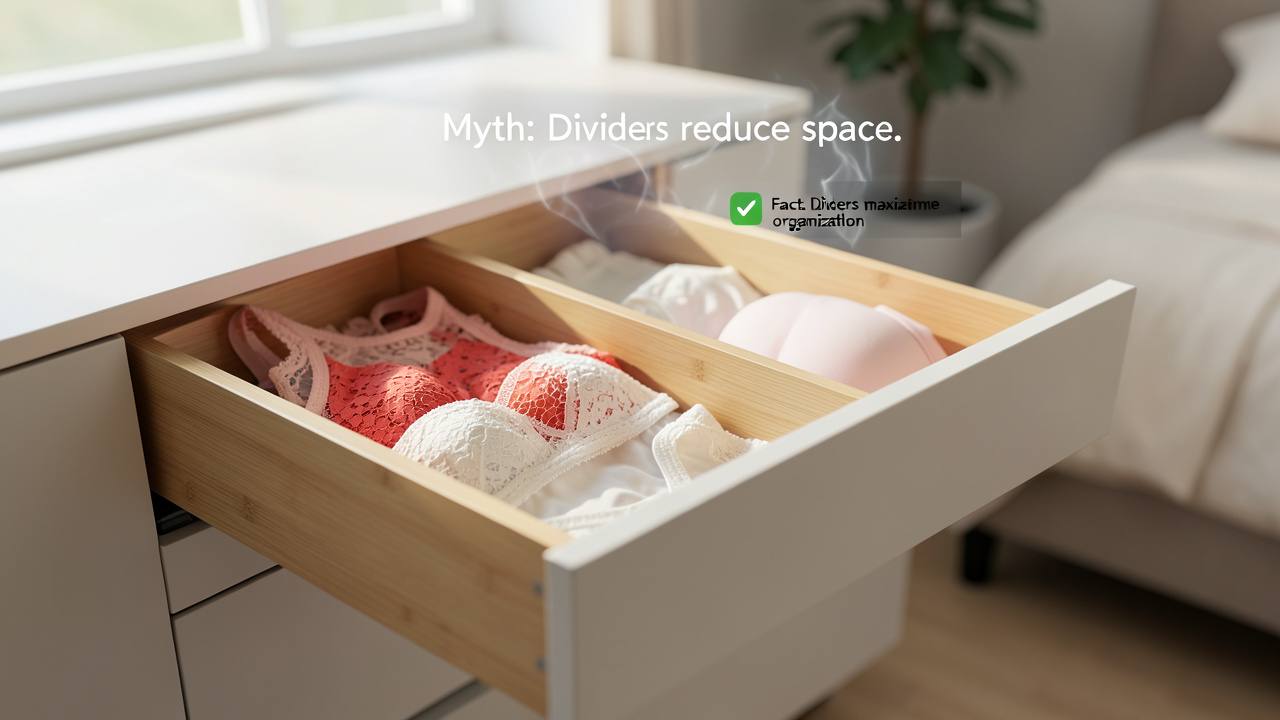
Common Myths vs Facts About Drawer Dividers
Many people hesitate to use drawer dividers because of widespread misconceptions. Here are three common myths and the truth behind them.
- Myth: All drawer dividers fit all drawers. This is false. Standard divider sets are often 12-16 inches deep and 16-24 inches wide. If your drawer is smaller or larger, you need a custom or adjustable solution. Measuring first prevents disappointment.
- Myth: Drawer dividers waste valuable space. The opposite is true. A well-divided drawer uses vertical space more efficiently. You can fit more items in a smaller footprint because everything is folded uniformly and stacked upright. Undivided drawers waste space through messy piles.
- Myth: You only need dividers if you have a large drawer. Small drawers benefit even more from compartmentalization. Dividers prevent small spaces from becoming chaotic piles. In a small drawer, every inch matters, and dividers ensure you use every inch effectively.
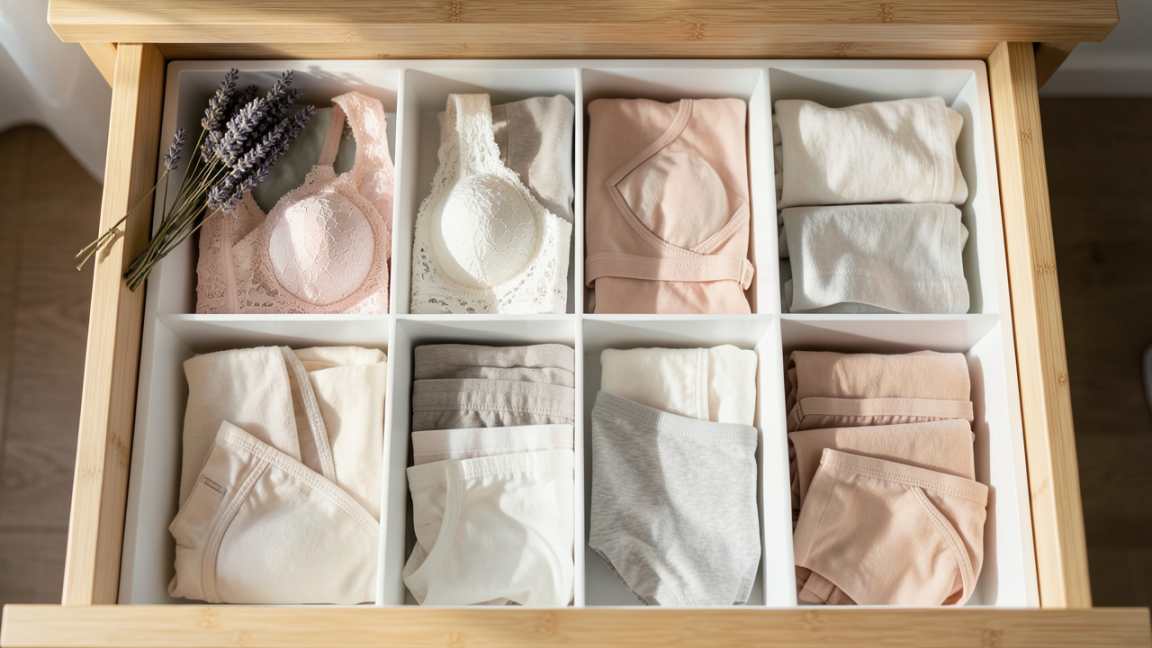
Where to Buy Drawer Dividers for Innerwear
You can find quality drawer dividers at several major retailers. Each store offers a slightly different range of styles and price points. Check out these options when you are ready to buy.
- The Container Store: Offers customizable modular drawer systems and a wide selection of. They have in-store experts who can help you plan your layout.
- IKEA: Known for affordable and minimalist options like the SKUBB series. These are fabric-based and come in multi-pack sets that work for standard dresser dimensions.
- Amazon: Provides the largest variety of adjustable, plastic, and fabric dividers for every budget. Look for sets with strong reviews that mention specific measurements.
- Target: Carries budget-friendly options from brands like Room Essentials and Brightroom. Their in-store shelves let you see the product quality before you buy.
- HomeGoods / Marshalls: A good option if you want to find discounted bamboo or decorative fabric bins. Stock is seasonal and varies by location, so check back often.
Frequently Asked Questions
What size drawer dividers do I need for underwear?
Standard compartments for folded underwear should be 2-3 inches wide and 4-5 inches deep. This size allows you to stand folded rectangles upright without them falling over. Measure your drawer depth first to ensure the dividers fit the full depth of the space.
Can I use drawer dividers for bras without damaging them?
Yes, but you need wide compartments. Bras require at least 4-6 inches of width per compartment so the cups do not get crushed. Store them flat on their backs or standing upright with the cups nested together. Avoid stacking heavy items on top of them.
Are bamboo drawer dividers better than plastic dividers?
Bamboo is generally better for durability and aesthetics, but it is less flexible. Plastic dividers are clearer and cheaper but may look less premium. Choose bamboo for permanent setups and plastic for temporary or budget-friendly solutions.
How do I keep fabric drawer dividers from sliding around?
Use non-slip shelf liner sheets underneath the dividers. Cut the liner to match the exact dimensions of your drawer. The rubbery grip holds the fabric dividers in place. You can also use adhesive Velcro strips on the bottom of the dividers.
How often should I reorganize my innerwear drawer?
Reorganize every three to six months. Seasonal changes are a good trigger. Remove items you no longer wear. Refold anything that has become messy. Decluttering regularly keeps the divider system functional and prevents overflow.
Final Thoughts
Drawer dividers for innerwear transform a frustrating morning routine into a quick, calm experience. They protect your delicate fabrics, save you time, and make your dresser feel larger than it is. Start by measuring your drawers and choosing a material that fits your lifestyle. The small effort of setting up a system today pays off every single morning.