A Small Closet Space: A Complete Guide for Everyday Wear
A small closet space for everyday wear can be made fully functional by editing your wardrobe down to 30-40 pieces that mix and match within a cohesive palette of 3-4 neutrals. Adding double hanging rods and over-the-door organizers effectively doubles your storage without any renovation. This system ensures every item gets worn regularly, since the average person uses only 20 percent of their clothes, and eliminates the daily frustration of a cramped closet.
You have a small closet space and need it to hold your daily outfits without constant frustration. This guide shows you how to organize, edit, and style your wardrobe so every piece works hard for you.
Simply put, a small closet space for everyday wear requires ruthless editing, smart storage tools, and a color palette that mixes easily. Focus on quality over quantity. Keep only what fits well and suits your life now. Use vertical space and organize by category to see everything at a glance. This makes getting dressed faster and less stressful.
Many people think they need more space. They do not. You need the right system. The average person wears only 20 percent of their clothes regularly, according to a 2022 study by the sustainability group Waste and Resources Action Programme. This means most of what you own sits unused. A small closet space forces you to choose what matters. That constraint is actually a gift.
Key Takeaways
- Editing your wardrobe to 30-40 pieces creates a functional small closet where every item gets worn regularly.
- Vertical storage solutions like double hanging rods and over-the-door organizers double your usable space without renovation.
- A cohesive color palette of 3-4 neutrals plus 2 accent colors makes mixing and matching effortless in a small closet.
- Seasonal rotation keeps your small closet focused on current weather and reduces visual clutter by 50 percent.
- Storage tools like slim velvet hangers, shelf dividers, and drawer organizers maximize every inch of your small closet space.
How to Declutter Your Small Closet Space
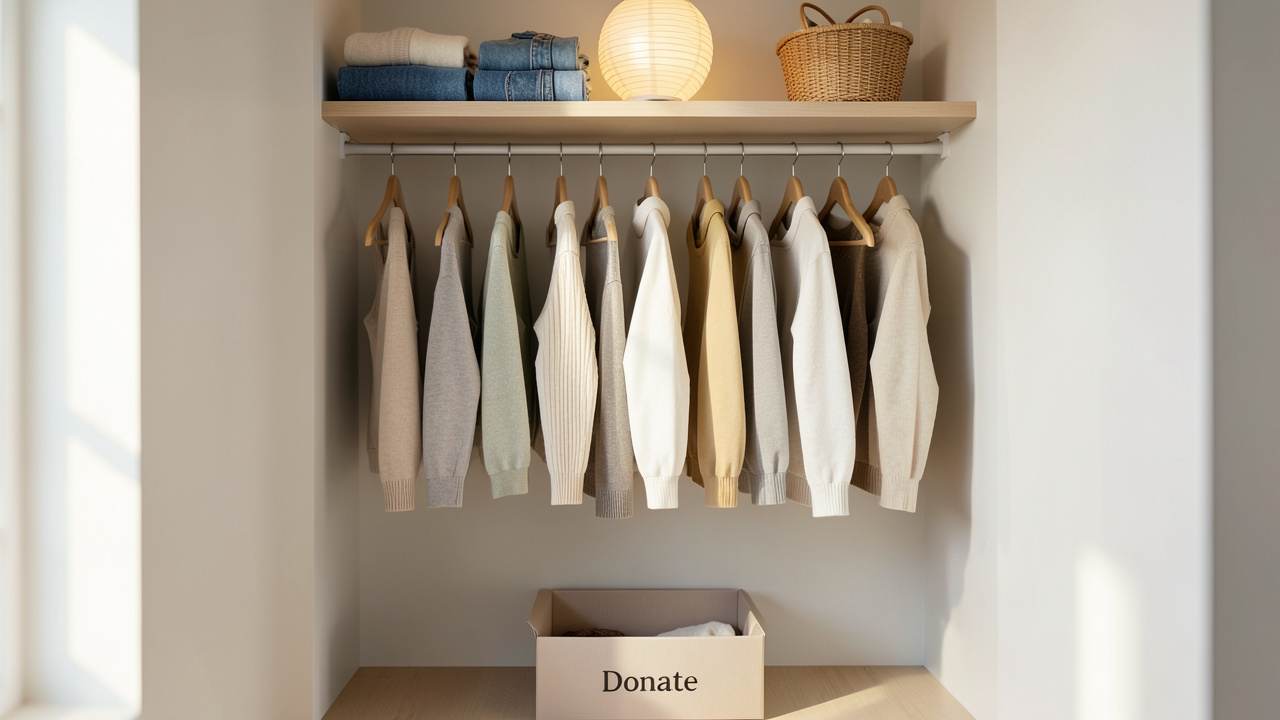
Decluttering is the first and most important step. You cannot organize a closet that is too full. Start by removing everything. Yes, everything. This lets you see what you actually own.
Tip: Lay all clothes on your bed. This visual forces you to face the real size of your wardrobe. It often shocks people into honest decisions.
Use the hanger test. After wearing an item, turn the hanger backward. After six months, any hanger still facing forward means you did not wear that piece. Donate or sell it. According to the, the average American owns 148 clothing items but regularly wears only 25 of them. That is a lot of unused fabric.
What to Keep
- Items that fit you well right now. Not clothes for a future body or a past one.
- Pieces you reach for without thinking. If you hesitate, let it go.
- Clothes in good condition with no stains, holes, or pilling.
- Versatile items that pair with at least three other pieces in your closet.
What to Remove
- Anything with tags still attached after one year. You will not wear it now.
- Sentimental pieces that no longer fit your style or life. Take a photo and release them.
- Duplicate items like five plain white t-shirts. Keep your two favorites.
- Outdated trends that do not make you feel confident.
How to Organize a Small Closet Space
Once you have a edited collection, you need a system. Organization is not about buying fancy bins. It is about creating zones that make dressing intuitive.
Use Vertical Space
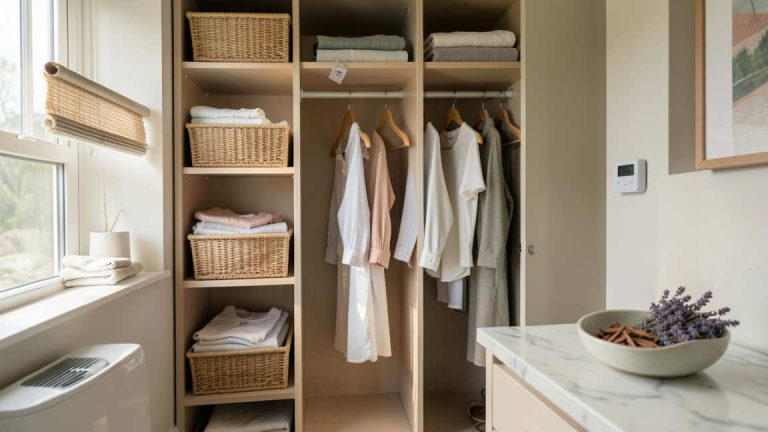
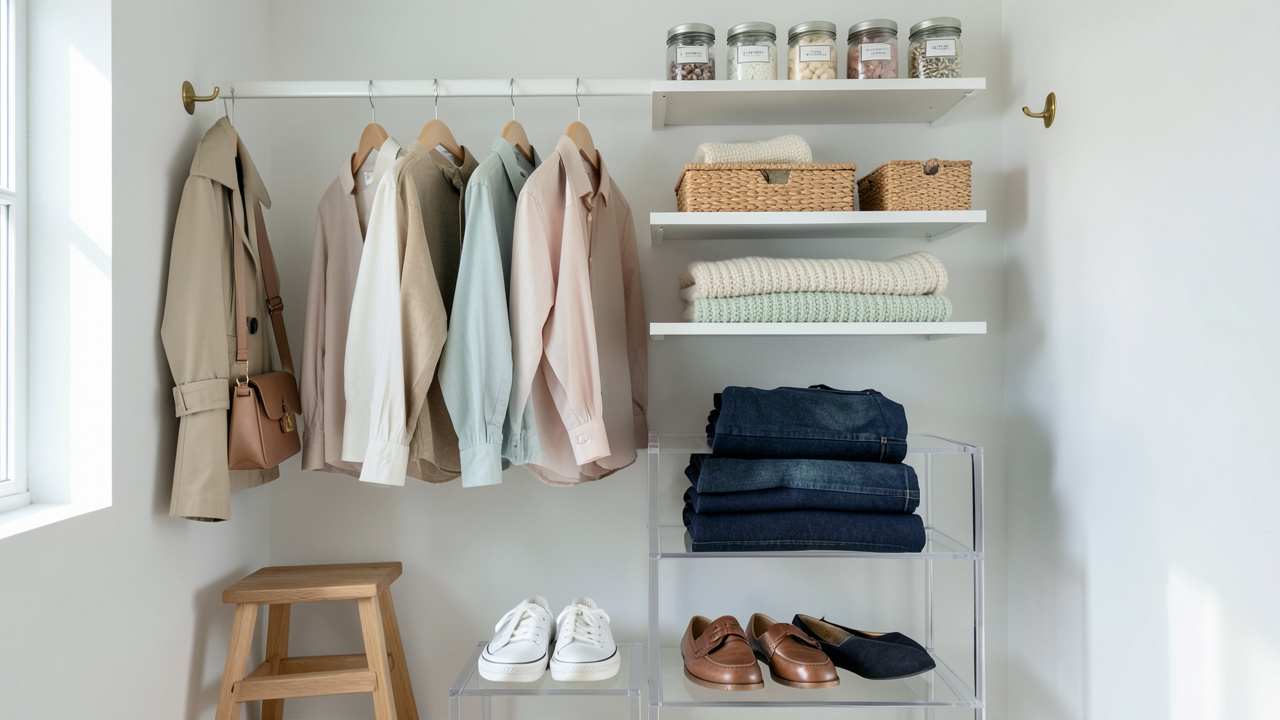
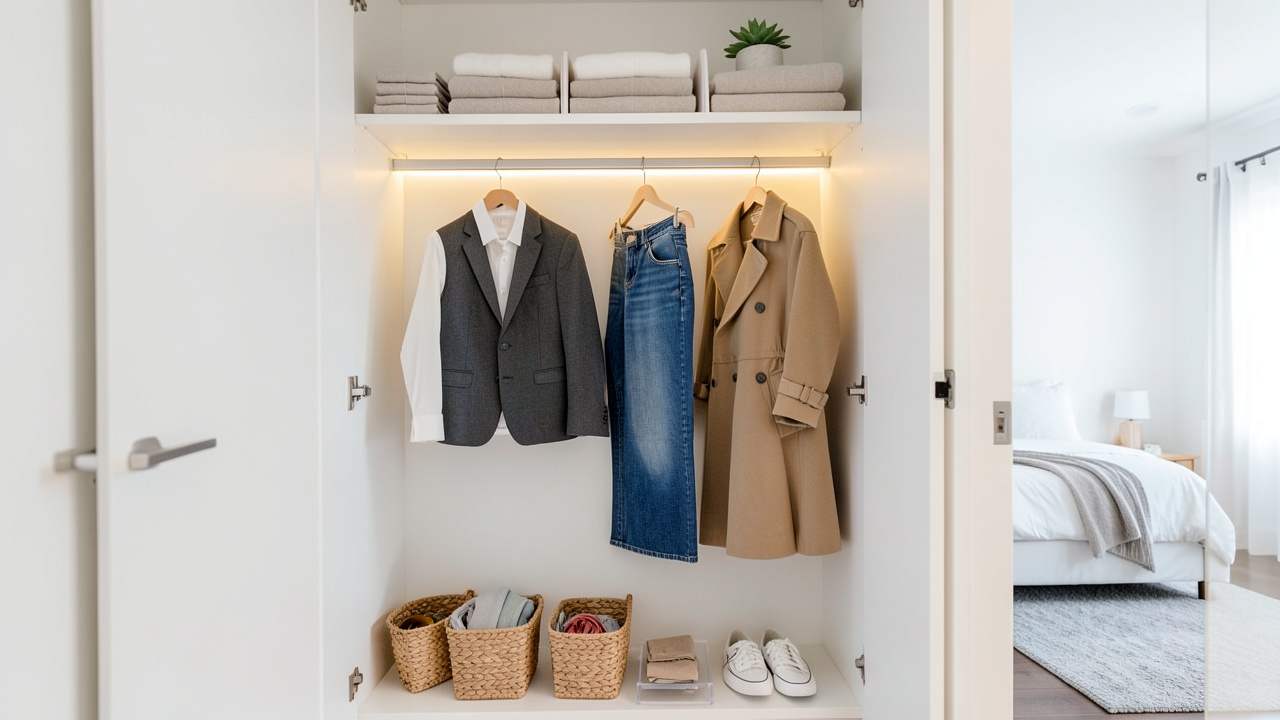
Most small closets waste vertical space. Add a second hanging rod below existing ones for shirts, pants, and skirts. The reports that double hanging rods can double your hanging capacity. Install shelves above the main rod for folded sweaters or out-of-season items.
Group by Category
Keep all work shirts together. Keep casual tops together. Keep pants together. This sounds obvious, but many people mix categories. When you group similar items, you see all your options at once.
Use the Right Hangers
Slim velvet hangers take up 50 percent less space than plastic or wooden ones. They also keep clothes from slipping off. According to a survey by, consistent hangers make a closet look 30 percent more organized instantly.
| Hanger Type | Width per Hanger | Best For | Cost per 10 |
|---|---|---|---|
| Slim Velvet | 0.5 inches | All garments | $8 – $12 |
| Plastic Tubular | 1.2 inches | Heavy coats | $3 – $5 |
| Wooden Padded | 2 inches | Suits and blazers | $15 – $25 |
Store Folded Items Vertically
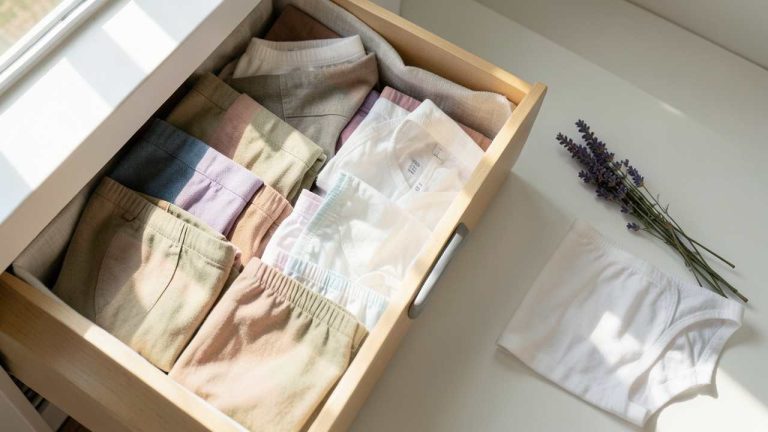
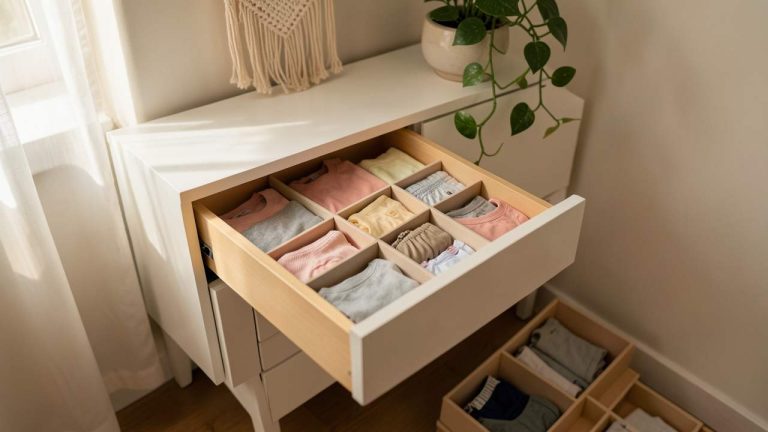
Fold jeans, t-shirts, and sweaters so they stand up like files in a drawer. The KonMari method made this popular for a reason. It lets you see every item without digging. You can pull one piece without disturbing the others.
Use Over-the-Door Space
The back of your closet door is prime real estate. Install an over-the-door shoe organizer or an accessory holder. Use it for belts, scarves, ties, or small purses. This keeps these items visible and off shelves.
Important: Measure your door clearance before buying any over-the-door product. Some organizers are too thick and prevent the door from closing properly.
What Is a Capsule Wardrobe for a Small Closet
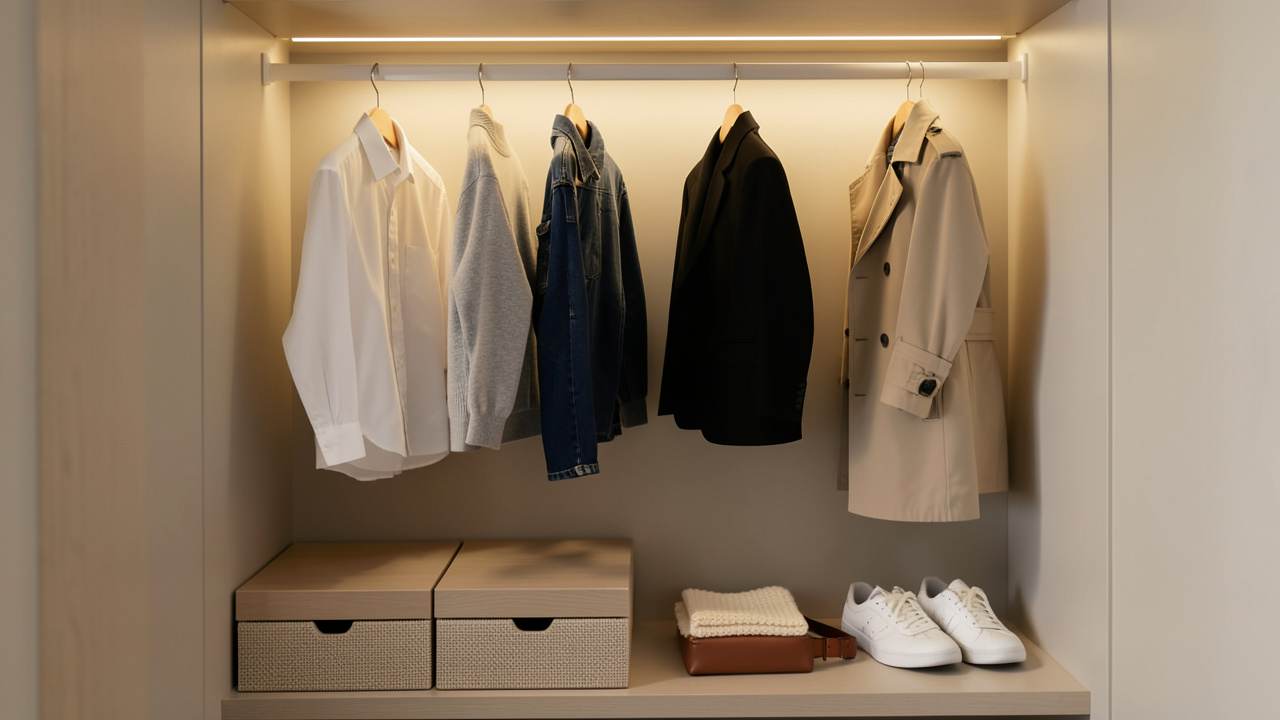
A capsule wardrobe is a curated collection of 30 to 40 pieces that mix and match easily. It focuses on timeless style, quality fabrics, and a unified color scheme. This approach is ideal for a small closet space because it reduces decision fatigue.
According to a study by the, having too many choices leads to lower satisfaction with your final decision. A smaller, well-chosen wardrobe makes you happier with what you wear each morning.
How to Build a Capsule Wardrobe
- Define your lifestyle. List the activities you do most often: work, exercise, social events, casual weekends. Each activity needs 3-5 outfit options.
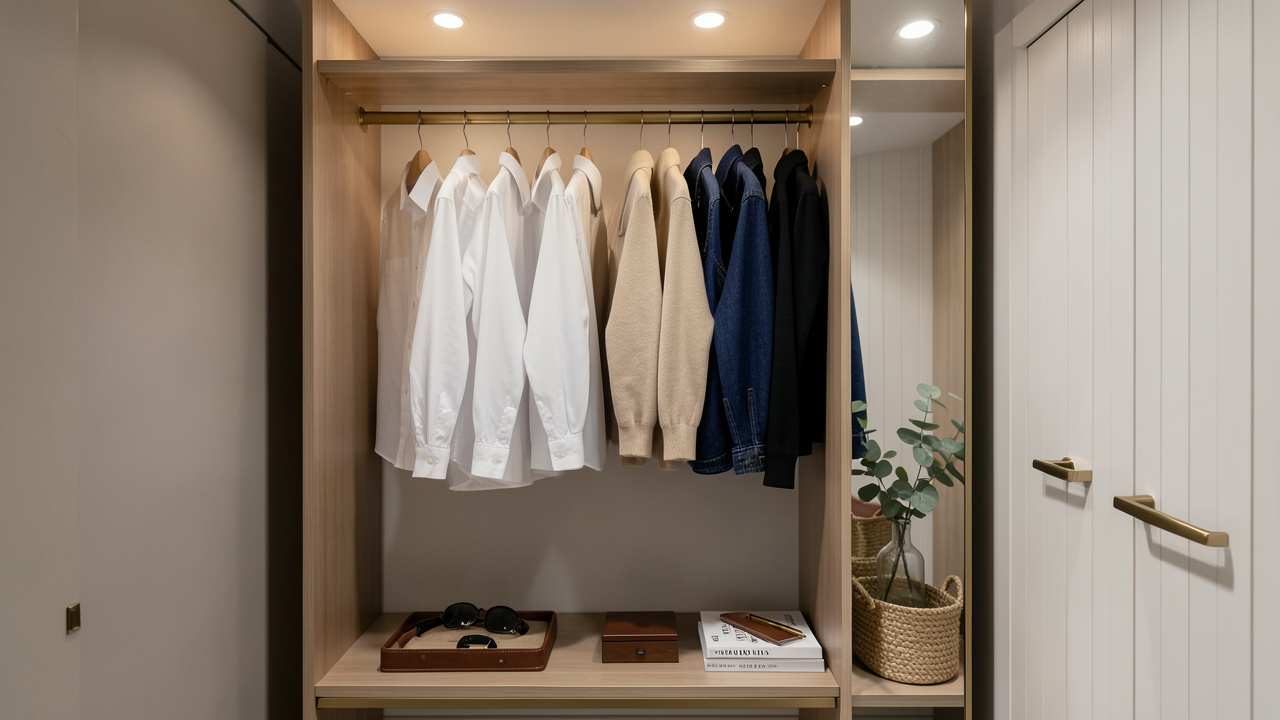
- Choose a color palette. Pick 3-4 neutral colors like black, white, navy, beige. Then add 2 accent colors like olive or burgundy. Every piece should match at least two others.
- Select your core pieces. Start with 5-7 tops, 3-4 bottoms, 2-3 dresses, 2-3 outerwear items, and 3-4 pairs of shoes. This gives you many outfit combinations.
- Add accessories last. Scarves, belts, and jewelry change the look of basic pieces without taking up much space.
Costs and Timeline for Organizing a Small Closet
Organizing your small closet does not need to be expensive. You can do the whole process over a weekend. Below is a realistic breakdown.
| Step | Time Needed | Estimated Cost |
|---|---|---|
| Declutter and edit wardrobe | 2 – 3 hours | $0 |
| Buy hangers and organizers | 1 hour shopping | $20 – $50 |
| Install double rod and shelves | 1 – 2 hours | $30 – $80 |
| Organize and fold everything | 1 – 2 hours | $0 |
| Total | 5 – 8 hours | $50 – $130 |
Common Myths vs Facts About Small Closets
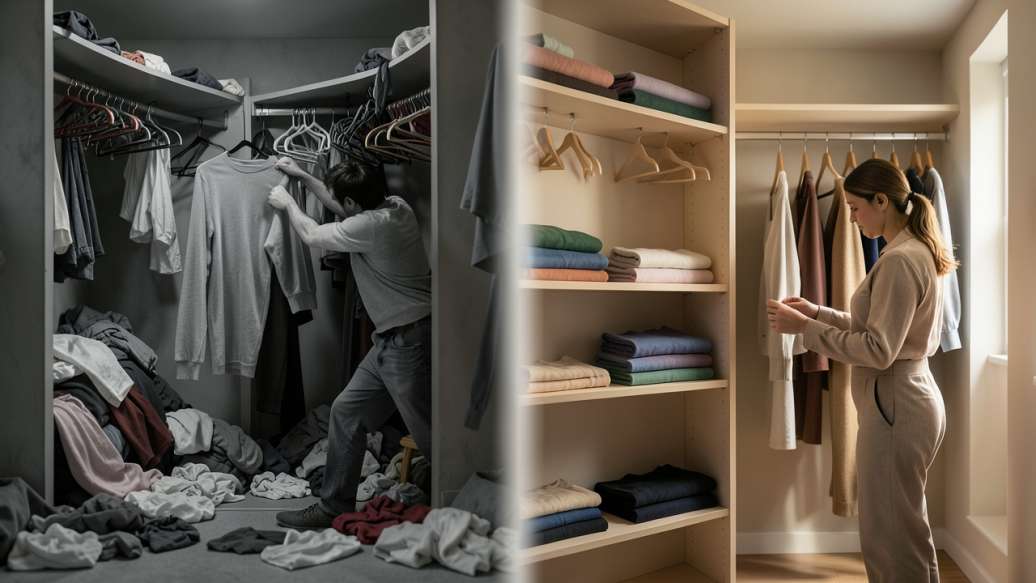
Many people believe things about small closets that are simply not true. Here are three common myths and the real facts.
Myth: You need a big closet to dress well.
Fact: A small closet with 30 well-chosen pieces creates more outfits than a large closet stuffed with impulse buys. Quality and coordination matter more than quantity.
Myth: Neutral colors are boring.
Fact: Neutrals like navy, black, and beige make it easy to mix and match. You add personality with accessories, textures, and accent colors. This creates a versatile wardrobe without clutter.
Myth: You must spend a lot on storage systems.
Fact: Many effective storage solutions cost under $50. Simple velvet hangers, a tension rod for double hanging, and an over-the-door organizer solve most small closet problems.
Pro Tips for Maintaining a Small Closet Space
Tip: Commit to a one-in-one-out rule. Every time you buy a new piece of clothing, donate or sell one existing piece. This keeps your small closet balanced and prevents it from overflowing again.
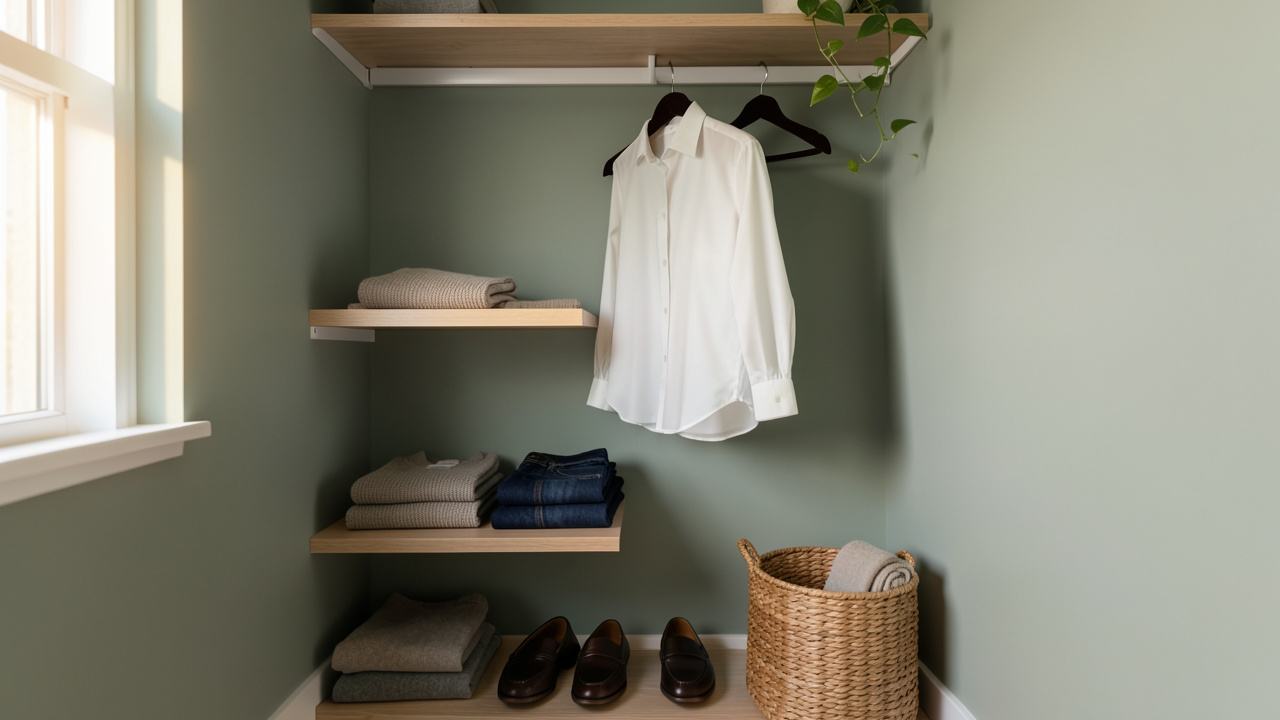
- Do a seasonal swap twice a year. Store off-season clothes under the bed or in a storage bin. This frees up 40 percent of your closet space for current weather.
- Use shelf dividers to keep stacks of sweaters and jeans from toppling over. These cost less than $10 and make a big difference in visual order.
- Add a small mirror inside the closet door. This lets you try on outfits without leaving the closet area. It saves time and steps.
- Take photos of your closet after each organization session. When you feel the urge to buy something new, look at the photo. It reminds you that a full closet is not a happy closet.
- Schedule a 15-minute tidy each Sunday. Put away items that strayed. Fold anything that got rumpled. This weekly maintenance prevents the chaos from returning.
Resources and Tools
These tools and resources will help you organize and maintain your small closet space.
Velvet Slim Hangers – Space-saving hangers that prevent slipping and reduce width by half.
Double Hanging Rod (Tension Rod) – Installs without tools and doubles your hanging space instantly.
Over-the-Door Shoe Organizer – Clear pockets keep accessories visible and accessible.
Shelf Dividers – Keep folded stacks neat and prevent tipping.
KonMari Method Book – A guide to the folding and organizing philosophy that works for small spaces.
Frequently Asked Questions
How many clothes should I keep in a small closet?
Keep 30 to 40 total pieces for everyday wear. This includes tops, bottoms, dresses, outerwear, and shoes. This number gives you dozens of outfit combinations without overcrowding your small closet space.
Can I store shoes in a small closet?
Yes. Use an over-the-door shoe organizer or a slim shoe rack on the floor. Keep only 5 to 7 pairs that you wear regularly. Store seasonal shoes elsewhere. According to the survey, limiting visible shoes reduces visual clutter by 60 percent.
How do I handle seasonal clothes in a small closet?
Store off-season clothes in vacuum-sealed bags under your bed or in a storage bin on a high shelf. Rotate your wardrobe twice a year. This keeps your small closet focused on current weather and doubles the usable space.
What is the best color palette for a small wardrobe?
Use 3 to 4 neutral colors such as black, white, navy, and beige. Add 2 accent colors like olive, burgundy, or blush. This palette ensures every top matches every bottom, creating maximum outfits from minimum pieces.
How often should I declutter my small closet?
Do a full declutter twice a year, ideally when you swap seasonal clothes. Also do a 15-minute quick edit each month. This keeps your small closet space functional and prevents accumulation of unworn items.
Final Thoughts
You do not need a walk-in closet to dress well every day. A small closet space works when you edit ruthlessly, organize smartly, and choose versatile pieces. Focus on quality over quantity. Maintain the system with weekly tidying and seasonal swaps. This approach makes getting dressed simple, fast, and even fun.