Delicate Lingerie Collections: A Complete Guide Right Now
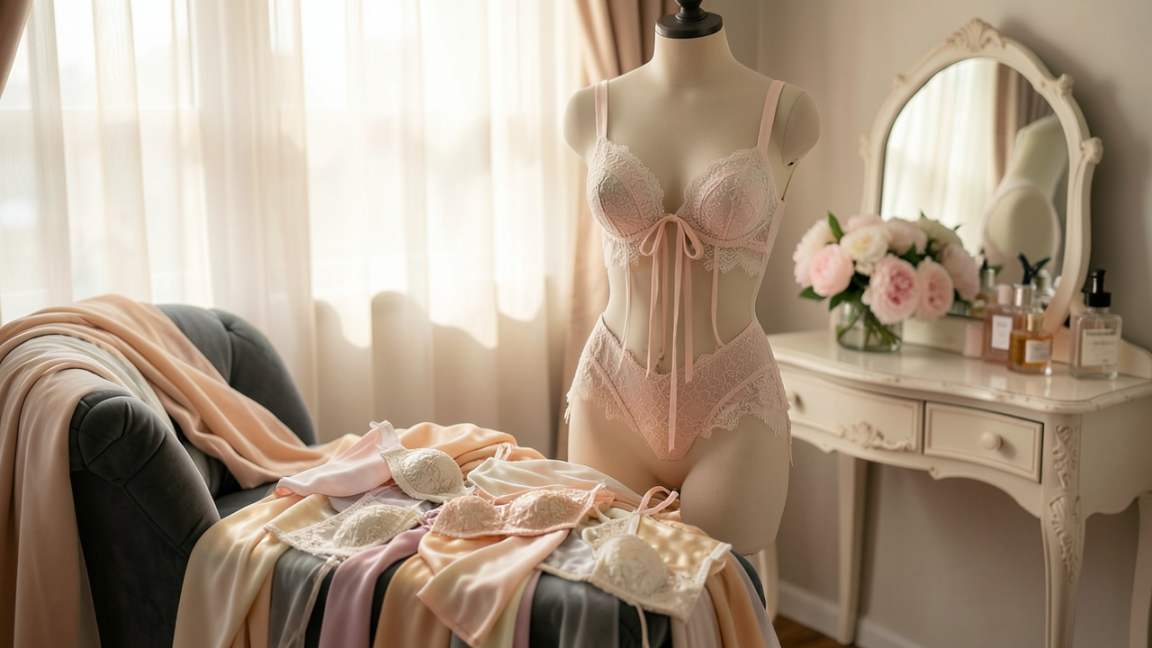
A delicate lingerie collection consists of pieces made from premium materials such as Mulberry silk, Chantilly lace, and charmeuse satin, emphasizing high-end craftsmanship over mass production. Hand washing these items with a specialized lingerie wash and storing them flat or hung correctly prevents stretching and preserves fabric integrity. A well-rounded collection balances versatile everyday essentials like bralettes and chemises with statement pieces like corsets and babydolls for both comfort and confidence.
A delicate lingerie collection focuses on pieces made from premium materials like silk, lace, and satin. This guide breaks down the fabrics, types of pieces, and care methods you need to know.
Quick Verdict: Simply put, a delicate lingerie collection prioritizes high-end fabrics and craftsmanship over mass production. These items require special washing and storage to maintain their beauty. Building a smart collection means investing in versatile basics like bralettes and chemises alongside statement pieces like corsets and babydolls.
Key Takeaways
- A genuine delicate lingerie collection relies on fabrics such as Mulberry silk, Chantilly lace, and charmeuse satin for their unique properties and feel.
- Hand washing delicate pieces with a specialized lingerie wash is the safest way to preserve their structure and fabric integrity over time.
- A well-rounded collection should balance everyday essentials with a few standout items for special occasions or personal confidence.
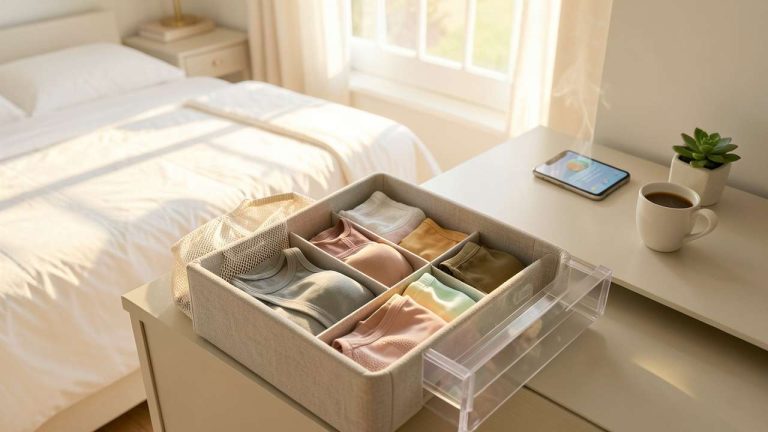
- Proper storage methods, such as lying bras flat and hanging robes, prevent stretching and fabric distortion between wears.
- Taking accurate body measurements and understanding brand-specific sizing charts is critical when investing in luxury lingerie brands.
Key Fabrics in Delicate Lingerie
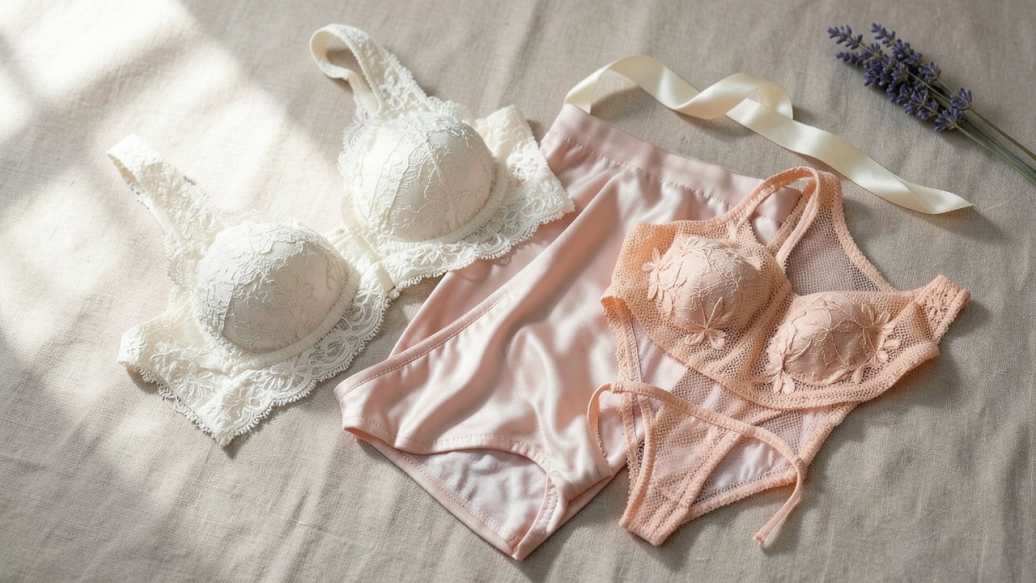
The foundation of any exceptional delicate lingerie collection is the fabric itself. Each material brings distinct characteristics around breathability, durability, and visual appeal.
| Fabric | Key Properties | Care Level | Best For |
|---|---|---|---|
| Silk | Naturally breathable, hypoallergenic, temperature regulating | High (hand wash only) | Chemises, robes, camisoles |
| Lace | Delicate, intricate patterns, stretchy with mesh backing | High (mesh bag recommended) | Bras, thongs, bodysuits |
| Satin | Glossy surface, smooth feel, often made from silk or polyester | Medium | Babydolls, tap pants, slips |
| Mesh | Ultra lightweight, sheer, extremely breathable | Low | Bodysuits, bralettes, layering pieces |
Using the right fabric for your intended use ensures your delicate pieces last longer and perform better.
Types of Delicate Lingerie Pieces
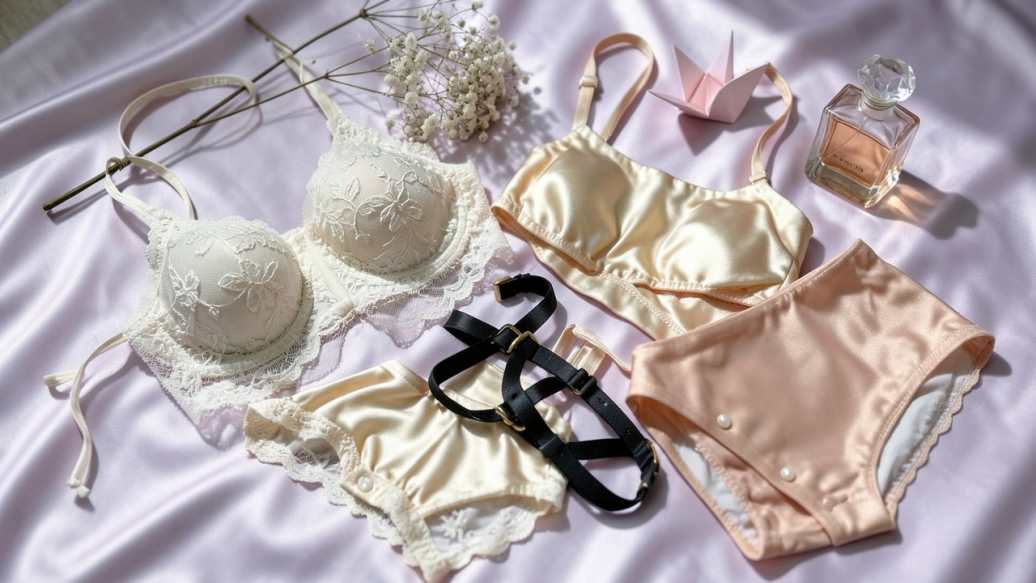
Understanding the different silhouettes available helps you build a versatile collection. Here are the most common pieces you will encounter in a contemporary delicate lingerie wardrobe.
Bralettes
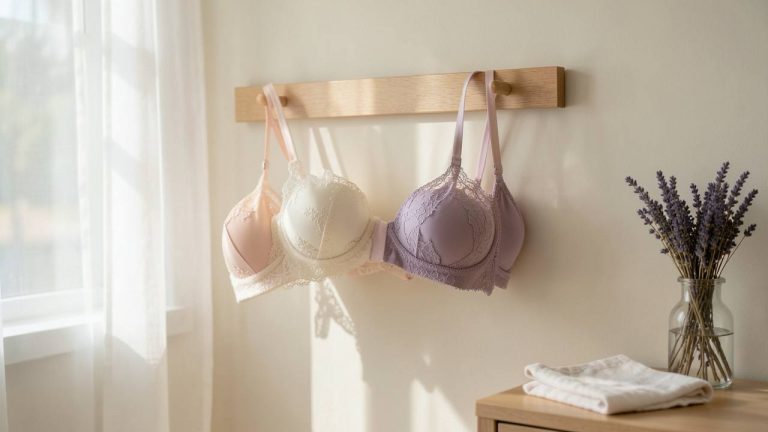
Bralettes are wire-free bras made from lace, mesh, or smooth microfiber. They prioritize comfort while maintaining a delicate aesthetic. Many bralettes feature adjustable straps and multiple hooks for a customizable fit.
Bodysuits
A bodysuit combines a top and underwear into one seamless garment. They are popular for layering under blazers or sheer tops. Bodysuits made from stretch lace or mesh offer both support and a sleek silhouette.
Babydolls and Chemises
Babydolls are short, loose-fitting styles that typically end at the waist or upper thigh. Chemises are more form-fitting and hang straight down. These pieces are staples in any delicate lingerie collection designed for lounging or layering.
Corsets and Bustiers
Corsets are structured garments designed to shape the torso. Modern corsets focus on aesthetic waist training or fashion-forward looks. Bustiers provide bust support and waist definition without the extreme compression of a traditional corset.
Suspender Belts and Garters
Suspender belts attach to stockings and are a classic component of vintage-inspired lingerie collections. They are commonly made from lace or satin and paired with high-waisted briefs.
Important: When building your collection, consider your lifestyle. Choose bralettes and bodysuits for daily wear, and invest in silk chemises or corsets for special occasions.
How to Care for Delicate Lingerie
Proper care is the single most important factor in extending the lifespan of your pieces. Delicate fabrics break down quickly with heat, agitation, and harsh chemicals.
Hand Washing Process
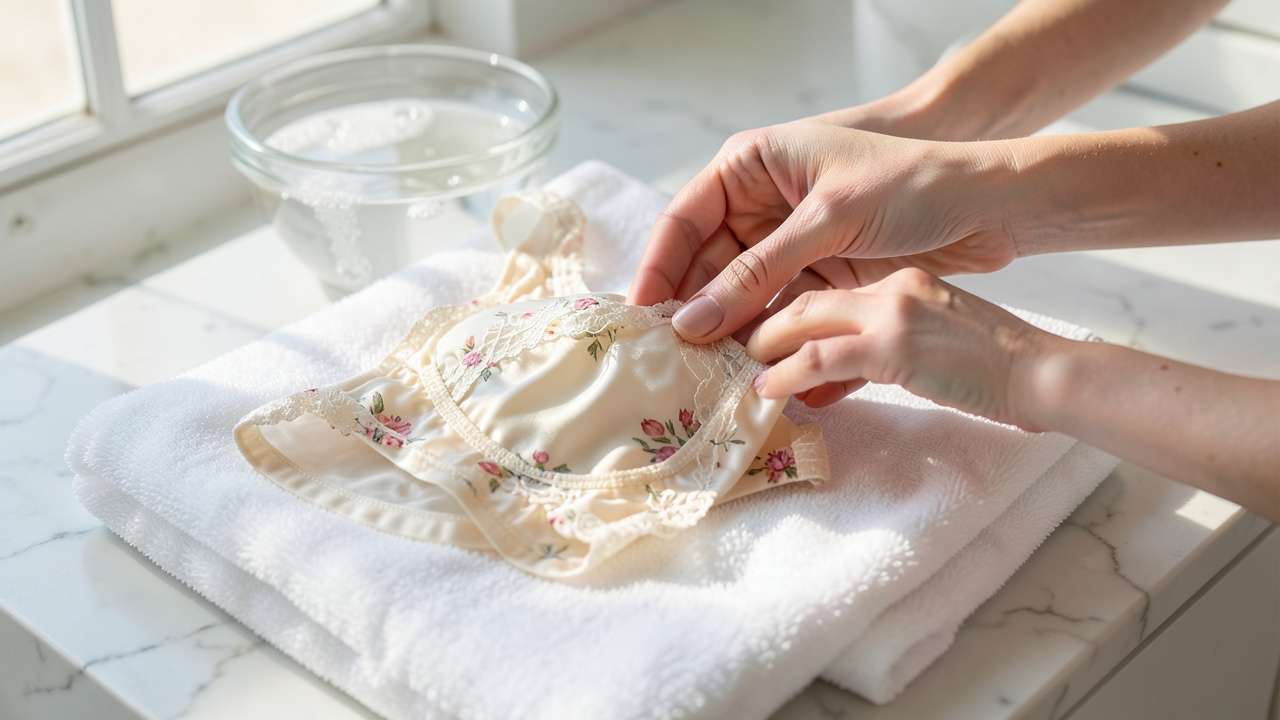
Hand washing is the gentlest method for cleaning delicate lingerie.
- Fill a basin with cold or lukewarm water. Water that is too hot can damage elastic fibers and fade colors.
- Add a specialized lingerie wash that is free from bleach, enzymes, and optical brighteners. Soak the pieces for 10-15 minutes.
- Gently agitate the fabric by swishing the garment. Do not rub or wring the fabric, as this causes permanent stretching or tearing.
- Rinse thoroughly with cool water until all soap residue is removed. Residue can cause yellowing over time.
- Lay the garment flat on a clean, dry towel. Roll the towel tightly to absorb excess moisture. Then, reshape the garment and lay it flat to air dry.
Warning: Never use fabric softener on delicate lingerie. Fabric softener coats the fibers and breaks down elastic, significantly reducing the lifespan of your pieces.
Machine Washing Tips
Machine washing is possible for some delicate pieces, but you must follow strict steps to protect the fabric.
- Place each piece inside a fine-mesh delicates bag. This prevents lace from snagging and straps from tangling around other items.
- Select the delicate or hand wash cycle on your machine. The machine should use cold water and a low spin speed.
- Remove the pieces immediately after the cycle ends. Wet lingerie left in the machine can develop mildew or lose its shape from the weight of the water.
- Air dry the pieces flat away from direct sunlight or heat sources. Do not use a dryer, as high heat destroys elastic.
How to Choose the Perfect Delicate Lingerie Set
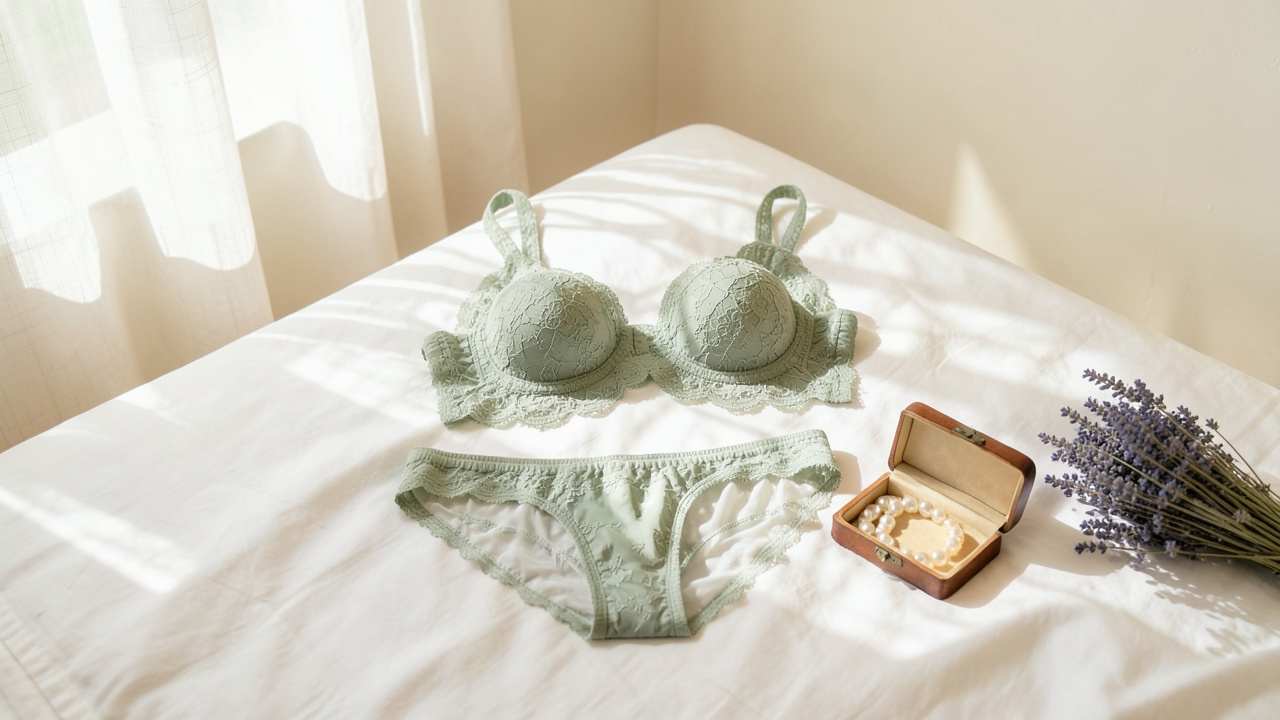
Selecting a set involves more than just matching colors. Fit, fabric, and function all play a role in finding pieces that look and feel great.
Know Your Measurements
Luxury brands often use different sizing standards than mass-market labels. Always consult the brand’s specific size chart before purchasing.
- Band size: Measure directly under your bust. Add 5 inches to get your band size.
- Cup size: Measure the fullest part of your bust. Subtract your band measurement from this number to find your cup size.
- Waist and hips: For bodysuits, garters, and high-waisted briefs, accurate waist and hip measurements are essential for a snug fit.
Consider Your Aesthetic
Lingerie collections can be tailored to your personal style. Neutral tones like black, nude, and ivory are timeless and versatile. Bold colors and intricate patterns can add excitement to your collection.
Prioritize Fabric Against Skin
If you have sensitive skin, opt for or high-quality cotton blends. These materials are less likely to cause irritation compared to synthetic lace or polyester.
Common Myths About Delicate Lingerie
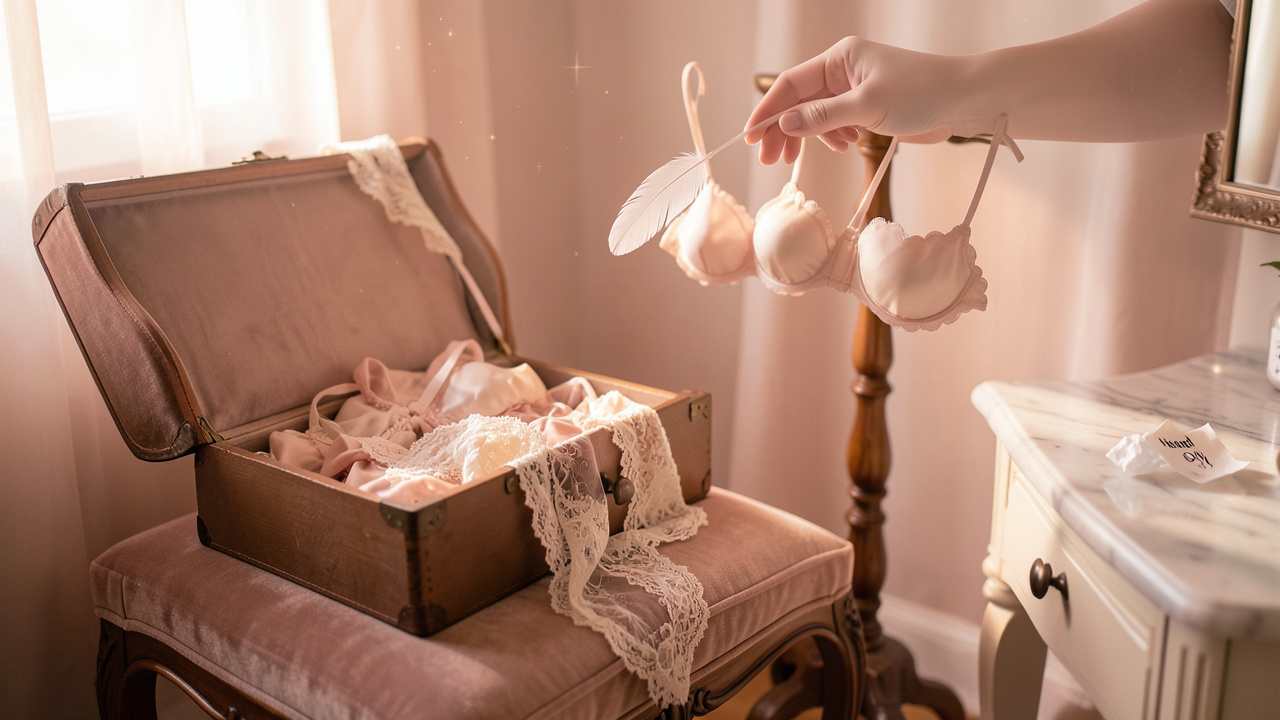
Many misconceptions prevent people from exploring delicate lingerie. Let’s address some of these myths directly.
Myth: High-end lingerie is always uncomfortable
Fact: Premium lingerie brands use softer elastics, higher-grade materials, and better construction methods. When properly fitted, luxury lingerie is often more comfortable than mass-market alternatives.
Myth: Delicate lingerie is only for special occasions
Fact: Many delicate pieces are designed for daily wear. Bralettes, high-waisted briefs, and mesh bodysuits are comfortable enough for everyday use while still looking elegant.
Myth: All lace feels scratchy
Fact: High-quality and Leavers lace are significantly softer than cheaper synthetic lace. Brands like La Perla and Agent Provocateur use lace that becomes softer with each wash.
Resources and Tools
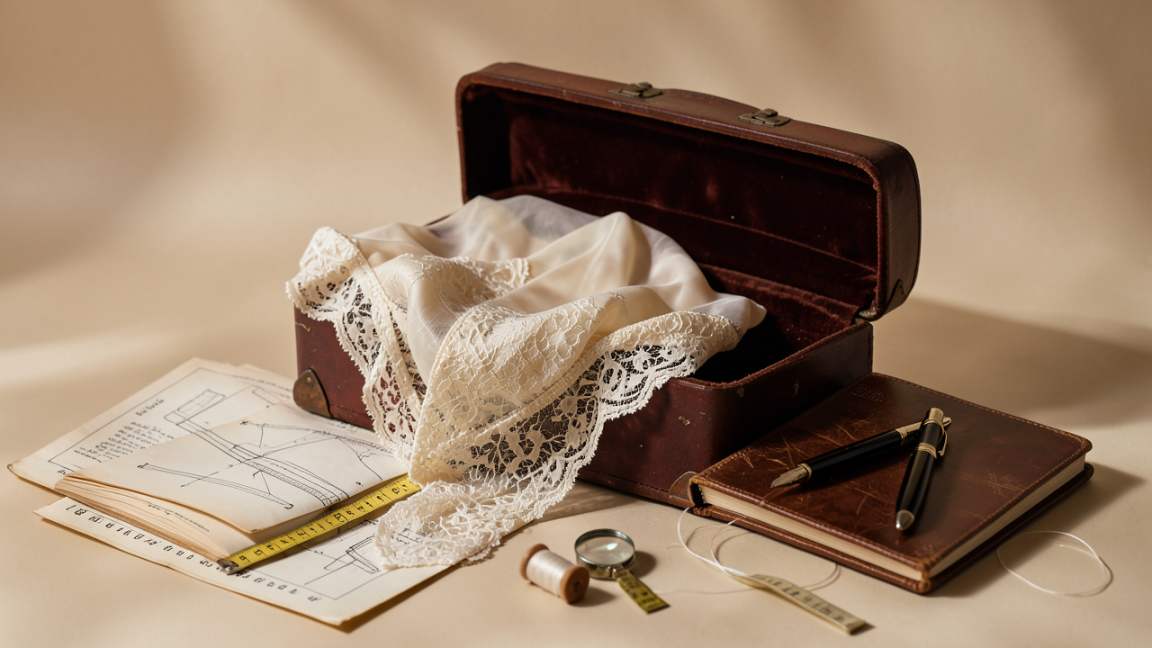
Having the right tools makes caring for your collection much easier.
- Lingerie Wash – A pH-balanced, enzyme-free detergent specifically for delicate fabrics.
- Fine-Mesh Delicates Bags – Protects lace and straps during machine washing.
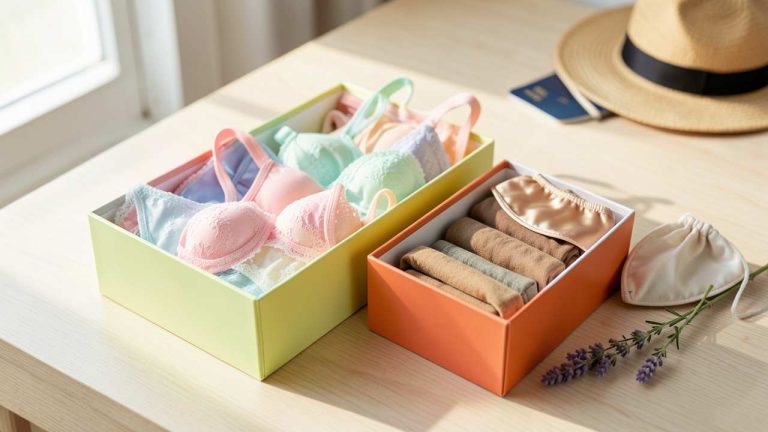
- Lingerie Storage Boxes – Keep pieces organized and protected from dust.
- La Perla – A luxury brand known for its exquisite silk and lace collections.
- Agent Provocateur – A high-end brand specializing in bold, statement-making delicate lingerie.
Frequently Asked Questions
How often should you replace delicate lingerie?
Most delicate lingerie pieces should be replaced every 6-12 months depending on wear frequency and care. Hand washing and rotating your pieces can extend their lifespan significantly.
What is the best way to hand wash delicate lingerie?
Fill a basin with cold water and add a gentle lingerie wash. Soak your pieces for 15-20 minutes, then rinse thoroughly with cool water. Lay them flat on a towel and roll to remove excess water without wringing.
Can you put all delicate lingerie in the washing machine?
Only if you use a mesh delicates bag and select the cold water delicate cycle. Pieces with underwire or intricate lace should always be hand washed to prevent damage to the structure.
Which fabrics are best for sensitive skin?
Silk is generally the best fabric for sensitive skin. It is naturally hypoallergenic, breathable, and contains proteins that resist dust mites and mold. High-quality cotton is another safe option.
What is the difference between a babydoll and a chemise?
A babydoll is a short, loose-fitting nightgown that typically ends at the waist or upper thigh. A chemise is a more fitted, shirt-like garment that hangs straight down from the shoulders to the mid-thigh.
Final Thoughts
A thoughtful delicate lingerie collection combines beautiful fabrics with proper care techniques to create pieces that last for years. Focus on high-quality materials like silk and lace, and always prioritize fit over trends. Building this collection is an investment in both comfort and personal style.