Humid-Climate Storage: A Complete Guide for Everyday Wear
Storing everyday wear in a humid climate requires active moisture control, not just a closet or a bin. The essential practice is to keep relative humidity between 30% and 50% using dehumidifiers or moisture absorbers, and to always wash and fully dry clothes before storage. Without these measures, fabrics quickly develop mildew, yellowing, and musty smells.
Storing clothes in a humid climate requires active moisture control, not just a closet and a hanger.
This guide covers the exact steps, tools, and scientific principles to keep your everyday wear safe from mold, mildew, and fabric decay.
Quick Verdict: Simply put, humid-climate storage requires controlling the moisture in the air around your clothes, not just hiding them in a bin. You need breathable containers, active moisture absorbers, and thorough cleaning before storage. Without these steps, your everyday wear will develop mildew, yellowing, and musty smells within a few weeks.
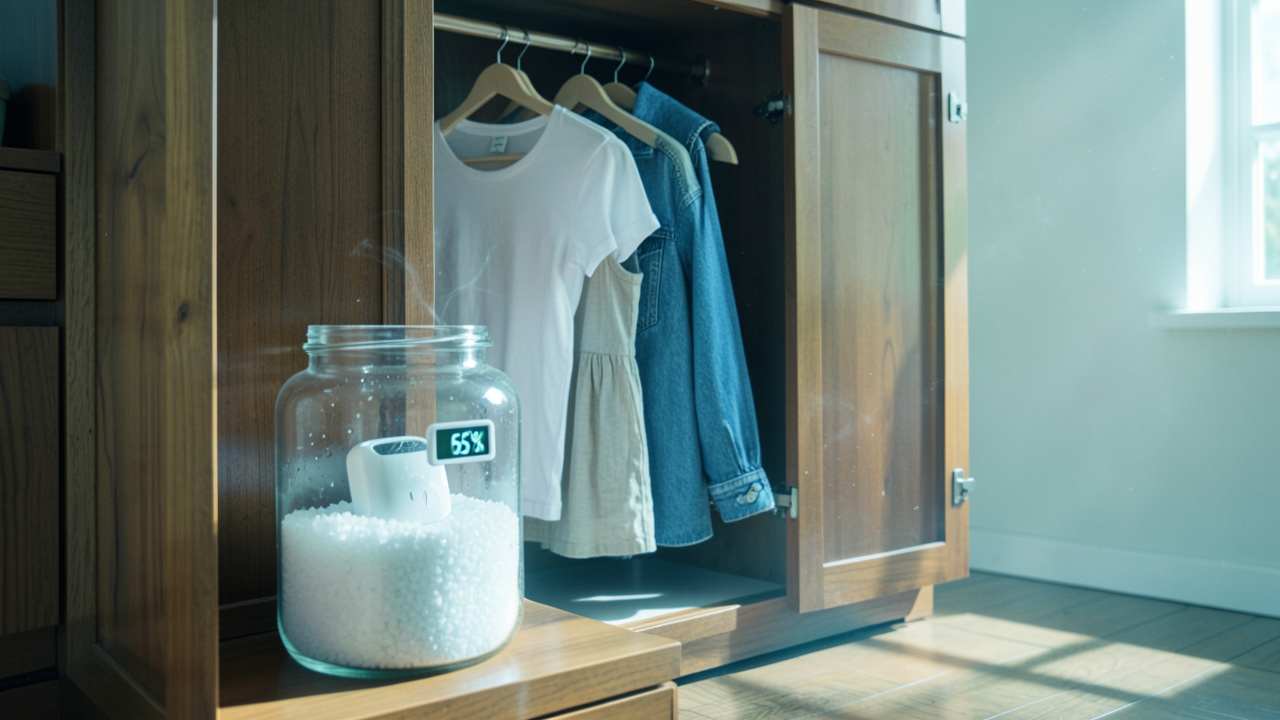
Important: The primary goal is to keep relative humidity between 30% and 50% wherever you store your clothes. Doing this prevents mold spores from activating and feeding on your fabrics.
Key Takeaways for Humid-Climate Storage
These five points form the foundation of a successful storage strategy in any humid region.
- Control the humidity in your storage area using a dehumidifier or moisture absorbers, keeping it below 50% relative humidity.
- Always wash and fully dry clothes before storing them, as body oils and food stains become food sources for mold.
- Avoid airtight plastic bins for long-term storage use breathable containers like cotton bags or acid-free boxes with silica gel.
- Check stored clothes every season to catch early signs of moisture buildup or musty odors before they cause permanent damage.
- Use natural moisture repellents like cedar blocks and lavender sachets to add an extra layer of protection against pests and humidity.
Why Moisture Control Matters for Everyday Wear
High humidity creates the perfect environment for mold, mildew, and dust mites. These organisms feed on the natural fibers and organic residues left on your clothes.
According to the, keeping indoor relative humidity between 30% and 50% is crucial to prevent mold growth. When humidity climbs above 60%, mold spores can germinate within 24 to 48 hours.
The states that mold can begin to grow on fabrics in high-humidity conditions within a single day. This is why you cannot rely on standard closets in a humid climate.
The Scientific Impact on Fabrics
Different fabrics react differently to moisture. Natural fibers like cotton and wool absorb water easily, making them prime targets for mold. Synthetic fibers like polyester resist water but trap heat and sweat.
A study on textile degradation found that moisture is the primary catalyst for the breakdown of cellulose fibers like cotton. The recommends stable, cool, and dry environments for preserving textiles. They emphasize that temperature fluctuations can cause condensation inside storage containers.
| Fabric Type | Moisture Risk | Best Storage Method | Drying Time Needed |
|---|---|---|---|
| Cotton | High | Breathable cotton bags with silica gel | 24 hours after air drying |
| Wool | Extreme | Folded in acid-free boxes with cedar | 48 hours flat drying |
| Synthetics (Polyester/Nylon) | Moderate | Airtight bins (only if 100% dry) | 12 hours |
| Silk | High | Cotton pillowcase, away from sunlight | 24 hours in shade |
| Denim | Moderate | Folded on shelf, avoid hanging | 12 hours after drying |
How to Prepare Clothes for Humid Storage
Preparation is more important than the storage method itself. Skipping these steps will ruin your clothes, no matter how good your containers are.
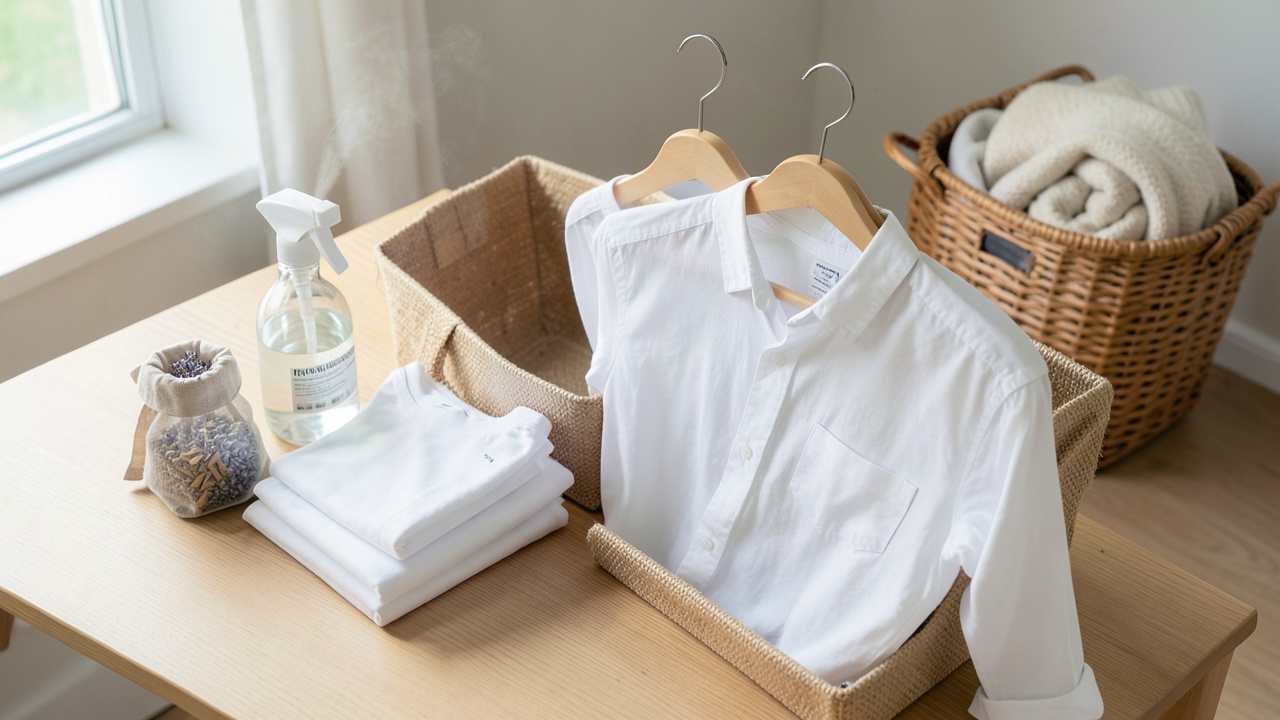
- Wash everything. Use a high-quality detergent. For extra protection, add a cup of white vinegar to the rinse cycle. This kills mold spores and neutralizes odors.
- Dry thoroughly. Do not just pull clothes from the dryer. let them sit in a dry room for 12 to 24 hours. Residual heat can hide moisture pockets.
- Treat stains immediately. Any organic stain like sweat, food, or grass is food for mold. Pre-treat with an enzymatic cleaner before washing.
- Fold heavy items. Knits, sweaters, and denim should be folded, not hung. Hanging them stretches the fibers and creates pressure points that trap moisture.
- Use natural repellents. Place cedar blocks or lavender sachets between layers of clothes. These repel moths and absorb minor humidity fluctuations.
Warning: Never store clothes that are even slightly damp. The CDC warns that mold can start growing on moist fabric within 24 to 48 hours. If in doubt, wait another day before sealing them away.
Best Practices for Storing Different Types of Wear
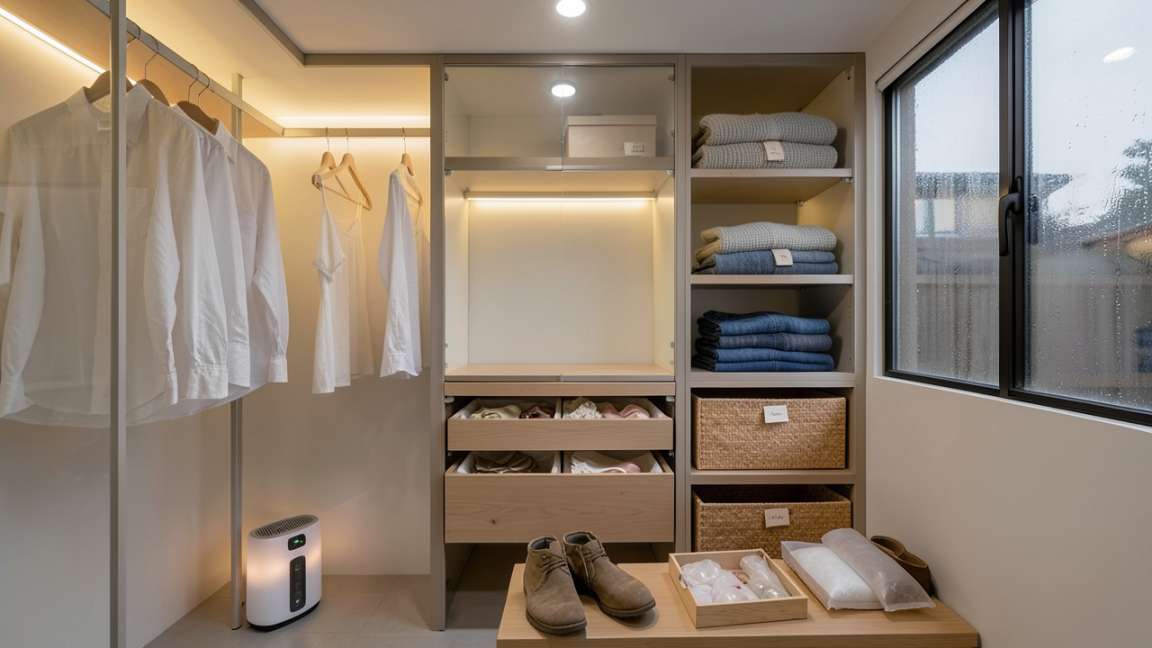
Everyday wear includes a wide range of fabrics and use cases. You need a strategy that fits each type of clothing in your wardrobe.
Heavy Sweaters and Woolens
Wool is highly absorbent. It can hold up to 30% of its weight in moisture without feeling wet. This makes it very vulnerable to mold in a humid climate.
- Always fold wool sweaters. Do not hang them.
- Store them in breathable cotton bags or acid-free tissue paper.
- Place cedar rings or blocks inside the bags to repel pests and absorb moisture.
- Check them every two months during the rainy season.
Everyday Cotton and Linens
Cotton is the most common fabric in everyday wear. It breathes well but holds moisture close to the fibers.
- Wash cotton clothes with hot water to kill bacteria and spores.
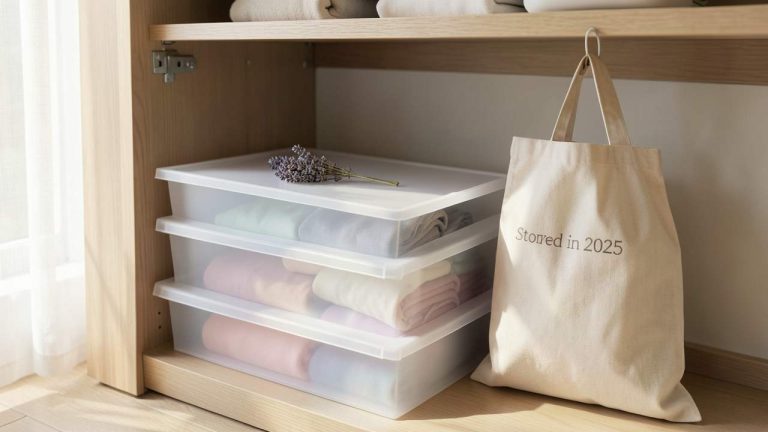
- Use plastic bins with silica gel packs for long-term storage.
- For active season wear, use breathable fabric boxes on open shelves with good air circulation.
Delicate Synthetics and Activewear
Modern activewear uses synthetic blends that repel water. However, they trap body oils and sweat, which feed bacteria and mold.
- Wash activewear with a sports detergent to remove oils.
- Do not use fabric softeners they coat the fibers and trap moisture.
- Store in airtight containers with moisture absorbers, as synthetics do not need to breathe as much as natural fibers.
Common Myths vs Facts in Humid-Climate Storage
Many common storage practices actually make humidity problems worse. Here are the most persistent myths and the facts you need.
Myth 1: Airtight plastic bins are always best
Fact: Airtight bins block external moisture. But they also trap any moisture that gets inside. If you store clothes that are not 100% dry, the bin becomes a sealed mold incubator. According to the, breathable containers combined with desiccants are safer for long-term storage in variable humidity.
Myth 2: Dryer sheets protect stored clothes
Fact: Dryer sheets leave a waxy residue on fabrics. This residue attracts moisture and can cause yellowing over time. They do not absorb humidity or kill mold spores. Use cedar blocks or lavender sachets instead.
Myth 3: Hanging is fine for everything
Fact: Heavy items like coats, sweaters, and denim stretch out on hangers. In humid climates, the added moisture weight makes this worse. Knits and heavy fabrics should always be folded to maintain their shape and prevent moisture buildup at the shoulders.
What Are the Best Tools for Controlling Humidity?
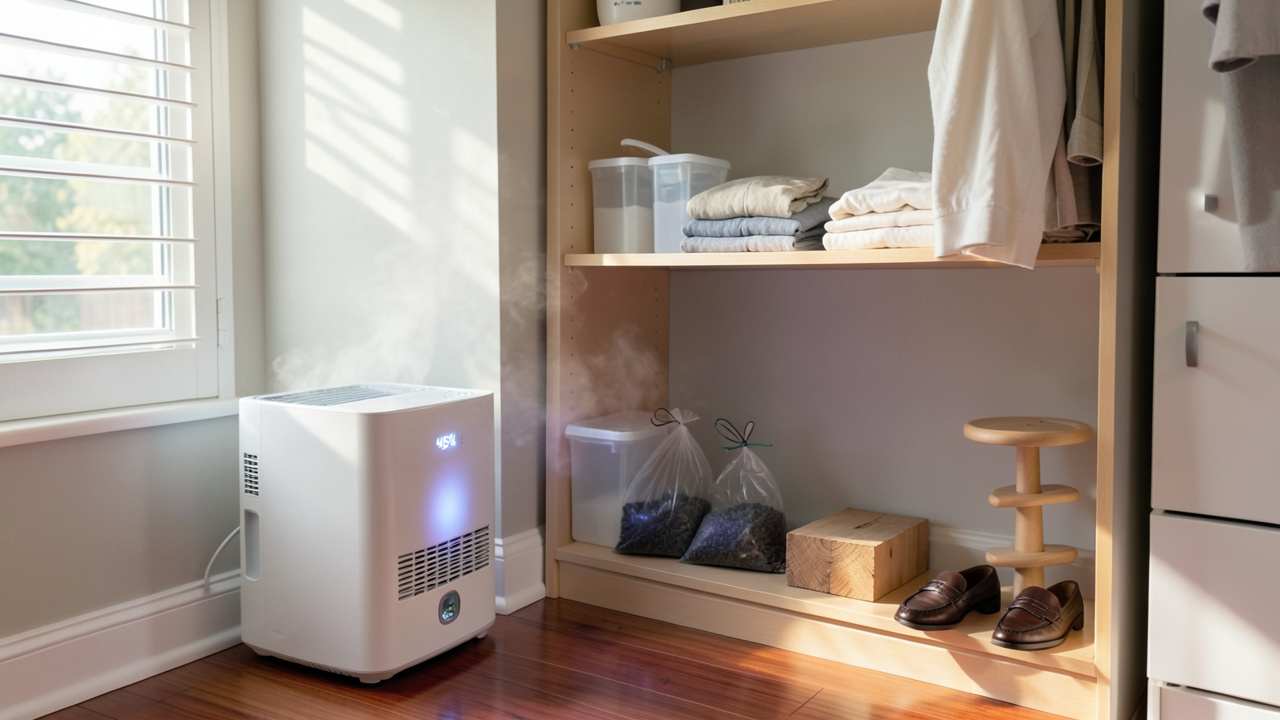
You cannot rely on a single solution. A layered approach using the right tools gives you the best protection against mold and mildew.
| Tool | Best Use Case | Maintenance | Cost |
|---|---|---|---|
| Dehumidifier (Energy Star) | Entire room or basement | Empty tank daily, clean filter monthly | Medium to High |
| Silica Gel (Eva-Dry) | Inside bins and closets | Recharge in oven every 2-3 months | Low |
| DampRid Crystals | Closets and small spaces | Replace container when full | Very Low |
| Cedar Blocks / Hangers | Pest repellant + minor moisture | Sand surface yearly to refresh oil | Low |
| Vacuum Storage Bags | Out-of-season bulky items | Check seal before storing | Very Low |
Common Mistakes to Avoid
Even with the right tools, small mistakes can ruin your efforts. Avoiding these common errors will save your wardrobe from damage.
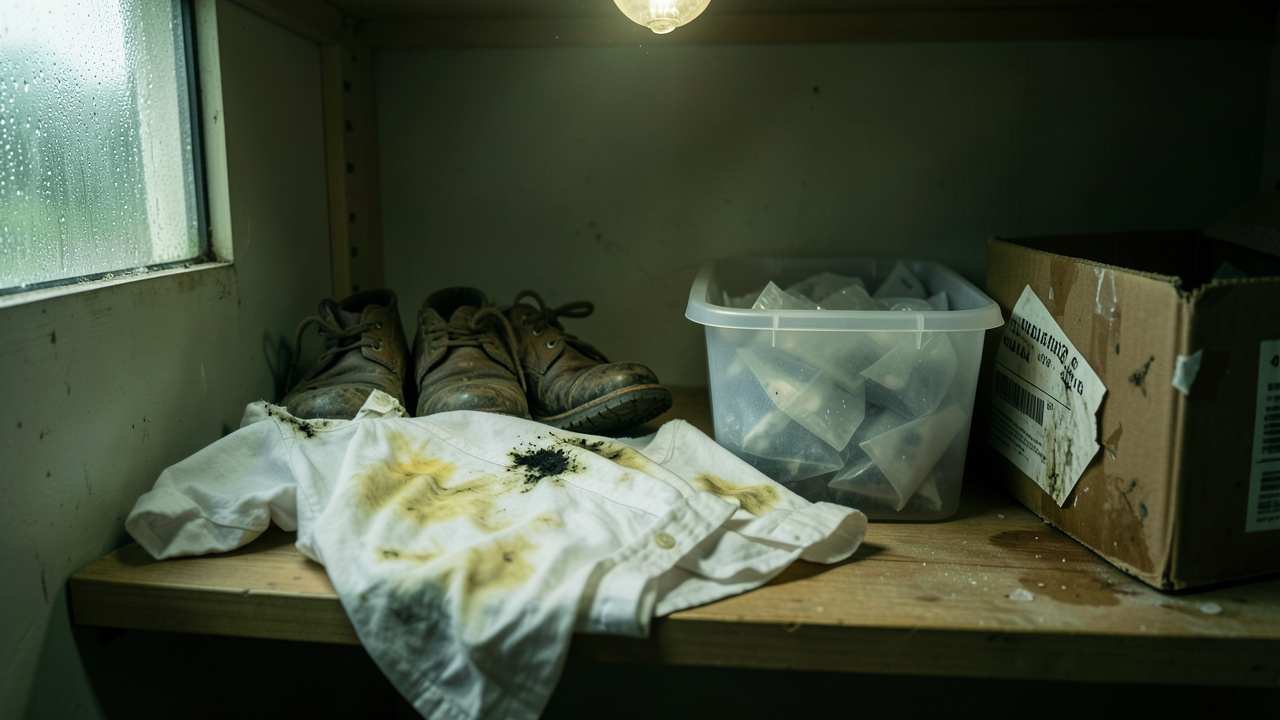
- Using cardboard boxes. Cardboard is porous and absorbs moisture. It is also food for mold and insects. Always use plastic or fabric containers.
- Storing clothes on the floor. Closets and basements can flood. Elevate all storage containers at least two inches off the ground using shelves or risers.
- Ignoring the humidity gauge. You cannot guess the humidity level. Buy a cheap hygrometer and keep it in your storage area. Aim for 30% to 50%.
- Overspending on cheap tools. Cheap silica gel packs stop working quickly. Invest in recharable Eva-Dry units or high-quality DampRid containers for consistent results.
- Forgetting to check on stored clothes. Set a reminder every 2-3 months to inspect your storage. Early detection of moisture can save an entire bin of clothes.
Tip: Place a chalkboard or whiteboard inside your closet. Write down the date of your last humidity check. This simple habit prevents you from forgetting about your stored clothes for a whole year.

How to Choose the Right Storage Location
Not all rooms in your house are equal when it comes to humidity. Choose your storage location carefully.
Best Locations
- Bedroom closets: Usually the driest and most climate-controlled area. Use a dehumidifier if needed.
- Upper floor rooms: Heat rises, and upper floors are typically warmer and drier than basements.
- Living room cabinets: Surprisingly good for storing daily wear you rotate often.
Worst Locations
- Basements: High humidity, prone to flooding, and poor air circulation. Only use with a powerful dehumidifier.
- Attics: Extreme temperature swings cause condensation inside storage bins.
- Garages: Open to outdoor humidity, temperature fluctuations, and pests.
Frequently Asked Questions
What is the best container for clothes in a humid climate?
The best container depends on the fabric. For long-term storage, use rigid plastic bins with tight seals combined with silica gel. For seasonal wear, breathable cotton bags allow airflow while blocking dust. According to the EPA, airflow is key to preventing mold in stored textiles.
How often should I wash clothes before storing them?
Always wash clothes within 24 hours of storing them. Body oils and food stains are food for mold. Even clean clothes can hold moisture, so ensure they are 100% dry before packing them away.
Can I store clothes in a basement in a humid climate?
Basements are high-risk areas for mold. You must use a dehumidifier to keep relative humidity below 50%. Store clothes off the floor and away from concrete walls. Use moisture absorbers inside bins for extra protection.
What natural materials help protect clothes from humidity?
Cedar blocks and lavender sachets are natural repellents that also help control minor moisture. They do not replace dehumidifiers but add a layer of protection. Silica gel is the most effective natural desiccant for absorbing ambient humidity.
How long can clothes stay in storage before they need to be aired out?
In a properly controlled environment, clothes can stay in storage for 6 to 12 months. You should check them every season to ensure no moisture has built up. If you smell a musty odor, air them out immediately and replace your moisture absorbers.
Final Thoughts
Storing clothes in a humid climate is about managing the environment, not just hiding your wardrobe. Focus on thorough cleaning, absolute dryness, and the right combination of breathable barriers and moisture-absorbing tools like silica gel and cedar blocks. With these steps, your everyday wear stays fresh, durable, and ready to wear.