Everyday Innerwear Storage for Active Days: A Complete Guide
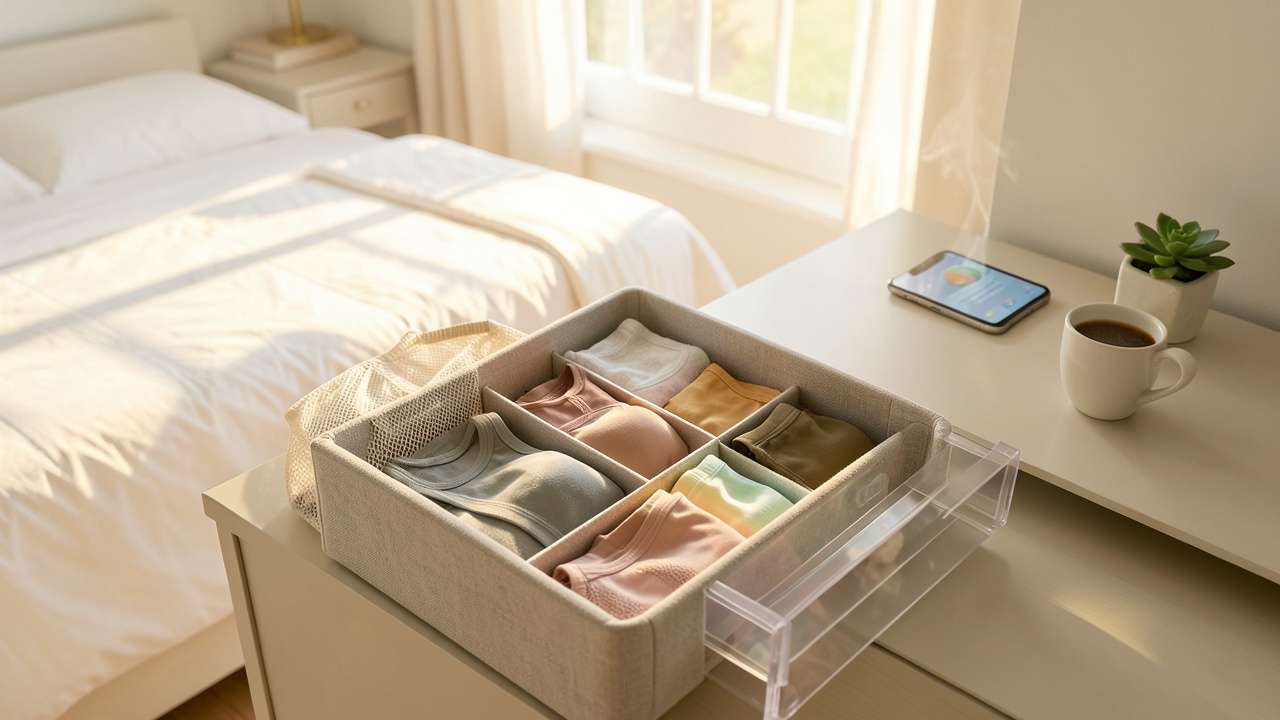
Effective daily innerwear storage for active days relies on adjustable drawer dividers and breathable fabric boxes to separate bras, underwear, and socks for quick access. This setup prevents elastic deformation and moisture buildup, extending the life of garments through a simple rotation system. A complete drawer organization costs between $20 and $50 using these materials and methods.
A messy drawer full of tangled straps makes a busy morning harder than it needs to be. This guide shows you how to build a storage system for everyday innerwear storage for active days that is fast, efficient, and gentle on your clothes.
Quick Verdict: In short, the best storage system uses open dividers and breathable fabric boxes to separate bras, underwear, and socks. This setup gives you quick access during active mornings, prevents elastic damage, and extends the life of your innerwear. You do not need an expensive closet makeover to achieve this.
Key Takeaways
- Using adjustable drawer dividers is the most effective way to organize innerwear for active mornings.
- Separating sports bras from everyday bras prevents elastic deformation and extends garment life.
- Breathable storage materials like cotton or bamboo fabric boxes prevent moisture buildup and odors.
- Applying a simple rotation system ensures older pieces get worn and replaced before they wear out.
- Investing in quality drawer organizers costs between $20 and $50 for a complete setup.
What You Need for Active Innerwear Storage
The right tools make the difference between a system that lasts and one that falls apart in a week. Everyday innerwear storage for active days relies on three key components: separation, breathability, and accessibility.
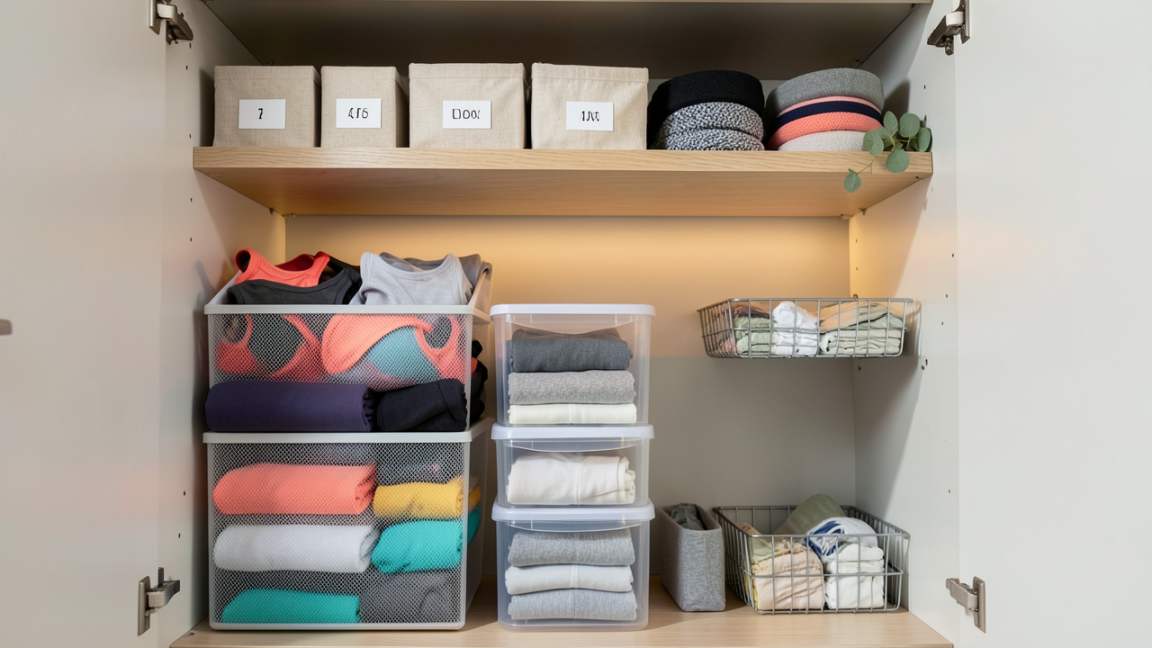
First, you need drawer dividers. According to the, using dividers reduces morning routine time by an average of 15 minutes per week. You can use adjustable plastic dividers, bamboo inserts, or simple cardboard boxes.
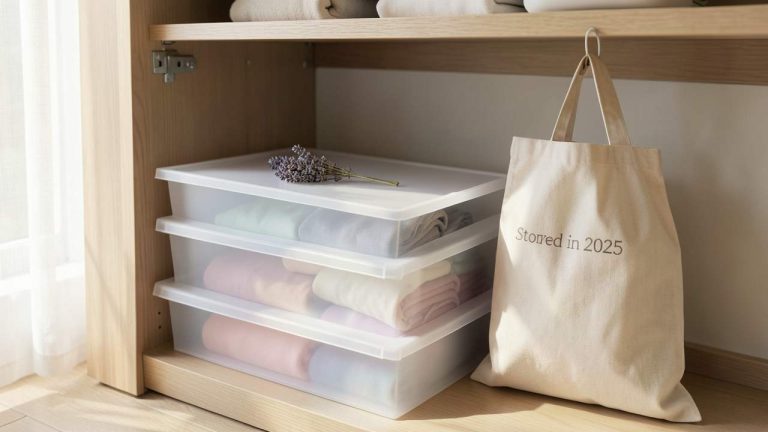
Second, choose breathable containers for your active pieces. Cotton or bamboo fabric boxes allow air to circulate. This prevents sweat and moisture from getting trapped in your gym clothes and sports bras.
Third, you need a dedicated spot for each category. The main categories include:
- Everyday underwear and socks
- Sports bras and high-impact active bras
- Compression gear and base layers
- Swimwear and specialty pieces
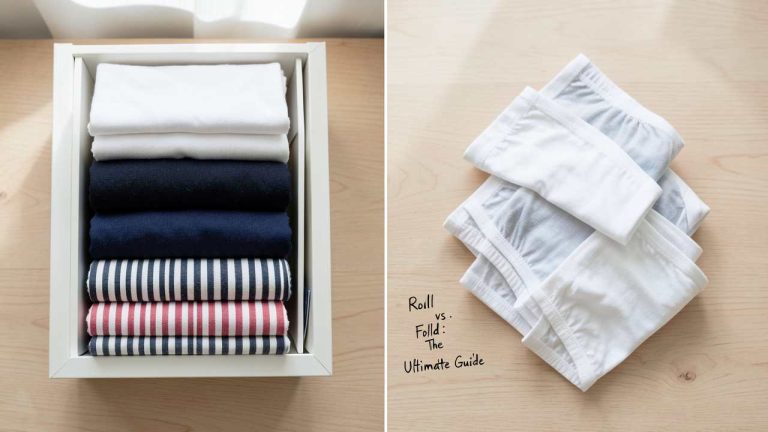
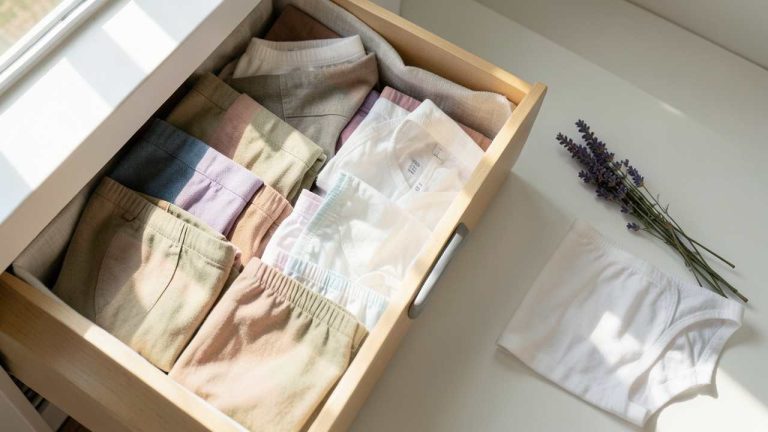
Tip: Use the KonMari folding method for cotton underwear and socks. This keeps them upright and visible. You can see every piece at a glance without digging through a pile.
How to Organize Your Active Innerwear Drawer
Follow these steps to build a system that works with your active lifestyle. The entire process takes roughly one hour.
- Empty and purge. Take everything out of your drawer. Throw away any items with stretched elastic, holes, or permanent stains. The American Apparel and Footwear Association reports that the average person keeps 5 to 7 items they never wear.
- Sort by activity level. Separate low-impact bras from high-impact sports bras. Active days require quick access to moisture-wicking fabrics.
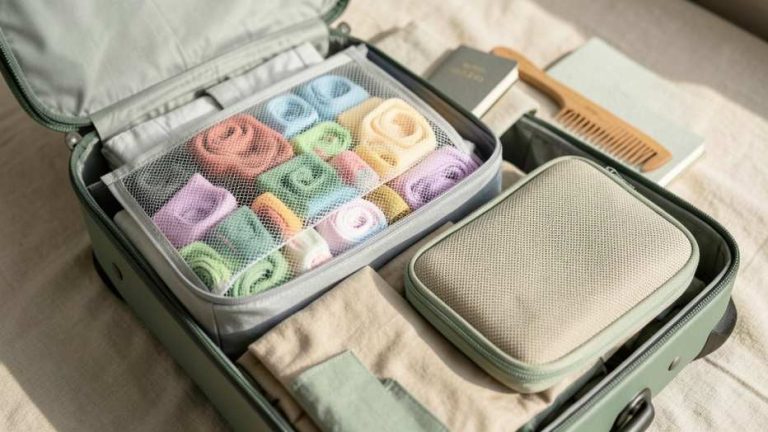
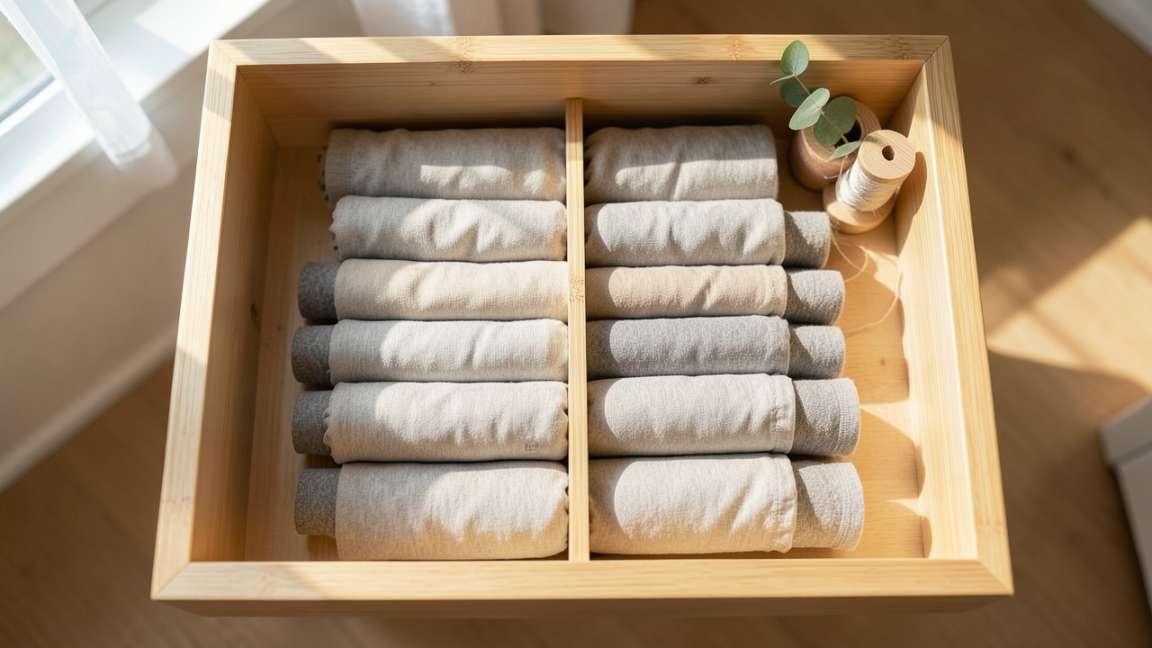
- Fold using the roll method. Rolling active leggings and sports bras instead of folding them prevents creases and saves space. It also makes grabbing a full outfit faster.
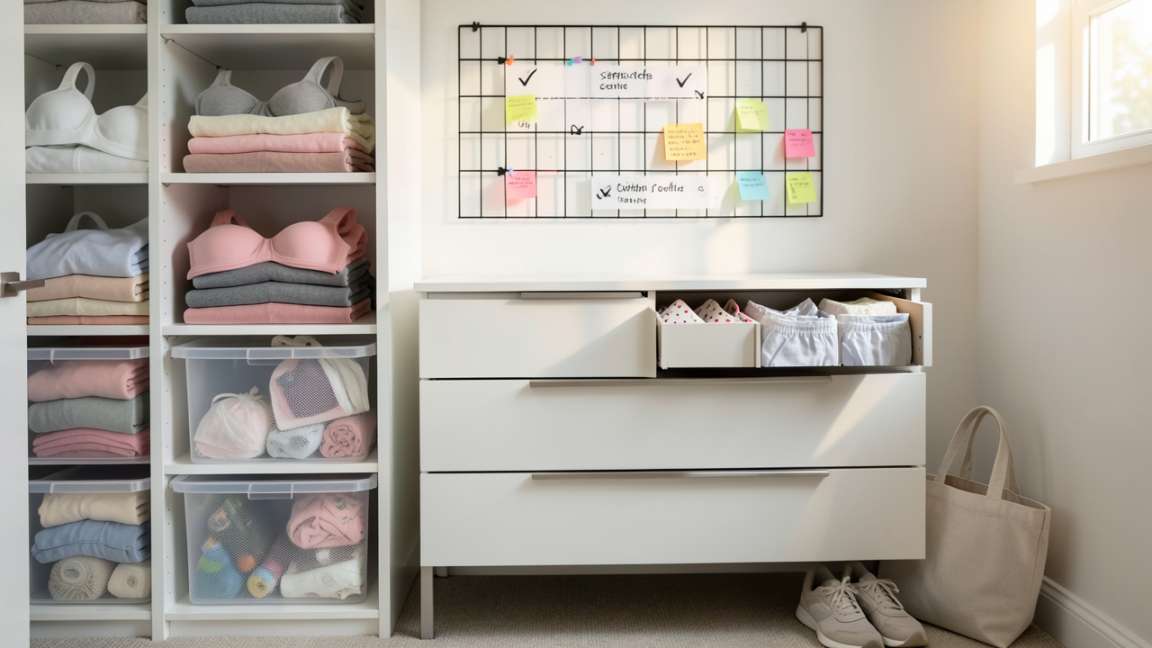
- Place organizers in the drawer. Install your dividers or fabric boxes. Place high-use items like everyday underwear in the front. Put specialty items like swimwear in the back.
- Set a weekly reset. Spend 5 minutes each Sunday returning items to their correct spots. This prevents the system from breaking down.
Warning: Do not store damp or sweaty activewear in closed drawers. This creates a breeding ground for bacteria and mold. Always let your gym clothes dry completely before putting them away.
Costs and Timeline for a Complete Storage Setup
You do not need to spend a lot of money to get organized. Here is a breakdown of common solutions and their costs.
| Solution | Cost | Time to Set Up | Best For |
|---|---|---|---|
| Adjustable Drawer Dividers | $15 – $25 | 10 minutes | Standard underwear, socks |
| Bamboo Fabric Boxes | $25 – $40 | 15 minutes | Bras, activewear separation |
| Full Drawer Organizer System | $40 – $60 | 20 minutes | Large drawers, complete solutions |
| Compression Bags | $10 – $20 | 5 minutes | Travel, seasonal storage |
Most people spend around $30 to get started. You can use items you already own, like shoeboxes, to cut costs further.
Common Myths vs Facts About Innerwear Storage
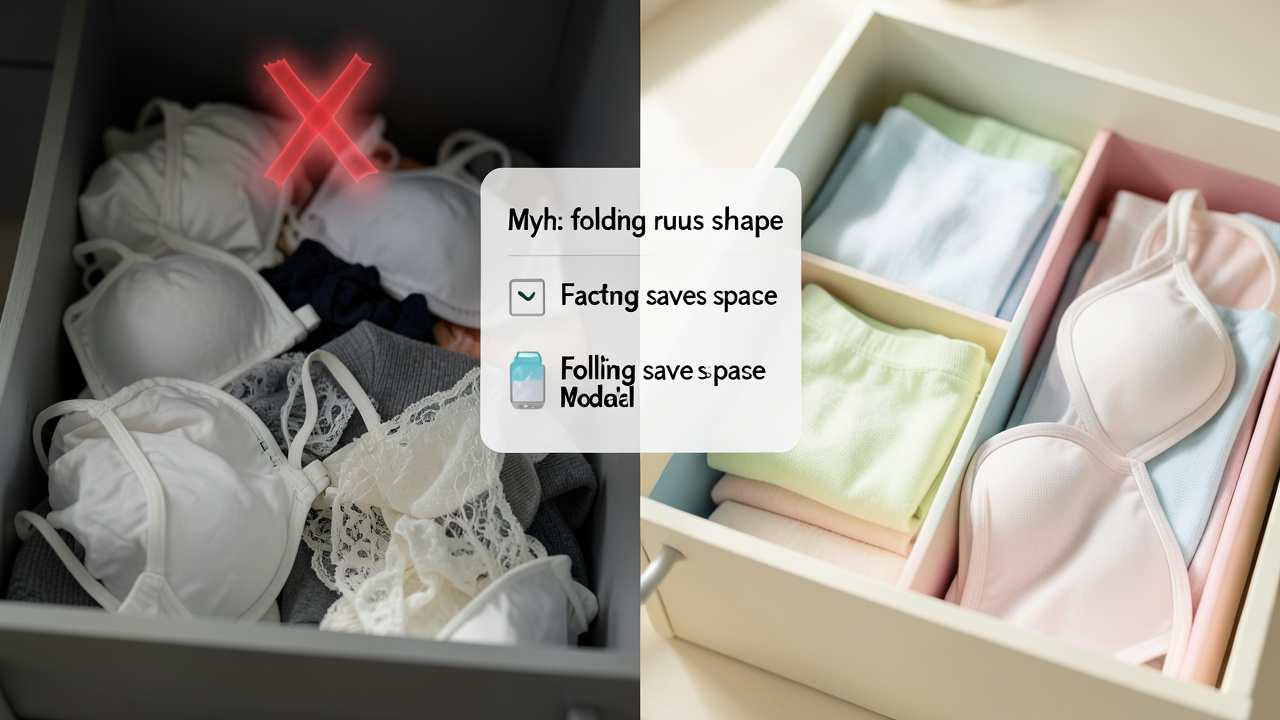
There are many misconceptions about how to store bras, underwear, and activewear. Here are the most common myths and the truth behind them.
- Myth: The KonMari fold works perfectly for everything.
Fact: The KonMari method is great for cotton underwear. But bulkier activewear and sports bras store better when rolled. Rolling prevents elastic from wearing out too fast. - Myth: You need an expensive custom closet system.
Fact: A $15 set of adjustable dividers works just as well as a $200 custom build. The key is separation, not the price tag. - Myth: Organizing is a one-time task.
Fact: Your drawer needs a monthly reset. Busy weeks disrupt any system. A quick 10-minute tidy every month keeps everything in order.
Pro Tips for Maintaining Your Active Storage System
These tips help your everyday innerwear storage for active days stay organized and your clothes last longer.
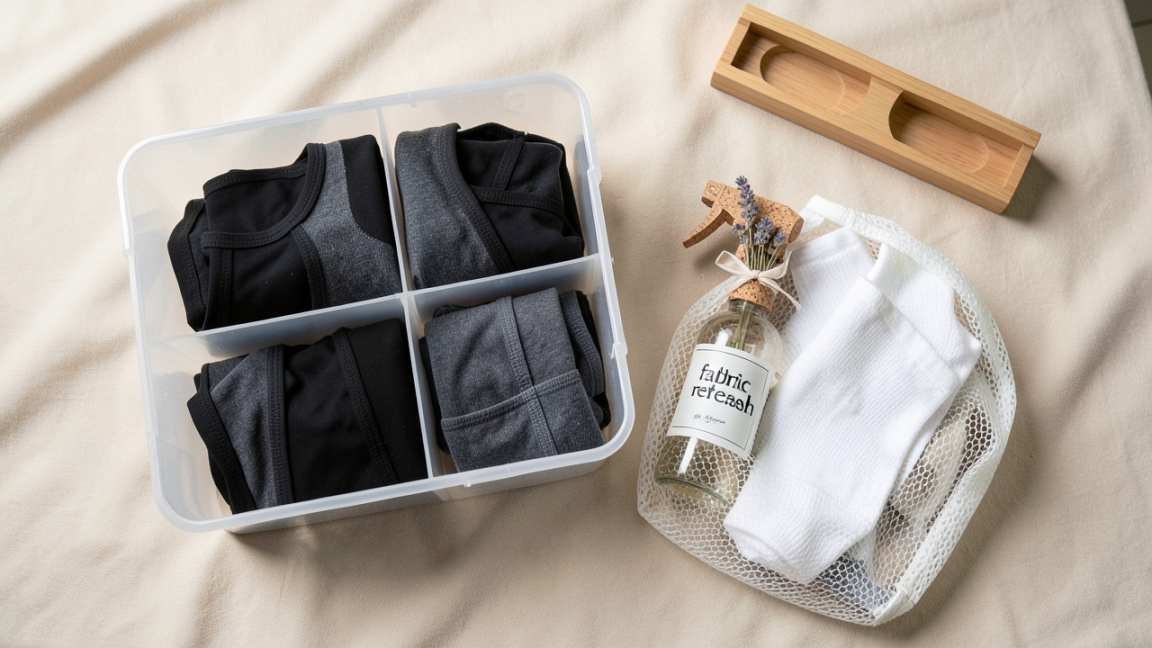
- Use cedar blocks or lavender sachets. These natural items absorb moisture and keep your drawer smelling fresh. They also repel moths and silverfish.
- Rotate your bras regularly. Hanbrand reports that the average woman owns 9 bras but only wears 4 regularly. Rotating your bras lets the elastic rest between wears. This extends their lifespan by up to 50 percent.
- Store sports bras upright. Do not fold sports bras in half. This damages the padding and compression fabric. Place them upright in a divider, just like you would store a bowl.
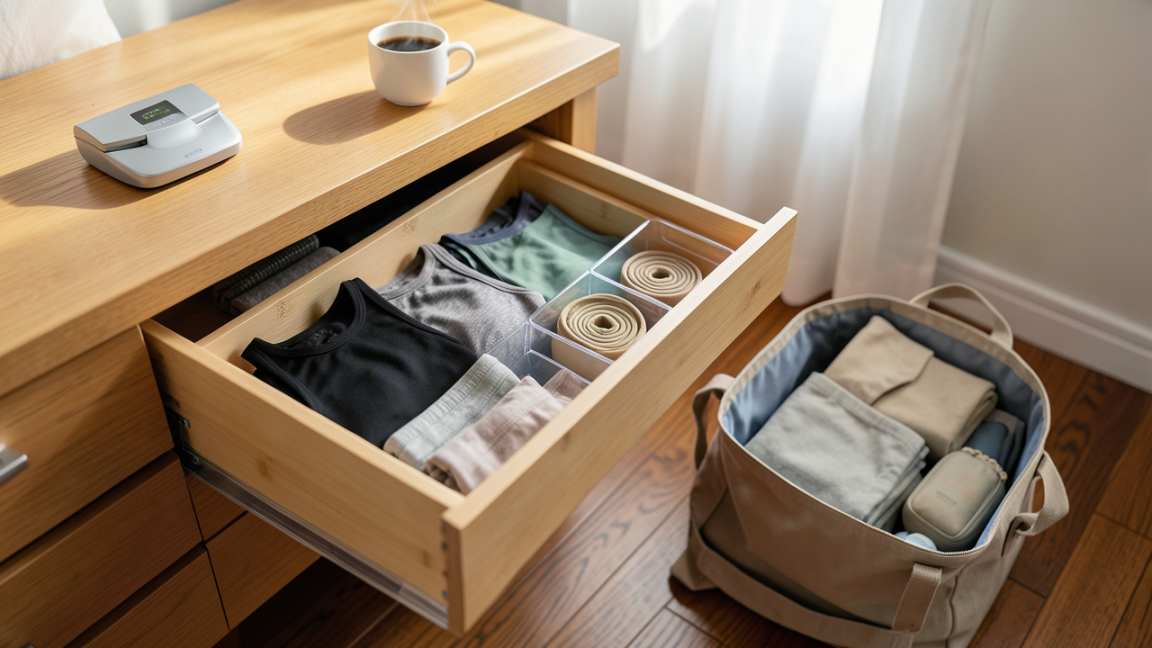
- Keep a travel bag in the drawer. Dedicate one small pouch for gym and travel items. Grab it on your way out for early morning workouts or overnight trips.
- Review your collection every three months. Activewear breaks down faster than regular clothes. Replace items that have lost their stretch or absorb odors.
Tip: Never use wire hangers to store bras. The wire can warp the cup shape. Always lay bras flat in a drawer or hang them on a padded hanger.
Resources and Tools for Getting Started
Use these resources to build your own storage system. They are widely available and affordable.
- Drawer Dividers by Simple Houseware – Adjustable plastic dividers that fit most standard drawers.
- Bamboo Organizer Boxes by DecoBros – Natural bamboo bins that let air circulate around your activewear.
- KonMari Method Guide – Learn the official folding technique for cotton underwear and t-shirts.
- Cedar Freshness Rings – Natural cedar rings to keep your drawer smelling clean.
- Apparel Care Guide by Patagonia – How to wash and store activewear for maximum lifespan.
Frequently Asked Questions
How often should I replace my everyday innerwear?
Replace your everyday underwear every 6 to 12 months. Sports bras need replacement every 6 to 8 months if you work out three times a week. Watch for stretched elastic and loss of support as key signs.
Can I store bras in a drawer without dividers?
Yes, but it is not recommended. Bras without dividers tend to get crushed and tangled. This deforms the cups and damages the underwire. Use simple dividers or fold each bra and stack them gently.
What is the best way to fold underwear for active days?
The KonMari fold works best for cotton and modal underwear. Fold the sides in and tuck the waistband into itself to create a small rectangle. This lets you store underwear upright so every pair is visible.
How do I store sports bras to keep their shape?
Store sports bras flat or upright in a divider. Never fold them in half or hang them by the straps. Rolling them loosely works well for travel. Keep padding inserts flat and separate to avoid wrinkling.
Should I keep my innerwear separate from my activewear?
Yes, keep them in separate sections or drawers. Innerwear uses different fabrics and care requirements. Mixing them can cause pilling and fabric damage. Use separate fabric boxes or dividers for each category.
Final Thoughts
A good storage system saves you time and protects your clothes. Start with basic dividers and breathable boxes to separate your activewear from your everyday pieces. Spend 10 minutes each week resetting your drawer to keep the system working. Small changes make a big difference in your daily routine.