Thermal Wear Off-Season: A Complete Guide for Everyday Wear
Thermal wear functions as an effective off-season base layer for everyday use by managing moisture, regulating body temperature, and offering UV protection through lightweight merino wool and synthetic fabrics. A 150 gsm merino top keeps the wearer cool in 80-degree heat by wicking sweat faster than cotton, while a thin synthetic layer under a dress shirt prevents sweat stains during humid summer commutes. Extending the garment's usefulness to roughly 10 months per year, this approach maximizes wardrobe value and reduces the need for seasonal-specific clothing while maintaining comfort.
Most people pack away their thermal tops when the temperature hits 60 degrees. This guide changes that approach by treating base layers as a year-round tool for comfort.
Simply put, wearing thermal wear off-season means using lightweight base layers during spring, summer, and fall for moisture management, sun protection, and temperature regulation. Modern fabrics like merino wool and thin synthetics are designed to keep you cool when worn alone or under light clothing, making them functional for 10 months of the year.
You can get more value from your wardrobe by understanding how fabric weight, breathability, and layering work together. This complete guide covers the best types, how to wear them, and the real costs involved.
Key Takeaways
- Lightweight merino wool (150 gsm) can keep you cool in 80-degree weather by wicking moisture away from the skin faster than cotton.
- Wearing a thin synthetic base layer under a dress shirt prevents sweat stains and keeps you dry during humid summer commutes.
- The global base layer market is currently valued at over $8 billion, with merino wool as the fastest-growing segment due to its natural odor resistance.
- A single high-quality thermal top can replace five cotton t-shirts for travel and outdoor activities when chosen correctly.
- Off-season thermal wear provides UPF 50+ sun protection, reducing the need for separate sunscreen on covered areas during long days outside.
Why Wear Thermal Wear Year-Round
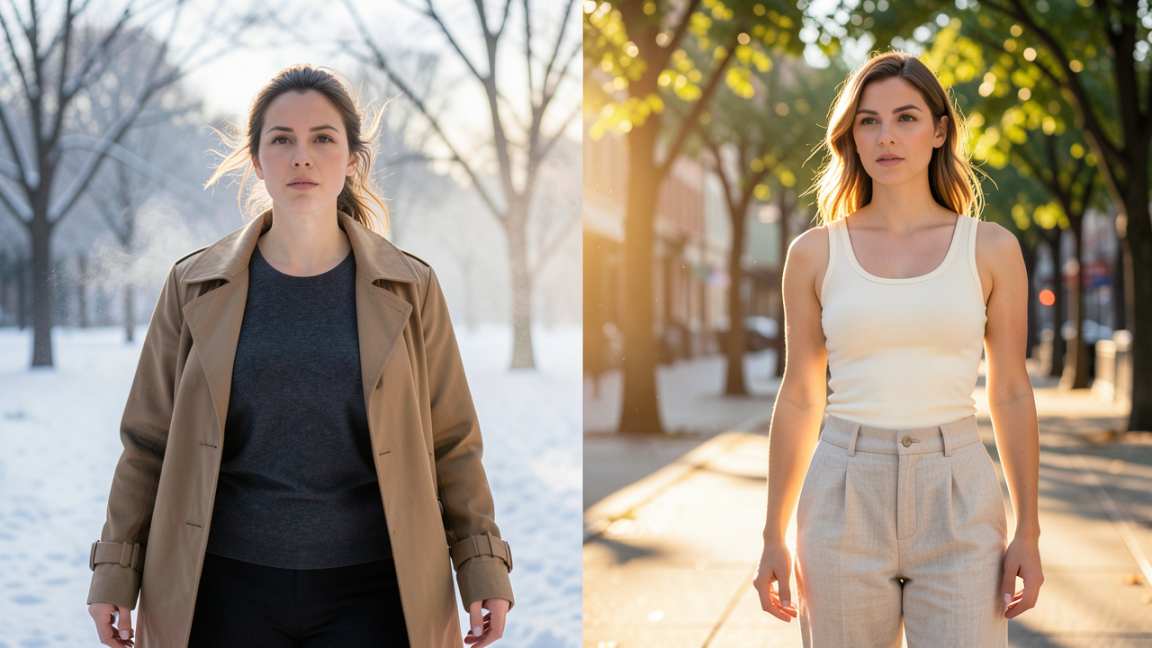
Most people think of thermal tops as winter-only gear. The reality is that modern base layers are designed for a wide temperature range. According to the, wool can absorb up to 30 percent of its weight in moisture without feeling wet. This makes it ideal for humid spring and summer days.
Wearing base layers off-season helps your body regulate temperature. When you sweat, the fabric pulls moisture away. When the wind picks up, it provides a thin barrier. This dual action keeps you comfortable in transitional weather better than cotton or standard polyester shirts.
The is a unit of thermal insulation. A base layer with a CLO value of 0.2 is suitable for temperatures between 50 and 70 degrees Fahrenheit. You can use this standard to pick the right top for any season.
Important: The CLO value is the industry standard for measuring insulation. A lightweight top (0.2 CLO) is very different from a heavy winter top (0.8 CLO). Always check the GSM rating before buying for off-season use.

Types of Thermal Wear for Everyday Use
Not all thermal wear works the same way. The fabric type and weight determine where and how you can wear it. Here is a breakdown of the most common materials used in off-season layering.
| Fabric Type | Weight (GSM) | Best Temperature Range | Typical Price Per Item |
|---|---|---|---|
| Merino Wool | 150 – 180 | 50 – 75 F | $60 – $120 |
| Synthetic (Polyester/Nylon) | 100 – 150 | 60 – 85 F | $15 – $40 |
| Silk | Lightweight | 55 – 70 F | $80 – $150 |
| Cotton Blend | 180 – 220 | 45 – 65 F | $20 – $40 |
Merino wool is the top choice for off-season wear. It is naturally antimicrobial, which means it resists odors even after several days of use. Synthetics dry faster and cost less, making them good for high-intensity activities. Silk is lightweight but delicate. Cotton is comfortable but holds moisture, so it is not ideal for active off-season use.
Tip: If you are new to off-season thermal wear, start with a 150 GSM merino wool top. It works for hiking, travel, and even business casual layering.

How to Wear Thermal Wear in Warm Weather
Wearing thermal layers when it is warm requires a different strategy than winter use. Follow these steps to stay comfortable without overheating.
- Choose the right fabric weight. Look for tops between 100 and 180 GSM. Anything heavier will trap too much heat for summer use.
- Select neutral colors. Black, grey, and navy disappear under white or light-colored shirts. This keeps your off-season thermal top hidden when worn as a base layer.
- Use it as a sweat barrier. Wear a V-neck synthetic or merino top under your dress shirt. It stops sweat from reaching the outer layer and keeps you dry through meetings.
- Wear it solo. A fitted merino top with jeans or chinos works as a standalone outfit for evenings. It looks intentional and keeps you cool when the temperature drops.
- Care for it properly. Wash on gentle cycle with cold water. Avoid fabric softeners because they clog the pores that make the fabric breathable.
This method works for temperatures up to 85 degrees Fahrenheit. The key is the moisture-wicking property of the fabric. According to the, 67 percent of people now use activewear for everyday casual use. Off-season thermal wear fits perfectly into this trend.
Costs and Lifespan
Investing in off-season thermal wear saves money over time. A high-quality merino top costs between $60 and $120. A synthetic top costs between $15 and $40. Here is how they compare in terms of value.
| Factor | Merino Wool | Synthetic |
|---|---|---|
| Upfront Cost | $60 – $120 | $15 – $40 |
| Average Lifespan | 5 – 10 years | 2 – 4 years |
| Cost Per Wear (Est.) | $0.05 – $0.10 | $0.03 – $0.08 |
| Odor Resistance | High (3-5 days) | Low (1 day) |
| Environmental Impact | Biodegradable | Non-biodegradable |
Merino wool costs more upfront but lasts longer and requires less washing. Synthetics are cheaper but need more frequent washes and replacement. For off-season everyday wear, merino wool gives the best overall value.
Common Myths vs Facts
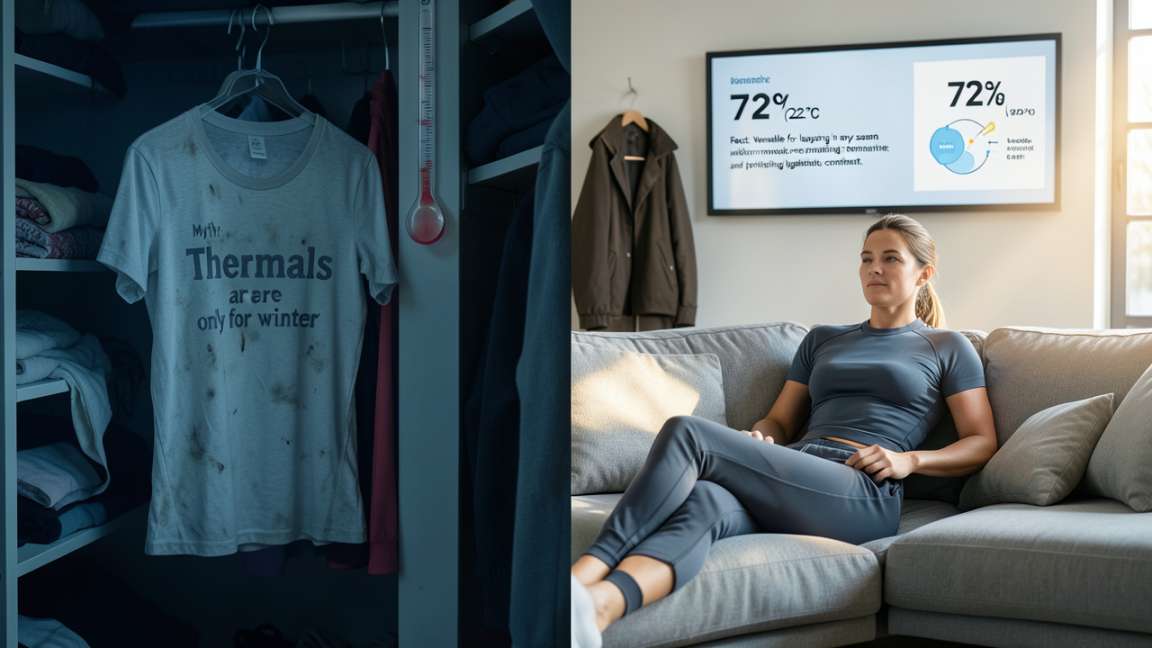
Many people avoid wearing thermal layers in warmer months because of common misconceptions. Here are the facts that bust those myths.
Myth 1: Thermal wear is too hot for summer.
Lightweight merino wool (150 GSM) is actually a top choice for summer hiking and travel. It wicks moisture and resists odor better than cotton. Fact: According to the, wool can absorb 30 percent of its weight in moisture without feeling wet. This helps regulate body temperature in both heat and cold.
Myth 2: Thermal wear is only for skiing or outdoor sports.
Many people now wear base layers as everyday shirts under business casual clothes or as loungewear at home. Fact: Brands have designed modern thermal tops with flat seams and neutral colors, making them invisible under dress shirts and blouses for office use.
Myth 3: All thermal wear looks bulky and thick.
Modern manufacturing produces ultra-thin tops that fit snugly under any outer layer. Fact: A 150 GSM merino top is about as thick as a standard t-shirt but offers far better moisture management and temperature regulation.
Warning: Avoid wearing a heavy winter-weight thermal top (over 220 GSM) in warm weather. This will cause overheating. Stick to lightweight or ultra-light fabrics for off-season use.
Pro Tips for Off-Season Layering
Use these tips to get the most out of your thermal wear during spring, summer, and fall.
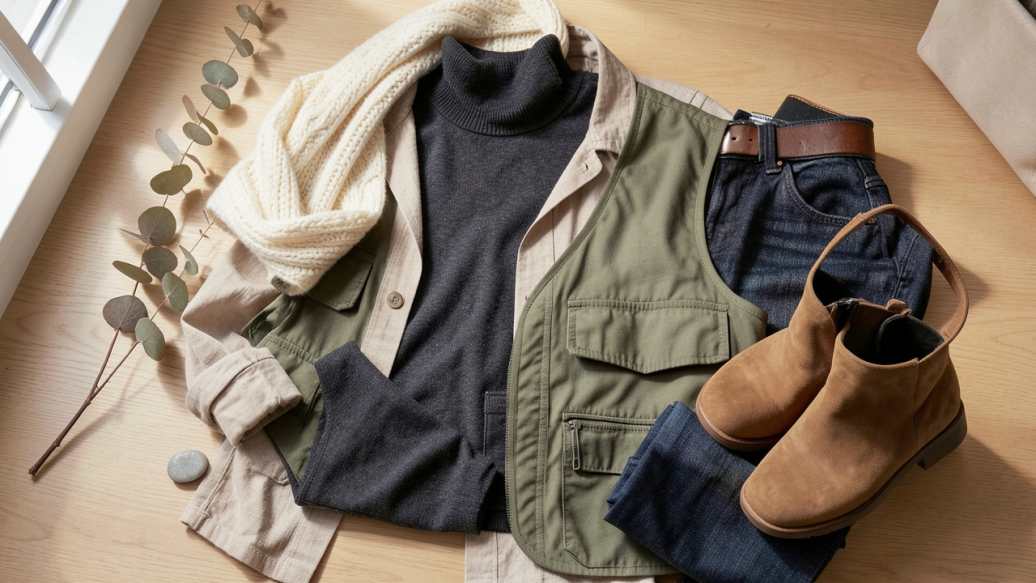
- Watch the hemline. Make sure your thermal top is long enough to stay tucked in. A top that rides up defeats the purpose of a base layer.
- Avoid fabric softener. Fabric softener coats the fibers and reduces breathability. Use a wool-specific detergent for merino and a mild detergent for synthetics.
- Follow layering logic. Thinner layers go closer to the skin. Thicker layers go on top. For off-season wear, your thermal top is the thin layer that sits against your skin.
- Test before travel. Wear your new thermal top around the house for a day before packing it for a trip. This ensures the fit and comfort are right for long wear.
- Care is everything. Air dry your thermal tops instead of using a dryer. Heat damages the elastic fibers and reduces the lifespan by up to 50 percent.
Resources and Tools
Here are some trusted brands and tools to help you find the best thermal wear off-season options.
- Smartwool – A leading brand for merino wool base layers. They offer lightweight tops specifically designed for warmer weather.
- Icebreaker – Known for high-quality merino clothing with a focus on sustainability and durability.
- Uniqlo – Offers affordable synthetic and merino base layers with a good balance of quality and price.
- 32 Degrees – A budget-friendly option for synthetic thermal tops that work well for everyday off-season wear.
- Amazon – Browse a wide selection of thermal base layers across all price points and fabrics.
Frequently Asked Questions
Can I wear thermal wear in the summer?
Yes. Lightweight merino wool or synthetic thermal tops are designed to regulate temperature and wick sweat. They keep you cooler than cotton in hot weather by pulling moisture off the skin and allowing it to evaporate.
Is merino wool itchy like regular wool?
High-quality merino wool has fibers as thin as 17 to 19 microns. This is much finer than traditional wool. It is soft enough for direct skin contact without itching for most people.
How do I wash my thermal wear without damaging it?
Wash merino wool on a gentle cycle with cold water and use a wool-specific detergent. Avoid fabric softeners and high heat drying. Synthetics can handle a regular wash but should still be air-dried to maintain elasticity.
Can I wear a thermal top under a dress shirt?
Absolutely. A lightweight V-neck base layer acts as a sweat barrier under dress shirts. It prevents sweat stains from reaching the outer shirt and keeps you dry during long work days.
What is the best weight for off-season thermal wear?
Look for a weight between 150 and 180 GSM. This is considered lightweight or midweight. It works well for temperatures between 50 and 75 degrees Fahrenheit.
Final Thoughts
Thermal wear is not just for freezing winter days. The right base layer works hard for you during spring, summer, and fall by managing sweat and regulating your body temperature. Investing in one good lightweight merino top can change how you dress for travel, work, and outdoor activities all year.