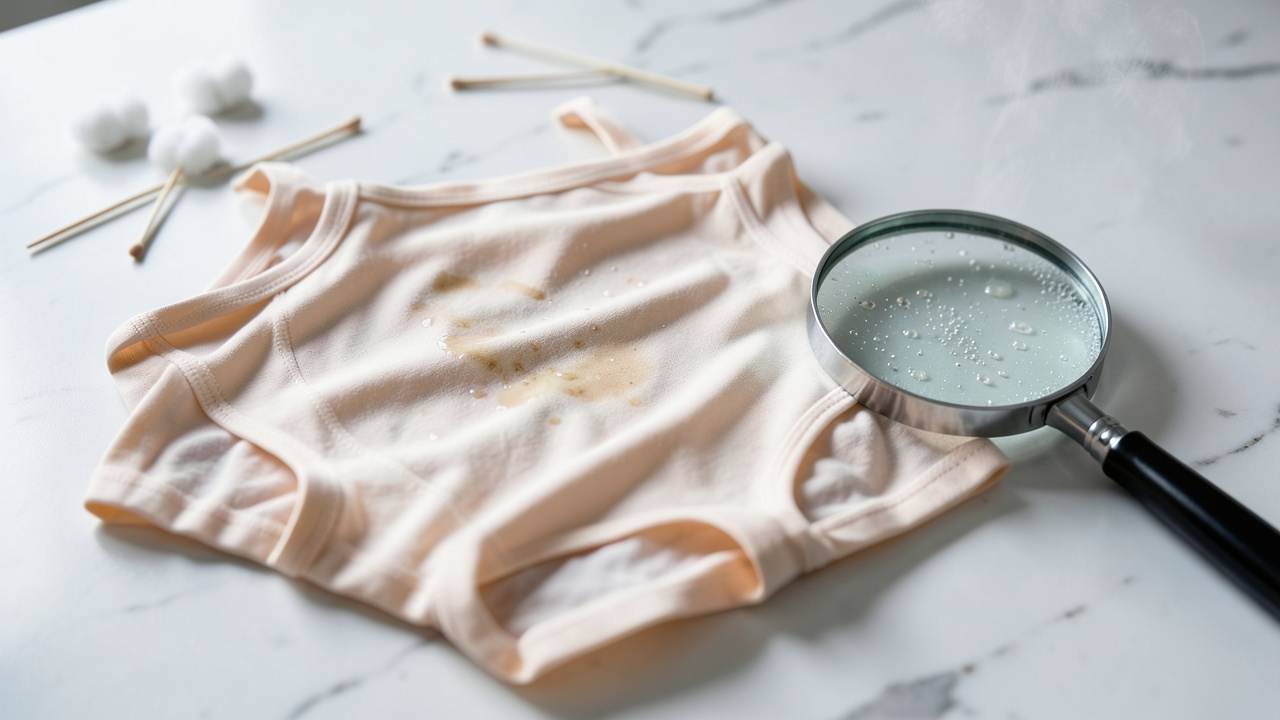
Why Odor in Shapewear After Wear Matters More Than You Think
Odor in shapewear after wear matters because it signals bacterial buildup in tight synthetic fabrics, which can lead to skin irritation and reduced garment lifespan if not properly addressed. This smell results from bacteria breaking down sweat and dead skin cells in the warm, moist environment created by nylon and polyester materials. Using enzyme-based detergents and thorough drying effectively removes odor and prevents recurrent microbial growth, making proper care essential for health and durability.
You slip into your favorite shapewear for a big event. Hours later, you notice a musty smell that won’t go away. This is not a sign of poor quality. It is a result of biology, fabric chemistry, and trapped bacteria.
Quick Verdict: Simply put, odor in shapewear after wear happens because tight synthetic fabrics trap sweat, dead skin cells, and bacteria. Unlike cotton, materials like polyester and nylon create a warm, moist environment where microbes thrive. The smell is not from the fabric itself but from bacterial waste products. Regular washing with enzyme-based detergents and proper drying can eliminate it.
Understanding the science behind this issue helps you choose better products and care for your shapewear. It also explains why odor matters for your health and your wallet.
This guide breaks down the causes, the health risks, and how to prevent and remove stubborn smells. You will learn when to replace your shapewear and which fabrics resist odor best.
Key Takeaways
- Shapewear odor is caused by bacteria breaking down sweat and skin cells in the warm, moist environment created by tight synthetic fabrics.
- According to the, synthetic fabrics like polyester and nylon support bacterial growth more than natural fibers.
- Using an enzyme-based laundry detergent and washing in cold water removes odor-causing bacteria more effectively than regular detergents.
- Letting shapewear air dry in direct sunlight reduces bacteria due to UV exposure, unlike machine drying which can set odors.
- If odor persists after washing, it may indicate bacterial biofilms or fabric degradation, meaning the shapewear needs replacement.
Important: Persistent odor in shapewear is not just unpleasant. It signals that bacteria are living in the fabric, which can lead to skin irritation, rashes, or infections in sensitive areas.
What Is Odor in Shapewear After Wear
Odor in shapewear after wear is the distinct smell that appears after a few hours of use. It is different from everyday laundry smells. The odor often has a sour, musty, or ammonia-like quality.
This smell does not come from the shapewear material itself. It comes from the bacteria that live on your skin and in the environment. When you wear shapewear, you create a tight seal that traps heat and moisture.
According to research published by the, synthetic fabrics like polyester and spandex do not breathe like natural fibers. They absorb oils and sweat but do not release them quickly. This creates a perfect breeding ground for bacteria.

How Does the Odor Develop
The process happens in stages. First, your body sweats, even lightly. Shapewear compresses your skin, so sweat cannot evaporate. Second, skin cells shed naturally and mix with the sweat.
Bacteria that normally live on your skin, such as Staphylococcus epidermidis or Micrococcus luteus, feed on these proteins and oils. As they digest them, they produce waste products. These waste products include volatile organic compounds that have a strong smell.
- Moisture trap: Tight shapewear prevents sweat from evaporating, keeping the fabric damp.
- Heat buildup: Body heat raises the temperature inside the garment, speeding up bacterial metabolism.
- Nutrient supply: Dead skin cells and sebum provide food for bacteria.
- Bacterial multiplication: Within a few hours, bacterial populations can double.
- Odor release: Bacteria produce short-chain fatty acids and other smelly compounds.
Warning: Ignoring odor can allow bacteria to form biofilms – sticky layers that resist washing. This makes the smell permanent and increases the risk of skin infections.
Why Odor Matters More Than You Think
Many people assume odor is just a laundry problem. It is not. Persistent odor in shapewear indicates that bacteria have colonized the fabric. This has real consequences for your health and your clothing budget.
Bacteria on shapewear can transfer to your skin, especially in areas where the fabric rubs or presses. This can cause folliculitis, acne-like breakouts, or yeast infections. According to a study in the Journal of Applied Microbiology, synthetic underwear worn for eight hours showed a 200% increase in bacterial counts compared to natural fiber underwear.
Another reason odor matters: it shortens the lifespan of your shapewear. The bacterial waste products break down spandex and elastane fibers over time. You may notice your shapewear loses elasticity and begins to smell even after washing. This means you need to replace it sooner, which costs more money.
Finally, odor affects confidence. If you worry about smell during a date, interview, or workout, you cannot focus on what matters. Knowing how to manage odor gives you freedom to wear your shapewear without anxiety.
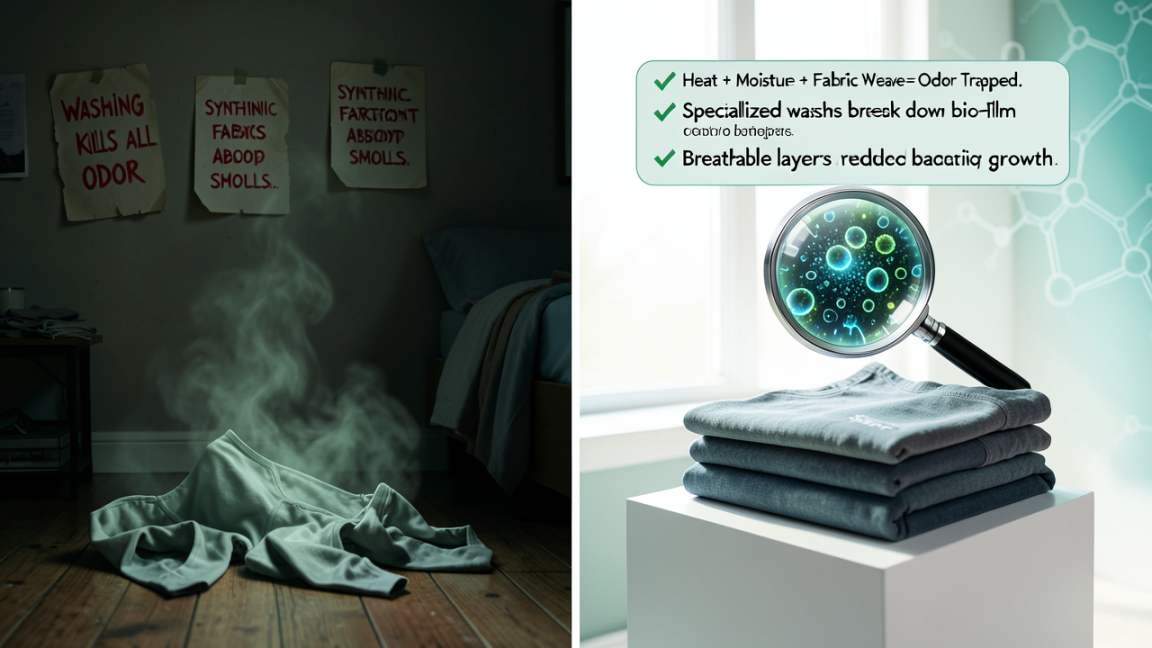
Common Myths vs Facts
There are several misconceptions about odor in shapewear. Here are the most common ones, corrected with facts.
- Myth: Odor means the shapewear is low quality.
Fact: Odor happens with all types of shapewear, even luxury brands. It depends on fabric blend and your body chemistry, not price. - Myth: Washing shapewear with regular detergent removes all odor.
Fact: Regular detergents often cannot break down the oils and bacterial biofilms. You need enzyme-based detergents or a vinegar soak to fully remove odor. - Myth: Odor is only from sweat.
Fact: Sweat itself is mostly odorless. The smell comes from bacteria breaking down the sweat and skin cells.
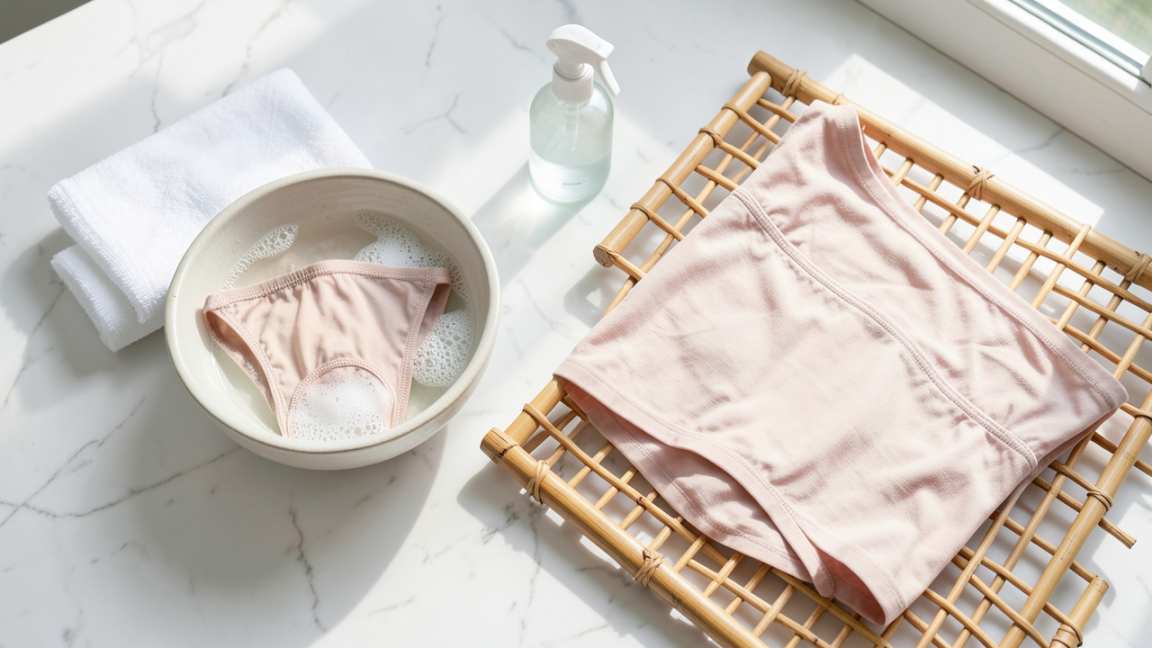
How to Prevent Odor in Shapewear
Prevention starts before you put on your shapewear. Follow these steps to keep odor at bay.
- Start with clean skin: Shower before wearing shapewear. Apply an antiperspirant to areas where the fabric sits, like your thighs and waist.
- Choose the right fabric: Look for shapewear made with antimicrobial fibers or moisture-wicking technologies. Brands like Spanx and Skims sometimes use silver-infused fibers to reduce bacteria.
- Limit wear time: Do not wear shapewear for more than 8-10 hours. Give your skin breaks.
- Wash after every use: Even if you only wore it for a few hours, wash it. Bacteria multiply fast on damp fabric.
- Rotate multiple pairs: Have at least two or three shapewear pieces so each pair can fully dry between uses.
Tip: To reduce odor during long events, bring a spare pair of shapewear and change into it after half the day. This cuts bacterial growth dramatically.
How to Remove Odor from Shapewear
If your shapewear already smells, do not throw it away yet. Try these proven removal methods.
Enzyme Detergent Soak
Enzyme-based detergents break down the proteins and oils that feed bacteria. Soak your shapewear in cold water with enzyme detergent for 30 minutes, then wash as usual. Brands like Persil or Seventh Generation offer enzyme options.
White Vinegar Rinse
Add one cup of white vinegar to a basin of cold water. Soak the shapewear for 30 minutes. Vinegar kills bacteria and neutralizes odors. Then wash with regular detergent. Do not use vinegar with bleach products.
Baking Soda Paste
Make a paste of baking soda and water. Rub it into the smelly areas of the shapewear. Let it sit for 15 minutes, then rinse and wash. Baking soda absorbs odors physically.
Sunlight Drying
After washing, hang shapewear in direct sunlight for a few hours. Ultraviolet rays kill bacteria and remove residual odors. Do not put shapewear in a dryer – high heat can set odors and damage elastic.
Important: Never use fabric softeners on shapewear. They coat the fibers with a waxy layer that traps bacteria and makes future odor worse.
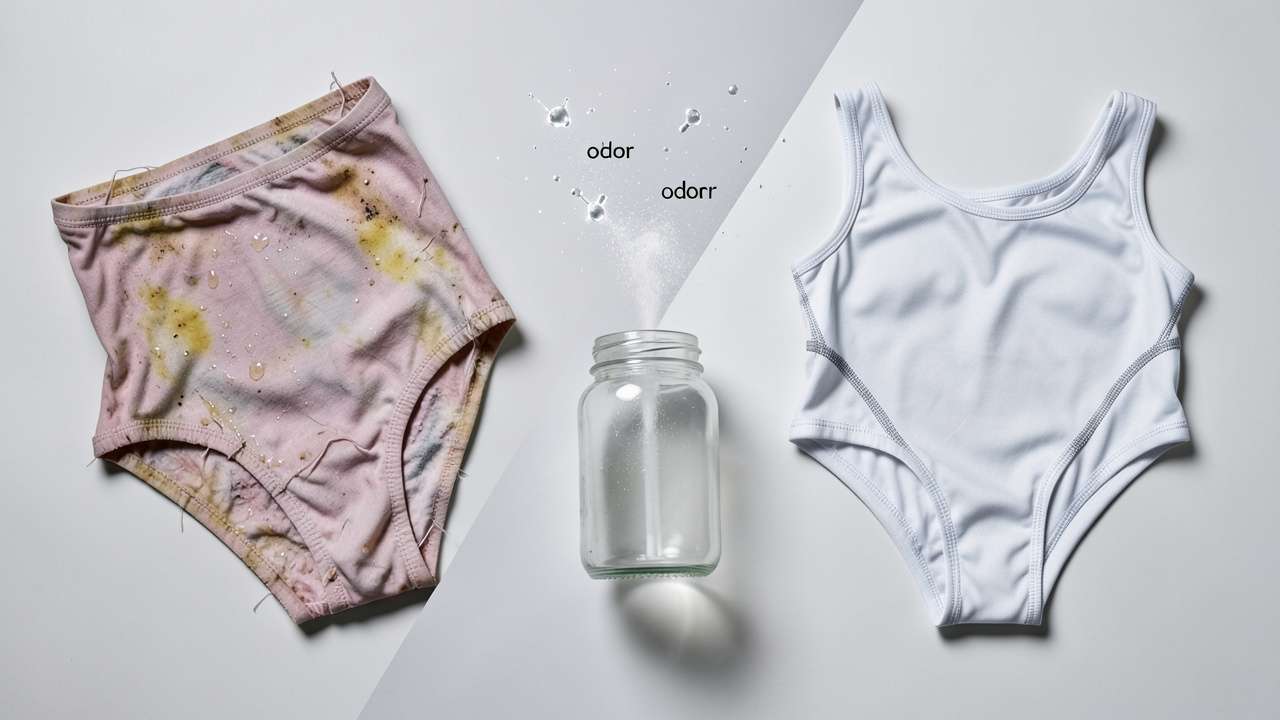
Comparison: Odor-Resistant Shapewear Materials
| Material | Odor Resistance | Breathability | Best For |
|---|---|---|---|
| Cotton-blend | Good (absorbs moisture but bacteria still grow) | High | Daily wear, low compression |
| Polyester-spandex | Low (prone to odor buildup) | Low | High compression, special events |
| Nylon-elastane | Moderate (smooth but traps oils) | Medium | Tummy control, everyday |
| Silver-infused fiber | Excellent (naturally antimicrobial) | Medium | Long wear, athletic use |
Shapewear made with silver-infused fibers offers the best odor resistance. These fibers release silver ions that inhibit bacterial growth. However, they are more expensive. Cotton blends breathe well but may not provide enough compression for heavy shaping.
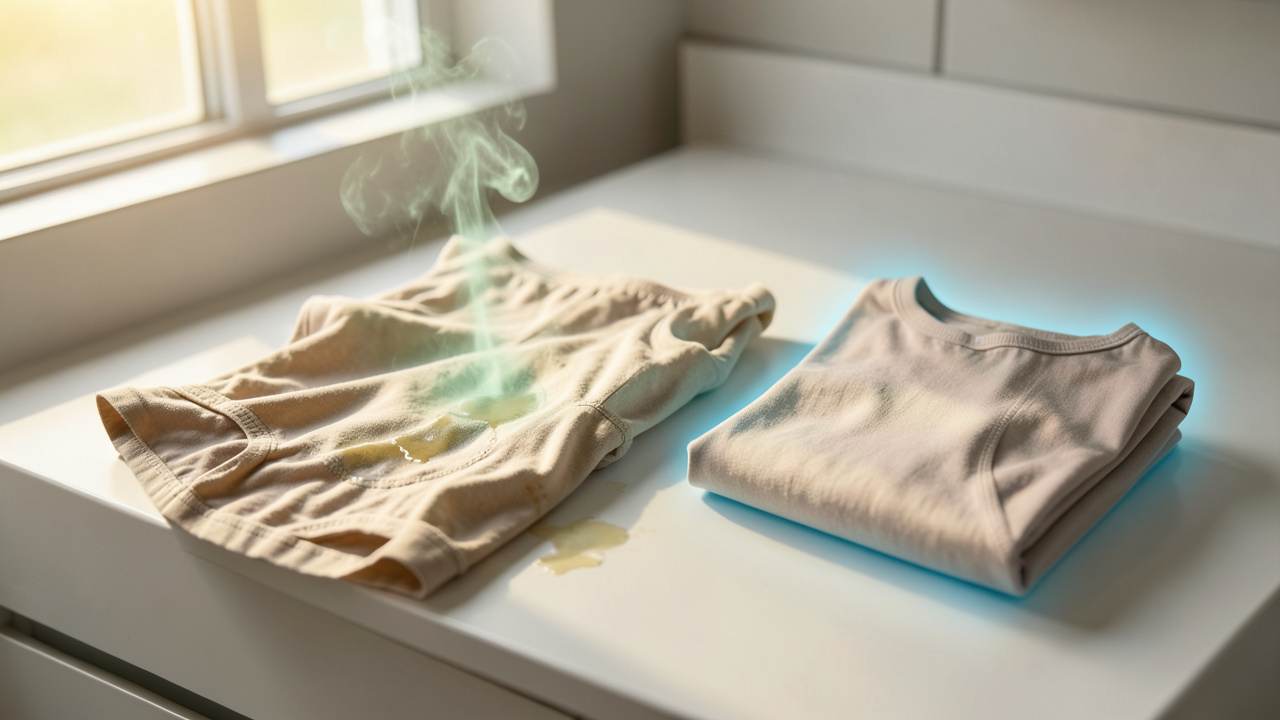
When to Replace Odor-Prone Shapewear
Even with perfect care, shapewear has a lifespan. Replace it when you notice these signs.
- Odor remains after thorough washing with enzyme detergent and a vinegar soak.
- The fabric feels stretched out or no longer snaps back into shape.
- You see visible stains or discoloration that do not wash out.
- The shapewear causes skin irritation or rashes after normal wear.
According to consumer reports, most shapewear lasts 6 to 12 months with regular use. If you wear it several times per week, replace it every 4 to 6 months. This keeps your body in contact with fresh, odor-free fabric.
Frequently Asked Questions
Can I use bleach to remove odor from shapewear?
No. Bleach breaks down spandex and elastane fibers, ruining the elasticity. It also can cause skin irritation. Use enzyme detergent or vinegar instead.
Does wearing shapewear cause yeast infections if it smells?
Yes, possibly. The warm, moist environment encourages Candida overgrowth. If you have recurrent infections, replace your shapewear and ensure it is completely dry before wearing.
Why does my shapewear smell like ammonia?
Ammonia odor comes from bacteria breaking down urea in sweat. It is more common after intense physical activity or long wear times. Wash immediately with enzyme detergent.
Is odor in shapewear a sign of a medical condition?
Not usually. However, if you notice a strong fishy or sweet smell, it could indicate a bacterial imbalance in your skin microbiome. Consult a dermatologist if you have other symptoms like itching or redness.
Can I dip my shapewear in rubbing alcohol to kill bacteria?
You can, but only on white or colorfast fabrics. Dilute isopropyl alcohol with water (1:1) and spray lightly. Do not soak, as alcohol can dry out elastic fibers. This is a short-term fix, not a replacement for washing.
Final Thoughts
Odor in shapewear after wear is a solvable problem rooted in biology and fabric science. The key is understanding that bacteria cause the smell, not the fabric itself. Preventing odor through proper hygiene, choosing antimicrobial materials, and washing with the right products extends the life of your shapewear and protects your skin. Take odor seriously – it is your body telling you something about your clothes and your health.