Why Preventing Odor Before It Starts Is Important for Comfort
Preventing odor before it starts is important for comfort because it halts the bacterial breakdown of sweat at its source, providing uninterrupted freshness throughout the day. This proactive strategy reduces skin moisture and bacterial populations, decreasing odor production by up to 80% and removing the reliance on heavy fragrances or frequent reapplication. Adopting a routine of proper cleansing, thorough drying, and nighttime antiperspirant use delivers sustained comfort with less effort and greater confidence.
Your body produces sweat every day. Bacteria on your skin feed on that sweat and create the smell you try to cover up. Proactive odor prevention stops the process before it starts rather than masking the smell after it forms.
Important: Proactive prevention means reducing moisture and bacteria on your skin before odor develops. This approach keeps you comfortable all day without relying on heavy fragrances or frequent reapplication.
Quick Verdict: Preventing odor before it starts keeps you comfortable by stopping bacteria from breaking down sweat into smelly compounds. It reduces the need for strong perfumes and frequent washes. A proactive routine saves time, boosts confidence, and helps you stay fresh longer with less effort.
Key Takeaways
- Body odor happens when bacteria on your skin break down sweat into odorous acids.
- Proactive odor prevention focuses on reducing moisture and bacterial growth before smell forms.
- Using antiperspirants and proper hygiene habits can cut odor production by up to 80%.
- Reactive methods like perfume only mask smell and may not last through stress or exercise.
- A consistent morning routine with the right products delivers all-day comfort without reapplying.
How Does Odor Start on Your Body?
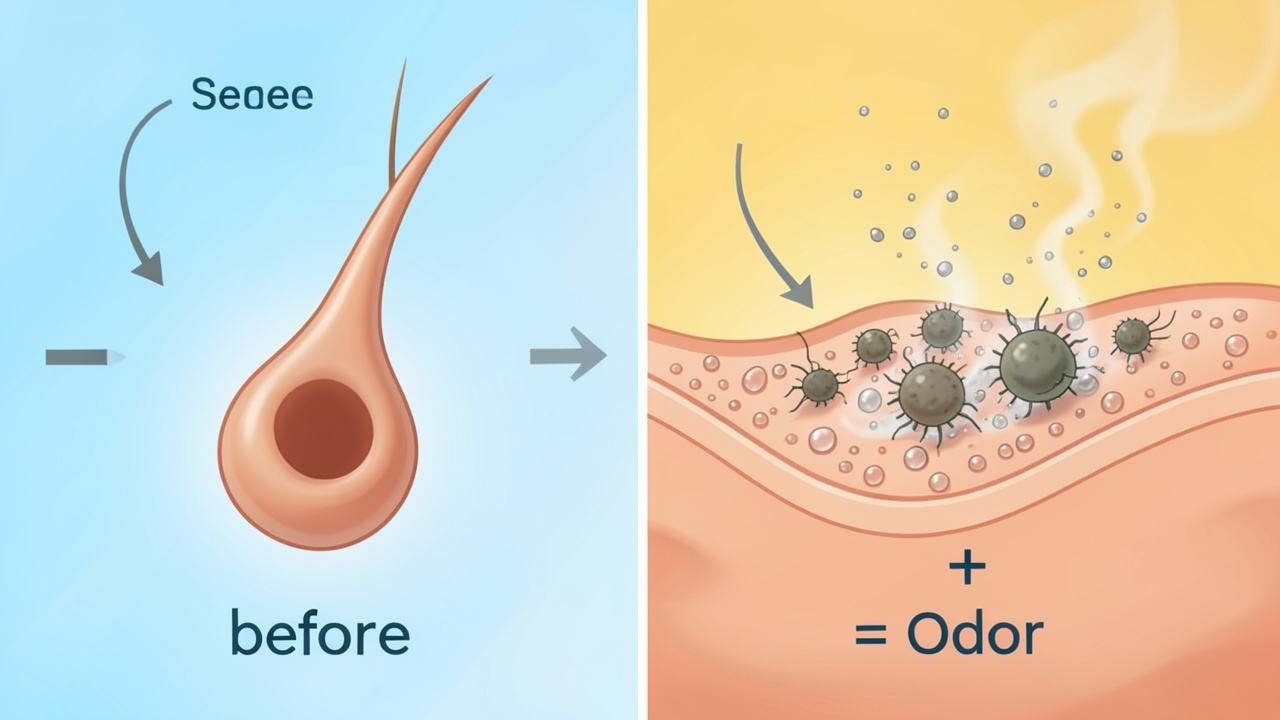
Sweat itself has no smell. The odor comes from bacteria living on your skin. These bacteria feed on proteins and fats in your sweat and release byproducts that have a strong smell.
Your body has two types of sweat glands. Eccrine glands cover most of your skin and produce watery sweat to cool you down. Apocrine glands are found in your armpits and groin area. They release a thicker sweat full of nutrients that bacteria love.
According to the, body odor starts when apocrine sweat mixes with bacteria on the skin surface. This reaction happens within hours of showering. That is why you can smell fresh in the morning but not by midday.
The Role of Moisture
Bacteria thrive in warm, moist environments. Your armpits provide the perfect breeding ground. More moisture means more bacterial activity and stronger odor. Keeping the area dry is the first step to prevention.
Tip: After showering, dry your armpits completely with a clean towel before applying any product. Even a little leftover moisture can help bacteria multiply.
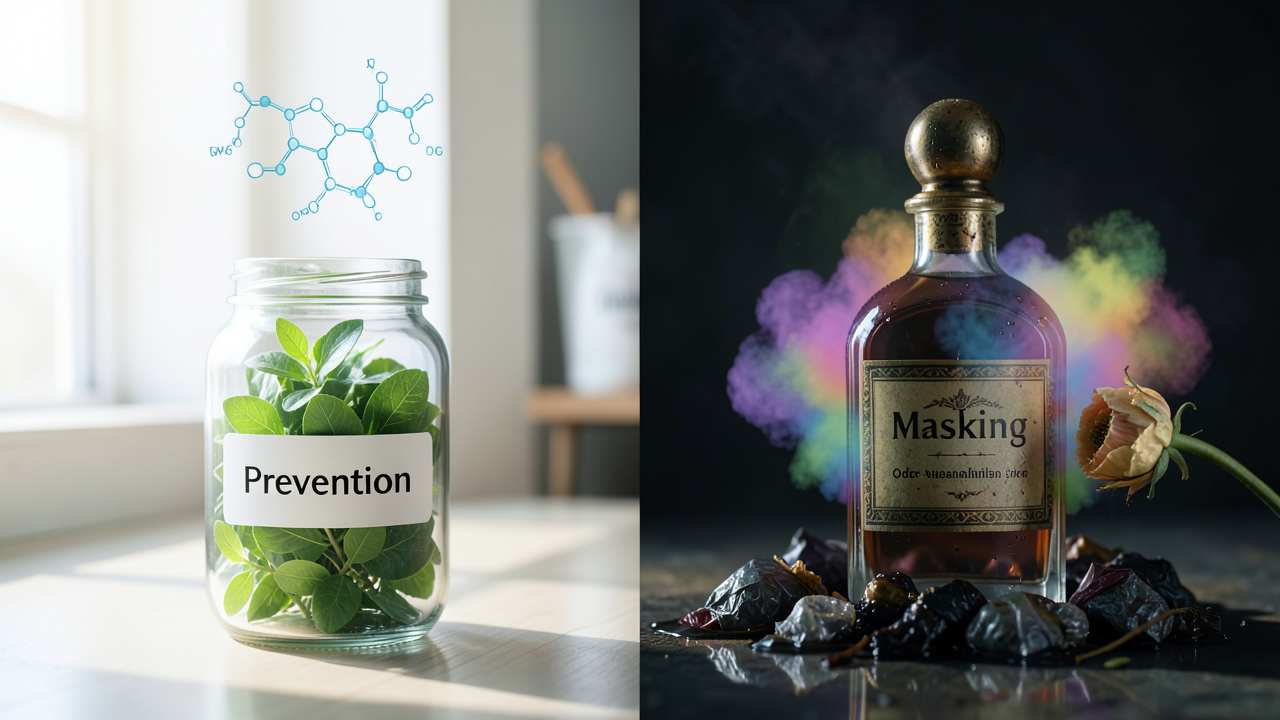
What Is the Difference Between Prevention and Masking?
Masking means covering up odor after it forms. You use deodorant sprays, roll-ons, or perfumes that add a stronger scent on top of the bad smell. This approach can work for a short time, but it wears off.
Preventing odor before it starts means stopping the cause. You reduce sweat production, kill or slow bacteria, and leave your skin dry. Products like antiperspirants use to block sweat glands temporarily. This stops the moisture that bacteria need.
According to the American Academy of Dermatology, antiperspirants reduce sweat by 20% to 30% in most people and up to 50% in others. Less sweat means less food for bacteria and less odor.
Types of Proactive Odor Prevention Methods
You have several options for stopping odor before it starts. Each method works differently. Choose based on your skin type, activity level, and personal preference.
| Method | How It Works | Best For |
|---|---|---|
| Antiperspirant | Blocks sweat glands with aluminum salts | Heavy sweaters and hot climates |
| Deodorant | Kills bacteria and adds fragrance | Light sweaters who want natural options |
| Antibacterial wash | Reduces bacteria on skin before sweat | People with strong natural body odor |
| Moisture-wicking fabrics | Pull sweat away from skin | Athletes and active lifestyles |
| Dietary adjustments | Reduce foods that affect sweat composition | People with diet-related odor changes |
Tip: Combine antiperspirant with a deodorant that contains antibacterial ingredients like triclosan or natural options like tea tree oil for double protection.
Who Needs Proactive Odor Prevention?
Everyone produces sweat and has bacteria on their skin. But some people need a stronger prevention routine than others.
- Active people who exercise or work outdoors sweat more and need long-lasting protection.
- People in humid climates face constant moisture that feeds bacteria growth.
- Teens going through puberty experience changes in sweat glands that increase odor.
- Individuals with hyperhidrosis (excessive sweating) require medical-grade antiperspirants.
- Anyone who values social comfort wants to avoid embarrassing odor during meetings, dates, or public events.
According to the, regular hygiene practices like daily bathing and using deodorant are key to preventing body odor. The CDC does not recommend relying on perfume alone.
How to Get Started with a Proactive Odor Routine
You do not need a complicated system. Follow these steps to build a routine that stops odor before it starts.
Step 1: Cleanse Properly
Use an antibacterial soap or body wash in the shower. Focus on armpits, feet, and groin. Scrub for at least 20 seconds. According to the American Society for Microbiology, handwashing with soap reduces bacteria by 80%, and the same principle applies to body washing.
Step 2: Dry Completely
Pat your skin dry with a clean towel. Do not leave any damp spots. Bacteria growth slows significantly on dry skin.
Step 3: Apply Antiperspirant at Night
For best results, apply antiperspirant before bed. The aluminum salts need time to form plugs in your sweat glands. This gives you protection the next morning. According to dermatologists, night application works better than morning application.
Step 4: Choose the Right Products
Read labels. Look for antiperspirants with at least 15% aluminum chloride for moderate sweating. For sensitive skin, try clinical strength formulas with lower irritation risk.
Step 5: Maintain Your Routine
Use the same products daily. Consistency builds protection. Do not skip days even if you are not going out. Your bacteria count stays low with regular treatment.
- Shower with antibacterial soap every morning and evening.
- Apply antiperspirant to clean, dry skin, preferably at bedtime.
- Use deodorant after morning shower for fragrance and extra bacteria control.
- Change into fresh, clean clothes each day.
Warning: Do not apply antiperspirant right after shaving when skin is raw. Wait at least 24 hours to avoid irritation and stinging.
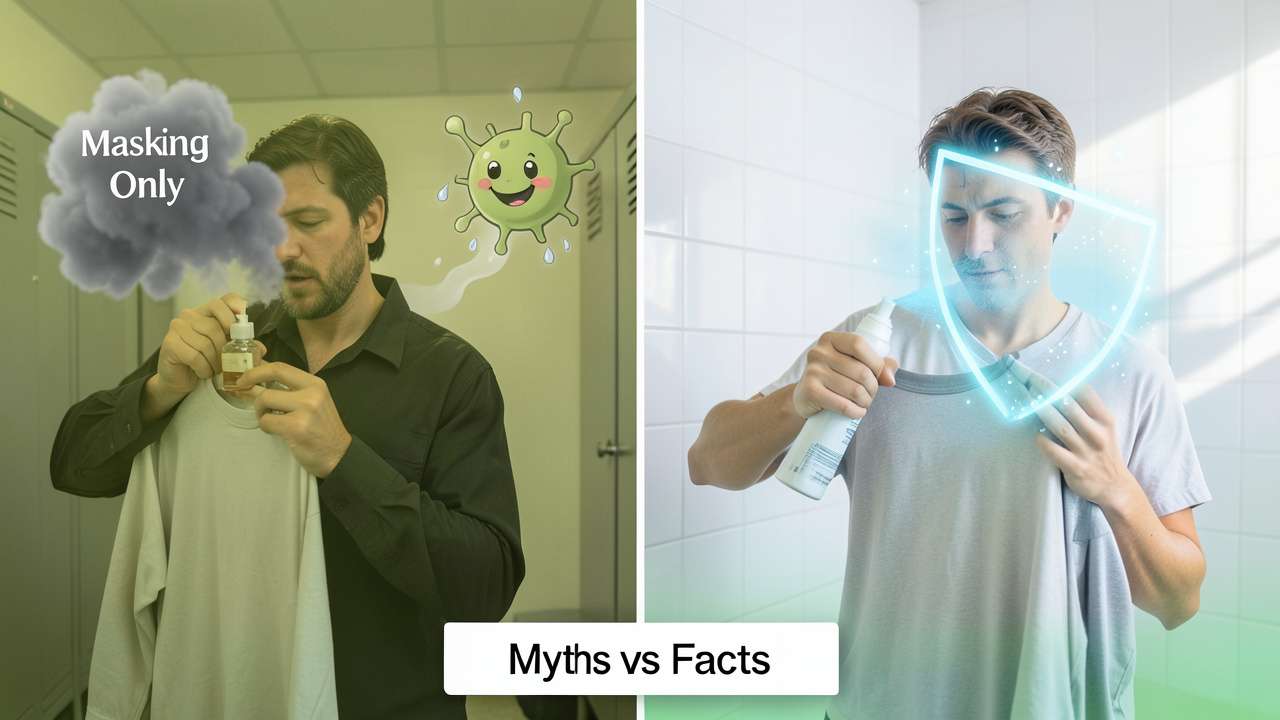
Common Myths vs Facts About Odor Prevention
Many people believe myths that keep them from using the right approach. Here is the truth behind three common misconceptions.
Myth 1: Antiperspirants cause cancer.
Fact: The states no conclusive evidence links antiperspirant use to breast cancer. Multiple large studies found no increased risk.
Myth 2: You only need deodorant if you sweat a lot.
Fact: Even light sweating produces odor when bacteria act on it. Preventive deodorant or antiperspirant benefits everyone, not just heavy sweaters.
Myth 3: Natural deodorants work the same as antiperspirants.
Fact: Natural deodorants only mask odor and kill some bacteria but do not stop sweat. Antiperspirants block sweat itself. For full comfort, many people need sweat reduction plus bacteria control.
Frequently Asked Questions
Why does my body odor get worse during stress or exercise?
Stress and physical activity trigger apocrine glands to produce more sweat. This sweat contains more nutrients for bacteria, leading to stronger odor. Proactive prevention with antiperspirant before these events helps control the reaction.
Can I prevent odor without using chemical products?
Yes, you can. Wash with antibacterial soap, wear moisture-wicking clothes, and keep your skin dry. Baking soda or cornstarch can absorb moisture. Results vary, and they may not last as long as commercial products.
How often should I apply antiperspirant for best results?
Apply once daily, preferably at night. If you shower in the morning, you can apply again, but the night application gives the most effective sweat block. Do not apply more than twice in 24 hours.
Why does my deodorant stop working after a few hours?
Standard deodorants only mask odor and may contain alcohol that evaporates quickly. Bacteria multiply over the day. Switch to an antiperspirant-deodorant combo for longer-lasting protection that addresses the root cause.
Is body odor a sign of a health problem?
Usually no, but sudden strong or sweet-smelling odor can indicate a medical condition like diabetes or liver disease. If you have a persistent change, consult a doctor. For most people, proper hygiene and prevention solve the issue.
Resources and Tools for Odor Prevention
Use these reputable resources to learn more and find the right products for your needs.
- American Academy of Dermatology – Expert guidance on antiperspirants and body odor.
- Mayo Clinic – Body Odor Causes – Medical overview of causes and prevention.
- FDA – Antiperspirants and Deodorants – Regulatory information and safety facts.
- Skin Cancer Foundation – Clarifies myths about aluminum and cancer.
Final Thoughts
Stopping odor before it starts gives you all-day confidence without the stress of reapplying. Focus on reducing moisture and bacteria through proper hygiene and the right products. Small changes like using antiperspirant at night can make a big difference in your daily comfort. Start today and feel the difference proactive prevention brings.