Why Odor Buildup in Drawer Storage Matters More Than You Think
Odor buildup in drawer storage matters more than most people realize because trapped moisture, bacteria, and chemical off-gassing from wood and adhesives create a breeding ground for musty smells that can ruin clothing and trigger allergic reactions. The health risks include worsened asthma, exposure to volatile organic compounds, and degraded indoor air quality, while fabrics like cotton and wool absorb odors more easily than synthetics. Simple preventive measures such as using drawer liners, charcoal bags, and weekly airing can eliminate most odor problems and prevent permanent damage to clothing.
You open a drawer to grab a shirt and notice a stale, musty smell clinging to your clothes. This common problem affects more than your laundry routine. Odor buildup in drawer storage can damage your belongings and impact your health in ways you probably never considered.
Quick Verdict: Odor buildup in drawer storage happens when moisture, bacteria, and poor airflow create a breeding ground for smells. It can ruin clothes, trigger allergies, and degrade indoor air quality. The fix involves proper ventilation, moisture control, and regular cleaning of both drawers and fabrics.
Key Takeaways
- Odor buildup in drawers comes from trapped moisture, bacteria, and chemical off-gassing from wood and adhesives.
- Musty drawer smells can trigger allergic reactions, worsen asthma, and expose you to volatile organic compounds (VOCs).
- Fabrics like cotton and wool absorb odors more easily than synthetics, which means deeper cleaning is often required.
- Simple preventive measures like drawer liners, charcoal bags, and weekly airing can eliminate most odor problems.
- Ignoring drawer odors can permanently damage clothing and reduce the lifespan of both your furniture and textiles.
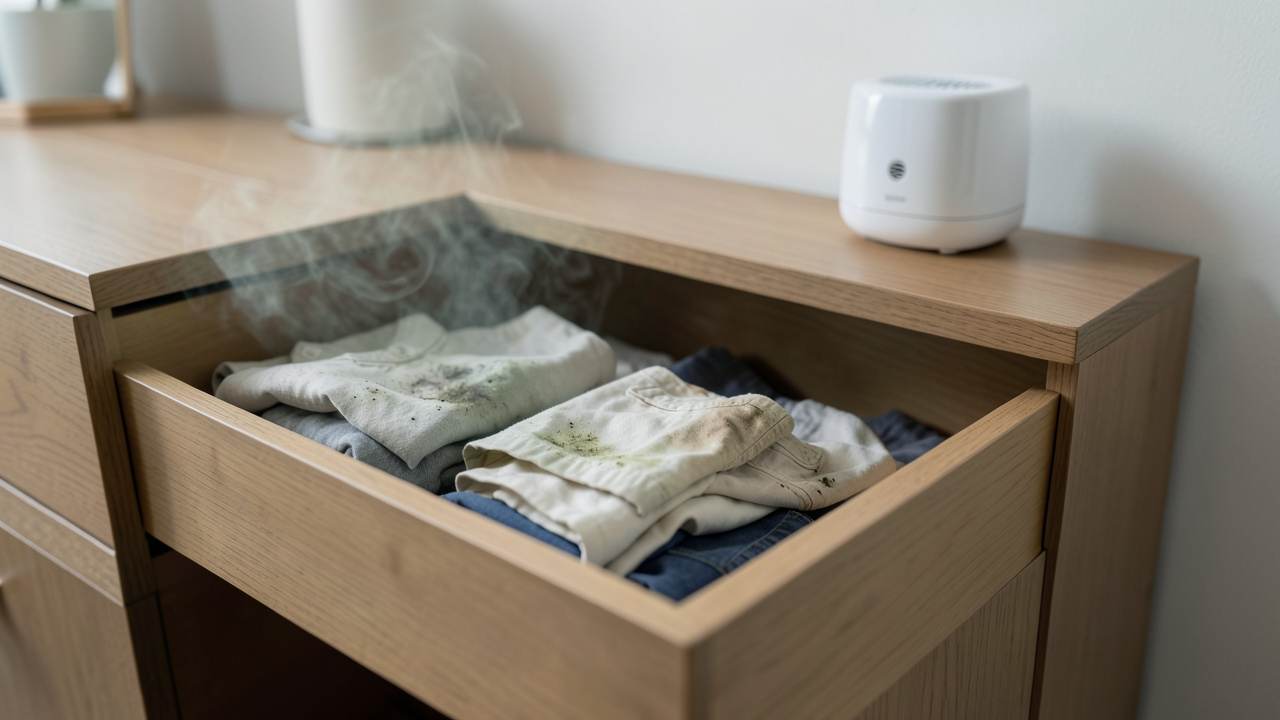
What Is Odor Buildup in Drawer Storage?
Odor buildup is the accumulation of unpleasant smells inside enclosed furniture spaces like dressers, nightstands, and kitchen cabinets. These smells come from multiple sources acting together over time.
The Science Behind Drawer Odors
When you close a drawer, you trap the air inside. Heat and humidity from your home create a microclimate in that small space. Bacteria from your skin, dust mites, and mold spores thrive there. The result is a chemical reaction that produces volatile organic compounds and musty smells.
Important: According to the, indoor air can be two to five times more polluted than outdoor air. Enclosed spaces like drawers contribute to this problem by trapping pollutants and odors.
Why Drawers Are Different from Open Shelves
Open shelves allow air to circulate freely. Drawers, by design, restrict airflow. This creates a closed ecosystem where moisture stays trapped and smells accumulate without escape. You can see this effect when you open a drawer that has been shut for weeks versus one you open daily.
| Storage Type | Airflow | Moisture Risk | Odor Buildup Potential |
|---|---|---|---|
| Open Shelves | High | Low | Low |
| Closets with Doors | Medium | Medium | Medium |
| Drawers (Standard) | Low | High | High |
| Sealed Storage Bins | Very Low | Very High | Very High |

How Does Odor Buildup Happen?
Understanding the process helps you prevent it. The sequence starts simply and gets worse over time.
The Three Stages of Drawer Odor
- Stage 1 – Moisture Accumulation: Humidity from the room enters the drawer. Even small amounts of moisture become trapped. Warm air cools inside the drawer and condensation forms.
- Stage 2 – Biological Growth: Mold, mildew, and bacteria begin to grow on fabric fibers and wood surfaces. Dust mites feed on skin cells left on clothes. These organisms produce waste that creates odors.
- Stage 3 – Chemical Off-Gassing: Wood, paint, varnish, and adhesives release VOCs. These chemicals mix with biological odors. The result is a complex, often musty, smell that becomes harder to remove each day.
Warning: New furniture often off-gasses high levels of VOCs for the first several months. The notes that formaldehyde, a common VOC in pressed wood, can cause eye and throat irritation at levels as low as 0.1 parts per million.
Common Causes of Odor in Drawers
You need to identify the source before you can fix the problem. Here are the most common culprits.
- High Humidity: Rooms with humidity above 60% create conditions where mold and mildew thrive inside drawers. Bathrooms and basements are the worst offenders.
- Damp Clothing: Putting away clothes that are even slightly damp accelerates bacterial growth. A study from the found that bacteria can double within 20 minutes on moist fabric.
- Poor Ventilation: Drawers that fit tightly against the frame allow almost no air exchange. This traps humidity and odors inside.
- Old Furniture Materials: Particleboard and MDF contain urea-formaldehyde adhesives that off-gas for years. Solid wood is less problematic but still absorbs odors over time.
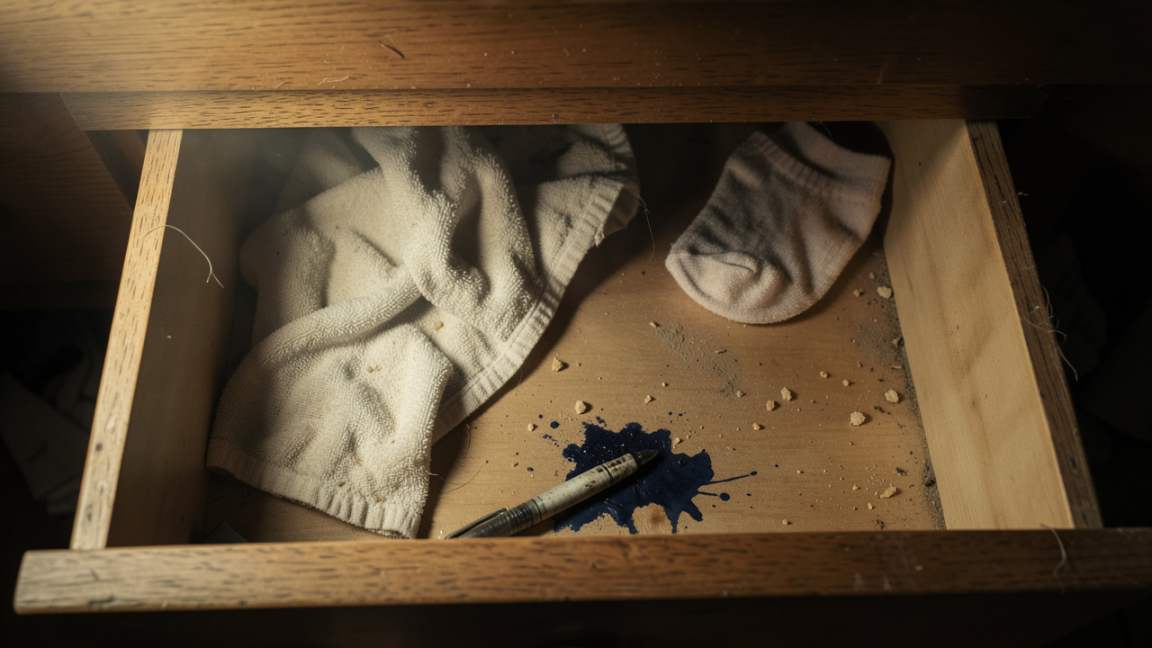
- Infrequent Cleaning: Dust, dead skin cells, and food crumbs collect at the bottom of drawers. These materials feed mold and bacteria.
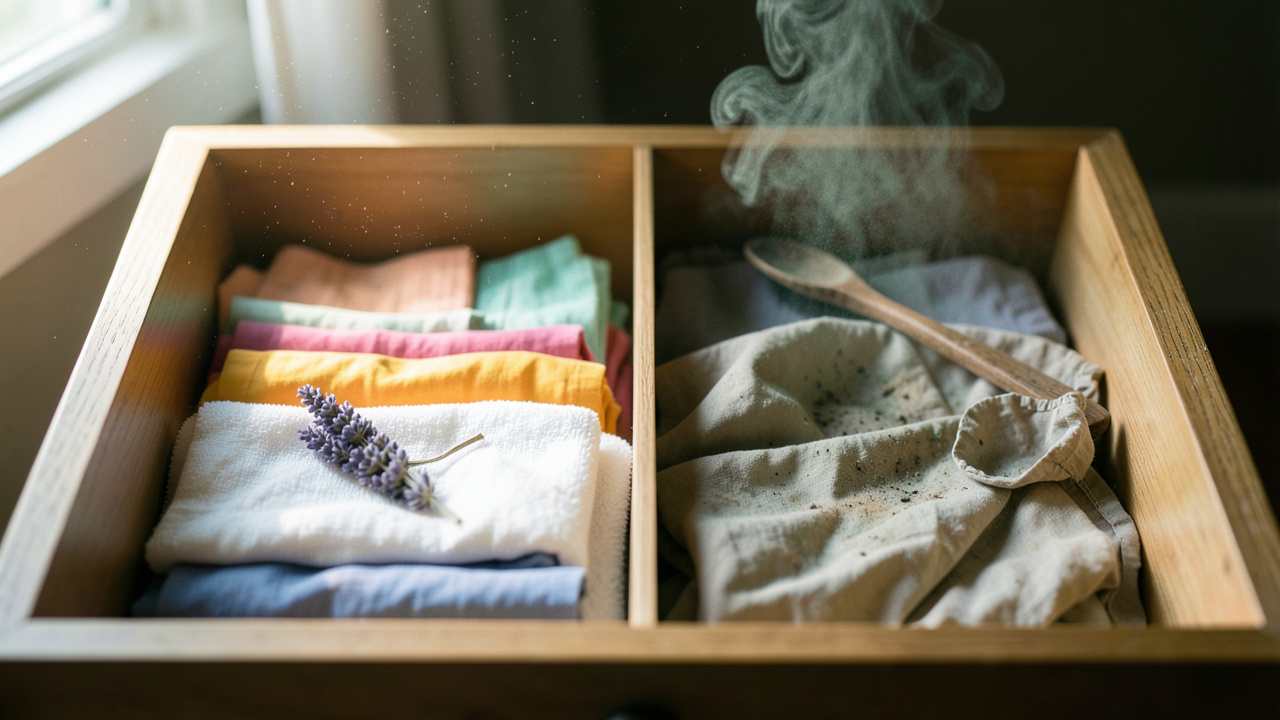
Why Odor Buildup in Drawer Storage Matters More Than You Think
Most people dismiss drawer odors as a minor annoyance. But the effects reach further than you expect.
Health Risks
Breathing trapped VOCs and mold spores every time you open a drawer adds up. According to the, long-term exposure to indoor pollutants can cause respiratory issues, headaches, and allergic reactions. People with asthma or sensitive immune systems are especially at risk.
Children’s bedrooms deserve extra attention. Drawers in kids’ rooms often hold clothes worn close to the skin. The reports that dust mites, a common contributor to drawer odors, are a leading trigger for indoor allergies.
Clothing Damage
Odors don’t just stay on the surface. They penetrate fabric fibers. Over time, musty smells become permanent, even after washing. Delicate materials like silk, wool, and cotton absorb odors faster than synthetics. You might end up throwing away clothes that still look new.
Indoor Air Quality
Your bedroom air quality starts inside your furniture. Each time you open a drawer, you release a burst of accumulated VOCs, mold spores, and bacteria into the room. This cycle repeats every day. The warns that indoor air pollution often exceeds outdoor levels, and small sources like drawers contribute more than most people realize.
Important: A single drawer with mold growth can release thousands of mold spores per hour. The recommends keeping indoor humidity between 30% and 50% to control mold growth in homes.
Resale and Rental Issues
If you rent or plan to sell your home, musty furniture odors can lower property value. Landlords and potential buyers notice stale smells. Replacing dressers and cabinets costs hundreds of dollars. Prevention is far cheaper than replacement.
How to Prevent Odor Buildup in Drawers
You can stop odors before they start. These methods work for most situations.
Control Moisture First
Moisture is the root cause. Start by reducing humidity in the room.
- Use a dehumidifier in rooms with humidity above 55%.
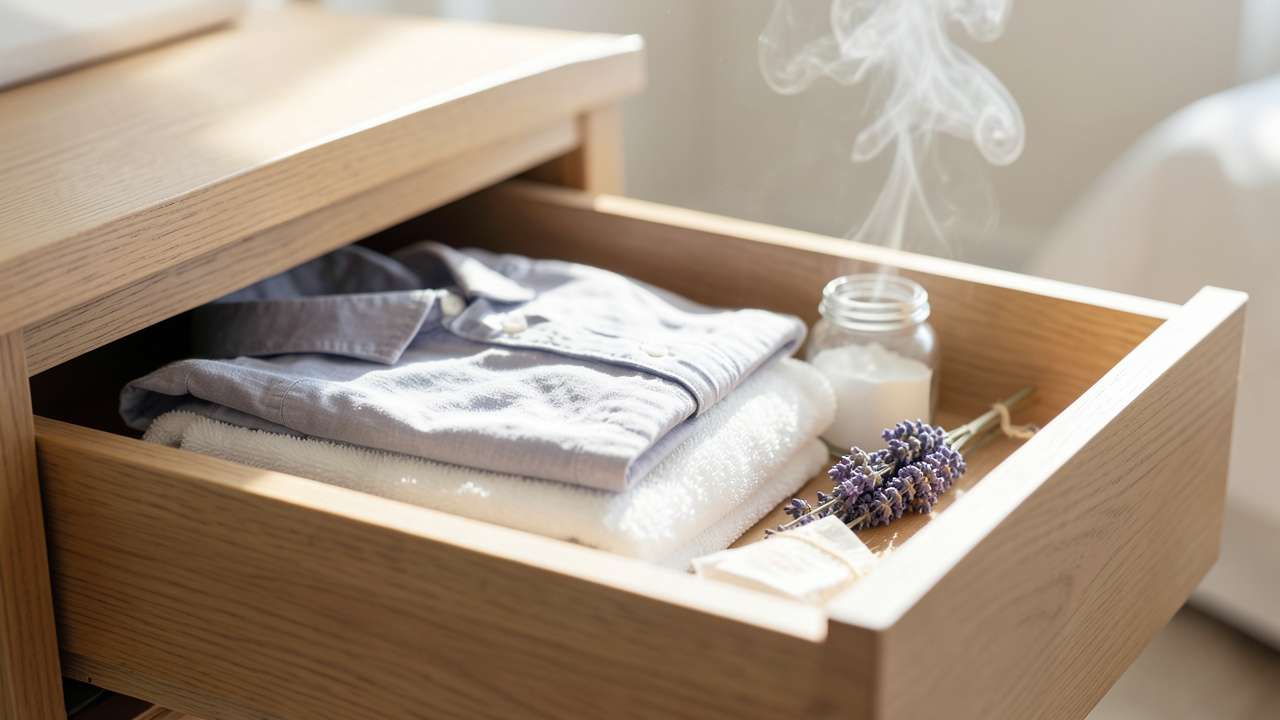
- Place silica gel packets or activated charcoal bags inside drawers. Replace them every two to three months.
- Never put damp clothes away. Dry them completely before folding.
Improve Airflow
Drawers need to breathe. Small changes make a big difference.
- Remove drawers from the dresser periodically and allow them to air out for several hours.
- Leave drawers slightly cracked open when not in use, especially in humid seasons.
- Choose furniture with built-in ventilation slots if you are buying new pieces.
Clean Regularly
Dirt and dust feed odors. A simple cleaning schedule prevents buildup.
- Empty the drawer completely.
- Vacuum the interior with a brush attachment to remove dust and debris.
- Wipe down all surfaces with a mixture of white vinegar and water in equal parts. Vinegar kills mold and neutralizes odors.
- Let the drawer dry thoroughly with the sun or a fan before putting clothes back.
- Line the bottom with fresh drawer liner. Avoid paper liners that trap moisture – use breathable fabric or cedar liners instead.
Choose the Right Materials
Not all furniture is equal when it comes to odor resistance.
| Material | Odor Absorption | Off-Gassing Risk | Maintenance Need |
|---|---|---|---|
| Solid Wood (unfinished) | Medium | Low | Medium |
| Solid Wood (sealed) | Low | Low | Low |
| Plywood | Medium | Medium | Medium |
| MDF / Particleboard | High | High | High |
| Metal | Very Low | Very Low | Low |
Common Myths vs Facts About Odor Buildup in Drawer Storage
Myth 1: Air fresheners fix drawer odors
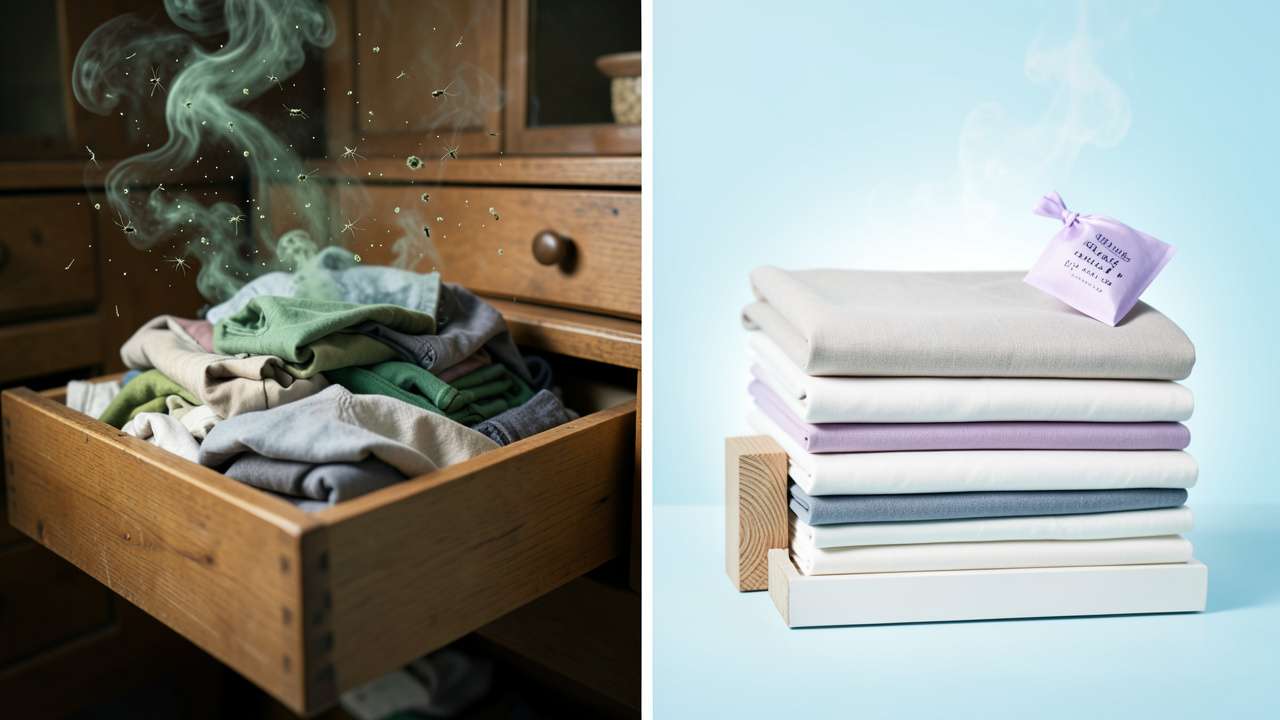
Air fresheners only mask smells. They do not remove the source. In fact, many plug-in fresheners add VOCs to the air. The warns that some fragrance chemicals can trigger asthma and allergies. Stick to natural odor absorbers like baking soda or activated charcoal.
Myth 2: Only old furniture has odor problems
New furniture often smells worse than old pieces. Fresh paint, varnish, and adhesives release high levels of VOCs. A study from the found that new composite wood products can emit formaldehyde for up to five years.
Myth 3: Washing clothes removes the smell once and for all
Washing removes surface odors but not the deep-set smells trapped in fabric fibers. Clothes stored in a smelly drawer pick up the odor again within days. You must fix the drawer itself to solve the problem permanently.
Frequently Asked Questions
What causes musty smell in drawers even when they are clean?
Musty smells come from mold, mildew, or trapped moisture inside the wood itself. Even a clean drawer can smell if the surrounding room has high humidity. Check for hidden mold behind the drawer or inside the furniture frame.
How long does it take for odor to build up in a drawer?
Odor can start within a few days in humid conditions. Most people notice musty smells after two to three weeks of continuous closure. The longer the drawer stays shut, the stronger the smell becomes.
Can drawer odors affect my health?
Yes. According to the, long-term exposure to VOCs and mold spores can cause eye irritation, headaches, and respiratory problems. Children and people with asthma are more vulnerable.
What is the best drawer liner to prevent odors?
Breathable fabric liners or cedar liners work best. Avoid vinyl or plastic liners that trap moisture against the wood. Cedar naturally absorbs humidity and repels moths, which adds extra protection.
How often should I clean my dresser drawers?
Clean drawers at least once every three months. In humid climates, clean them monthly. Empty, vacuum, and wipe them down with vinegar and water. Let them dry completely before restocking.
Final Thoughts
Odor buildup in drawer storage is more than a nuisance. It affects your health, ruins your clothes, and lowers indoor air quality. Control moisture, improve airflow, and clean regularly to keep drawers fresh. A small effort now saves you from bigger problems later.