Sensitive Skin After Skin Procedures: A Complete Guide Today
Sensitive skin after skin procedures is a normal healing response caused by temporary breakdown of the skin barrier, leading to increased water loss and reactivity. The fastest recovery requires a strict minimalist routine using fragrance-free cleansers and barrier-repairing ingredients like ceramides, along with physical SPF 30 or higher. Avoid retinoids, benzoyl peroxide, and other common irritants until the barrier is fully restored, typically within one to two weeks.
Your skin feels tight, red, and hyper-reactive to products it used to tolerate. Managing sensitive skin after skin procedures requires a strict, minimalist recovery plan.
Simply put, sensitive skin after skin procedures is a normal healing response caused by a temporary breakdown of your skin barrier. The fastest path to recovery involves switching to a fragrance-free routine with gentle cleansing, barrier-repairing ingredients like ceramides, and strict protection with a physical SPF 30 or higher.
Key Takeaways
- Your skin barrier is temporarily weakened after any esthetic procedure, leading to increased water loss and reactivity to external factors.
- A strict “less is more” protocol using only fragrance-free, medical-grade emollients cuts down inflammation and prevents complications like post-inflammatory hyperpigmentation.
- Physical sunscreens (zinc oxide or titanium dioxide) are the only safe protection for newly forming skin cells after a resurfacing treatment.
- Common ingredients like retinoids, benzoyl peroxide, and alpha hydroxy acids must be stopped at least 3-5 days prior to and 7-14 days after your procedure.
- Dermatologists report that patients who follow a structured post-care regimen experience up to 40% faster barrier recovery compared to those who use standard routines.
What Exactly Causes Post-Procedure Sensitivity?
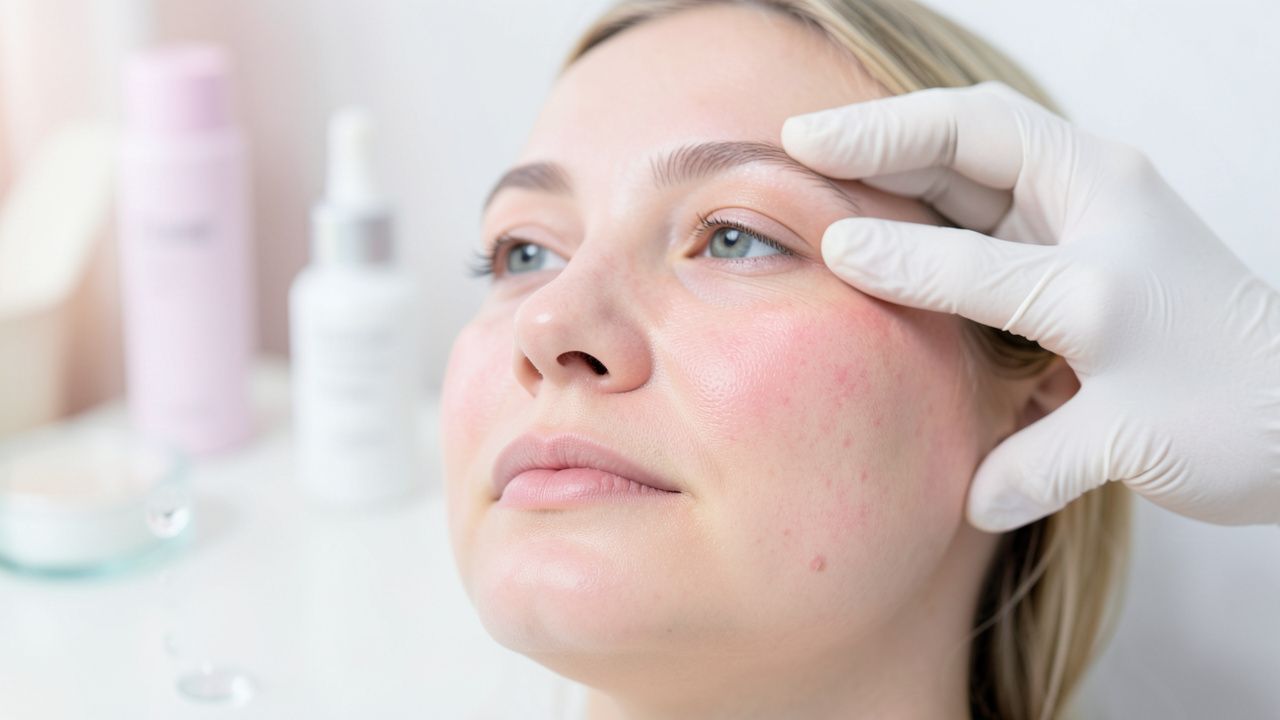
Your skin barrier functions like a brick wall. Skin cells are the bricks, and lipids are the mortar that holds everything together. Skin resurfacing procedures like microneedling, chemical peels, and laser treatments disrupt this barrier on purpose.
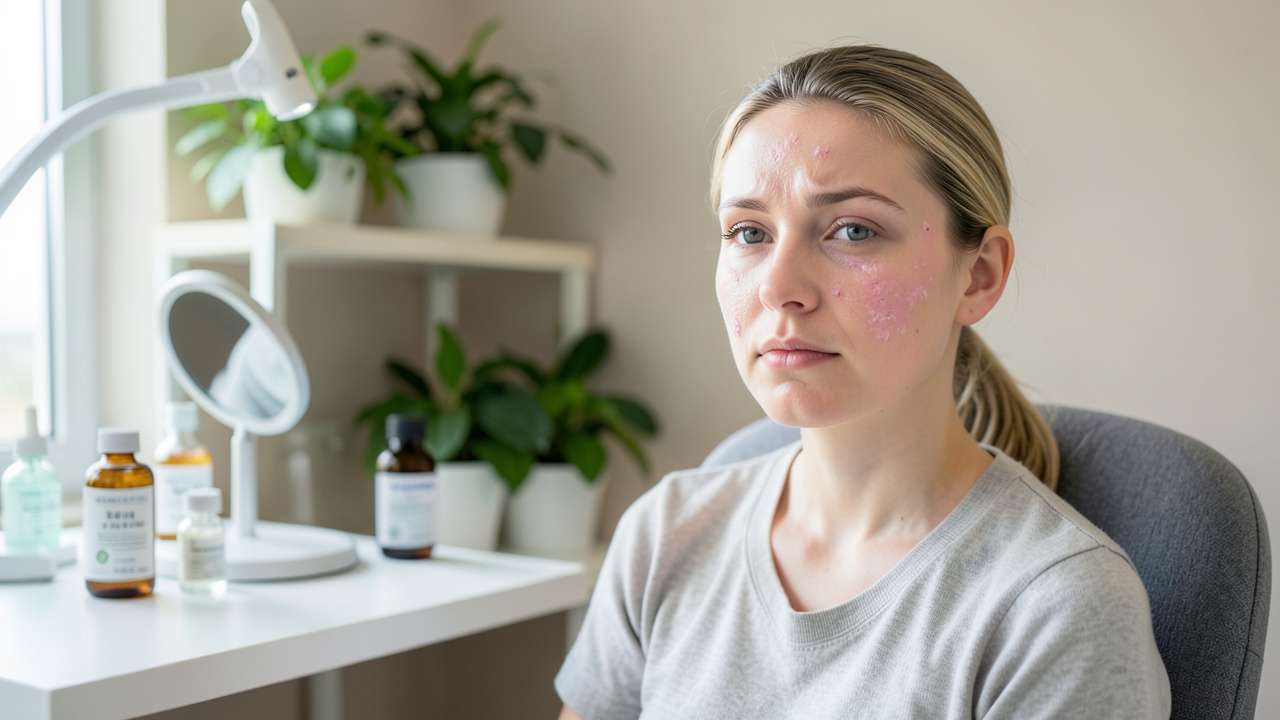
This disruption triggers an inflammatory healing response. Blood flow increases to bring oxygen and nutrients to the area. Nerve endings become exposed and reactive. Your skin loses its ability to hold onto water effectively.
Important: When the stratum corneum is disrupted, transepidermal water loss (TEWL) skyrockets. According to the, a compromised barrier can lose water 75% faster than intact skin, triggering a cascade of inflammatory signals.
This explains why your skin feels hot, stings when you apply products, and looks red or blotchy. It is not a rejection of the treatment. It is a predictable and manageable phase of wound healing.
What Are the Most Common Skin Procedures That Cause Sensitivity?
Different procedures create different levels of barrier disruption. Knowing what to expect helps you plan your recovery with confidence.
| Procedure Type | Key Side Effects | Typical Sensitive Window |
|---|---|---|
| HydraFacial | Mild redness, temporary breakouts | 1-2 days |
| Microneedling | Redness, pinpoint bleeding, tightness | 3-5 days |
| Medium Chemical Peel | Flaking, swelling, visible peeling | 5-10 days |
| Ablative Laser Resurfacing | Intense redness, crusting, raw skin | 10-14 days |
| Microdermabrasion | Slight tightness, increased sensitivity | 1-3 days |
Essential Ingredients vs. Common Irritants
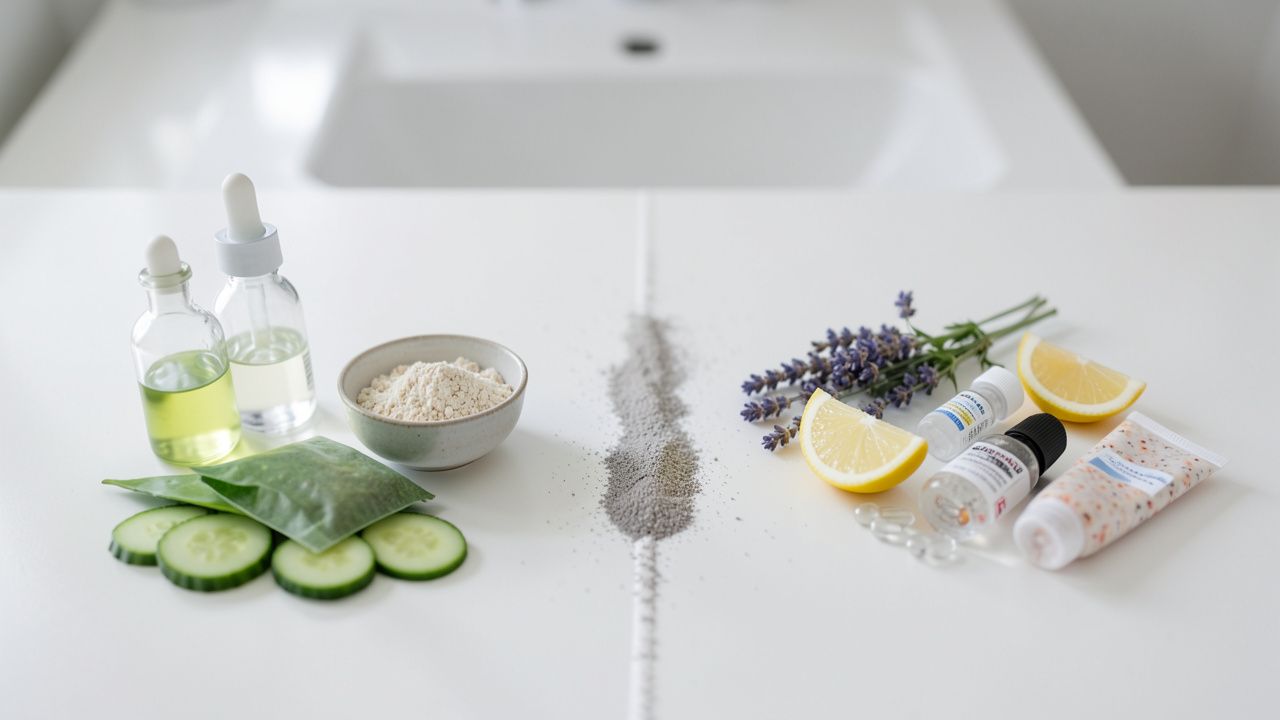
Every product you put on your healing skin either helps rebuild the barrier or further breaks it down. Choosing the right ingredients is critical.
| Category | Safe & Healing Ingredients | Irritants to Avoid |
|---|---|---|
| Cleansers | Glycerin, Ceramides, Squalane, Aloe Vera | Sodium Lauryl Sulfate, Fragrance, Alcohol Denat. |
| Moisturizers | Panthenol, Shea Butter, Niacinamide, Ceramides | Retinol, AHAs, Essential Oils, Urea |
| Treatments | Centella Asiatica, Zinc, Peptides, Oat Kernel | Benzoyl Peroxide, L-Ascorbic Acid, Salicylic Acid |
| Sunscreen | Zinc Oxide, Titanium Dioxide | Chemical filters (Oxybenzone, Avobenzone) |
Warning: Do not introduce new active ingredients during the recovery phase. Your skin’s reduced barrier function makes it much more susceptible to allergic reactions and chemical burns. Stick to a short list of known, safe products.
Step-by-Step Recovery Plan for Sensitive Skin
Your recovery happens in phases. Each phase requires a different focus. Use this timeline to guide your daily routine.
Phase 1: The Acute Phase (Days 0-3)
During this phase, your skin is in active repair mode. It may feel hot, painful, or extremely tight.
- Morning: Cleanse with lukewarm water and a soft cotton pad. Do not use any cleanser unless your provider recommends one.
- Morning: Apply a thick layer of a barrier repair balm containing panthenol or ceramides.
- Morning: If you must go outside, apply a mineral SPF 30 using gentle tapping motions.
- Evening: Use a prescribed ointment if provided. Otherwise, reapply the same barrier balm.
- Evening: Do not pick at any crusting or peeling skin. Let it fall off naturally.
Phase 2: The Peeling Phase (Days 3-7)
Your skin will likely start flaking or peeling. This is a good sign. New skin is forming underneath.
- Morning: Introduce a milky, non-foaming cleanser with glycerin.
- Morning: Add a hydrating serum with niacinamide or peptides before your moisturizer.
- Morning: Continue with a physical sunscreen. Reapply at noon if you are near windows.
- Evening: Double cleanse if you wore sunscreen. Use a gentle oil cleanser first, then your milky cleanser.
- Evening: Apply a sleeping mask or a richer ointment to support overnight barrier repair.
Phase 3: The Reintroduction Phase (Days 7-14)
Your barrier should be mostly restored by now. You can slowly start introducing your regular products.
- Test one product at a time on a small area of your jawline for 24 hours before applying it to your whole face.
- Start with your gentlest active ingredients first, such as lower-strength vitamin C derivatives or exfoliating enzymes.
- Wait until day 10 at the earliest before reintroducing retinol or high-concentration acids.
- Continue using a moisturizer focused on barrier health even after your skin feels normal.
Common Myths vs. Facts About Post-Procedure Sensitivity
Managing sensitive skin after skin procedures comes with a lot of conflicting advice. Here are the facts.
- Myth: You need to exfoliate the peeling skin away. Peeling or flaking skin is a sign of new skin underneath. Forcing the peeling skin off can cause scarring and hyperpigmentation. Let it shed naturally.
- Myth: Using more products will speed up recovery. Every product you apply to compromised skin has the potential to irritate. A minimalist routine of 3-4 essential products is always better than layering multiple serums.
- Myth: Redness means the procedure did not work. Redness is a normal part of the inflammatory healing process. It usually peaks 12-24 hours after the procedure and fades within days to weeks depending on the depth of the treatment.
Pro Tips for Faster Healing
- Use a humidifier in your bedroom to add moisture to the air and support barrier recovery while you sleep.
- Sleep on a silk or satin pillowcase to prevent friction and tugging on your new skin cells.
- Avoid direct contact with pets and heavily perfumed environments for the first 48 hours after your procedure.
- Use only your clean hands to apply products. Cotton rounds, sponges, and brushes introduce friction and bacteria.
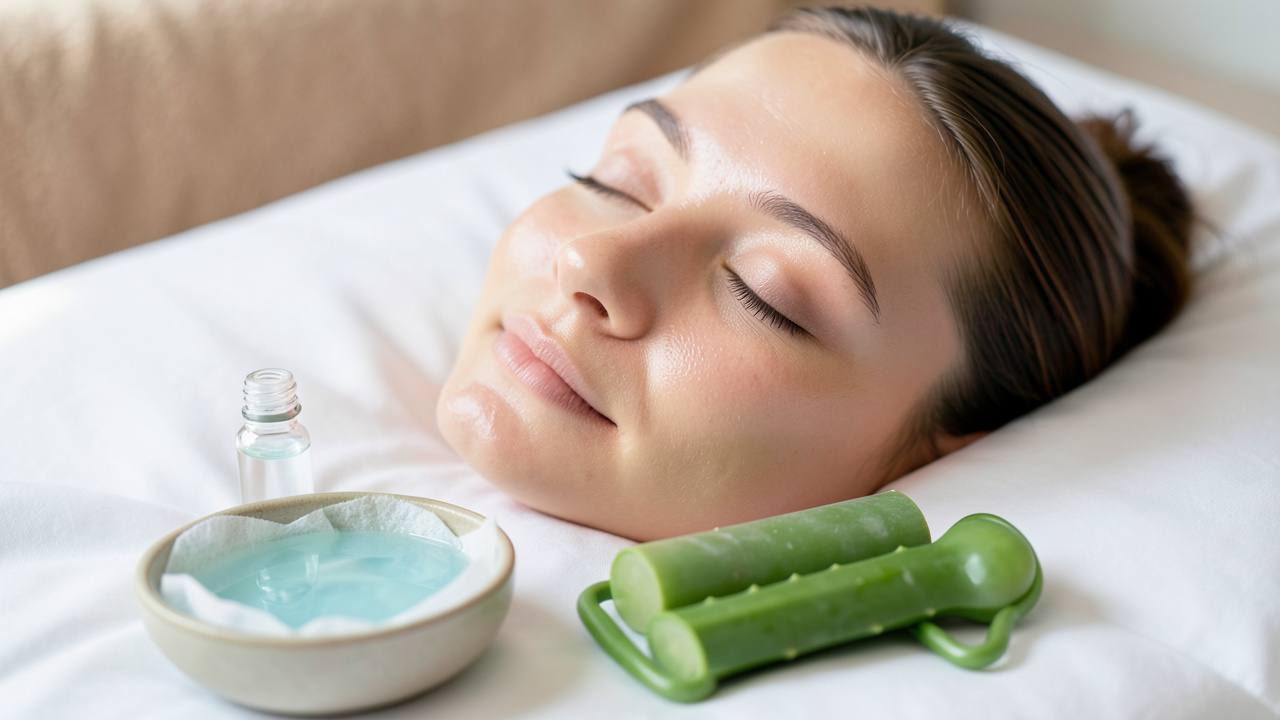
- Keep your moisturizer and facial mist in the refrigerator. Cooling ingredients reduce blood vessel dilation and calm redness.
Tip: Ice globes or chilled jade rollers can be used in the acute phase to reduce inflammation. Always wrap them in a layer of gauze to avoid direct contact with raw skin.
Resources and Tools
- SkinSAFE – A database that screens products for irritants and allergens. It helps you find procedure-safe products quickly.
- CosDNA – Analyzes cosmetic ingredient lists for common irritants and acne triggers.
- American Academy of Dermatology – Offers patient guides on post-procedure skincare and sun protection.
- PubMed – A free search engine for accessing scientific studies on dermatology and wound healing.
Frequently Asked Questions
How long does sensitive skin last after a facial?
Sensitivity from a standard facial usually resolves within 24 to 48 hours. Deeper treatments like chemical peels or microneedling can cause sensitivity for 5 to 14 days.
Can I wear makeup if my skin is sensitive after a procedure?
It is best to avoid makeup for at least 24 to 72 hours after a procedure. This prevents contamination and irritation. When you resume makeup, use only mineral powder formulas.
Is it normal for my skin to break out after a procedure?
Yes, this is often called a purging reaction. The skin resurfacing process brings congestion to the surface. Do not use harsh acne treatments. Stick to your gentle post-care routine.
What is the best moisturizer for sensitive skin after a procedure?
Look for moisturizers with ceramides, panthenol, and niacinamide. Products like La Roche-Posay Cicaplast Baume B5 or Avene Cicalfate are designed to support barrier repair.
When can I start using retinol again after a chemical peel?
You should stop retinol 5-7 days before a peel. After the peel, wait until your skin has fully healed and is no longer peeling or red. This usually takes around 7-10 days.
Final Thoughts
Managing sensitive skin after skin procedures requires patience and a disciplined routine. Focus on barrier repair with gentle, evidence-based ingredients and strict sun protection. This careful attention during the healing phase ensures you achieve the best possible results from your treatment.