Post-Surgery Compression Garments: A Complete Guide Today
Post-surgery compression garments are specialized elastic garments worn after surgical procedures to apply controlled pressure that reduces swelling, supports healing tissues, and prevents complications like seroma and hematoma. Consistent wear, often 23 hours a day for 4 to 6 weeks, is recommended to achieve optimal recovery and aesthetic results. Choosing the correct fit and compression level is essential, as tighter is not always better and can hinder healing.
You come out of surgery swollen, bruised, and unsure what to do next. Your surgeon hands you a tight piece of fabric and calls it a post-surgery compression garment. This guide explains exactly what these garments do, how they help you heal, and how to pick the right one.
Simply put, a post-surgery compression garment is a special elastic garment you wear after a surgical procedure. It applies controlled pressure to the treatment area to reduce swelling, support tissues, prevent fluid buildup, and improve blood circulation during recovery.
Key Takeaways
- Post-surgery compression garments reduce swelling and support fragile tissues during the critical healing phase after cosmetic or reconstructive surgery.
- Wearing a compression garment after liposuction helps prevent seroma and hematoma formation by stabilizing the underlying tissues.
- Most surgeons recommend wearing compression garments for 4 to 6 weeks after surgery to achieve the best aesthetic results.
- Compression garments work best when worn consistently, typically 23 hours a day right after the procedure.
- Choosing the right compression level and correct fit is essential for safe and effective recovery without complications.
How Do Compression Garments Work?
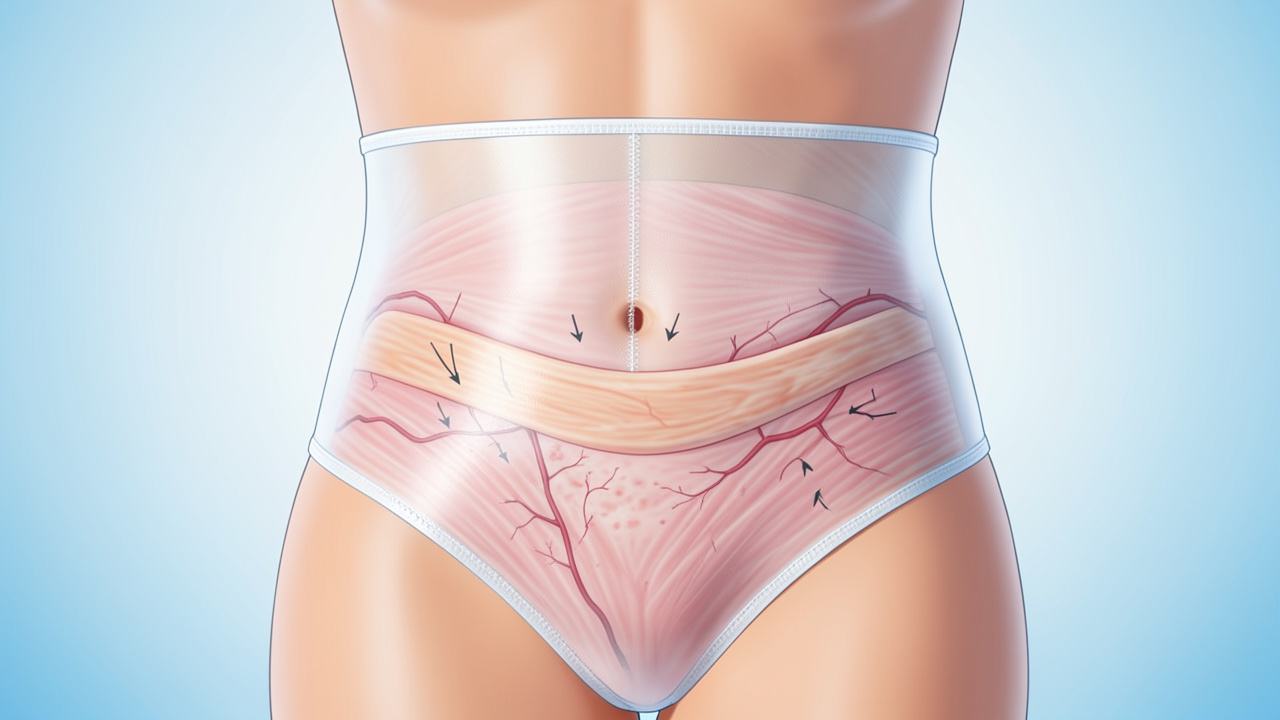
Compression garments apply consistent external pressure to the surgical area. This pressure reduces the diameter of blood vessels, which limits bleeding and fluid leakage into the tissues. It also supports the newly contoured areas as they heal.
According to a study published by the National Institutes of Health, postoperative compression therapy can reduce the risk of seroma formation by up to 50 percent. This makes it one of the most effective tools for a smooth recovery.
Important: The pressure from the garment helps the skin adhere to the underlying muscle and tissue. This prevents hard lumps, fibrosis, and uneven contours that can develop without proper compression.
Compression also improves lymphatic drainage. Your lymphatic system removes waste and toxins from the surgical site. The gentle, constant pressure acts like a pump, moving fluid away from the area and reducing swelling much faster than without compression.
Types of Post-Surgery Compression Garments
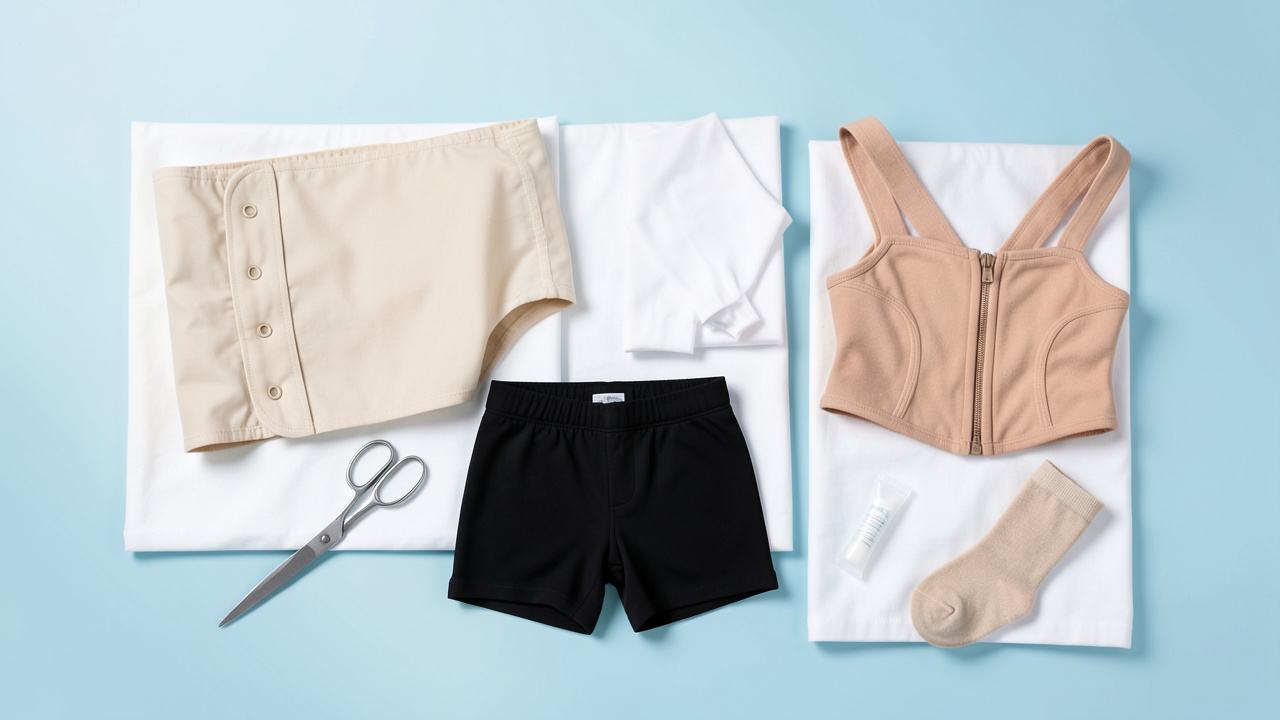
Not all garments are the same. The right type depends on the specific surgical procedure and the area of the body being treated. Here are the most common categories.
Upper Body Garments
These include compression vests for breast surgery, male chest surgery, and arm sleeves for arm lifts. Vests often have adjustable straps to customize the fit around the chest and shoulders.
Lower Body Garments
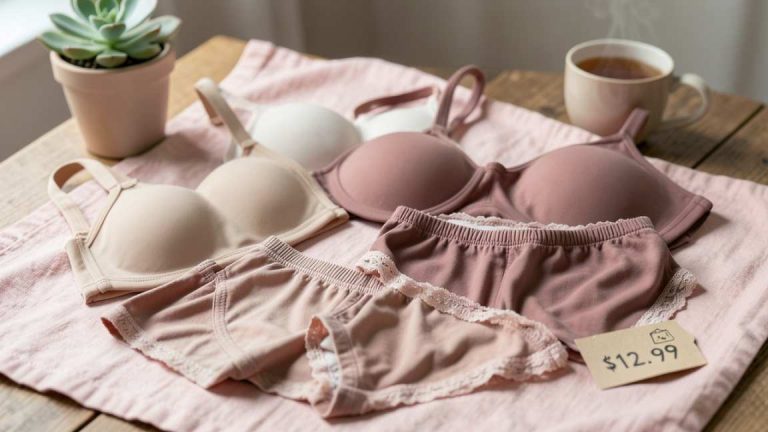
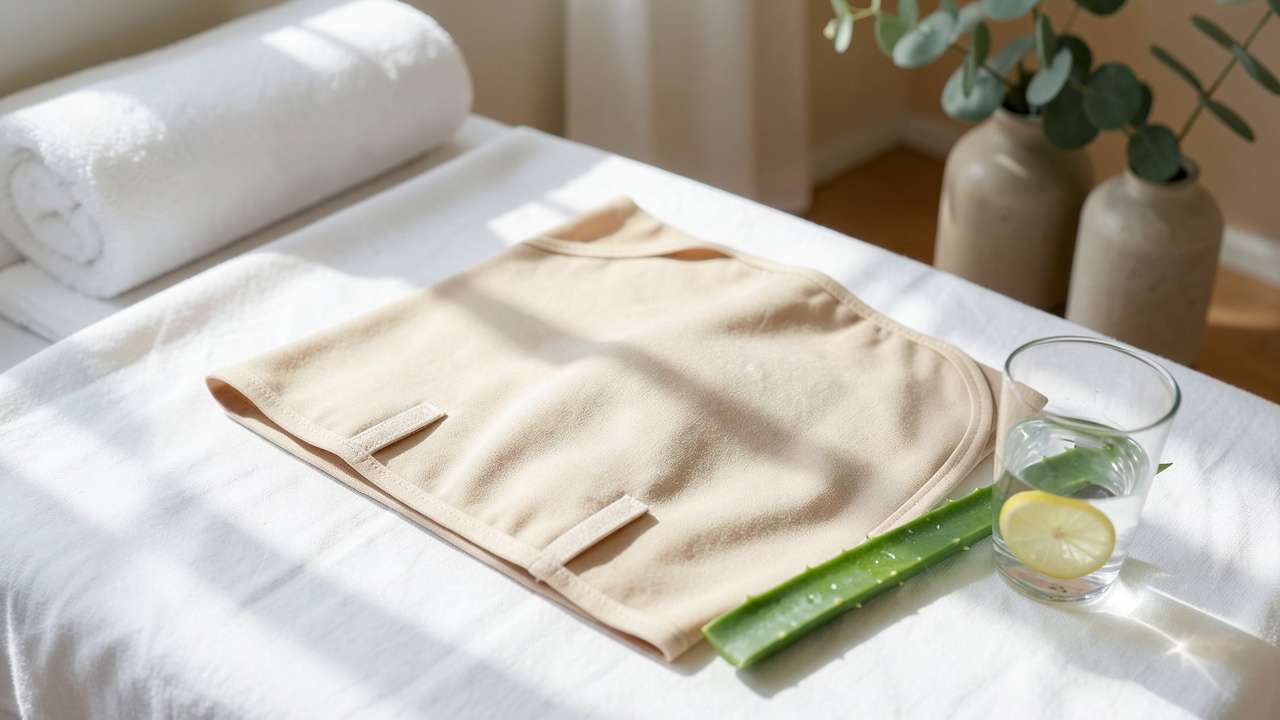
High-waisted shorts, panties, and thigh wraps fall into this category. They are commonly used after tummy tucks, C-sections, and liposuction of the abdomen or thighs. Many have zippers or hooks for easier application.
Full Body Garments
Full suits cover the torso and sometimes extend to the limbs. Surgeons recommend these for extensive body contouring procedures like 360-degree liposuction. They provide uniform pressure across the entire trunk.
| Garment Type | Target Area | Common Surgeries |
|---|---|---|
| Compression Vest | Chest, Upper Abdomen | Breast Augmentation, Gynecomastia |
| High-Waisted Shorts | Abdomen, Hips, Thighs | Tummy Tuck, C-Section, Liposuction |
| Arm Sleeve | Upper Arms | Arm Lift, Arm Liposuction |
| Full Body Suit | Full Torso and Limbs | 360 Liposuction, Major Body Contouring |

What to Expect When Wearing Compression Garments
Wearing a compression garment requires commitment. It is not always comfortable, but it is essential for the best outcome. Here is what the typical recovery timeline looks like.
- Immediately after surgery: Your nurse will apply the garment while you are still in the recovery room. It will feel very tight. This is normal.
- First 2 weeks: You wear the garment 23 hours a day. You take it off only for showering and brief skin checks. Swelling peaks during this phase, and the garment controls it.
- Weeks 3 to 6: Your surgeon may allow you to switch to a lighter garment or wear it for 12 hours a day. Many patients wear it comfortably during the day.
- After 6 weeks: Most patients stop wearing compression altogether. Some continue to wear it at night for extra comfort and support.
Warning: If you experience numbness, tingling, or a color change in your extremities, your garment may be too tight. Contact your surgeon immediately to adjust or replace it.
What Post-Surgery Compression Garments Are Not
Many people confuse medical compression garments with regular shapewear. They are not the same, and using the wrong product can delay healing.
- They are not fashion shapewear. Brands like Spanx are designed for temporary wear and style. Medical garments like Marena and Juzo are built for constant, long-term use and have specific pressure gradients.
- They are not a quick fix. Wearing a garment for two days will not give you lasting results. Consistent use over weeks is what creates a smooth, even recovery.
- They are not all the same. The level of compression varies. Light compression may work for minor procedures, while firm compression is needed for major body contouring surgeries.

Common Myths vs Facts
Myth 1: Tighter is always better for faster results.
Fact: Overtightening a garment can cut off circulation, cause nerve damage, and delay wound healing. The right fit applies firm but not painful pressure. You should be able to breathe easily and move without sharp discomfort.
Myth 2: You only need to wear it for one week.
Fact: Most surgeons require 4 to 6 weeks of dedicated compression wear. Healing deep tissues takes time. Stopping too early can lead to fluid accumulation and loose skin.
Myth 3: Any high-waisted shapewear works the same.
Fact: Medical-grade garments have specific pressure gradients that promote blood flow and lymphatic drainage. Over-the-counter shapewear often compresses too much in some areas and too little in others, which can cause complications.
Pro Tips for Using Compression Garments Effectively
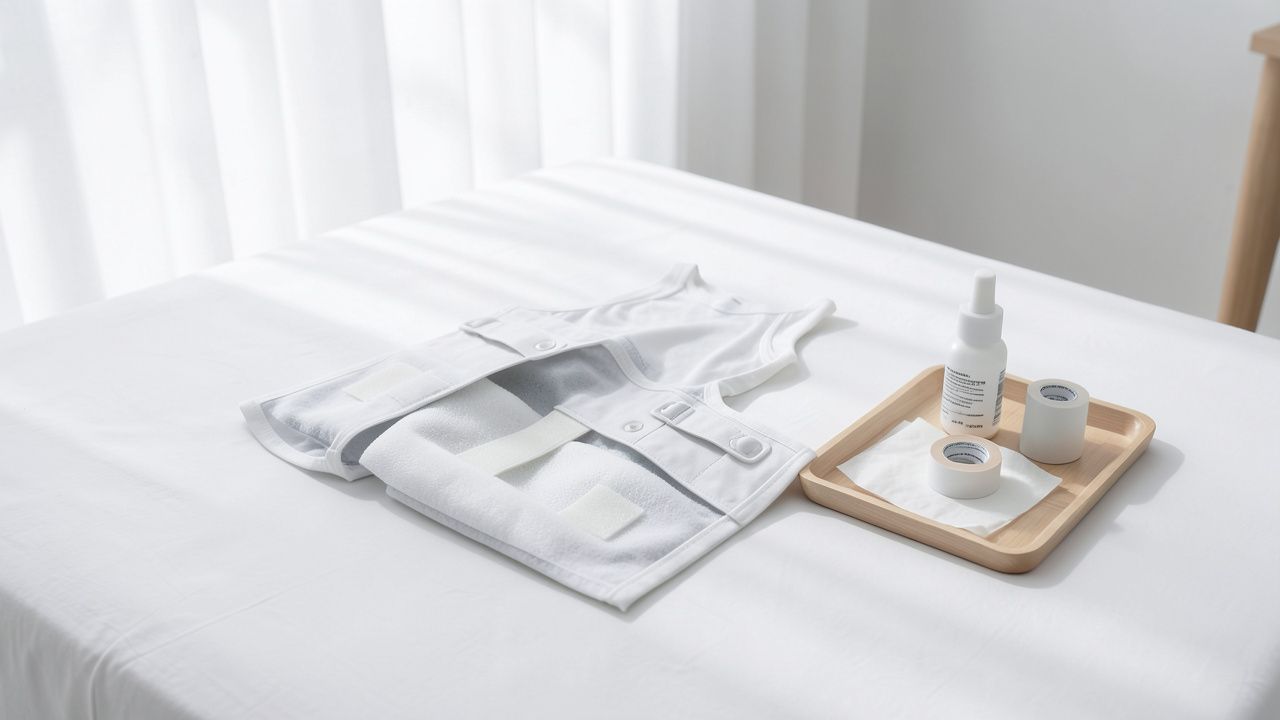
Getting the most out of your garment requires a few smart habits. These tips will keep you comfortable and on track for a great recovery.
- Wear a cotton liner underneath. This prevents skin irritation, rashes, and itching. It also absorbs sweat and keeps the garment cleaner.
- Buy two garments. Have a backup so you can wash one and wear one. This prevents you from ever having to go without compression during laundry.
- Use a donut pillow. If the garment puts pressure on your incision, place a soft donut pillow between the garment and your skin to relieve friction.
- Stay hydrated and eat low-sodium foods. Water retention increases swelling. Drinking plenty of water and avoiding salty foods helps the compression work better.
- Never stop without your surgeon’s approval. Even if you feel great, your deep tissues are still healing. Always get the green light before you quit wearing your garment.
Tip: Roll your garment up like a tube sock and then pull it over your body. This distributes the pressure evenly and prevents the fabric from bunching up in one spot.
Resources and Tools
Finding the right product and information is key to a successful recovery. These resources can help you get started.
- Marena Group – A leading provider of medical-grade post-surgical compression wear designed for comfort and durability.
- Medline Industries – Offers a wide range of postoperative compression garments and supplies for both hospital and home care.
- American Society of Plastic Surgeons – Official patient resources, safety guidelines, and information on choosing a qualified surgeon.
- Juzo – Specializes in medical compression garments for various surgical and lymphatic conditions.
Frequently Asked Questions
How long should I wear a post-surgery compression garment each day?
Most surgeons recommend 23 hours a day for the first 2 to 4 weeks after surgery. The remaining hour is for showering, washing the garment, and checking your incisions for any signs of infection.
Can I sleep in my compression garment?
Yes, you should sleep in your compression garment. Continuous pressure is most effective for controlling swelling and supporting your surgical site while you rest.
How do I clean my compression garment?
Hand wash it in cold water with mild soap and hang it to dry. Avoid using hot water, bleach, or a dryer because heat can ruin the elastic fibers and reduce the compression level.
When should I stop wearing a compression garment?
Stop wearing it only when your surgeon gives you clearance. This typically happens around week 4 to 6, but it depends on your specific procedure and how quickly you heal.
What happens if I don’t wear a compression garment?
Skipping the garment can lead to increased swelling, fluid pockets called seromas, blood clots, loose skin, and slower overall recovery. Wearing it consistently directly impacts your final results.
Final Thoughts
Post-surgery compression garments are not optional fashion accessories – they are critical medical tools for proper recovery. Wearing them consistently reduces complications and improves your final surgical outcome. Always follow your surgeon’s specific instructions and invest in high-quality, medical-grade garments for the best results.