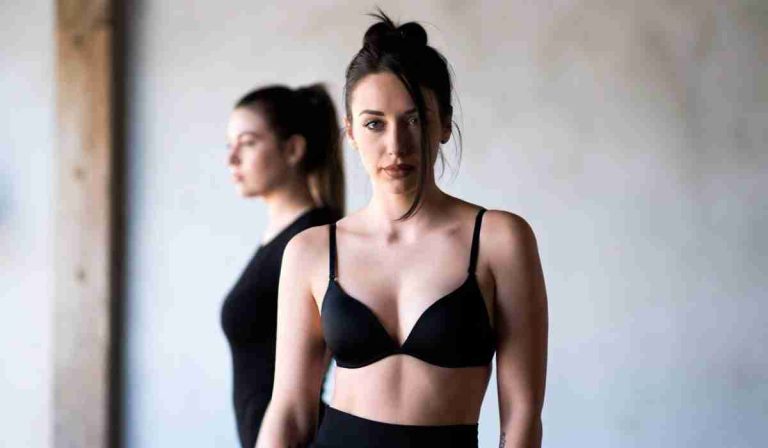
Beginner Mistakes In Bra Sizing
Finding the right bra can feel tricky, and it’s super common for people to make mistakes when they’re first learning about bra sizes. Many don’t know where to start, leading to discomfort or poor fit. But don’t worry!
This guide will walk you through it step-by-step, making it easy to get it right. We’ll cover how to avoid those early oopsies so you can feel great in your lingerie.
Key Takeaways
- You will learn the most common errors people make when figuring out their bra size.
- You will discover simple ways to measure yourself correctly at home.
- You will understand how different bra parts affect fit and comfort.
- You will know what to look for to ensure a bra fits perfectly.
- You will gain confidence in choosing bras that support you well.
Understanding Bra Sizing: Why It’s Tricky
Figuring out your bra size might seem like a puzzle. It’s not just about one number or one letter. Many things play a part in how a bra feels and looks on you.
When you’re starting out, it’s easy to get confused by all the different shapes and styles. Plus, our bodies change over time, which means your bra size can change too. This is why Beginner Mistakes in Bra Sizing happen so often.
People might grab the first size they see, or rely on old measurements that aren’t accurate anymore. They might not realize that a band that’s too loose or cups that are too small can cause real problems.
The Band: The Foundation of Your Bra
The bra band is super important. It should fit snugly, but not so tight that it digs into your skin. Think of it like a hug around your rib cage.
If the band is too loose, it will ride up your back. This means the straps have to do all the work of holding up your breasts, which can be uncomfortable and cause shoulder pain. A band that’s too tight can leave red marks and make it hard to breathe.
A good test is to see if you can fit two fingers comfortably under the band. It should feel secure when you move around. The back of the bra should be straight across your back, parallel to the floor.
If it’s curved upwards, the band is likely too big.
The Cups: Holding Everything In
The cups are where your breasts sit. They should enclose your breast tissue completely without any bulging or gaping. If you see breast tissue spilling out of the top or sides of the cups, the cup size is too small.
This is often called “quad-boobing” and it’s not a good look or feel. It can also lead to discomfort and irritation.
On the other hand, if there’s a lot of extra fabric in the cups and they’re wrinkling or empty, the cup size is too big. This means your breasts aren’t filling the cup properly. The bra won’t provide the support it should, and you might experience a lot of uncomfortable movement.
The Center Gore: Connecting the Cups
The center gore is that piece of fabric that sits between the two cups, right in the middle of your chest. For most bras, this gore should lie flat against your sternum. It shouldn’t float away from your body or dig into your skin.
If the gore doesn’t lie flat, it often means the cups are too small or the band is too loose. This connection is key to proper support and separation of the breasts.
The Straps: Support and Comfort
Bra straps are often the first thing people think of for support, but they’re actually secondary to the band. The band should do about 80% of the lifting. Straps should sit comfortably on your shoulders without digging in or constantly slipping off.
If your straps are digging in, it usually means the band is too loose and the straps are trying to compensate.
If your straps are always falling down, it could be because they’re too loose, or sometimes it’s because the bra itself doesn’t fit correctly elsewhere, like the band or the cups. Adjustable straps are helpful, but they’re not a fix for a fundamentally ill-fitting bra.
Common Beginner Mistakes in Bra Sizing
Let’s talk about the most frequent mix-ups people make. These are the little things that can throw off your whole bra-fitting experience. Knowing these can help you avoid frustration.
Mistake 1: Relying on Old Sizes
Your body isn’t static. Weight fluctuations, hormonal changes, and even simple aging can alter your breast shape and size. A bra size that fit you perfectly a year ago might not fit now.
It’s important to re-measure yourself periodically, especially if you notice your current bras aren’t feeling right.
Mistake 2: Not Measuring Correctly
Many people guess their size or don’t measure in a way that gives accurate results. This often involves measuring over clothes, using a tape measure that’s too loose or too tight, or not measuring at the right points. Proper measurement is the very first step to a good fit.
Mistake 3: Assuming All Bras Fit the Same
Different bra styles offer different support and coverage. A plunge bra will fit very differently from a full-coverage bra, even in the same size. Brands can also have slight variations in their sizing.
What fits perfectly from one brand might be a little different in another.
Mistake 4: Ignoring the Band Fit
As mentioned, the band is critical. Many beginners focus only on cup size and forget that the band provides the main support. A band that’s too big is a very common issue and leads to a cascade of other fit problems.
Mistake 5: Over-tightening Straps
Thinking tighter straps mean more support is a common trap. This usually just leads to discomfort, red marks, and potentially poor posture. The goal is a comfortable, snug fit where the straps help, but don’t bear all the weight.
Mistake 6: Not Trying Different Sizes or Styles
If a bra doesn’t feel right in your “usual” size, don’t give up on that style or brand immediately. Try a sister size (a different band and cup combination that often equates to the same volume, like a 34C and 32D) or a completely different style. Sometimes a small adjustment makes a big difference.
How to Measure Yourself for a Better Fit
Getting your measurements right at home is key to avoiding many of these common issues. You’ll need a soft measuring tape and a mirror, or a friend to help. Make sure you’re not wearing a padded bra; a non-padded, comfortable bra or even no bra is best for accuracy.
Step 1: Measure Your Band Size
Wrap the measuring tape around your rib cage, directly under your bust. The tape should be snug but not digging in. It should be level all the way around.
Round to the nearest whole inch. For example, if you measure 31 inches, your band size is likely 32. If you measure 33 inches, your band size is likely 34.
Step 2: Measure Your Bust Size
Now, wrap the measuring tape around the fullest part of your bust, usually over the nipples. Keep the tape measure parallel to the ground. Don’t pull the tape too tight; it should be comfortably snug, allowing you to slip a finger underneath.
Step 3: Calculate Your Cup Size
Subtract your band size measurement from your bust size measurement. The difference will give you your cup size. Here’s a general guide:
| Difference (Bust – Band) | Cup Size |
|---|---|
| 1 inch | A |
| 2 inches | B |
| 3 inches | C |
| 4 inches | D |
| 5 inches | DD (or E) |
| 6 inches | DDD (or F) |
For example, if your band measurement is 34 inches and your bust measurement is 37 inches, the difference is 3 inches. This means your cup size is C, and your estimated bra size is 34C.
Trying on Bras: What to Look For
Once you have your measurements, it’s time to try bras. Even with accurate measurements, trying them on is crucial. Here’s what to check for to make sure you’re getting a good fit.
The Band Check
Put the bra on the loosest hook first. The band should feel snug and sit parallel to the floor all the way around. If you can easily pull it forward more than an inch or two, it’s too loose.
If it feels too tight on the loosest hook, you might need a larger band size.
The Cup Check
Your breasts should fill the cups completely. There should be no spillage over the top or sides. The fabric of the cup should lie smoothly against your breast.
If there are wrinkles, the cup might be too big. If you see bulging, the cup is too small.
The Gore Check
The center piece of the bra (the gore) should lie flat against your chest. If it stands away from your skin, the cups may be too small, or the band too loose.
The Strap Check
Straps should rest comfortably on your shoulders without digging in or slipping. Adjust them so they feel secure but not tight. If you need to tighten the straps a lot to keep the bra up, the band is likely the issue.
When to Try a Different Size or Style
Sometimes, even after measuring, a bra doesn’t fit quite right. Don’t get discouraged! Here are some scenarios:
- If the band fits but the cups are too small: Try the same band size with a larger cup size (e.g., go from 34C to 34D).
- If the band fits but the cups are too big: Try the same band size with a smaller cup size (e.g., go from 34C to 34B).
- If the cups fit but the band is too loose: Try a smaller band size with the same cup size (e.g., go from 34C to 32C). This is a common sister size adjustment.
- If the cups fit but the band is too tight: Try a larger band size with the same cup size (e.g., go from 34C to 36C).
Remember that different styles offer different support. Full-coverage bras tend to offer more support than balconette or plunge styles. If one style isn’t working, try another!
Frequently Asked Questions
Question: How often should I measure my bra size?
Answer: It’s a good idea to measure yourself at least once a year, or whenever you notice your current bras don’t fit as comfortably as they used to. Body changes can affect your size.
Question: What if my breasts are different sizes?
Answer: This is very common! Fit your bra to the larger breast. If the cup on the smaller side is gaping, you can sometimes adjust it with a small pad or by slightly tightening the strap on that side, but usually fitting the fuller breast is the best approach.
Question: Can I wear a sports bra for everyday?
Answer: While sports bras offer great support, they are often designed for high impact and can be less comfortable for all-day wear. It’s best to choose bras suited for your daily activities.
Question: Why do my bra straps keep falling down?
Answer: This often means the band of your bra is too loose. The band should provide most of the support. If the band is in the right place, try adjusting the straps.
If they still slip, the bra likely doesn’t fit well overall.
Question: Does bra size change during pregnancy or breastfeeding?
Answer: Yes, breast size and shape often change significantly during pregnancy and breastfeeding. It’s important to get refitted for bras during these times to ensure comfort and support.
Final Thoughts
Learning to find the right bra size can feel like a process, but avoiding Beginner Mistakes in Bra Sizing is easier than you think. By understanding how the band, cups, and straps should fit, and by taking accurate measurements, you can find bras that feel great. Don’t be afraid to try different sizes and styles until you find what works best for you.
A well-fitting bra makes a world of difference in how you look and feel every day.