Innerwear Replacement for Sensitive Skin: A Complete Guide
Innerwear replacement for sensitive skin involves swapping out worn, chemical-laden undergarments for seamless, tagless designs in organic cotton, TENCEL Lyocell, or modal to reduce exposure to irritants. This change helps alleviate conditions like eczema and contact dermatitis by removing hidden triggers from fabrics and detergents. Replace innerwear every three to six months or sooner if you notice pilling or stretched elastic, and always use fragrance-free detergent for washing.
Your skin is your largest organ, and what you wear against it directly affects its health. If you have sensitive skin, conditions like eczema, contact dermatitis, or general redness can flare up because of your innerwear. Innerwear replacement for sensitive skin is not just about hygiene – it is about removing hidden triggers that cause daily irritation.
Tip: Replace innerwear every 3 to 6 months, or sooner if you notice pilling, stretched elastic, or persistent itchiness. Choose organic cotton, TENCEL Lyocell, or modal. Always wash with a fragrance-free detergent before first wear.
Simply put, innerwear replacement for sensitive skin means swapping out worn, chemical-laden, or poorly fitting undergarments for softer, hypoallergenic materials. Prioritize seamless, tagless designs in organic cotton or TENCEL Lyocell. Wash with a gentle, fragrance-free detergent to reduce the risk of allergic reactions and contact dermatitis. This approach minimizes skin irritation significantly.
Key Takeaways
- Replace your innerwear every 3 to 6 months, as older fabrics accumulate detergent residue and lose softness, which can trigger sensitive skin reactions.
- Choose fabrics like organic cotton, TENCEL Lyocell, or modal, which are naturally smooth and breathable for sensitive skin types.
- Avoid synthetic fabrics like polyester and nylon in tight innerwear, as they trap heat and moisture that worsen skin irritation.
- Always wash new innerwear before wearing it to remove factory chemicals, dyes, and formaldehyde residues.
- Switch to a fragrance-free, dye-free laundry detergent to prevent common allergic reactions caused by laundry additives.
What Is the Best Fabric for Sensitive Skin Innerwear?
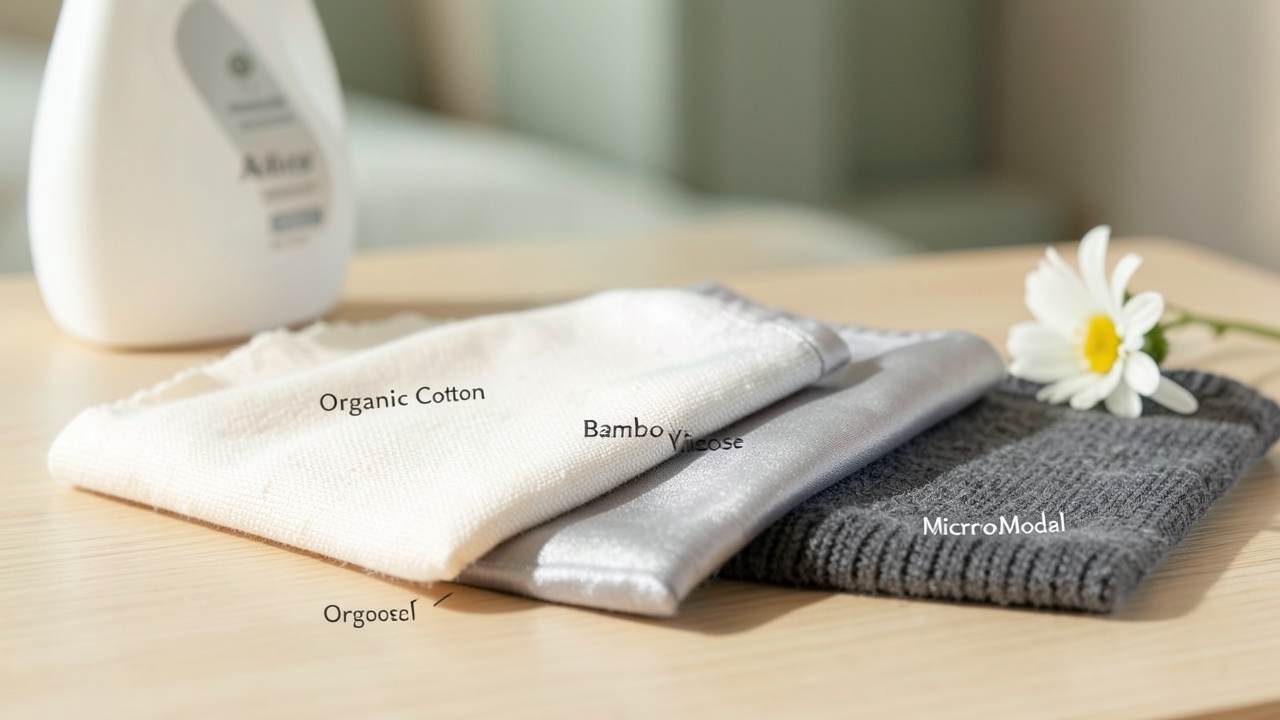
Not all natural fabrics are the same, and some synthetic blends can cause serious reactions. For innerwear replacement for sensitive skin, the best options are soft, breathable, and free from harsh chemical treatments. The fabric that touches your skin everyday should be as neutral as possible.
Top Fabrics for Sensitive Skin
- Organic Cotton: Grown without pesticides and bleached without chlorine. It is soft, breathable, and widely recommended by the American Academy of Dermatology for sensitive skin.
- TENCEL Lyocell: Made from sustainably sourced wood pulp. It is smoother than cotton, moisture-wicking, and naturally anti-bacterial. It is an excellent choice for preventing chafing.
- Modal: A type of rayon made from beech tree fibers. It is incredibly soft, drapes well, and holds color without heavy dyes. Look for OEKO-TEX certified modal.
- Bamboo: Naturally hypoallergenic and breathable. It provides good temperature regulation and is softer than cotton after washing. Ensure it is processed mechanically to avoid harsh chemicals.
- Silk: Naturally hypoallergenic and resistant to dust mites. It is a luxury option but requires careful washing. It works well for people with very reactive skin.
Important: According to the National Eczema Association, over 31 million Americans experience some form of eczema. Choosing the right fabric can reduce flare-ups by minimizing friction and moisture retention.
Fabric Comparison Table for Sensitive Skin
| Fabric Type | Softness | Moisture Wicking | Durability | Best For |
|---|---|---|---|---|
| Organic Cotton | High | Medium | High | Everyday underwear, bras, undershirts |
| TENCEL Lyocell | Very High | High | Medium | Active underwear, socks, bras |
| Modal | Very High | Medium | Medium | Loungewear, nightwear, everyday underwear |
| Bamboo | High | High | Medium | Socks, underwear, undershirts |
| Silk | Very High | Low | Low | Sleepwear, special occasion underwear |
How to Know When to Replace Innerwear for Sensitive Skin
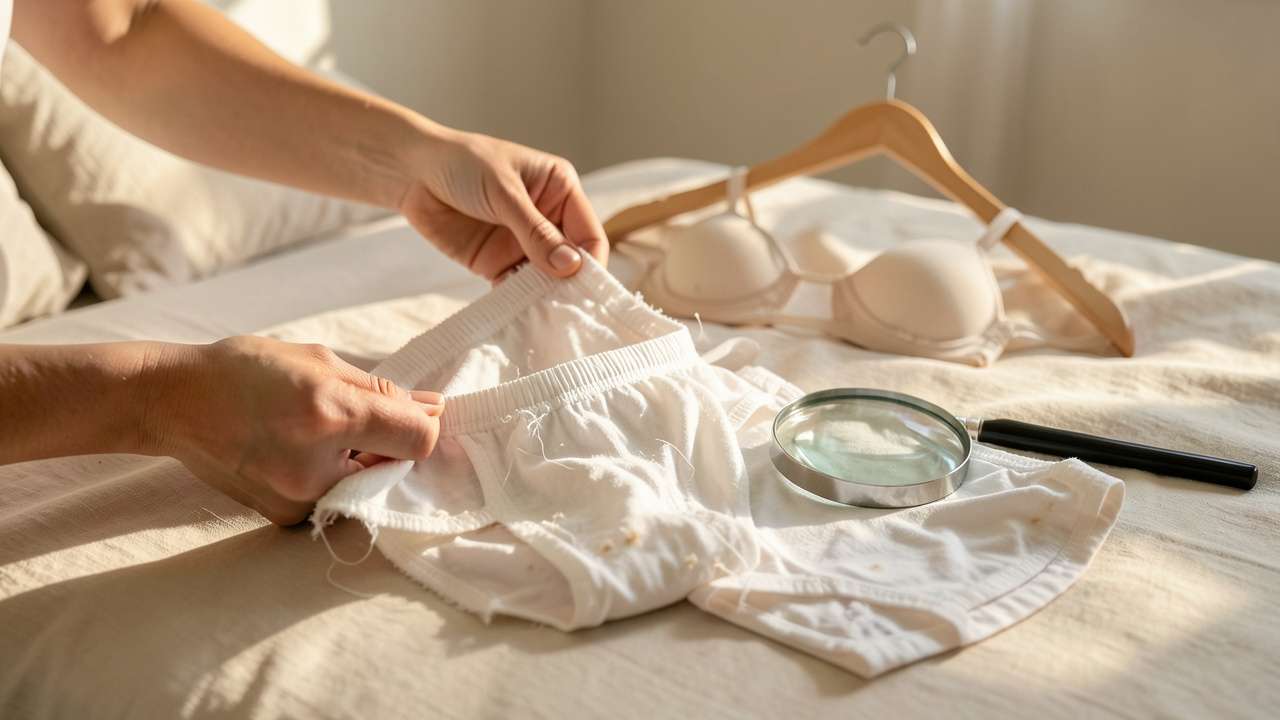
Worn out innerwear can be a hidden source of skin problems. Even if the fabric looks intact, it can harbor bacteria, detergent buildup, and lose its structural integrity. Your skin will often give you the first clues.
Physical Signs of Wear
- Loose Elastic: Waistbands and leg bands that no longer snap back cause friction and rubbing. This friction can inflame sensitive skin and create red marks.
- Pilling: Small balls of fiber on the fabric surface create roughness. This traps sweat and bacteria against the skin.
- Fading or Discoloration: Natural body oils and repeated washing break down dyes. This can release chemical particles that contact your skin.
- Holes or Thin Spots: Weakened fabric offers less protection between your skin and outer clothing. It also rubs differently against skin.
Skin Signals That It Is Time to Replace
- You develop a persistent rash or dry patch in areas where elastic sits.
- You feel itchiness specifically when wearing older garments.
- You notice your skin looks red or irritated after a full day of wear.
- Your usual detergent no longer keeps your skin calm when wearing certain items.
Warning: Do not ignore persistent itching or rashes. According to the American Contact Dermatitis Society, disperse dyes are a common allergen found in synthetic and poorly made innerwear. Replace any item that causes a reaction immediately.
Materials to Avoid for Sensitive Skin Innerwear
Not all fabrics are safe for reactive skin. Some common materials can cause contact dermatitis, allergic reactions, or heat rashes. When you plan your innerwear replacement for sensitive skin, removing these triggers is your first step.
- Polyester: A synthetic fabric that traps heat and moisture. This creates a breeding ground for bacteria and can worsen conditions like folliculitis.
- Nylon: Often used in stretchy underwear. It is non-breathable and holds onto laundry detergent residue, which can cause allergic rashes.
- Lace: Usually blended with synthetic fibers and coated in stiffeners. The rough texture and chemical coatings are common irritants.
- Rayon: While it feels soft, conventional rayon is processed with harsh chemicals like carbon disulfide. These residues can leach out with sweat.
- Wool: Natural but scratchy. Many people with sensitive skin are allergic to lanolin, a natural oil in wool.
Step-by-Step Guide to Transitioning Your Innerwear Wardrobe
Switching your innerwear all at once can be expensive and wasteful. A gradual, intentional approach works much better for your skin and your budget. Follow these steps to make the switch easy.
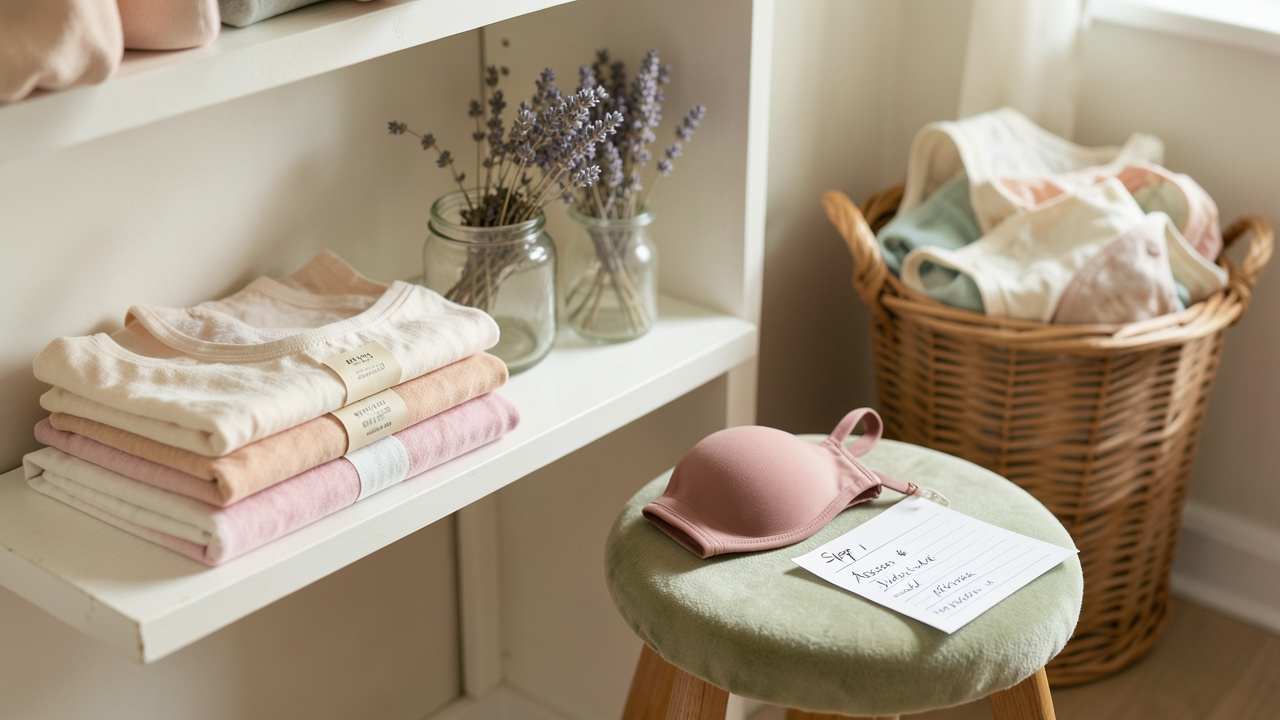
- Audit Your Current Collection: Pull out all your innerwear. Separate items by their condition. Throw away anything with holes, loose elastic, or pilling. Set aside items that are almost new but still cause reactions.
- Identify Trigger Items: Look at the labels of items that cause you itching or redness. Write down the fabric blends. You will likely see a pattern involving polyester, nylon, or lace.
- Choose Your Replacement Fabrics: Based on your budget and needs, pick from organic cotton, TENCEL Lyocell, or modal. Buy one or two pieces first to test how your skin reacts.
- Check for Certifications: Look for OEKO-TEX Standard 100 on the label. This certification ensures the fabric is free from harmful levels of heavy metals, formaldehyde, and pesticides.
- Test New Pieces Slowly: Wear your new innerwear for a few hours at home. Check your skin for any redness or itching. If it passes, wear it for a full day.
- Adjust Your Laundry Habits: Wash all new innerwear before wearing it. Use a dye-free and fragrance-free detergent. Skip fabric softeners completely.
Costs and Replacement Timeline
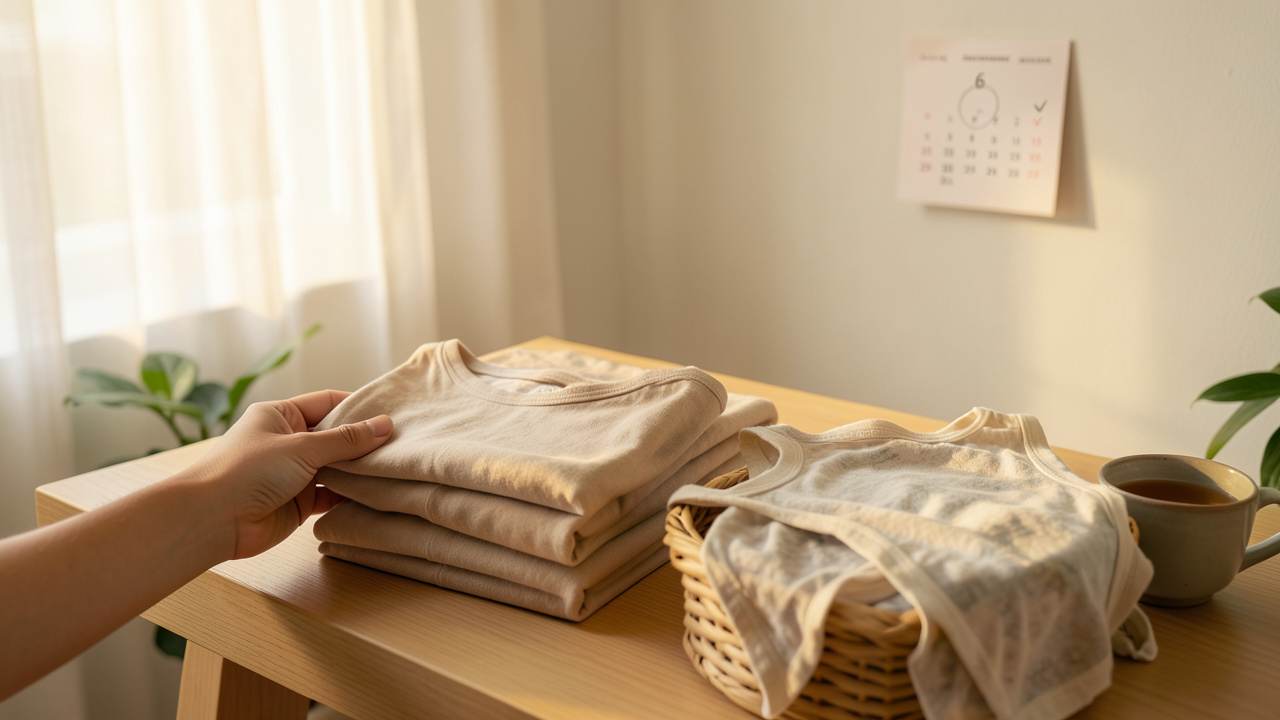
Knowing when to replace each type of innerwear helps you budget better and avoid skin flare-ups. The timeline depends on the fabric quality and how often you wear the item.
| Item Type | Typical Cost (per piece) | Replacement Timeline | Best Fabric Choices |
|---|---|---|---|
| Undershirts | $15 – $30 | Every 6 months | Organic cotton, Modal |
| Boxers / Briefs | $12 – $25 | Every 3-4 months | TENCEL Lyocell, Organic cotton |
| Socks | $10 – $20 | Every 3-6 months | Bamboo, Organic cotton |
| Bras (everyday) | $30 – $60 | Every 6-9 months | Modal, Cotton, TENCEL |
| Thermal / Long Johns | $25 – $50 | Every 1-2 years | Silk, Merino wool (if tolerated), TENCEL |
Common Myths vs Facts About Innerwear and Sensitive Skin
There are many misconceptions about what causes skin irritation from clothing. Understanding the truth can help you make better choices for your wardrobe.
Myth 1: Cotton is Always the Safest Choice
Fact: Conventional cotton is often grown with pesticides and bleached with chlorine, which can leave residues that irritate sensitive skin. Organic cotton is a much safer bet. Furthermore, for active wear, TENCEL Lyocell wicks moisture better than cotton and may be a superior choice.
Myth 2: You Only Need to Replace Innerwear When It Looks Worn
Fact: Washing degrades fabric fibers and deposits detergent residue over time, even if the item looks fine. According to a study in the Journal of Investigative Dermatology, synthetic fabrics can increase sweat retention by up to 60%, which worsens irritation. Replace innerwear on a schedule regardless of visible wear.
Myth 3: Expensive Innerwear Always Lasts Longer and Is Better for Skin
Fact: Price does not guarantee skin safety. Some high-end innerwear uses synthetic blends for stretch or decorative lace that can cause reactions. Always check the fabric composition and certification rather than relying on brand price.
Tip: If a garment causes itching, check the tag for dyes and anti-wrinkle treatments. These are often the real culprits, not the base fabric itself.
Pro Tips for Managing Sensitive Skin with Your Innerwear Choices
Making the right switch is just the start. These daily habits will help you maintain skin comfort and extend the life of your innerwear.
- Wash New Items Before Wearing: New innerwear contains factory chemicals, dust, and dyes. A pre-wash with a gentle detergent removes these irritants.
- Use a Double Rinse Cycle: Standard washing machines often leave detergent residue. An extra rinse ensures it is flushed out completely.
- Cut Out Tags: Tags are often made of polyester and coated in stiff plastic. Remove them at the seam to prevent scratching and rubbing.
- Choose Seamless Construction: Side seams and bulky stitching can press into skin and cause indentations or rashes. Look for flatlock seams or seamless styles.
- Rotate Your Collection: Wearing the same innerwear two days in a row does not give the fibers time to recover their shape or dry fully. Rotate your pieces to reduce friction and moisture buildup.
- Store Properly: Keep innerwear in a dry drawer away from direct sunlight. Sunlight can break down natural fibers and fade dyes into your skin.
Recommended Certifications and Resources
When shopping for your next piece of innerwear, certifications help you verify safety claims. These organizations set the standards for skin-friendly textiles.
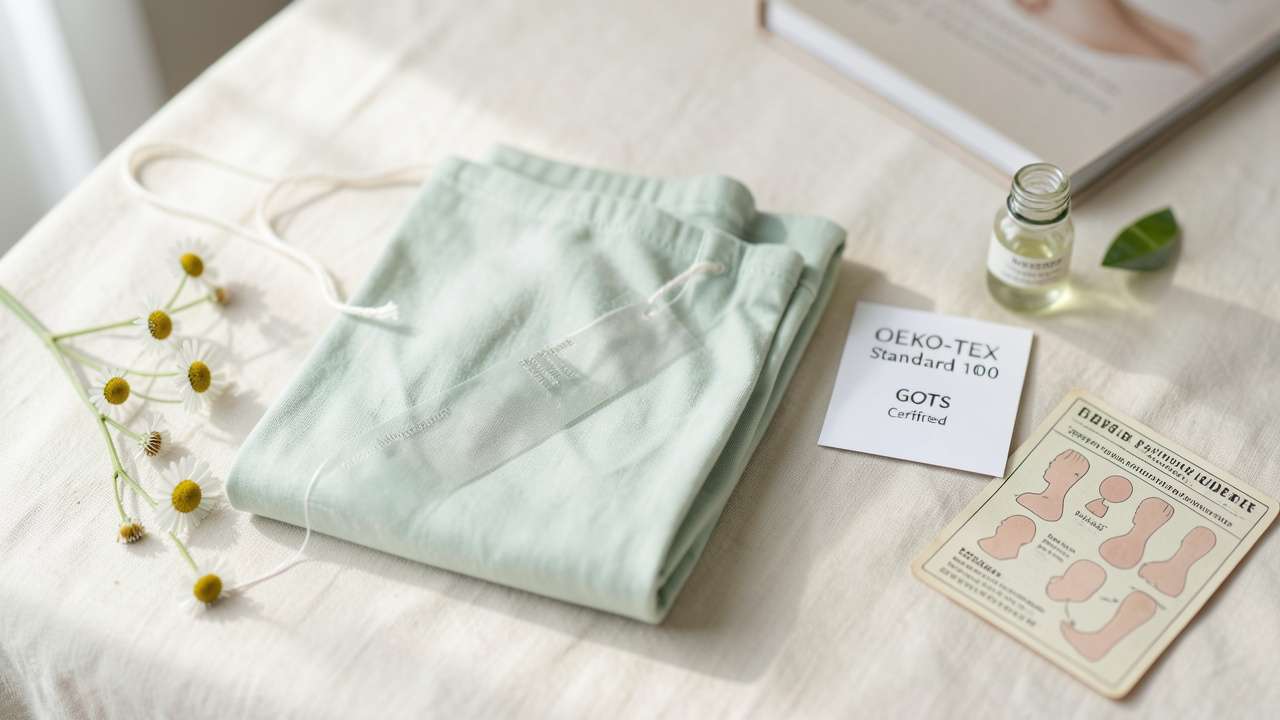
OEKO-TEX Standard 100 – A global testing and certification system for textiles. It screens for harmful substances like pesticides, heavy metals, and formaldehyde. Look for this label on any innerwear you buy.
National Eczema Association (NEA) Seal of Acceptance – Products with this seal are clinically tested and suitable for eczema-prone skin. It is a reliable indicator for innerwear.
American Academy of Dermatology (AAD) – The AAD offers expert resources on managing sensitive skin, contact dermatitis, and choosing skin-safe clothing.
Made-By (Blue Button) – A European standard for sustainable and ethical textile production, which often aligns with better chemical management in fabrics.
Frequently Asked Questions
How often should you replace innerwear for sensitive skin?
Replace everyday underwear and undershirts every 3 to 6 months. Socks should be replaced every 3 to 6 months as well. Bras and less frequently worn items can last 6 to 9 months. Replace sooner if you see elastic damage, pilling, or experience new skin irritation.
What is the best fabric for sensitive skin innerwear?
Organic cotton, TENCEL Lyocell, and modal are the best fabrics. They are soft, breathable, and free from harsh chemical treatments. Avoid polyester, nylon, and lace which are common sources of contact dermatitis.
Can washing detergent cause innerwear to irritate skin?
Yes. According to the American Academy of Dermatology, laundry detergents with fragrances and dyes are a leading cause of allergic contact dermatitis. Switch to a fragrance-free, dye-free detergent and use a double rinse cycle to remove residue.
Is it worth buying expensive hypoallergenic innerwear?
Price is not a guarantee of safety. Focus on fabric composition and certifications like OEKO-TEX Standard 100 instead of brand price. Some expensive innerwear still uses synthetic blends that can trigger reactions.
What are the signs that innerwear is causing skin irritation?
Common signs include redness around elastic bands, persistent itching, small bumps or a rash in the underwear area, and dry patches. If your skin calms down when you remove the garment, the innerwear is likely the trigger.
Final Thoughts
Replacing your innerwear at the right time with skin-friendly materials is a simple, effective way to reduce daily irritation. Focus on soft, certified natural fibers like organic cotton and TENCEL Lyocell. Adopt a gentle laundry routine and pay close attention to the signals your skin sends. Investing in proper innerwear replacement for sensitive skin can significantly improve your comfort and quality of life.