Underwear During Chemotherapy Treatment: A Complete Guide
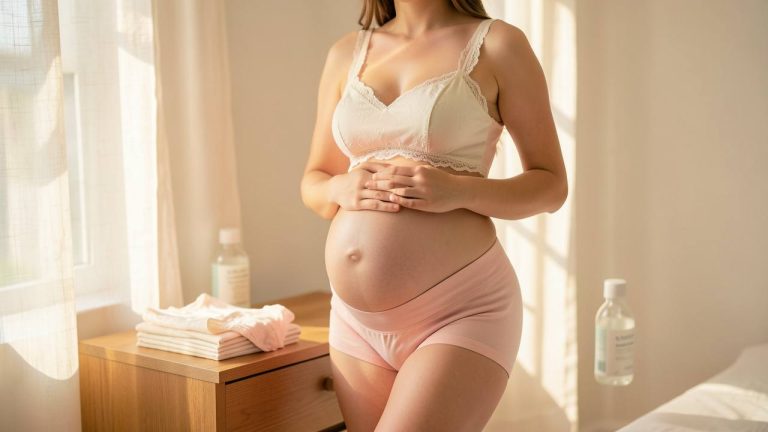
The best underwear for chemotherapy prioritizes soft, breathable fabrics such as bamboo, modal, or organic cotton with seamless construction to prevent chafing on sensitive or irradiated skin. Front-closure or low-rise briefs enable easy access to chest port lines without removing the garment, and sizing up accommodates fluid retention and bloating. Choosing underwear without tight elastic bands or tags directly reduces skin irritation and daily discomfort during treatment.
Chemotherapy treatment brings significant changes to your body. Your skin may become dry, peeling, or extremely sensitive. You might experience bloating, nausea, or fatigue. Standard underwear with tight elastic bands, scratchy tags, and synthetic fabrics can quickly become unbearable.
This guide explains how to choose the right underwear during treatment. It focuses on comfort, skin protection, and practical features that make your daily life easier.
Quick Verdict: Simply put, the best underwear during chemotherapy uses soft, breathable natural or bamboo fabrics. It has no tight elastic bands, no tags, and allows easy access for port lines. Comfort and minimizing skin irritation are the absolute top priorities during this sensitive time.
Key Takeaways
- Fabric choice directly impacts skin comfort during chemo-induced sensitivity, with bamboo and modal offering superior softness and moisture control.
- Seamless or flat-seam construction prevents painful chafing on irradiated or peeling skin.
- Front-closure or low-rise briefs provide essential access for chest port lines without removing the garment.
- Sizing up often helps accommodate fluid retention and abdominal bloating without applying pressure.
- Loose-fitting boxers or high-cut briefs improve airflow and reduce friction in sensitive areas.
What Makes Chemotherapy Underwear Different
Chemotherapy drugs attack rapidly dividing cells. This includes cancer cells, but also skin cells and the cells lining your digestive tract. According to the, skin reactions are a common side effect of many chemo drugs.
Your skin becomes thinner, drier, and more prone to tearing. It may peel or develop a rash. Radiation therapy adds another layer of sensitivity. The skin in the treatment area can become red, blistered, and extremely tender.
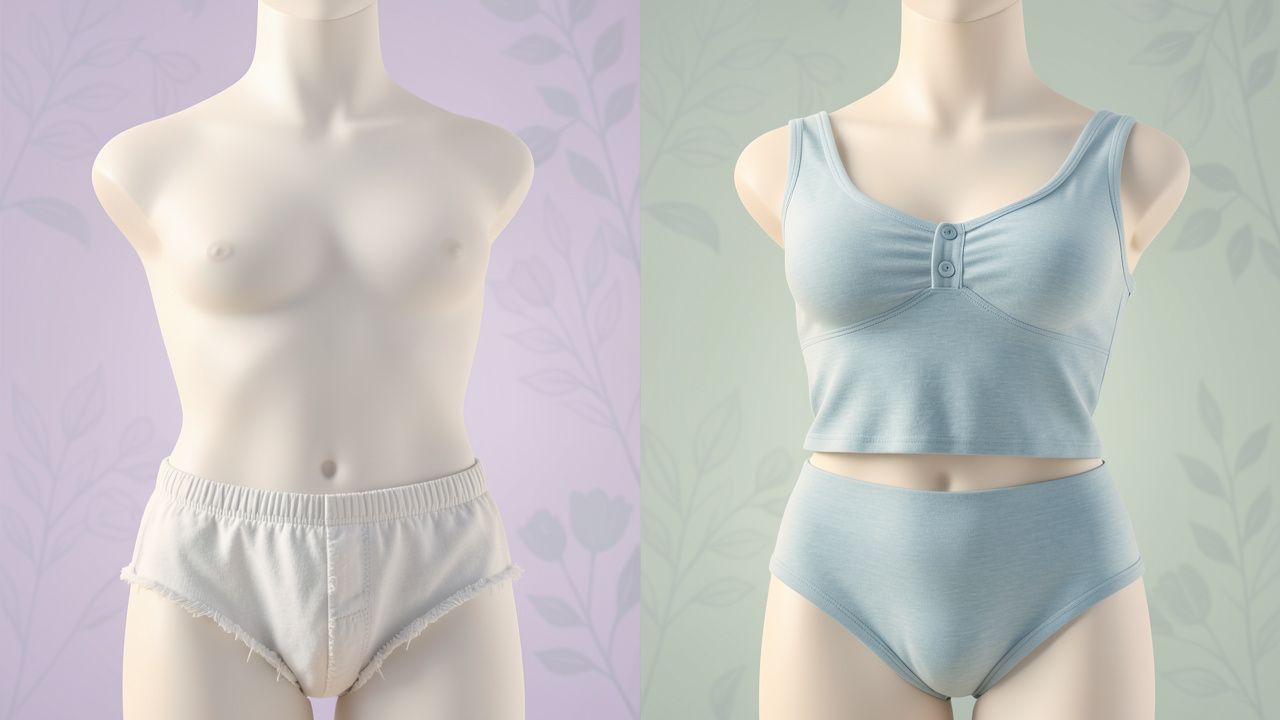
Standard underwear was not designed for these conditions. Elastic waistbands dig in. Center seams rub against sensitive areas. Synthetic fabrics trap heat and moisture, which worsens irritation.
Specialized underwear during chemotherapy addresses these specific problems. It uses gentle fabrics, eliminates pressure points, and prioritizes easy access for medical devices.
Important: The American Cancer Society reports that about 650,000 cancer patients receive chemotherapy in an outpatient setting each year. Many of them experience skin sensitivity that requires changes to their daily clothing choices.
Fabric Guide for Sensitive Skin
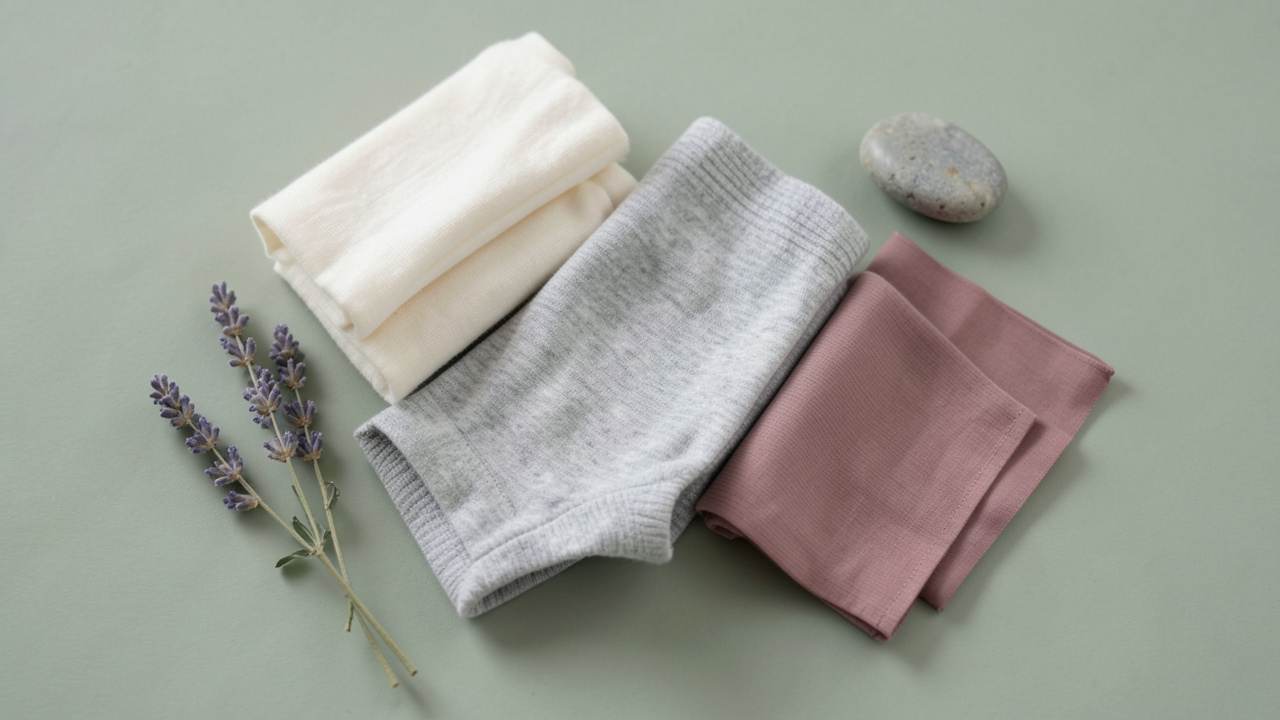
The fabric of your underwear is the most important factor during treatment. Here is a comparison of the most common options.
| Fabric | Softness | Breathability | Moisture-Wicking | Best For |
|---|---|---|---|---|
| Organic Cotton | High | Excellent | Low (holds moisture) | General sensitivity, affordable comfort |
| Bamboo Viscose | Very High (silky) | Excellent | High | Severe skin peeling, night sweats |
| Modal | Very High | Good | High | All-day wear, temperature regulation |
| Microfiber (Nylon/Spandex) | Medium (smooth) | Low | High (synthetic) | Seamless looks, light support |
Organic Cotton
Cotton is a classic choice for a reason. It is natural, breathable, and widely available. However, cotton holds onto moisture. If you are dealing with night sweats or drainage, wet cotton against your skin can cause further irritation.
Look for organic cotton options. They are grown without harsh chemicals that could trigger reactions.
Bamboo Viscose
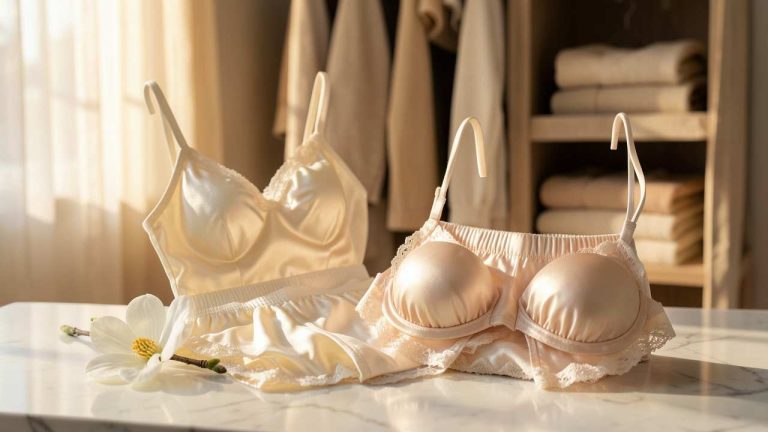
Bamboo fabric is extremely soft, almost silky to the touch. It is naturally moisture-wicking and temperature-regulating. Many patients with severe skin peeling or radiation burns find bamboo to be the most comfortable option. It is also naturally hypoallergenic.
Modal
Modal is another plant-based fabric made from beech tree pulp. It is softer than cotton and resistant to shrinkage. Modal drapes well and does not cling to the body. It is an excellent choice for sensitive skin.
Tip: Look for modal or bamboo blends that include a small amount of elastane. This gives the fabric stretch without using tight elastic bands. It helps the underwear stay in place without applying pressure.
Key Features to Look For
Beyond fabric, specific design features make a big difference in comfort.
- Tagless Construction: Tags can scratch and irritate sensitive skin. Look for printed labels or tags that are designed to be easily removed.
- Flat or Seamless Seams: Center seams on briefs can rub against the perineum. Flat-lock seams or seamless designs reduce this friction.
- Soft, Wide Waistbands: Elastic causes a pressure point across the belly. Look for wide, soft bands or fold-over waistbands that do not dig in.
- High-Cut or Low-Rise Legs: Choose a cut that avoids elastic on the thighs. High-cut French briefs or loose boxers reduce leg band pressure.
- Front Closure or Port Access: If you have a chemo port in your chest, front-closure bras or low-cut camisoles allow easy access without removing your top.
- No Center Seam: For briefs or hipsters, a missing center seam reduces chafing in the most sensitive area.

How to Choose the Right Underwear for Your Treatment
Follow this simple step-by-step process to find the right fit for you.
- Identify your specific side effects. Are you dealing with skin peeling, radiation burns, abdominal bloating, or port access needs? Your specific symptoms determine the best features to prioritize.
- Choose your base fabric. Pick a fabric from the table above that matches your primary concern. Bamboo or modal for severe sensitivity. Organic cotton for light sensitivity and budget.
- Select the cut carefully. Consider your waistline sensitivity. If your abdomen feels tender, choose high-cut or low-rise options that avoid the belly. If you have a stoma or catheter, look for high-waisted support.
- Size up for comfort. Do not wear your regular size if you are bloated or retaining fluid. Size up one or two sizes. Loose underwear is more comfortable and reduces pressure points.
- Test one pair first. Buy a single pair of a new style before committing to multiple. Wear it for a full day. Check for any rubbing, digging, or irritation.
Warning: Avoid thongs or tight g-strings during treatment. They can introduce bacteria to the urinary tract and cause friction on sensitive skin. Stick to briefs, boxers, or hipsters with full coverage.
Underwear Options for Specific Medical Needs
Your treatment plan may involve medical devices that require special consideration.
Port Access Underwear
A chemo port is a small disc placed under your skin, usually near the collarbone. Nurses access it with a needle for infusions.
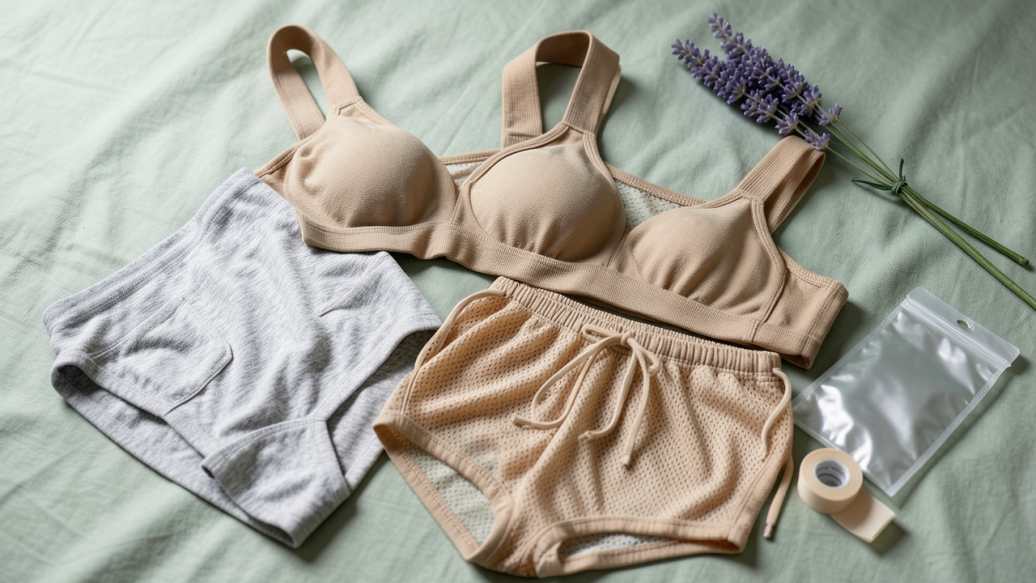
- Look for low-cut camisoles or bras with a front clasp.
- Some adaptive clothing brands make tops with a hidden zipper or snap opening over the port site.
- Loose tank tops worn under a shirt allow easy access by pulling the fabric aside.
Ostomy and Catheter Underwear
If you have an ostomy bag or a Foley catheter, specific features help:
- High-waisted briefs provide support and concealment for ostomy bags.
- Look for a built-in security pouch or pocket to hold the bag in place.
- Soft, stretchy waistbands prevent pressure on the stoma or catheter tube.
- Cotton or bamboo fabrics reduce skin irritation around the adhesive barrier.
Lymphedema and Swelling
Lymphedema causes swelling, often in the arms or legs. Compression garments are sometimes needed, but regular underwear should never restrict flow.
- Avoid tight elastic leg bands on underwear.
- Choose loose-fitting boxer shorts if you have swelling in the hips or thighs.
- Look for underwear with gentle, non-constricting waistbands.
Common Myths vs Facts
Myth 1: Cotton is always the best choice for sensitive skin.
Fact: While cotton is natural and breathable, it holds moisture against the skin. For patients dealing with night sweats or skin peeling, bamboo or modal fabrics wick moisture better and stay drier longer, reducing the risk of skin breakdown.
Myth 2: Tight underwear makes you feel more supported and secure.
Fact: Tight underwear can worsen lymphedema, cause skin tears, and increase abdominal pain. Loose-fitting garments reduce pressure and help prevent skin damage during treatment.
Myth 3: Underwear choice has no real impact on treatment outcomes.
Fact: Proper underwear prevents skin breakdown and infections. Skin infections can delay chemotherapy cycles or radiation sessions. Comfort also improves sleep quality and overall well-being, which supports your immune system during treatment.
Pro Tips for Daily Comfort
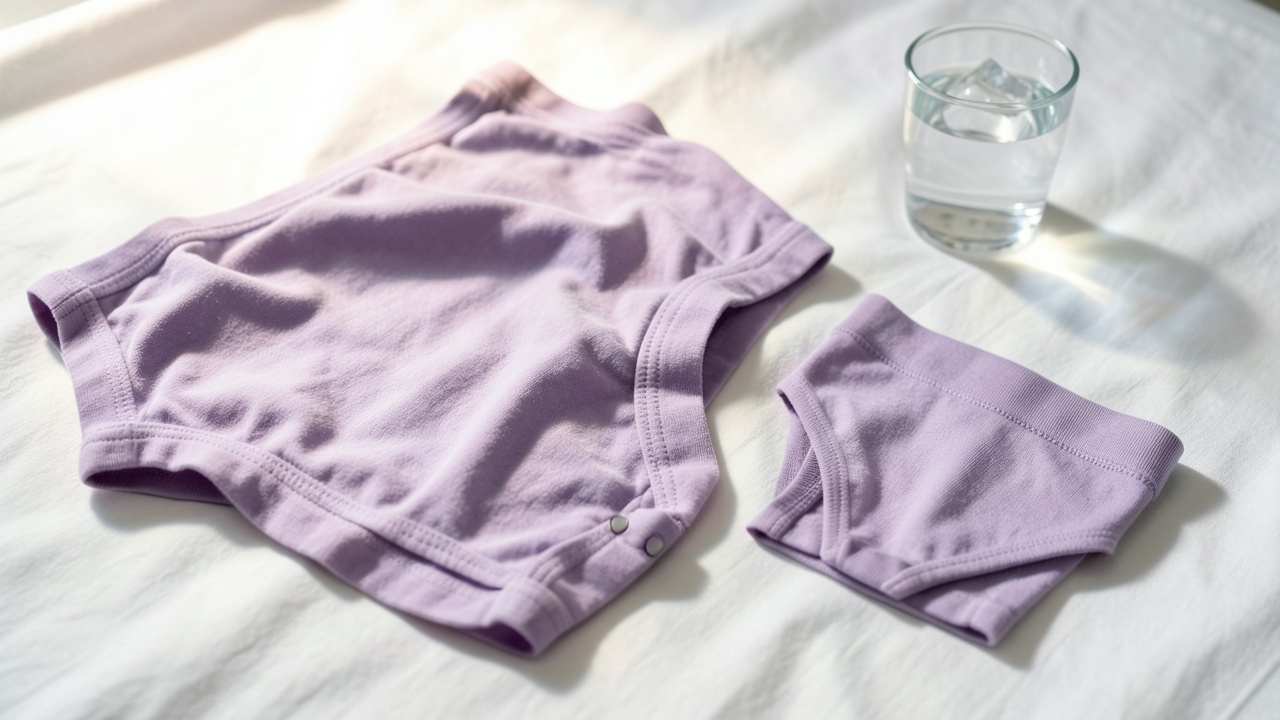
Tip 1: Change your underwear twice daily. Chemotherapy can increase sweating and discharge. Clean, dry fabric against the skin prevents rashes and infections.
Important: Use a fragrance-free, hypoallergenic laundry detergent. Fabric softeners and dryer sheets often contain perfumes and chemicals that can irritate sensitive skin. Skip them entirely during treatment.
- Avoid bleach. It weakens fabric fibers and leaves chemical residues. Use oxygen-based bleach alternatives if you need to whiten.
- Consider seamless sleep shorts or loose boxers for night-time wear. They offer freedom of movement and reduce friction during sleep.
- Keep extra pairs in your hospital bag or car. You may need to change after a long infusion day or unexpected nausea.
- Look for dark colors or patterns. They help conceal any unexpected leakage or staining from drainage or sweat.
- Buy a dedicated mesh laundry bag for delicate underwear. It prevents tangling and protects the fabric in the wash.
Resources and Tools
Finding the right product takes some research. Here are reliable brands and resources to start your search.
Tommy John – Known for soft, tagless, and comfortable cotton and modal underwear with flat seams.
MeUndies – Offers ultra-soft micro modal underwear in various cuts. Their fabric is known for being gentle on sensitive skin.
Duluth Trading Company – Provides relaxed-fit cotton boxers and underwear with no-roll waistbands. Good for bloating and abdominal sensitivity.
The American Cancer Society – Offers resources for managing side effects, including skin care during chemotherapy.
Etsy Adaptive Clothing Shops – Many independent makers create custom adaptive underwear with port access, ostomy pockets, and soft flat seams. Search for “chemo port camisole” or “adaptive underwear.”
Frequently Asked Questions
Can I wear my regular underwear during chemotherapy?
You can, but be prepared to switch if it becomes uncomfortable. Many patients find that their regular underwear feels restrictive or scratchy as their skin changes. Switching to softer, tagless, and looser options can prevent irritation.
What underwear is best for a chemo port?
Low-rise briefs, front-closure bras, or camisoles with a deep neckline work well. They allow nurses to access the port on your upper chest without requiring you to undress fully. Some adaptive brands specifically make tops with zippers over the port site.
Is bamboo fabric really better than cotton for sensitive skin?
Many patients find bamboo to be noticeably softer and more moisture-wicking than cotton. It is a popular choice for severely sensitive skin during treatment. However, organic cotton is still a good option if you prefer it or have a tighter budget.
What if I have a Foley catheter or ostomy bag?
Look for high-waisted underwear with a built-in security pocket for ostomy bags. For catheters, choose loose boxers that do not restrict the tubing. Specialized adaptive underwear from brands like Vanilla Blush or Ostomy Secrets can provide support and security.
How many pairs of chemo-friendly underwear should I buy?
Start with 5 to 7 pairs. You will likely change more often than usual due to sweating, drainage, or nausea. Frequent washing means you need enough pairs to last between laundry days without re-wearing used items.
Final Thoughts
Choosing the right underwear during chemotherapy is a small act of self-care with a big impact on your daily comfort. Focus on soft, breathable fabrics like bamboo or modal. Look for tagless, seamless designs that do not put pressure on your body. Your skin and body are going through a difficult time. Let your clothing be a source of relief, not added stress.