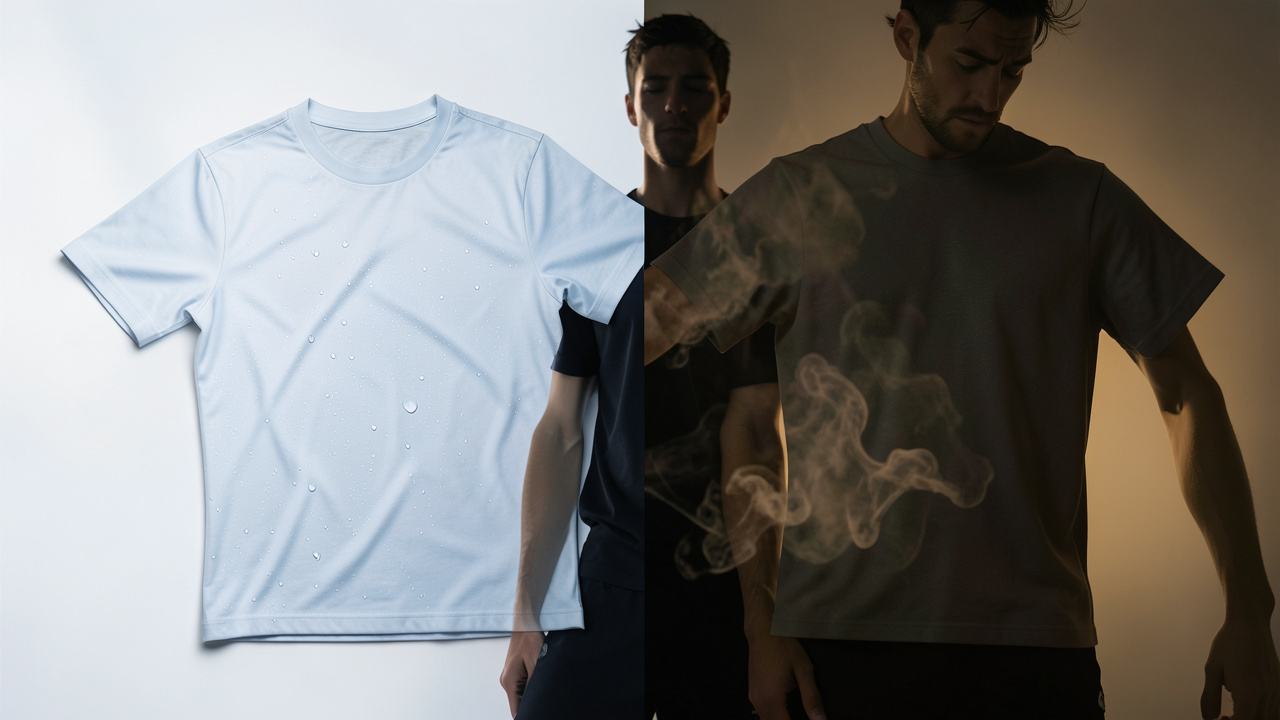
Why Synthetic Fabric Odor Retention Is Important for Comfort
Synthetic fabric odor retention significantly impacts comfort because hydrophobic fibers like polyester and nylon trap sweat oils and bacteria, creating persistent smells that regular washing cannot remove. This bacterial buildup can cause self-consciousness and reduce the enjoyment of physical activity or daily wear. Using enzymatic or sports-specific detergents and avoiding fabric softeners can break down these biofilms, restoring fabric freshness and improving overall comfort.
Have you ever noticed that your gym clothes smell much worse than your cotton t-shirts after a workout? This common frustration stems from the chemistry of synthetic fabrics and how they interact with sweat and bacteria.
Quick Verdict: Synthetic fabrics like polyester and nylon trap oils and bacteria from sweat deep within their fibers. This creates stubborn odors that normal washing struggles to remove. The result is less comfort and confidence during exercise and daily wear.
Key Takeaways
- Synthetic fabrics have hydrophobic fibers that repel water but trap oils, creating an ideal environment for odor-causing bacteria like Micrococcus and Staphylococcus.
- Regular laundry detergents often fail to remove trapped oils from polyester and nylon, leaving residual odors that get worse over time.
- Using a sports-specific detergent, vinegar soak, or enzymatic cleaner can break down the biofilms that cause persistent smells.
- Fabric type, weave density, and moisture management properties all influence how strongly a material retains odor.
- Choosing the right synthetic fabric and washing it correctly can extend garment life and improve everyday comfort significantly.
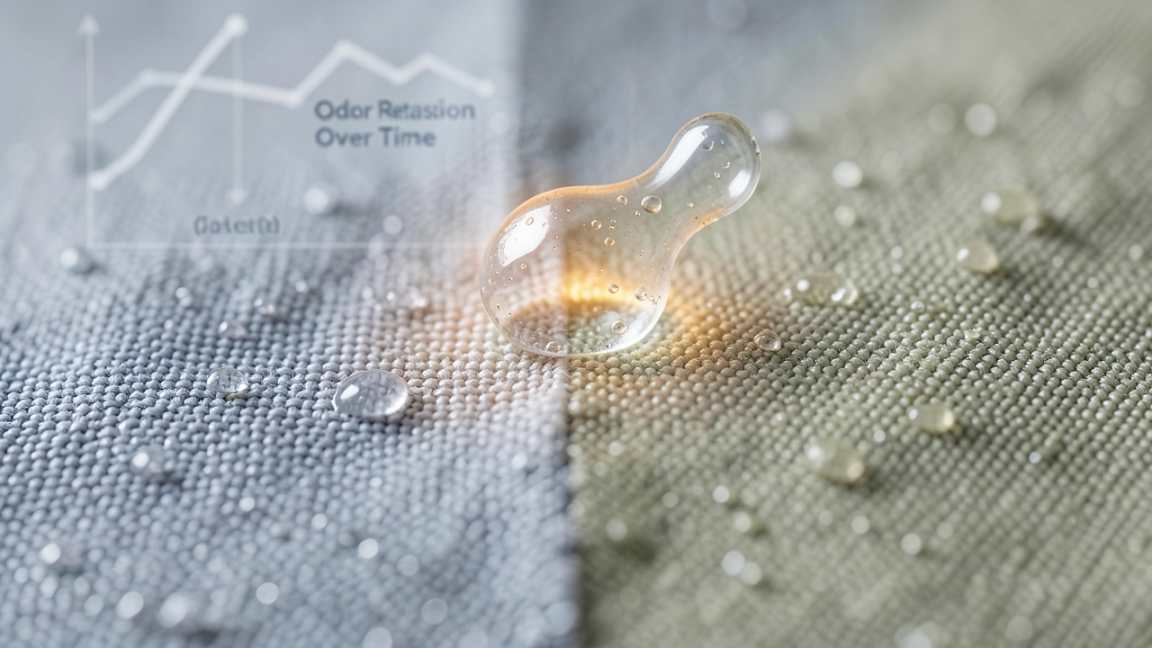
What Is Synthetic Fabric Odor Retention?
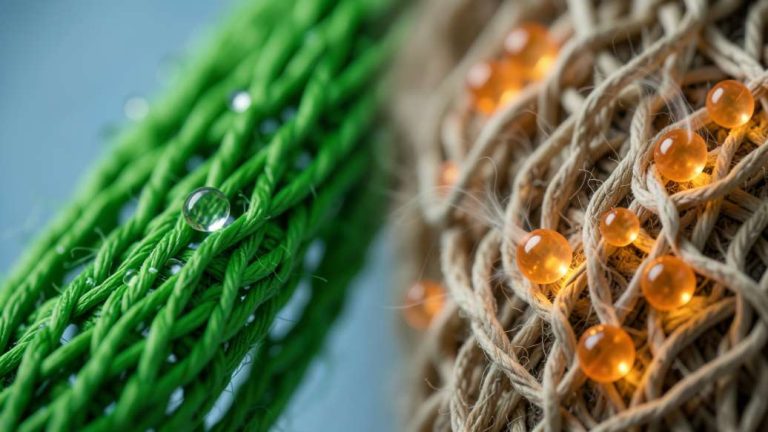
Synthetic fabric odor retention refers to the tendency of man-made fibers to absorb and hold onto smells from sweat and bacteria. Unlike natural fibers like cotton or wool, synthetics like polyester, nylon, and spandex are hydrophobic – they repel water. This means sweat does not absorb into the fiber itself.
Instead, sweat sits on the surface of the fiber. When this happens, the oils and salts from your skin get trapped in the microscopic spaces between fibers. Bacteria from your skin then feed on these oils. As the bacteria multiply, they produce volatile organic compounds that create that distinct, sour smell.
Important: The problem is not the fabric itself smelling bad. The issue is that synthetic fibers provide a perfect home for bacteria to grow and produce odors over time.
According to, polyester fabrics harbor significantly more odor-causing bacteria than cotton after exercise. The study found that synthetic fabric odor retention is primarily driven by bacteria from the Micrococcus genus, which thrive on hydrophobic surfaces.
Understanding this process is the first step to solving the problem. Once you know why the smell forms, you can choose better fabrics and better cleaning methods.
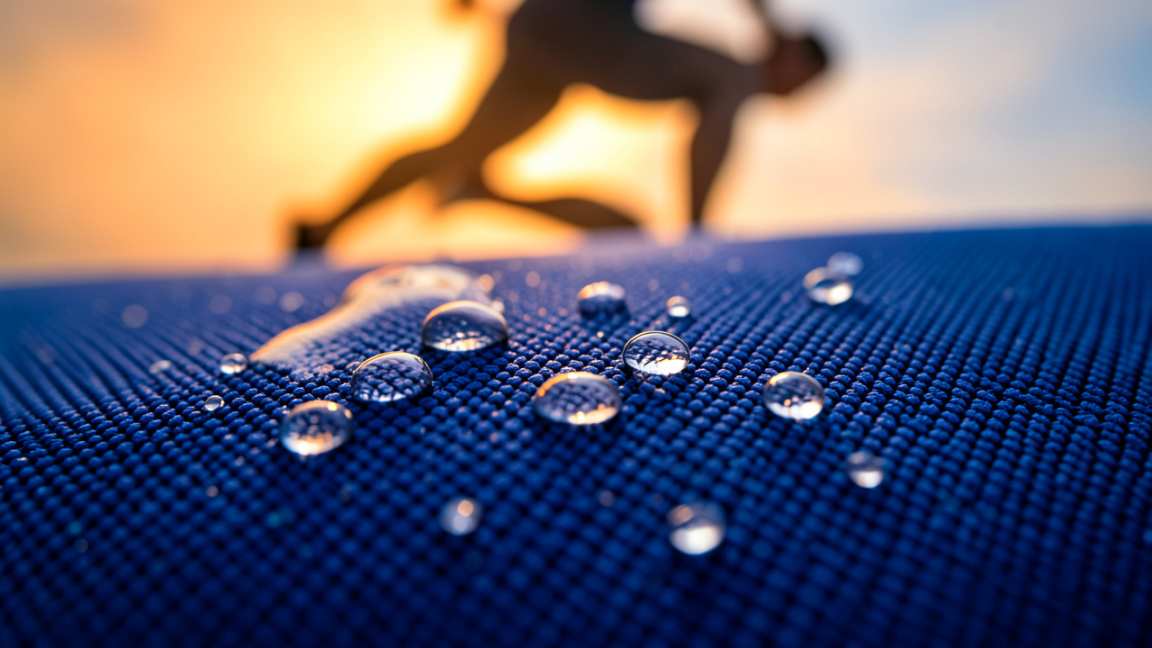
How Does Sweat Interact With Synthetic Fabrics?
When you sweat, your body releases water, salts, and oils. On cotton, the water is absorbed into the fiber. This dilutes the oils and makes it harder for bacteria to get a strong foothold. On synthetics, the water beads up and evaporates quickly, but the oils remain on the fiber surface.
The reports that polyester has a low moisture regain – it absorbs less than 0.4% of its weight in water. Cotton, by comparison, absorbs up to 8.5%. This difference explains why synthetics feel dry against your skin but also why they hold onto smells.
Three main factors influence how badly a synthetic fabric retains odor:
- Fiber type: Polyester retains the most odor, followed by nylon. Spandex and elastane also contribute to smell when blended with other synthetics.
- Weave density: Tightly woven fabrics trap more oils and bacteria than loose weaves, because the spaces between threads are smaller and harder to clean.
- Moisture management: Fabrics designed to wick moisture away from the skin often have special coatings that can actually trap oils more effectively.
These factors mean that not all synthetic fabrics are equal. A cheap polyester t-shirt will likely smell worse than a high-quality merino wool blend, even though both are marketed as performance fabrics.
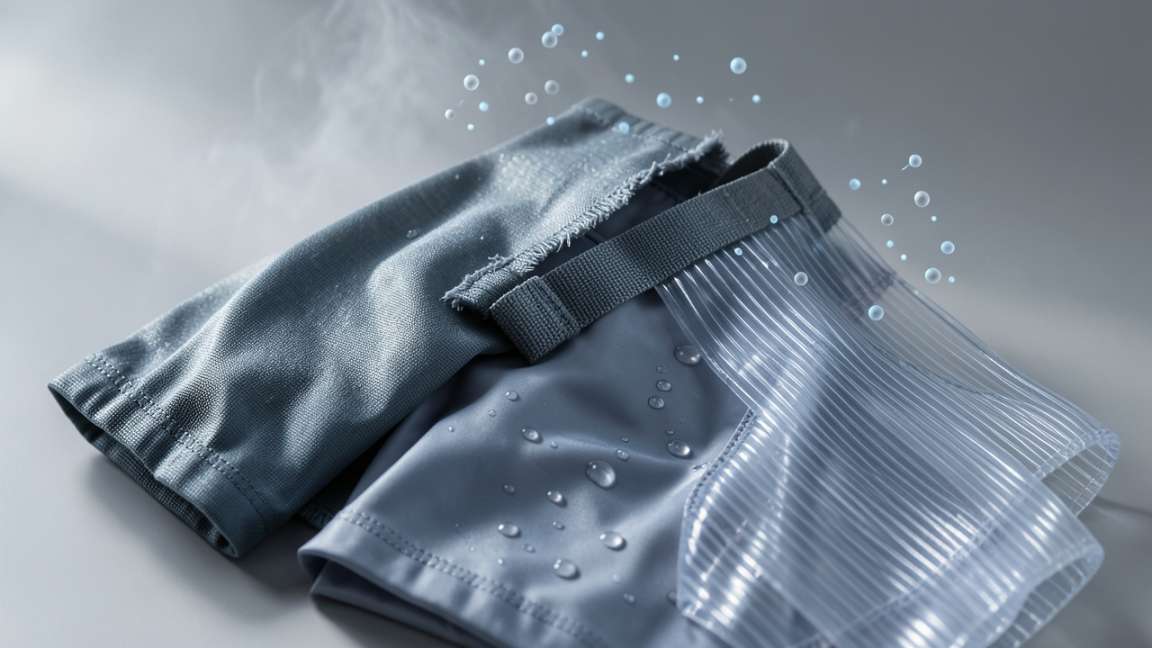
Types of Odor-Causing Synthetic Fabrics
Not all synthetic fabrics cause odor problems equally. Some are much worse than others. Here is a breakdown of the most common offenders and how they rank in terms of odor retention.
| Fabric | Odor Retention Level | Common Uses | Why It Smells |
|---|---|---|---|
| Polyester | High | Athletic wear, t-shirts, jackets | Hydrophobic surface traps oils and hosts Micrococcus bacteria |
| Nylon | Moderate-High | Activewear, leggings, swimwear | Slightly more absorbent than polyester but still traps oils |
| Spandex / Elastane | Moderate | Stretch fabrics, compression wear | Usually blended; adds elasticity but traps sweat in tight weaves |
| Acrylic | High | Sweaters, fleece, hats | Similar hydrophobic properties to polyester |
| Polypropylene | Low | Base layers, thermal underwear | Does not absorb moisture at all; bacteria have less food |
As the table shows, polyester and acrylic are the worst offenders. Polypropylene is the best synthetic for odor control. But even polypropylene can smell if not washed properly after heavy use.
Why Odor Retention Matters for Comfort
Comfort is not just about how a fabric feels against your skin. It also includes how you feel emotionally and socially while wearing it. Synthetic fabric odor retention affects comfort in three main ways.
First, physical comfort suffers when you worry about smelling bad. You may avoid raising your arms in public or standing too close to others. This anxiety reduces your enjoyment of exercise, work, and social situations.
Second, the bacteria that cause odors can also irritate your skin. A study from the found that people who wear synthetic workout gear are more likely to develop folliculitis and acne on their back, chest, and shoulders. The trapped sweat and bacteria clog pores and cause inflammation.
Third, persistent odors shorten the life of your clothes. You end up throwing away expensive gym shirts and leggings long before they wear out. This costs you money and creates textile waste.
Warning: If your synthetic clothes smell bad right out of the wash, it means the bacteria have formed a biofilm that standard detergent cannot remove. This biofilm can also transfer odors to other clothes in the same load.

Who Needs to Care About This?
Anyone who wears synthetic fabrics for exercise, work, or daily life should understand odor retention. But some groups are affected more than others.
- Gym-goers and athletes: You sweat more than the average person. Your workout clothes get soaked with oils and bacteria multiple times per week.
- People who exercise outdoors in warm weather: High heat and humidity cause more sweating, which gives bacteria more food to grow on.
- Workers in physically demanding jobs: If you wear polyester or nylon uniforms on a job site, you deal with odor buildup daily.
- People with sensitive skin: The bacteria trapped in synthetic fabrics can trigger rashes, breakouts, and irritation.
- Anyone on a budget: Making your clothes last longer by preventing odor damage saves money over time.
Even if you do not exercise much, you still wear synthetic blends in everyday clothes. Many dress shirts, casual t-shirts, and even underwear contain polyester or nylon. Odor can become a problem in any of these items.
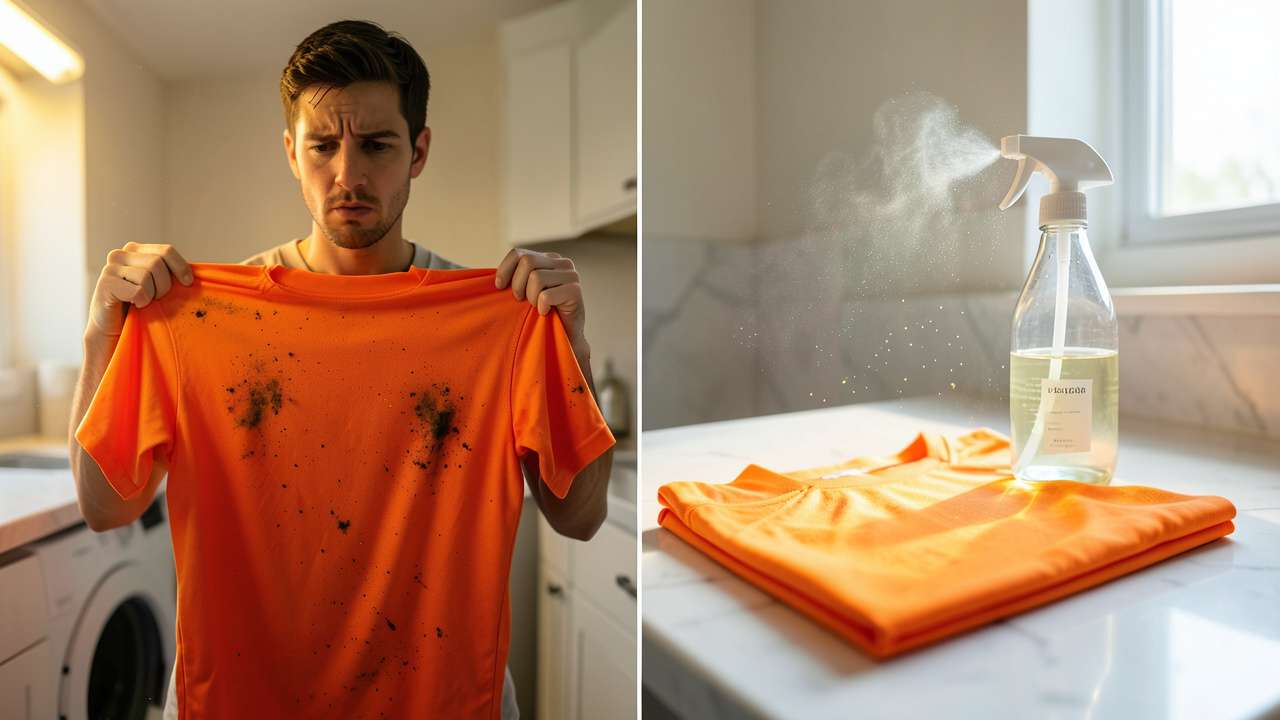
How to Reduce Synthetic Fabric Odor Retention
You can take specific steps to keep your synthetic clothes smelling fresh. The key is to break down the oils and biofilms that trap odors. Here is a step-by-step approach.
Step 1: Wash Your Clothes Immediately After Wearing
Do not let sweaty gym clothes sit in a laundry basket. Bacteria multiply quickly in warm, damp conditions. According to, bacteria can double in population every 20 to 30 minutes under ideal conditions. Wash your synthetic garments within a few hours of wearing them.
Step 2: Use the Right Detergent
Standard laundry detergent is designed to remove dirt and stains, not oils and biofilms. Use a sports-specific detergent that contains enzymes. These enzymes break down the oils and proteins that bacteria feed on. Popular options include Hex Performance, Nathan Sport-Wash, and Tide Plus Febreze Sport.
Tip: Add a half-cup of white vinegar to the rinse cycle once a month. The acetic acid in vinegar breaks down mineral deposits and helps remove trapped oils from synthetic fibers.
Step 3: Avoid Fabric Softener
Fabric softener coats fibers with a waxy layer that traps odors and reduces moisture wicking. Skip the softener entirely for your synthetic workout clothes. If you want softer fabric, add a quarter-cup of baking soda to the wash instead.
Step 4: Dry Properly
Heat from a dryer can set odors into synthetic fibers permanently. Air-dry your synthetic clothes whenever possible. If you must use a dryer, select the lowest heat setting and remove the clothes while they are still slightly damp.
Step 5: Use an Enzymatic Soak for Stubborn Odors
If your clothes still smell after washing, try an enzymatic soak. Mix a scoop of an enzymatic laundry booster like OxiClean or Biokleen with warm water. Soak the clothes for 30 minutes to an hour before washing normally. This breaks down the biofilm that standard washing leaves behind.
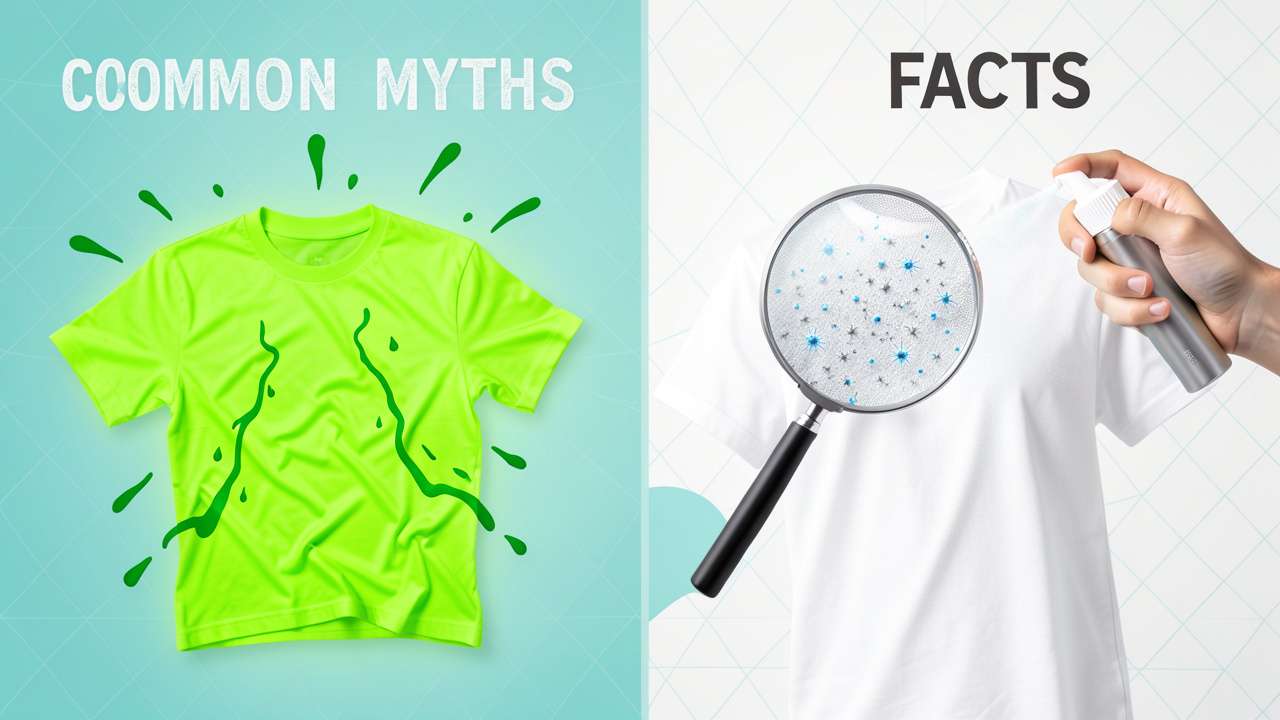
Common Myths vs Facts About Synthetic Fabric Odors
Several misconceptions exist about why synthetic fabrics smell and how to fix the problem. Here are the most common myths and the facts behind them.
Myth 1: The smell comes from the fabric itself
Fact: The fabric does not produce any smell on its own. The smell comes from bacteria that live on the oils and sweat trapped in the fibers. When you remove the bacteria and oils, the smell goes away completely.
Myth 2: More detergent means cleaner clothes
Fact: Using too much detergent leaves residue on synthetic fibers. This residue actually attracts more dirt and bacteria, making odors worse over time. Use the recommended amount or slightly less.
Myth 3: All synthetic fabrics smell the same
Fact: Different synthetics have different odor retention levels. Polyester and acrylic are the worst. Polypropylene and treated nylon are much better. Merino wool, while natural, also resists odor well and is often blended with synthetics for performance wear.
Frequently Asked Questions
Does synthetic fabric odor retention get worse over time?
Yes. Every wash leaves a small amount of oil and bacteria behind. Over months of use, this buildup creates a stronger and stronger base for bacteria to grow on. That is why old gym shirts often smell much worse than new ones.
Can I use bleach to remove odors from synthetic fabrics?
No. Bleach can damage synthetic fibers and cause yellowing. It also does not break down the oils that feed bacteria. Stick to enzymatic cleaners, vinegar, or baking soda instead.
Does antiperspirant affect how synthetic fabrics smell?
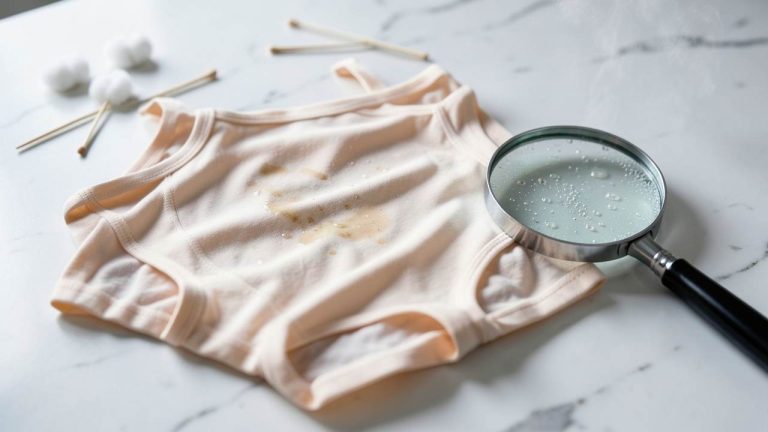
Yes. Antiperspirants contain aluminum compounds that react with sweat and can create yellowish stains on synthetic fabrics. These stains also trap bacteria. Switch to a natural deodorant or use antiperspirant sparingly if you wear synthetic workout clothes.
Is there a way to test how much odor a fabric will retain before buying it?
You can do a simple home test. Rub a small amount of cooking oil on a hidden section of the fabric. Wait 24 hours, then smell it. The stronger the oil smell after this test, the more the fabric will retain sweat odors during wear.
Do silver or antimicrobial treatments in fabrics really work?
They help but are not permanent solutions. Silver ions can kill bacteria on contact, but they wash out over time. According to research from the, most antimicrobial treatments lose effectiveness after 20 to 30 washes.
Final Thoughts
Synthetic fabric odor retention directly affects your physical comfort, skin health, and social confidence. The problem comes from bacteria feeding on trapped oils in hydrophobic fibers, not from the fabric itself. By washing promptly, using the right detergent, and avoiding fabric softeners, you can keep your synthetic clothes fresh much longer. Choosing polypropylene or treated nylon over polyester also makes a big difference from the start.