Eczema-Prone Skin and Fabric Care: A Complete Guide Today
Eczema-prone skin requires careful fabric selection and laundering to minimize irritation, with 100% cotton and bamboo being the most recommended choices for their softness and breathability. Avoiding wool, polyester, and nylon is essential, as these materials trap heat and trigger sweating, leading to itching and flare-ups. Washing new clothes in cold or warm water with a fragrance-free detergent, skipping fabric softeners and dryer sheets, and using gentle drying methods form a reliable routine that reduces skin reactions.
Eczema causes red, itchy, and inflamed patches on the skin. Fabric choice and care can make a big difference in managing symptoms. This guide covers the best fabrics, washing routines, and common mistakes to avoid.
Quick Verdict: Simply put, choosing soft, breathable fabrics like 100% cotton and bamboo, washing with fragrance-free detergents, and avoiding harsh chemicals can significantly reduce eczema flare-ups. Proper fabric care-including pre-washing new clothes and using gentle cycles-is essential for managing sensitive skin.
Over 31 million people in the United States have eczema, according to the. The fabrics you wear and how you wash them directly affect your skin’s comfort. Use the tips in this guide to reduce irritation and improve your quality of life.
Key Takeaways
- Cotton is the most recommended fabric for eczema-prone skin because it is soft, breathable, and reduces friction.
- Avoid wool, polyester, and nylon as they can trap heat, cause sweating, and trigger itching.
- Wash new clothes with a gentle, fragrance-free detergent before wearing to remove chemicals from manufacturing.
- Use cold or warm water and the gentle cycle to preserve fabric softness and avoid residue.
- Skip fabric softeners and dryer sheets – they contain chemicals that can irritate sensitive skin.
How Does Fabric Affect Eczema?
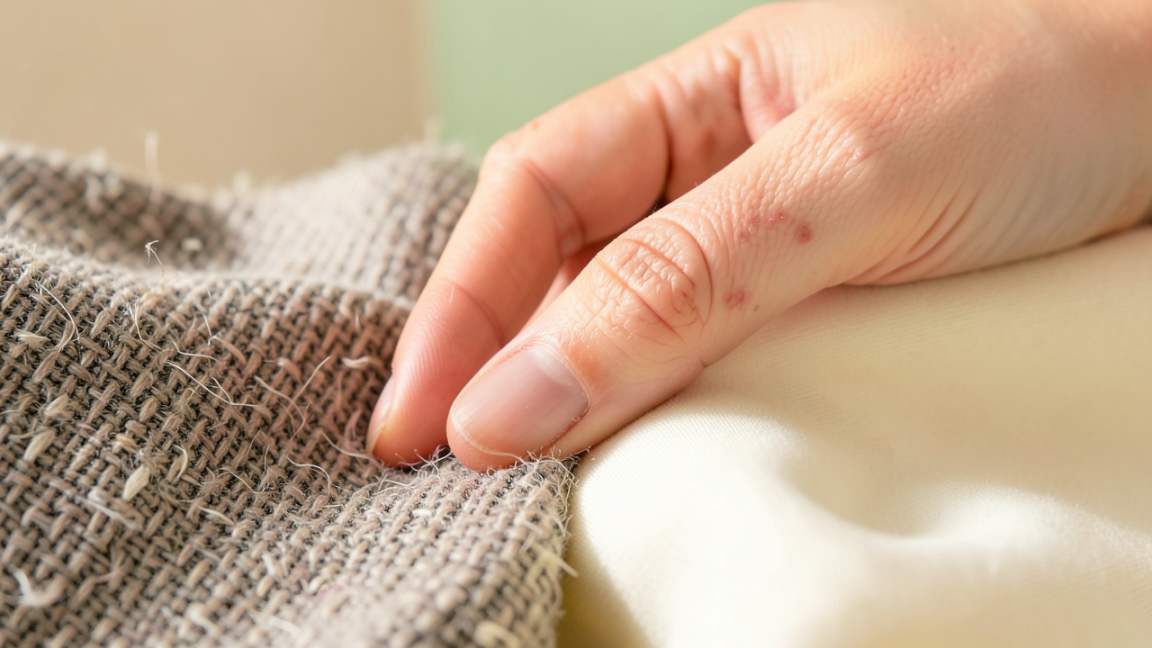
Fabrics touch your skin for hours each day. Rough textures, tight weaves, and chemical finishes can worsen eczema. The right fabric helps the skin breathe and reduces moisture buildup. The wrong fabric can cause overheating, sweating, and increased itching.
According to a study in the Journal of Dermatological Treatment, wearing 100% cotton reduced itch severity by 30% compared to synthetic fabrics. The also notes that eczema currently affects about 10% of children nationwide. Choosing the right fabric is a simple, effective step you can take at home.
Warning: Some “eczema-friendly” labels on clothes can be misleading. Always check the fabric composition tag. Look for at least 95% natural fiber content to ensure breathability.
Best Fabrics for Eczema-Prone Skin
The table below compares the top fabrics for sensitive skin. All options are soft, breathable, and hypoallergenic.
| Fabric | Breathability | Softness | Moisture Wicking | Hypoallergenic |
|---|---|---|---|---|
| 100% Cotton | Excellent | High | Moderate | Yes |
| Bamboo | Very Good | Very High | Good | Yes |
| Silk | Good | Very High | Low | Yes |
| Tencel/Lyocell | Very Good | High | Excellent | Yes |
| Modal | Good | High | Moderate | Yes |
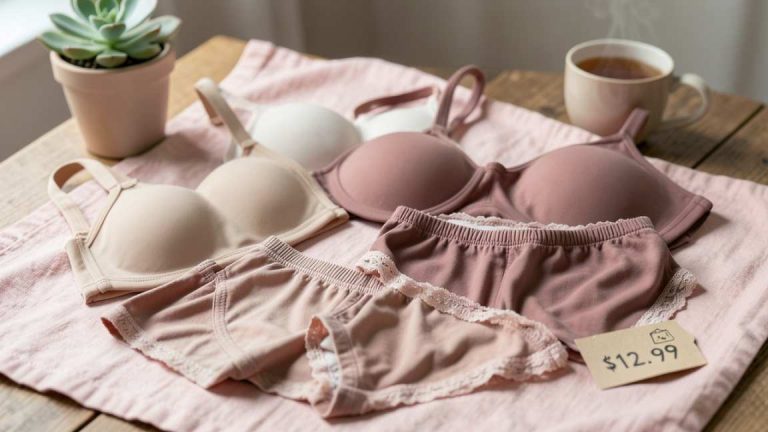
Cotton remains the gold standard. It is affordable, breathable, and widely available. Look for unbleached, organic cotton for the lowest chemical exposure. Bamboo fabric is even softer and wicks moisture away from the skin, making it ideal for nighttime wear. Silk is luxurious but expensive; it works well for pillowcases and scarves. Tencel and Modal are semi-synthetic but derived from natural wood pulp, offering excellent moisture control.
Fabrics to Avoid
Some fabrics trigger eczema flares due to texture, heat retention, or chemical finishes. Avoid these materials:
- Wool – Rough fibers cause itching and irritation. Even soft merino wool can bother some people.
- Polyester – Traps heat and sweat, leading to overheating and flare-ups.
- Nylon – Similar to polyester; poor breathability increases moisture on the skin.
- Acrylic – Often used in sweaters; can be scratchy and cause friction.
- Rayon – May contain harsh chemicals from the manufacturing process.
Important: Even natural fabrics like linen can be too rough for some people. Test a small patch of fabric against your inner arm before buying. If it feels prickly, skip it.
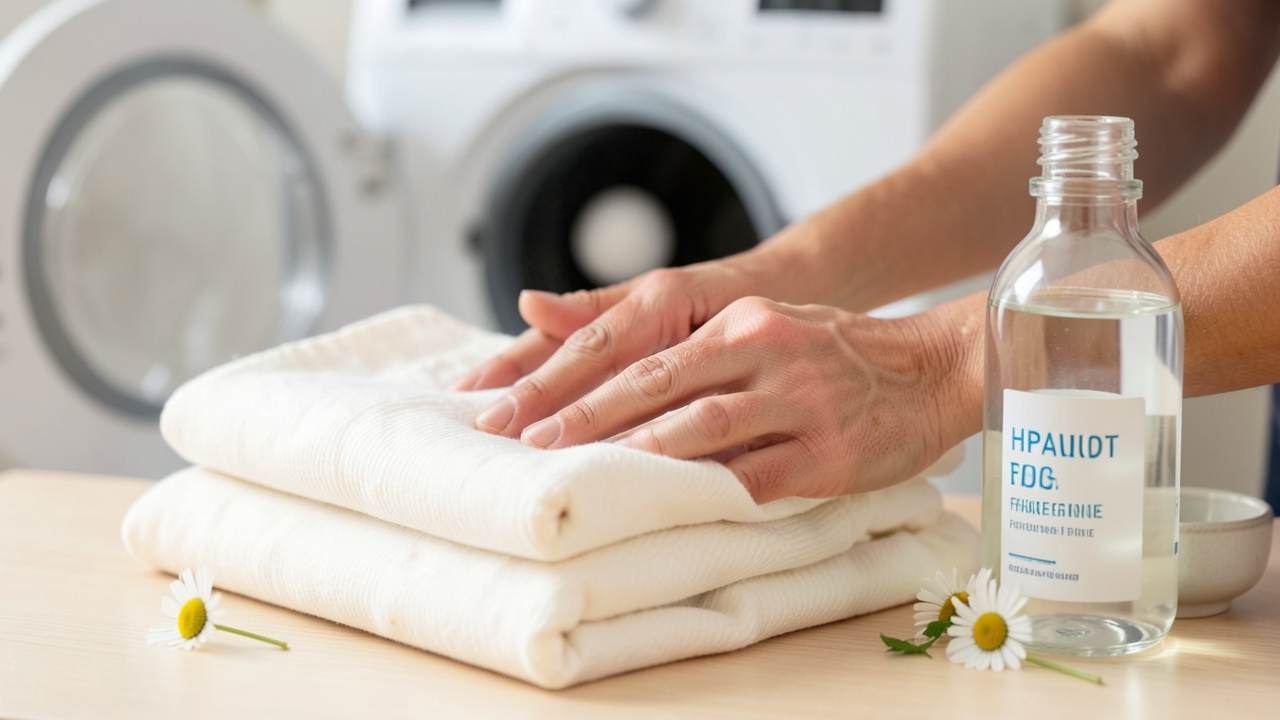
How to Wash and Care for Fabrics to Reduce Eczema Flares
Proper fabric care for eczema-prone skin is just as important as the fabric itself. Follow this step-by-step process to keep your clothes gentle on your skin.
Step 1: Choose the Right Detergent
Use a fragrance-free, dye-free, hypoallergenic laundry detergent. Brands like Seventh Generation, Tide Free & Gentle, and Arm & Hammer Sensitive Skin are widely recommended by the. Avoid detergents with enzymes, brighteners, or optical whiteners.
Step 2: Pre-Wash New Clothes
New garments often have formaldehyde resins, anti-fungal agents, and dye residues. Wash all new clothes at least once before wearing. Use a double rinse cycle to remove all soap residues.
Step 3: Wash in Cold or Warm Water
Hot water can set stains and break down fabric fibers, but it may also irritate skin if residues remain. Cold or warm water (below 40°C / 104°F) is safer for sensitive skin. Use the gentle cycle to minimize friction.
Step 4: Skip Fabric Softeners and Dryer Sheets
These products coat fibers with wax and fragrances that can cause contact dermatitis. Instead, add a half cup of white vinegar to the rinse cycle. Vinegar naturally softens fabric and removes soap residue.
Step 5: Dry Properly
Line drying is best because it avoids heat and chemicals from dryer sheets. If you use a dryer, choose the low-heat setting. Avoid overdrying, which can make fabrics stiff and scratchy.
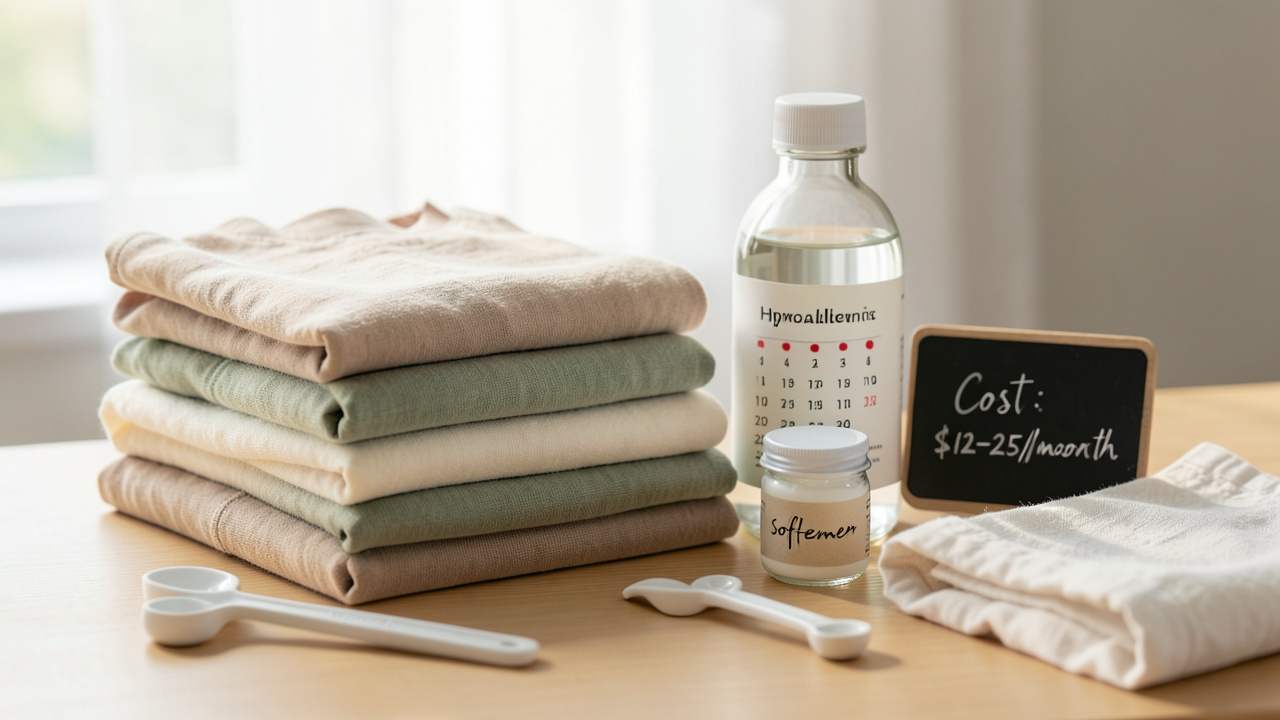
Costs and Timeline for Eczema-Friendly Fabric Care
Switching to a gentle laundry routine does not have to be expensive. Below is a realistic look at ongoing costs.
| Item | Typical Cost | Frequency | Notes |
|---|---|---|---|
| Hypoallergenic detergent | $0.15 – $0.30 per load | Weekly | Available at most grocery stores |
| White vinegar (per load) | $0.02 – $0.05 | Weekly | Replaces fabric softener |
| Organic cotton T-shirt | $20 – $40 | As needed | Invest in 3-4 pieces for rotation |
| Bamboo bedsheet set | $50 – $100 | Every 2-3 years | Wash weekly on gentle cycle |
Most changes – like switching detergent and skipping softeners – cost little or nothing. The bigger investment is buying new clothes and bedding, but you can replace items gradually. Start with the pieces you wear most often (undershirts, pajamas, and bed sheets).
Common Myths vs Facts About Eczema and Fabric
Myth: Only synthetic fabrics cause eczema
Fact: Natural fabrics like wool and even rough cotton can also trigger flares. The fabric’s texture, weave, and chemical treatments matter more than whether it is natural or synthetic.
Myth: Organic cotton is always better for eczema
Fact: Organic cotton reduces pesticide exposure, but it can still be itchy if it has a rough finish. Look for “brushed” or “combed” organic cotton for extra softness.
Myth: You should wash clothes with hot water to kill eczema-causing bacteria
Fact: Hot water can actually irritate skin by leaving more detergent residue. Warm water is sufficient for hygiene. Use a hot dryer cycle only for towels and bedding – and only if you tolerate it well.
Pro Tips for Managing Eczema Through Fabric Care
- Layer wisely: Wear a soft cotton shirt under sweaters or jackets made of wool or polyester. This creates a barrier between your skin and the irritating fabric.
- Check clothing tags for finish: Avoid items labeled “wrinkle-resistant,” “stain-resistant,” or “permanent press.” These often contain formaldehyde resins that can cause contact dermatitis.
- Wash new bedding twice before use: Sheets and pillowcases are against your skin for 8+ hours. A double wash removes manufacturing chemicals.
- Use a laundry stripping method once a month: Soak sheets and towels in hot water with baking soda and borax to remove built-up detergent residue. Rinse thoroughly.
- Keep a separate laundry basket for eczema-prone person’s clothes: This avoids cross-contamination with strong detergents and fabric softeners used by other family members.
Tip: If you travel, pack a small amount of your usual detergent in a leak-proof container. Hotel laundry products often contain strong fragrances that can trigger flares.
Resources and Tools
- National Eczema Association – Offers a product directory for eczema-friendly clothing and skincare.
- American Academy of Dermatology – Provides guidelines on fabric care and laundry habits.
- EWG’s Skin Deep Database – Helps you check laundry detergents for irritating chemicals.
- KicKee Pants – A brand specializing in bamboo clothing for sensitive skin (especially for children).
- Cottonique – Offers 100% organic cotton apparel free of latex, dyes, and chemicals.
Frequently Asked Questions
Can I use fabric softener if it is fragrance-free?
Even fragrance-free fabric softeners often contain wax and quaternary ammonium compounds that can irritate sensitive skin. Stick to white vinegar as a natural softener instead.
How often should I wash sheets for eczema-prone skin?
Wash sheets and pillowcases once a week in warm water with a gentle detergent. If you sweat heavily at night, consider washing every 4-5 days.
Does wearing 100% cotton guarantee no eczema flare?
No, but cotton is the safest choice for most people. Some individuals still react to cotton due to dyes or finishes. Always wash new cotton items before wearing them.
What about anti-allergy mattress covers?
Mattress covers made of cotton or Tencel can protect against dust mites and reduce irritation. Avoid vinyl or plastic covers, which trap heat and moisture.
Why does my skin feel worse after wearing new clothes even after washing?
Some fabrics require multiple washes to remove all chemical residues. Try washing new garments 2-3 times before wearing them. Also check the label for any “finish” treatments.
Final Thoughts
Managing eczema starts with the fabrics you choose and how you care for them. Prioritize soft, breathable materials like cotton and bamboo. Wash with fragrance-free detergent and skip fabric softeners. Small changes in your laundry routine can lead to fewer flare-ups and more comfortable skin.