Classic Special-Care Innerwear: A Complete Guide Right Now
Classic special-care innerwear is adaptive undergarments designed for individuals with limited mobility, medical conditions, or sensitive skin, featuring easy-access closures like snaps and velcro. These garments address the needs of older adults, post-surgery patients, and people with incontinence by using soft, hypoallergenic fabrics that prioritize comfort and function. The key takeaway is that classic special-care innerwear enables users to dress independently and maintain dignity without resembling medical equipment.
Getting dressed should be simple, but for millions of people with limited mobility or medical needs, standard underwear creates real daily struggles. This guide explains what classic special-care innerwear is and how it helps people maintain comfort, dignity, and independence.
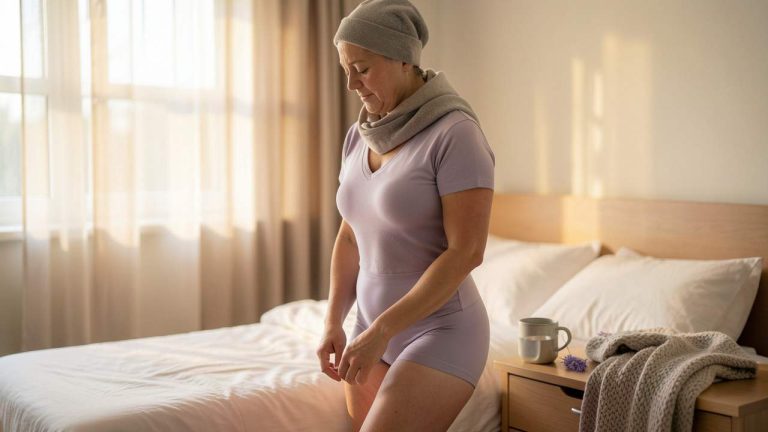
Simply put, classic special-care innerwear refers to adaptive undergarments designed for people who have trouble with traditional closures, need incontinence protection, require post-surgery support, or have sensitive skin. These garments use soft fabrics, easy-access features like snaps or velcro, and prioritize comfort without looking like medical equipment.
The term classic special-care innerwear covers a broad category of adaptive clothing. These are not standard underwear. They are engineered with specific needs in mind. The word “classic” points to timeless, reliable designs that focus on function and comfort rather than trends. The “special-care” part refers to the medical, age-related, or mobility challenges that make regular underwear difficult or unsuitable.
According to the, over 1 billion people worldwide need one or more assistive products. Many of these individuals struggle with dressing tasks. Adaptive underwear addresses this gap directly. It allows people to dress with less help, reduce discomfort, and feel more confident in their daily lives.
Key Takeaways
- Classic special-care innerwear includes adaptive briefs, post-surgery garments, incontinence underwear, and sensitive-skin options that prioritize easy access and comfort.
- Over 26 percent of adults in the United States have some type of disability, according to the, making adaptive clothing a practical necessity for millions.
- Key features like side snaps, velcro closures, flat seams, and moisture-wicking fabrics distinguish special-care innerwear from standard underwear.
- Choosing the right type depends on the specific need – mobility level, skin sensitivity, incontinence severity, and post-surgery requirements all play a role.
- Many people avoid special-care innerwear due to stigma, but modern designs offer dignity, comfort, and a normal appearance that blends with everyday clothing.
Who Needs Classic Special-Care Innerwear?
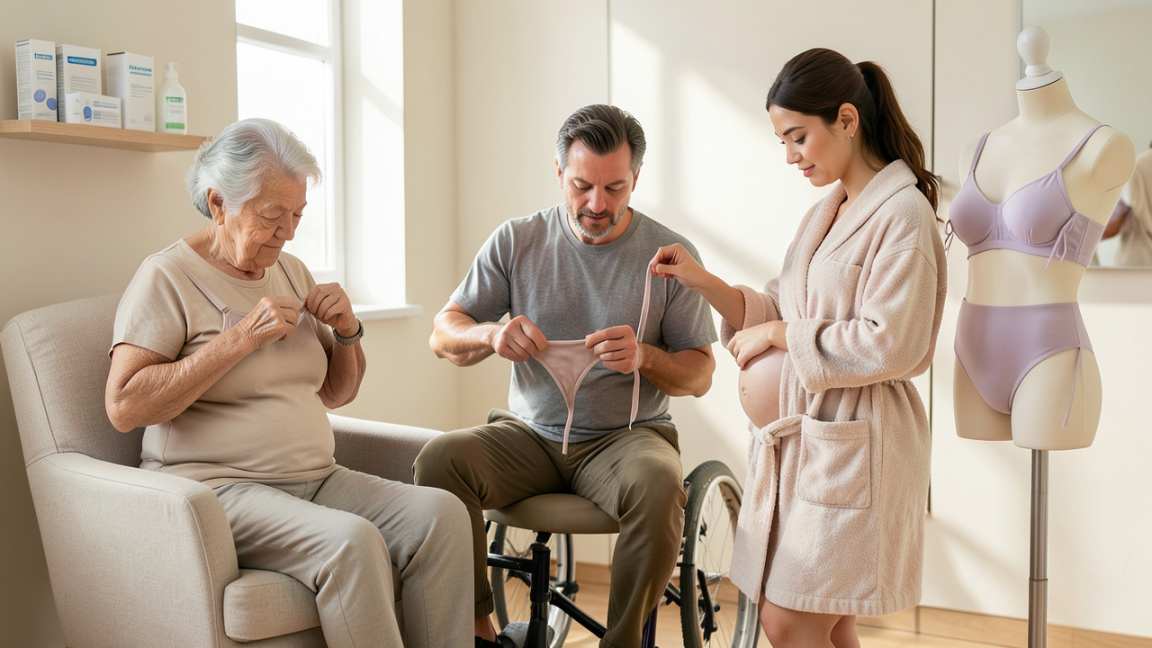
Special-care innerwear serves a wide range of people. It is not limited to one age group or condition. The design features help anyone who struggles with dressing, has specific medical needs, or requires assistance from a caregiver.
Older Adults and Seniors
As people age, dressing can become harder. Arthritis, reduced strength, and limited mobility make buttons, zippers, and tight elastics difficult to manage. According to the, about 1 in 3 adults over 65 experiences some form of disability that affects daily tasks like dressing. Special-care innerwear with velcro or snap closures removes that struggle.
People with Disabilities
Individuals with physical disabilities, spinal cord injuries, stroke recovery, or conditions like multiple sclerosis often need adaptive clothing. Standard underwear can be painful or impossible to put on independently. Classic special-care innerwear is designed for easy on-and-off access, even when seated or lying down.
Post-Surgery Patients
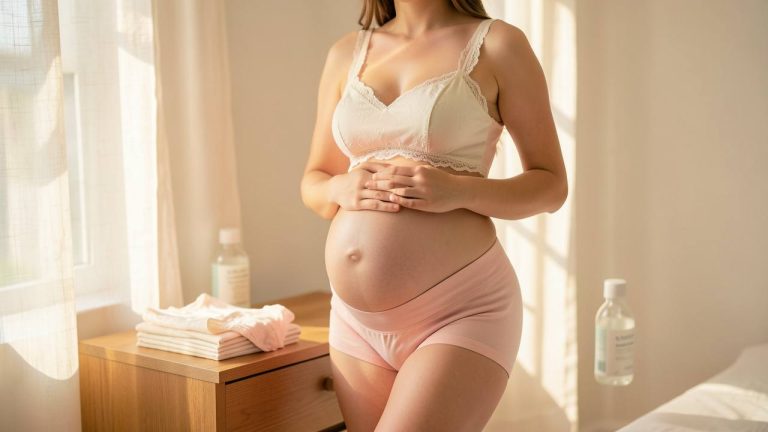
After surgeries – especially abdominal, hip, back, or pelvic procedures – wearing regular underwear can irritate incisions or put pressure on sensitive areas. Post-surgery special-care innerwear uses soft, stretchy fabrics and avoids seams over tender spots. Many designs also include pockets for drainage tubes or ice packs.
People with Incontinence
Incontinence affects millions of adults. According to the, over 25 million American adults experience some form of urinary incontinence. Special-care innerwear designed for this need includes absorbent layers, leak guards, and easy-change features that allow quick swaps without removing all clothing.
Important: Incontinence underwear is not the same as adult diapers. Many modern designs look and feel like normal cotton briefs while providing reliable protection. They help maintain dignity and normalcy.
People with Sensitive Skin or Allergies
Some people react to synthetic fabrics, elastic chemicals, or laundry detergents. Classic special-care innerwear often uses organic cotton, bamboo fiber, or medical-grade materials that minimize irritation. This matters for people with eczema, psoriasis, or contact dermatitis.
Key Features to Look For
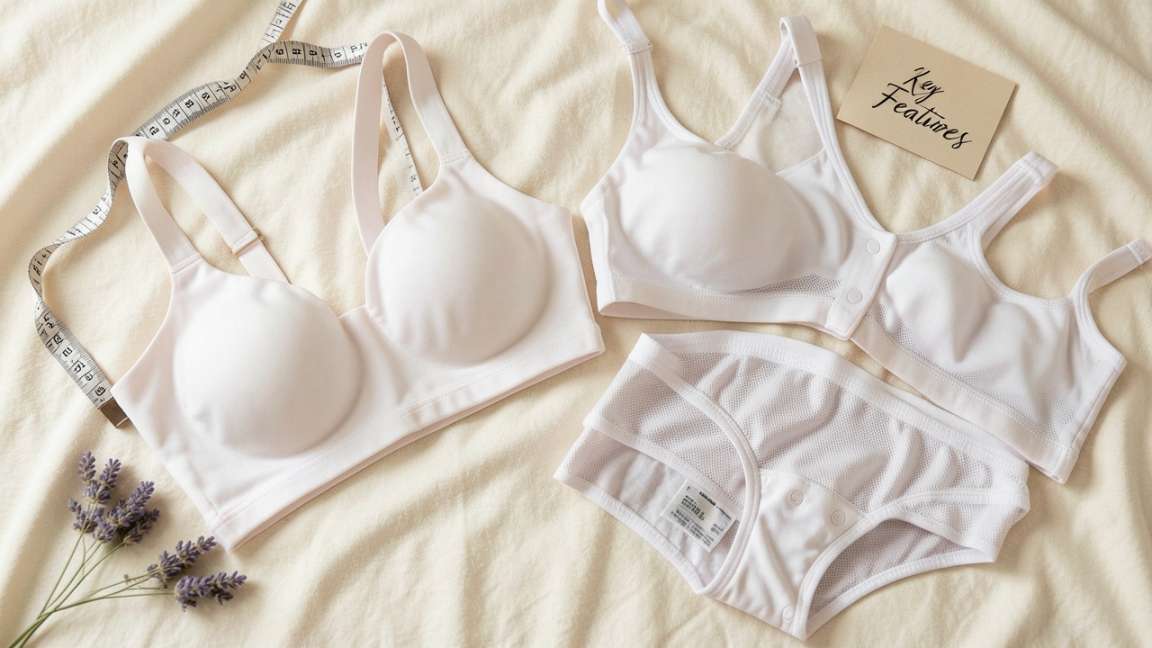
Not all special-care innerwear is the same. The best options share a set of core features that make them safe, comfortable, and practical. Use this comparison table to understand what matters most.
| Feature | What It Does | Who Benefits Most |
|---|---|---|
| Side snaps or velcro closures | Allow easy opening without pulling down | Caregivers, post-surgery, bedridden individuals |
| Flat seams or seamless construction | Reduce friction and pressure on skin | Sensitive skin, wheelchair users, bedridden |
| Moisture-wicking fabric | Draws sweat away from skin | Incontinence, active users, hot climates |
| Absorbent core or leak guard | Provides incontinence protection | Moderate to heavy incontinence |
| Cotton or bamboo fabric | Soft, breathable, hypoallergenic | Sensitive skin, allergies, everyday comfort |
| Stretchy waistband | Easy pull-up without tight pressure | Limited hand strength, arthritis |
Tip: Look for garments that mix two or more of these features. For example, side snaps plus a cotton fabric cover both caregiver needs and skin sensitivity. Prioritize the features that match the user’s main challenge.
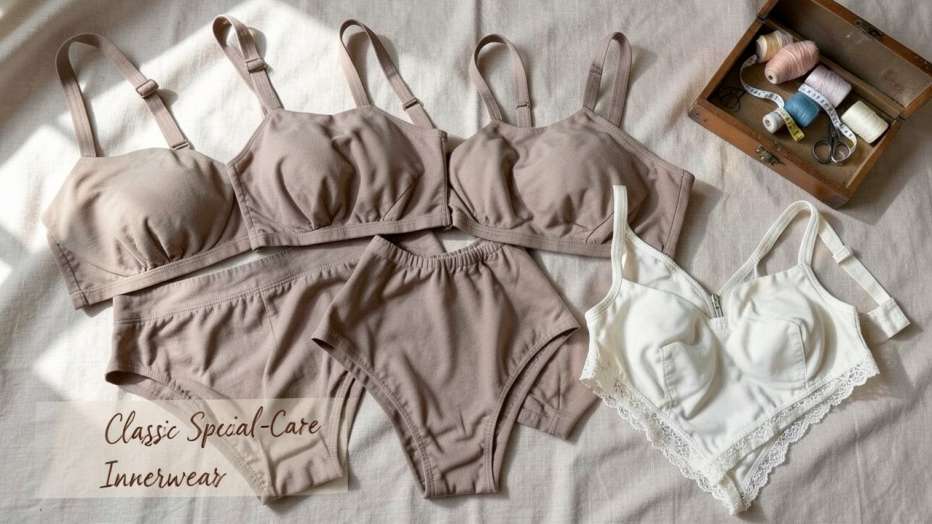
Types of Classic Special-Care Innerwear
The category includes several distinct types. Each serves a different purpose. Knowing the differences helps you pick the right option.
Adaptive Briefs with Side Openings
These look like standard briefs but have snaps or velcro along both side seams. Caregivers can open them fully without moving the person. The person can also wear them while lying down. These are the most common type for daily care.
Post-Surgery Support Underwear
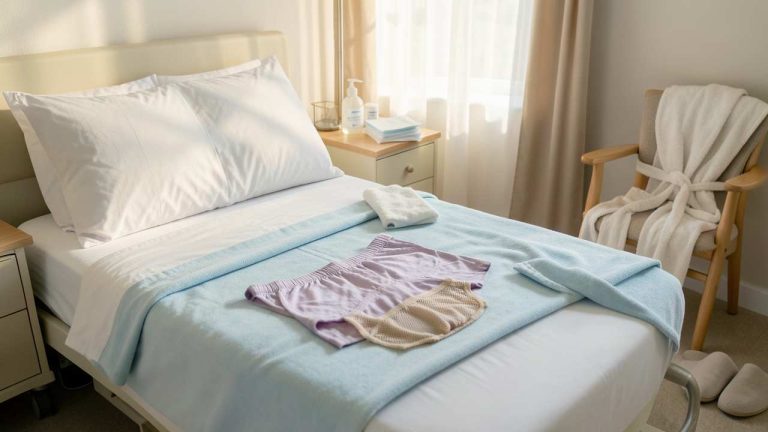
After abdominal, pelvic, or back surgery, patients need gentle compression and no pressure on incisions. Post-surgery underwear is often higher-waisted, made from soft knit fabric, and has front or side openings for easy access. Some designs include pockets for drains or pads.
Incontinence Underwear
Incontinence underwear comes in two main styles. The first is a reusable cloth brief with a built-in absorbent pad. The second is a disposable pull-up style. Both offer leak protection. The reusable cloth options are more eco-friendly and cost-effective over time. The disposable ones offer convenience.
Sensitive Skin and Hypoallergenic Underwear
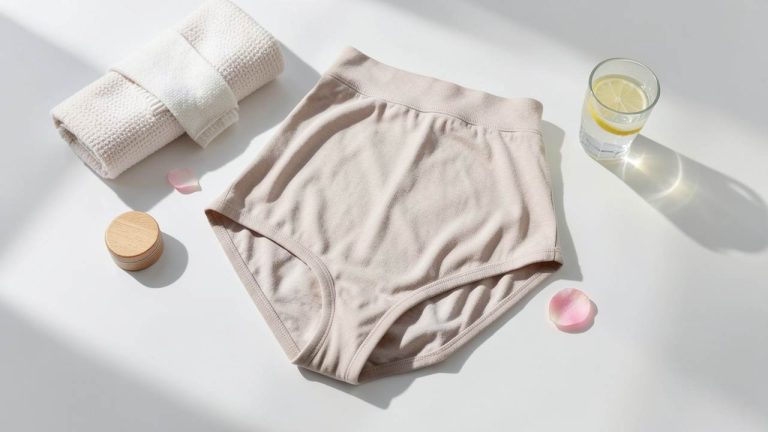
People with eczema, psoriasis, or contact dermatitis need underwear made from pure organic cotton, bamboo, or medical-grade materials. These styles avoid synthetic dyes, latex elastics, and chemical treatments. They have flat or no seams to prevent chafing.
Bra and Underwire Alternatives
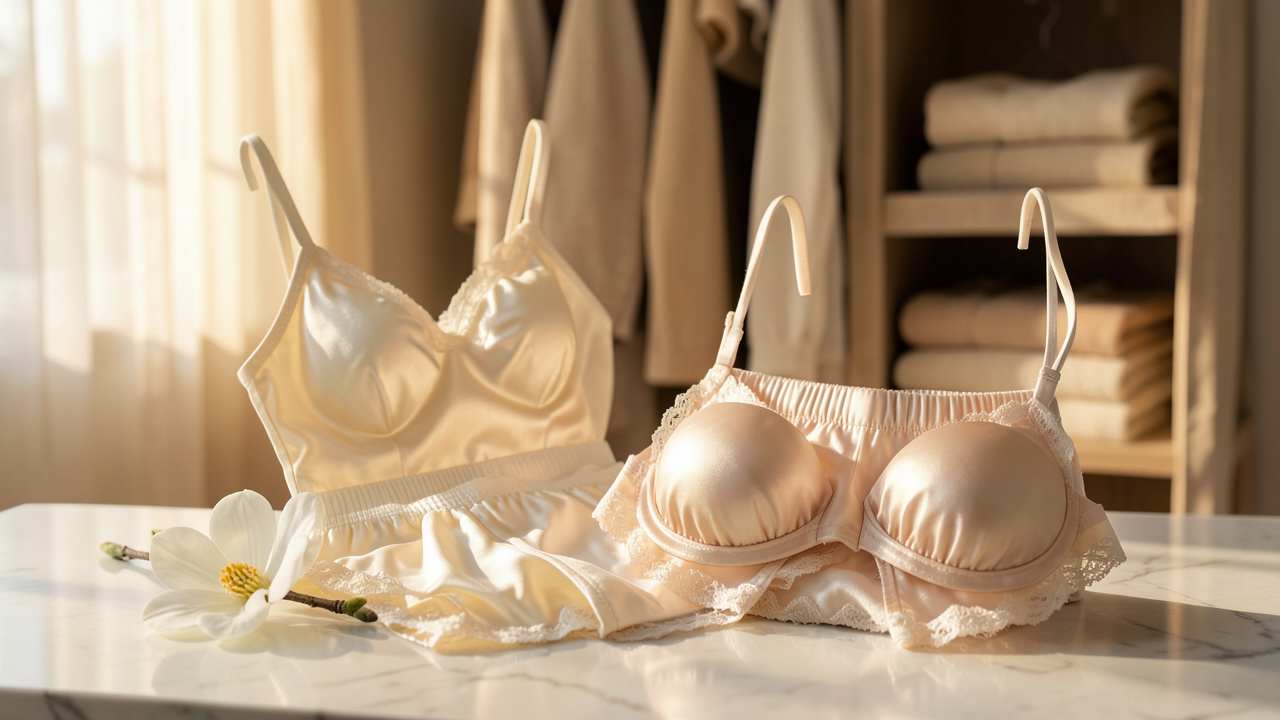
Special-care also includes bras. Front-closure bras, soft bralettes with no underwire, and bras with velcro or magnetic closures make dressing easier for women with limited hand mobility or post-surgery tenderness. These are considered part of the classic special-care innerwear family because they address the same core needs.
Tip: Start with one type that matches the most urgent need. If the person needs help with dressing, choose adaptive briefs with side snaps. If the main issue is incontinence, choose absorbent briefs. You can add other types later.
How to Choose the Right Special-Care Innerwear
Choosing the right classic special-care innerwear requires matching the product to the person. Follow this step-by-step process.
- Identify the primary need. Is the main challenge dressing difficulty, incontinence, post-surgery recovery, or skin sensitivity? Write down the top one or two issues.
- Check the mobility level. Can the person stand and dress independently? Do they need help from a caregiver? Are they bedridden? The level of mobility determines whether side snaps, front closures, or pull-on styles are best.
- Consider fabric preferences. Some people prefer cotton for breathability. Others need moisture-wicking for incontinence. Always choose hypoallergenic options for sensitive skin.
- Measure carefully. Use a soft measuring tape around the waist and hips. Compare measurements to the brand size chart. Special-care innerwear often fits differently than regular underwear because of added closures and absorbent layers.
- Test one product first. Buy a single pair or pack before committing to a larger order. Many brands offer satisfaction guarantees.
| Need | Best Type | Key Feature | Price Range (per pair) |
|---|---|---|---|
| Caregiver-assisted dressing | Adaptive briefs with side snaps | Full side opening | $12 – $25 |
| Post-surgery recovery | Post-surgery briefs and support | Soft stretch, no pressure on incisions | $15 – $30 |
| Incontinence protection | Reusable absorbent briefs | Built-in absorbent pad, leak guard | $18 – $35 |
| Skin sensitivity | Hypoallergenic seamless briefs | Organic cotton, no seams | $10 – $22 |
| Limited hand strength | Front-closure or velcro style | Easy grasp closure | $12 – $25 |
Warning: Avoid underwear with thick elastic bands or rough seams if the user has fragile skin or is bedridden. These can cause pressure sores over time. Always check the inside of the garment for tag placement – tags can rub and irritate.
Benefits of Classic Special-Care Innerwear
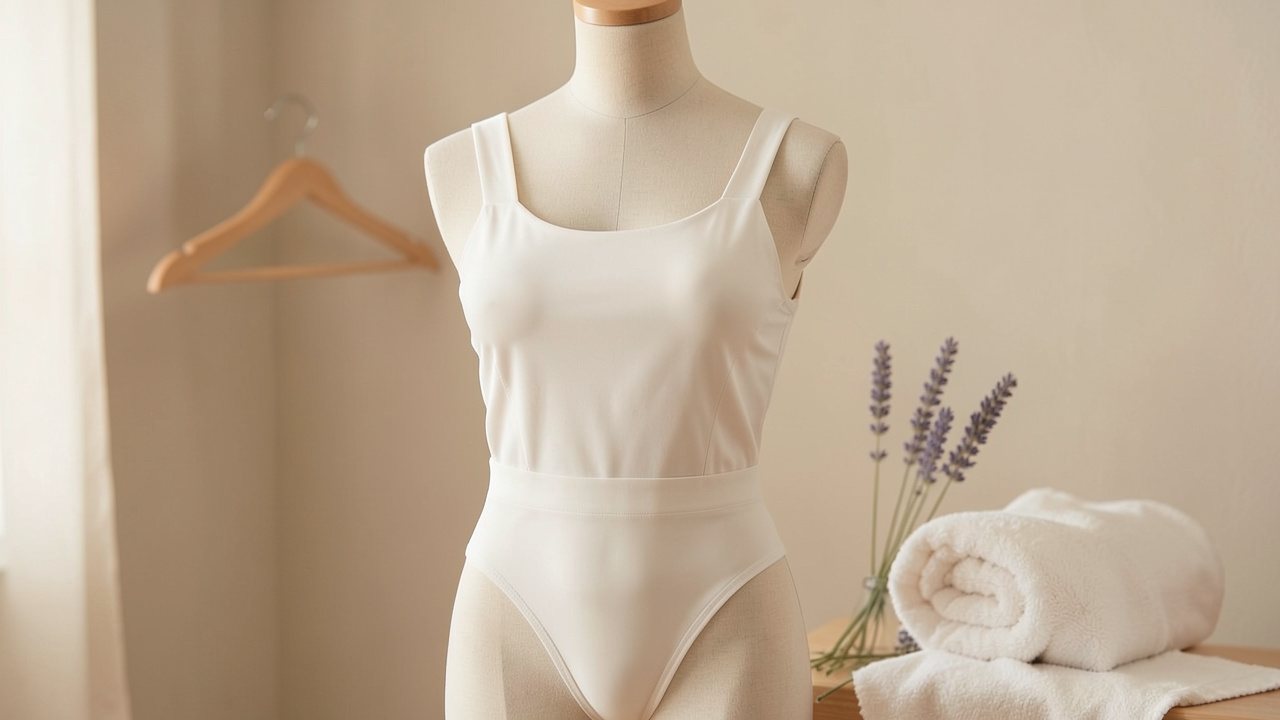
The benefits go beyond just easier dressing. Classic special-care innerwear improves quality of life in several measurable ways.
- Increases independence. People can dress themselves with less or no help, which boosts confidence and reduces reliance on caregivers.
- Reduces caregiver strain. Side snaps and easy-access features make it faster and safer for caregivers to assist, lowering the risk of injury from lifting or straining.
- Prevents skin issues. Soft, breathable fabrics and flat seams reduce friction, moisture buildup, and pressure points. This helps prevent rashes, sores, and infections.
- Supports dignity. Many styles look like regular underwear. People feel less self-conscious and more comfortable in social situations.
- Saves money long-term. Reusable special-care innerwear lasts through many washes. It costs less over time compared to disposable incontinence products.
According to a report from the, nearly 80 percent of older adults want to age in place. Adaptive clothing like special-care innerwear supports that goal by making daily tasks manageable without constant help.
Common Myths vs Facts
There are several misconceptions about special-care innerwear. Here are the three most common ones.
Myth 1: Special-care underwear looks like medical diapers
Fact: Most modern special-care briefs look like regular cotton underwear. Brands prioritize discreet designs. Many styles come in neutral or dark colors and look identical to standard briefs or boxer briefs from the outside.
Myth 2: Only elderly people need adaptive innerwear
Fact: People of all ages use special-care innerwear. Young adults with disabilities, athletes recovering from surgery, new mothers with C-section incisions, and individuals with chronic conditions all benefit. According to the, about 1 in 4 adults in the United States has a disability, and many are under 40.
Myth 3: Adaptive underwear is uncomfortable and unattractive
Fact: Fabric technology has improved significantly. Many special-care garments use soft cotton, bamboo, or microfiber with flat seams and gentle elastics. They are often more comfortable than regular underwear because they avoid tight bands and rough seams. Multiple brands offer stylish cuts and colors.
Frequently Asked Questions
What is the difference between special-care innerwear and regular underwear?
Special-care innerwear is designed with specific features like side snaps, velcro closures, flat seams, absorbent layers, or hypoallergenic fabrics. Regular underwear lacks these adaptations. Special-care innerwear makes dressing easier for people with limited mobility, medical needs, or sensitive skin.
Can special-care innerwear be washed in a regular washing machine?
Yes, most reusable special-care innerwear is machine washable. Use a gentle cycle with cold or warm water. Avoid fabric softeners and bleach, as they can damage moisture-wicking layers and irritate sensitive skin. Air drying is best, but low heat in a dryer is typically fine.
How many pairs of special-care innerwear do I need?
For someone who needs daily use, 5 to 7 pairs is a good starting point. This allows for one pair per day plus a spare for laundry day. For incontinence needs, consider having more pairs to handle changes throughout the day.
Is special-care innerwear covered by insurance or medical aid?
Some insurance plans cover incontinence underwear if prescribed by a doctor. Medicare Part B covers some disposable incontinence supplies under certain conditions. Reusable adaptive briefs are rarely covered. Check with your specific provider. Many people pay out of pocket and claim them as a medical expense on taxes.
What size should I order if the person is between sizes?
Size up. A slightly larger fit is more comfortable, especially for people who are seated for long periods. Tight underwear can dig into the skin, cause discomfort, and increase the risk of pressure sores. Most brands have detailed size guides based on waist and hip measurements.
Important: Always measure the person at the narrowest part of the waist and the widest part of the hips. Use a cloth measuring tape. Do not guess the size based on regular underwear size – adaptive garments fit differently.
Resources and Tools
Silvert’s Adaptive Clothing – A long-established brand offering adaptive briefs, post-surgery underwear, and incontinence options for both men and women.
Comfort Clothing – Specializes in front-closure bras, adaptive briefs, and post-mastectomy garments with soft fabrics and easy closures.
National Institute on Aging – Provides guidance on dressing assistance and adaptive clothing for seniors. Includes practical tips for caregivers.
Caregiver Action Network – Offers resources for family caregivers, including tips on choosing adaptive clothing and managing daily dressing tasks.
Adaptive Clothing Finder – An online search tool that helps users find adaptive clothing brands based on specific needs like mobility level, type of disability, and clothing category.
Final Thoughts
Classic special-care innerwear solves real problems for millions of people. It makes dressing easier, reduces caregiver strain, and protects skin health. Focus on the primary need – whether it is mobility, incontinence, post-surgery recovery, or sensitivity – and pick a garment that directly addresses it. The right underwear can restore comfort and confidence in daily life.