Silk and Lace Pieces: A Complete Guide for Everyday Wear
Silk and lace pieces are practical for everyday wear when chosen with the right fabric blends and silhouettes. Mulberry, Tussar, Eri, and Muga silks each offer different durability and drape, while cotton-backed lace adds comfort for daily use. Investing in neutral tones and pairing these items with denim or tailored pants creates effortless outfits that transition from casual to office or evening.
Silk and lace pieces can transform your daily wardrobe from ordinary to elegant. This guide shows you how to choose, style, and care for these timeless fabrics so you can wear them comfortably in everyday life.
Quick Verdict: In short, silk and lace pieces are not just for special occasions. You can wear them every day by choosing the right fabric blends, cuts, and styling tricks. Start with a silk camisole or a lace-trimmed blouse. Pair them with jeans or tailored pants for a look that feels effortless yet refined.
Key Takeaways
- Silk and lace pieces work well for casual, office, and evening wear when you choose the right silhouette and color.
- Blended fabrics like silk-cotton or lace with cotton backing add durability and comfort for daily use.
- Proper care, including hand washing and air drying, extends the life of your delicate fabric items.
- Mixing silk and lace with casual staples like denim and sneakers creates balanced, wearable outfits.
- Investing in neutral tones like ivory, blush, and black gives you the most versatility across your wardrobe.
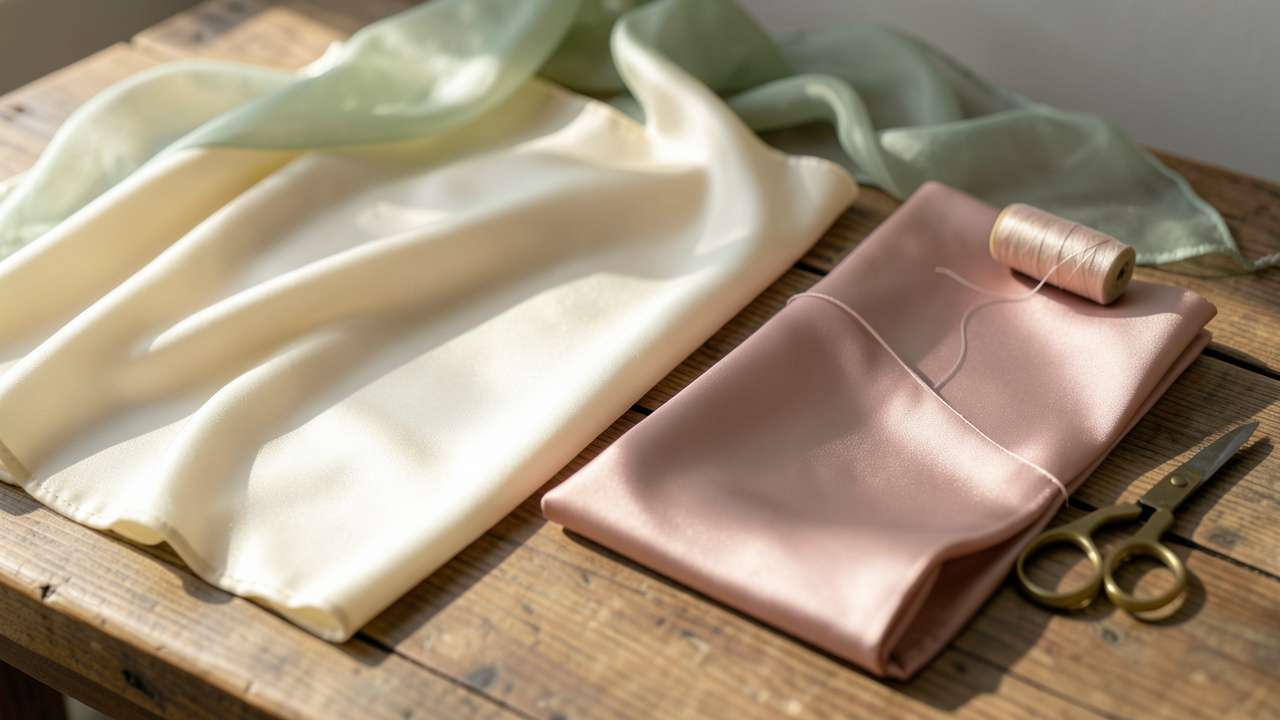
Types of Silk for Everyday Clothing
Not all silk fabrics behave the same way. Some are more durable and easy to care for than others. Understanding the different types helps you pick the best pieces for daily wear.
Mulberry Silk
Mulberry silk is the most common and highest quality type. It comes from silkworms that feed only on mulberry leaves. According to the, mulberry silk accounts for about 90 percent of global silk production. This fiber is smooth, strong, and takes dye well. It works best for blouses, slip dresses, and scarves.
Tussar Silk
Tussar silk comes from wild silkworms. It has a coarser texture and a natural gold or beige color. This type is more breathable and has a slightly rougher feel. Many people find it more practical for daywear because it wrinkles less than mulberry silk.
Eri and Muga Silk
Eri silk, also called Ahimsa silk, comes from silkworms that are not killed during harvesting. It has a wool-like texture and is very warm. Muga silk is a rare variety from India with a golden sheen. Both types are less common but offer unique looks for statement pieces.
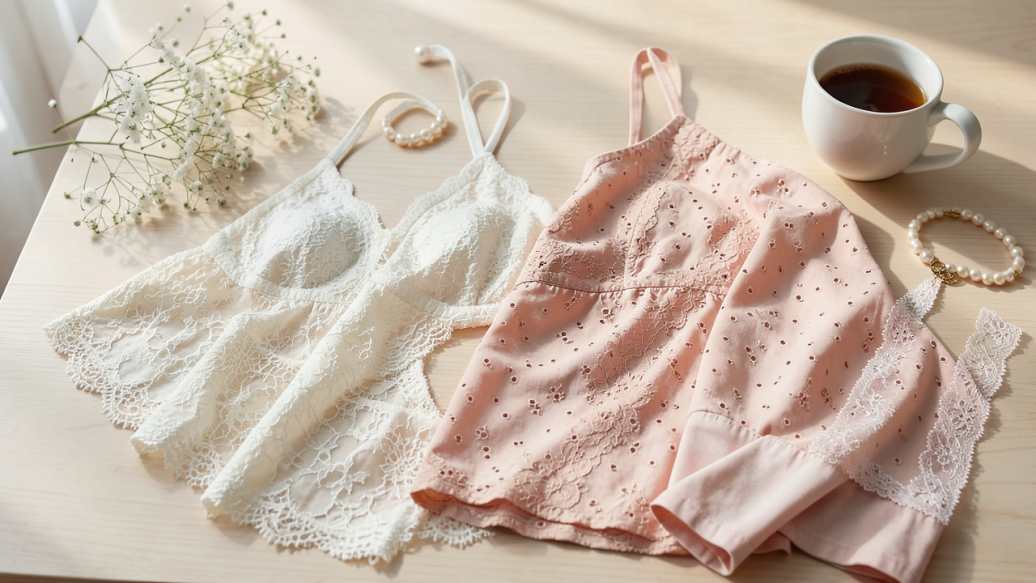
Types of Lace for Everyday Wear
Lace used to be reserved for wedding dresses and formal gowns. Today, designers create lace fabrics that are soft, stretchy, and practical for daily outfits.
- Chantilly lace – Fine, lightweight lace with intricate floral patterns. Best for blouses, overlays, and accessories.
- Guipure lace – A heavier lace with no mesh background. The motifs connect directly. Great for jackets, skirts, and structural pieces.
- Alencon lace – Features corded outlines with a net background. It is more durable than Chantilly and works well for trims.
- Corded lace – Similar to Alencon but with thicker cords. This type holds shape well and is ideal for collars and cuffs.
- Stretch lace – Mixed with elastane or spandex. This type follows the body and works for camisoles, bodysuits, and knitwear.
How to Style Silk and Lace Pieces Every Day
Styling delicate fabrics for daily life does not have to be complicated. The key is balance. Pair a delicate silk blouse with rugged denim. Combine a lace skirt with a simple cotton tee. This contrast prevents your outfit from looking too formal.
Casual Looks
For a relaxed weekend outfit, choose a silk camisole or a lace-trimmed top. Tuck it into high-waisted jeans or linen pants. Add sneakers or flat sandals. A silk and lace pieces combination like a lace overlay on a silk dress works great with a denim jacket.
Office Wear
In professional settings, keep silk and lace subtle. Wear a silk shell top under a blazer. Choose a lace blouse with a modest neckline and pair it with tailored trousers. Stick to solid colors like navy, black, or ivory. Lace details on cuffs or collars add elegance without being distracting.
Evening Outfits
For evenings, go bolder. A silk slip dress with a lace jacket or a full lace top with a silk skirt creates a sophisticated look. Use accessories like a silk scarf or a lace choker to tie the outfit together. Heeled sandals or ankle boots complete the ensemble.
Tip: Start with one silk or lace piece per outfit. Too much delicate fabric at once can look costume-like. A single silk blouse or lace-trimmed cardigan adds elegance without overpowering your look.
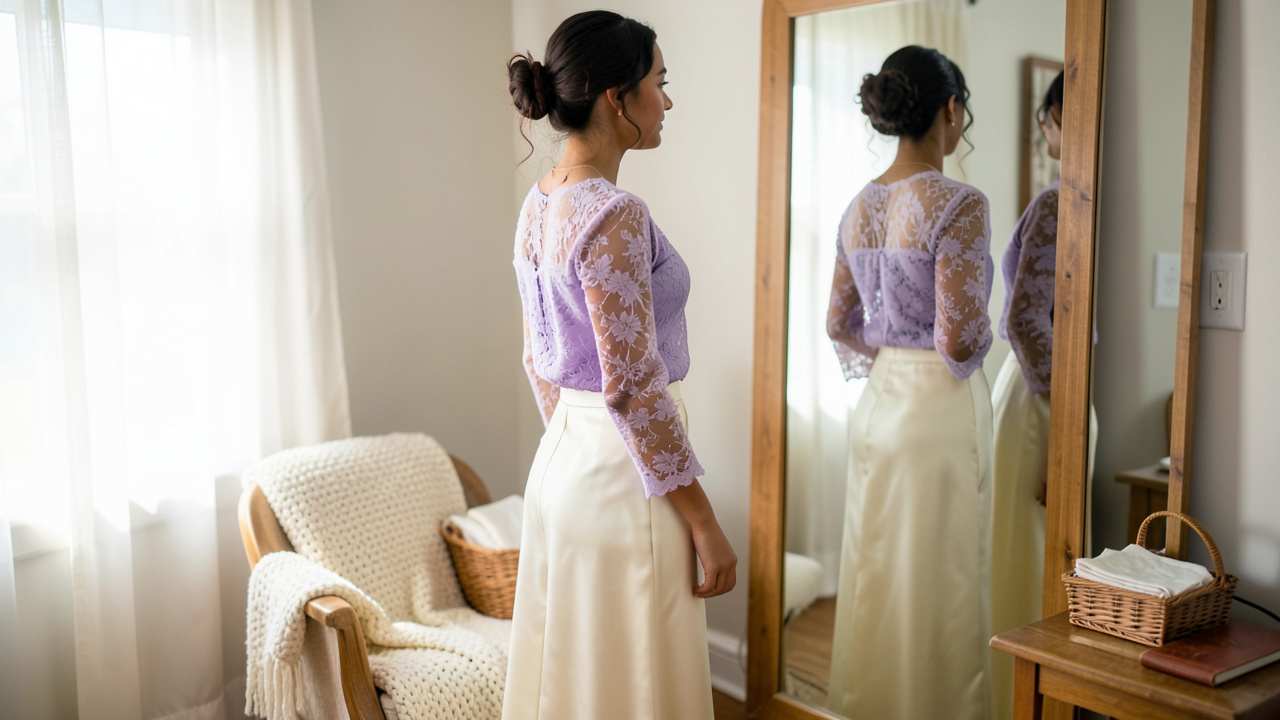
Step-by-Step Process: How to Incorporate Silk and Lace into Your Daily Wardrobe
Follow these steps to build a collection of silk and lace pieces that you can wear on a regular basis.
- Assess your current wardrobe – Identify gaps where silk or lace could elevate your style. Do you need a top for date nights? A work-appropriate blouse?
- Choose versatile colors and cuts – Pick neutral tones and classic silhouettes. A silk tank top in ivory works under blazers or cardigans. A lace midi skirt goes from office to dinner.
- Start with one investment piece – Buy one high-quality silk blouse or lace top first. Wear it several times before adding more. This helps you understand what works for your lifestyle.
- Mix with casual basics – Style your silk or lace piece with everyday items: denim, cotton, wool, or leather. This makes the delicate fabric feel approachable.
- Test for comfort and care – Wear the piece for a full day at home. Check if it feels comfortable and if the care routine fits your schedule. Adjust if needed.
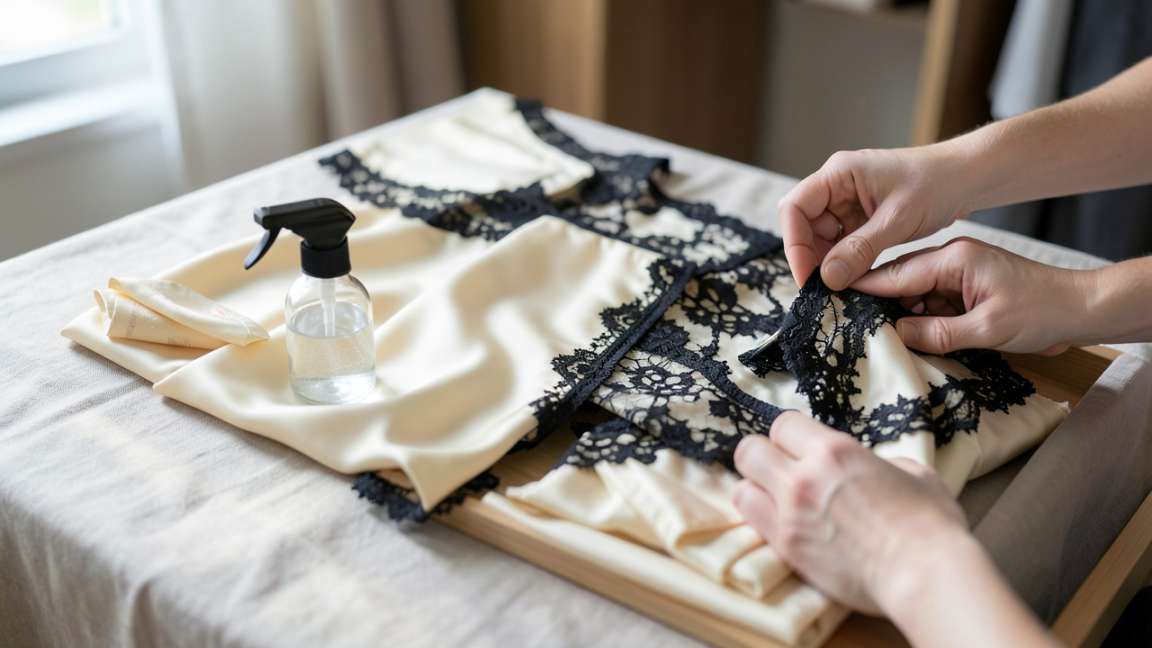
Caring for Silk and Lace Pieces
Delicate fabrics need special care. Improper washing shortens their life. Follow these guidelines to keep your silk and lace looking new.
Washing Silk
Most silk items require hand washing or a delicate cycle. Use cold water and a gentle detergent made for silk. Do not wring or twist the fabric. Roll it in a towel to remove excess water. Air dry away from direct sunlight. According to the, washing silk in hot water can shrink the fibers by up to 15 percent.
Washing Lace
Lace is more fragile than silk. Hand wash lace items in cool water with mild soap. Do not scrub the fabric. Soak for 5 to 10 minutes and rinse gently. Lay flat on a drying rack. Never hang wet lace, as the weight can stretch the fibers.
Storing Delicate Fabrics
Store silk and lace pieces in a cool, dry place. Use padded hangers for silk blouses to prevent shoulder dimples. Fold lace items in acid-free tissue paper to avoid snags. Keep them away from direct light to prevent yellowing.
| Fabric | Wash Method | Drying | Storing |
|---|---|---|---|
| Mulberry silk | Hand wash cold or dry clean | Air dry flat, no direct sun | Padded hanger or fold |
| Tussar silk | Hand wash or gentle cycle | Air dry flat | Fold with tissue paper |
| Chantilly lace | Hand wash cool, mild soap | Lay flat, reshape while damp | Fold in acid-free paper |
| Stretch lace | Machine wash delicate bag | Air dry flat | Fold or hang |
Common Myths vs Facts About Silk and Lace
Many people avoid silk and lace because of common misunderstandings. Here are three myths and the truth behind them.
Myth 1: Silk is too delicate for daily wear
Many modern silk pieces are made from charmeuse or crepe de chine, which are sturdy enough for regular use. Choosing a slightly thicker weight like 19 momme or higher gives you a durable fabric that still feels luxurious.
Myth 2: Lace is only for formal events
Cotton lace and stretch lace are soft and casual. You can wear a lace cardigan over a t-shirt or a lace-trimmed dress with sandals. The key is the cut and color – not the fabric itself.
Myth 3: Silk and lace require expensive dry cleaning
While dry cleaning is safe, many silk and lace items are machine washable on a gentle cycle. Always check the care label. Hand washing with a delicate detergent works for most pieces and costs you nothing extra.

Pro Tips for Wearing Silk and Lace Pieces
Use these expert tips to get the most out of your delicate fabric items.
- Layer a lace top under a blazer or cardigan to show only hints of texture. This works well in conservative offices.
- Choose darker colors like navy or charcoal for your first silk purchase. They hide minor stains and look professional.
- Invest in a fabric shaver to remove pills from silk blends. This keeps your pieces looking fresh longer.
- Store lace pieces flat in a drawer. Hanging can stretch the fabric and ruin the shape over time.
- Wear a nude slip under lace dresses to create a smooth silhouette and prevent sheerness from being distracting.
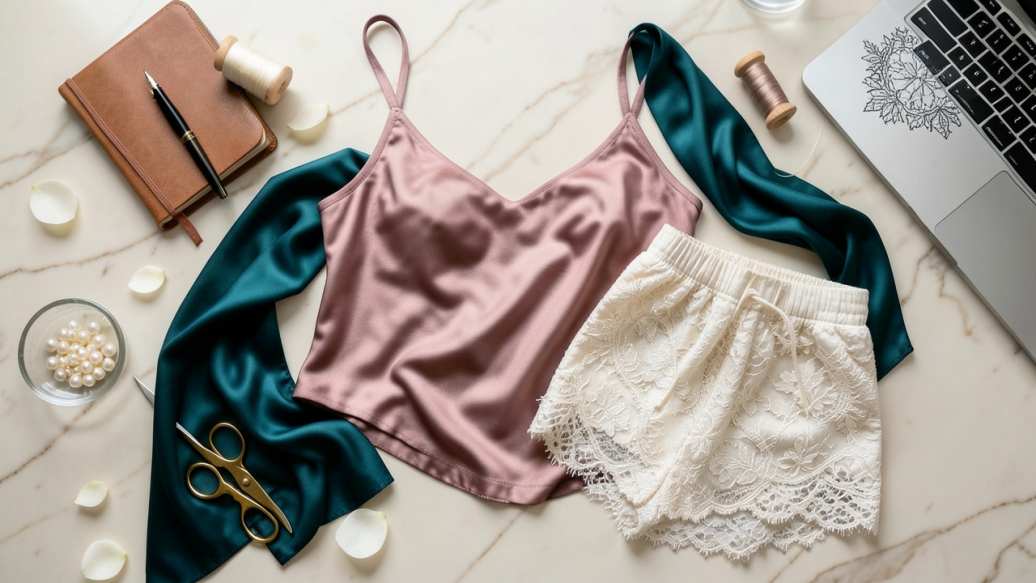
Resources and Tools
Here are tools and brands to help you find, care for, and style your silk and lace pieces.
- Silk20 – A brand that sells machine-washable silk blouses and dresses.
- Lace & Liberty – Offers lace tops, skirts, and accessories designed for daily wear.
- The Laundress Delicate Wash – A gentle detergent safe for silk and lace.
- Fabric Shaver by Conair – Removes fuzz and pills from silk blends.
- Threads Magazine – Offers tips for sewing and repairing silk and lace.
Frequently Asked Questions
Can you wear silk and lace in summer?
Yes. Silk is naturally breathable and wicks moisture away from the skin. Lightweight lace like Chantilly or eyelet lace is also cool for hot weather. Choose sleeveless cuts and light colors to stay comfortable.
How do you remove odor from silk without washing?
Hang the silk piece in a bathroom while you take a hot shower. The steam helps release odors. You can also use a fabric spray made for delicate fabrics. Avoid perfume directly on silk because alcohol can damage the fibers.
What is the best way to iron silk and lace?
Use the lowest heat setting on your iron. Place a pressing cloth between the iron and the fabric. For lace, iron on the reverse side. Never use steam on silk directly because water spots can form.
Can you machine dry silk or lace?
No. Machine drying is too harsh for both fabrics. It causes shrinkage in silk and can melt or distort lace fibers. Always air dry flat or hang in a well-ventilated area away from heat sources.
How many silk and lace pieces should you own for a capsule wardrobe?
Start with three pieces: one silk blouse, one lace top or cardigan, and one silk scarf or lace accessory. These items mix well with your existing basics and give you many outfit combinations.
Final Thoughts
Silk and lace pieces deserve a spot in your everyday wardrobe. Focus on quality over quantity and choose versatile colors and cuts. With proper care and smart styling, you can enjoy these elegant fabrics without feeling overdressed or high-maintenance. Start small, and let your confidence grow with each outfit.