Cedar and Moth Protection for Drawers: A Complete Guide
Cedar provides natural moth protection for drawers by releasing aromatic compounds called phytoncides that repel adult moths and kill their larvae on contact. Solid cedar blocks should be sanded every three to six months to restore their scent and effectiveness, while cedar liners and rings offer convenient alternatives that require more frequent replacement. Combining cedar placement with regular cleaning and vacuuming of drawers helps prevent infestations, and cedar remains safe for use around children and pets in enclosed spaces.
Moths can ruin your favorite wool sweaters and silk scarves in days. Cedar offers a natural, chemical-free way to keep them out of your drawers.
In short, cedar blocks and cedar oil release natural compounds that repel moths and kill their larvae. When placed in drawers, these products create a protective barrier for your wool, cashmere, and silk clothing. Refresh cedar every 3 to 6 months by sanding surfaces or reapplying oil for best results.
Key Takeaways
- Cedar blocks and oil release natural aromatic compounds called phytoncides that repel adult moths and kill moth larvae on contact.
- You need to sand solid cedar blocks every 3 to 6 months to restore their scent and effectiveness against moths.
- Cedar liners and cedar rings offer convenient drawer protection but need replacement more often than solid blocks.
- Combine cedar with regular cleaning and vacuuming to prevent moth infestations from taking hold in your drawers.
- Cedar is safe for use around children and pets when kept in enclosed spaces like drawers and closets.
How Cedar Works Against Moths
Cedar contains natural oils that release volatile compounds into the air. These compounds, known as phytoncides, create an environment that moths avoid.
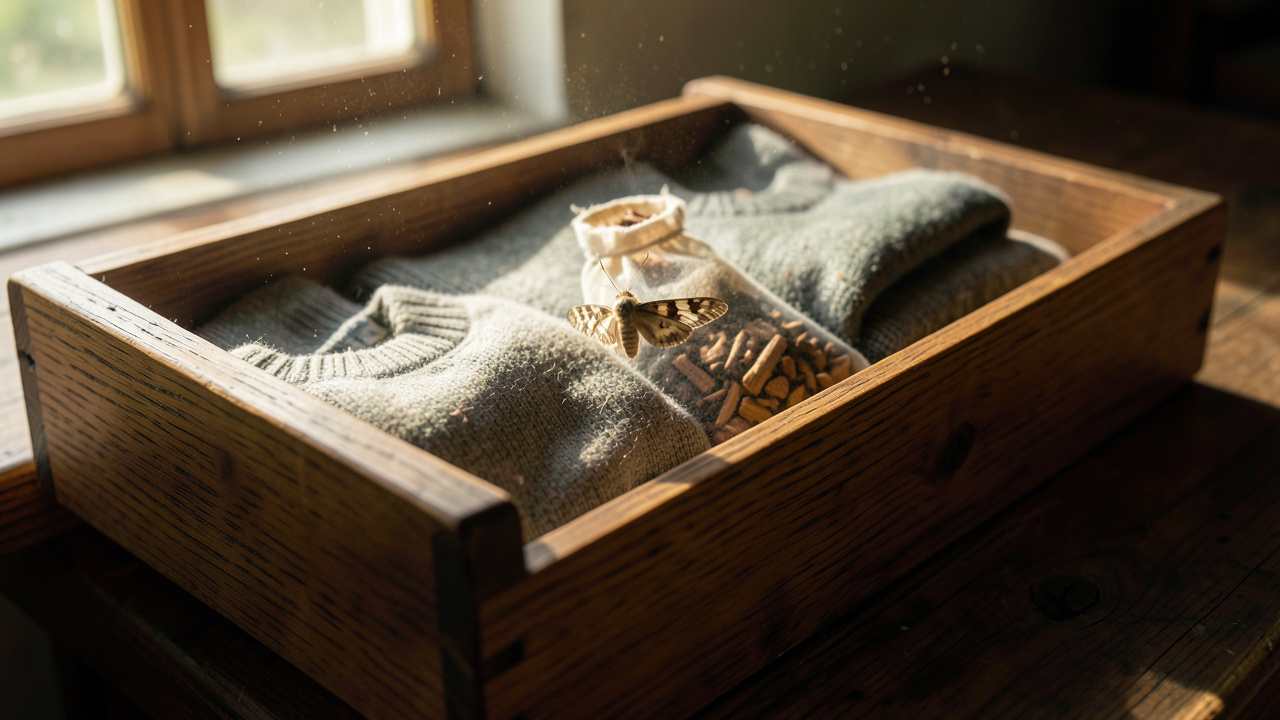
Adult moths breathe in these compounds and become disoriented. The larvae, which actually eat your fabrics, die when they come into direct contact with cedar oil.
According to the, clothes moths cause over $500 million in damage to fabrics each year in the United States. The reports that fabric pests rank among the top five household pest issues that professionals handle.
Important: Cedar does not kill moths instantly. The compounds work slowly over time. For severe infestations, combine cedar with thorough cleaning and freezing of affected items.
Eastern red cedar and aromatic cedar are the two species used for moth protection. Both contain high levels of the oils that repel pests. The recommends cedar as a natural alternative to chemical mothballs for protecting heirloom textiles.

Types of Cedar Products for Drawers
You have several options for adding cedar to your drawers. Each type offers different benefits and drawbacks.
Here is a breakdown of the most common products available.
| Product Type | Best For | Lifespan | Cost Range |
|---|---|---|---|
| Solid Cedar Blocks | Long-term protection in large drawers | 2-3 years with sanding | $8-$25 per set |
| Cedar Balls | Small drawers and tight spaces | 1-2 years with sanding | $5-$12 per bag |
| Cedar Rings | Hanging clothes above drawers | 1-2 years | $6-$15 per pack |
| Cedar Liners | Full drawer coverage | 6-12 months | $10-$30 per roll |
| Cedar Oil | Refreshing existing cedar products | 3-6 months per application | $8-$15 per bottle |
Solid cedar blocks provide the longest-lasting protection. You can sand them to refresh the scent. Cedar balls work well in small spaces like jewelry drawers or sock organizers.
Cedar liners give full coverage but need replacement more often. Cedar oil lets you refresh older blocks without buying new ones. Choose based on your drawer size and budget.
How to Use Cedar in Drawers
Follow these steps to set up cedar and moth protection for drawers in your home.
Step 1 – Clean Your Drawers
Remove all items from the drawer. Vacuum the inside thoroughly, paying attention to corners and crevices. Wipe down all surfaces with a mild soap and water solution. Let the drawer dry completely before adding cedar.
Tip: Vacuum the back corners of your drawers where lint and dust accumulate. Moth larvae hide in these spots and feed on organic debris.
Step 2 – Inspect Your Clothing
Check each item for signs of moth damage. Look for small holes, shed skins, or webbing. If you find an infested item, seal it in a plastic bag and freeze it for 72 hours to kill larvae and eggs.
Step 3 – Place Cedar Products
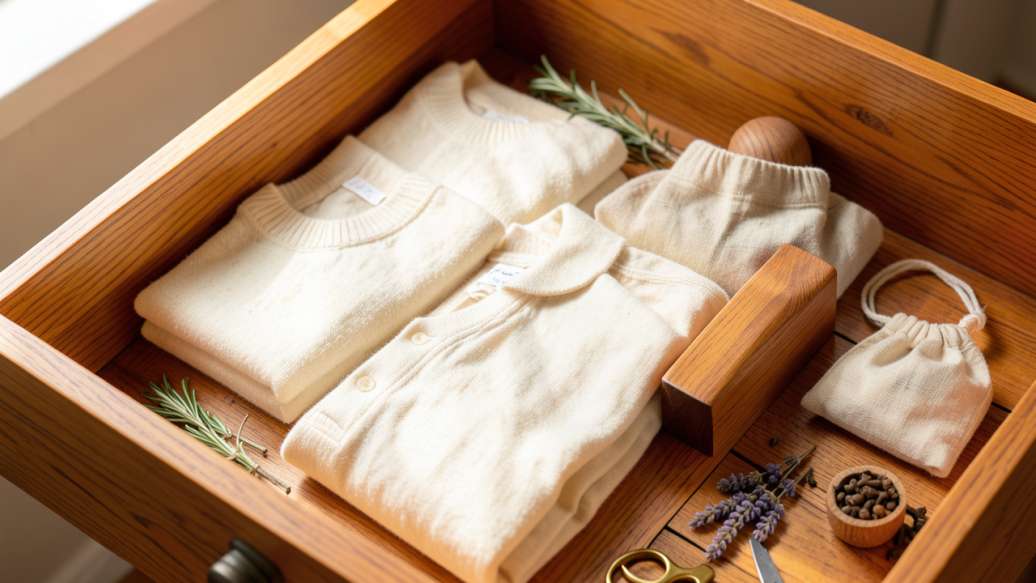
Spread solid cedar blocks or balls evenly across the drawer floor. Use one block for every square foot of drawer space. Place them near the back and front edges for balanced coverage.
For cedar liners, cut the liner to fit the drawer bottom and lay it flat. For cedar oil, apply 5 to 10 drops to a cloth or directly onto a cedar block.
Step 4 – Arrange Your Clothing
Fold and place your items back in the drawer. Keep cedar blocks visible so you remember to refresh them. Avoid overstuffing the drawer. Air circulation helps the cedar compounds spread.
Step 5 – Refresh Every 3-6 Months
Check the scent of your cedar products every three months. If you cannot smell the cedar when you open the drawer, it is time to refresh. Sand solid blocks with fine-grit sandpaper until the surface looks fresh. Reapply cedar oil to blocks or liners as needed.
Costs and Timeline
Getting started with cedar protection costs less than replacing a single cashmere sweater. Here is what you can expect to spend.
| Expense | Cost | Frequency |
|---|---|---|
| Initial cedar block set (6-8 blocks) | $10-$25 | One-time purchase, lasts years |
| Fine-grit sandpaper | $3-$5 per pack | Every 6 months |
| Cedar oil refill bottle | $8-$15 | Every 6-12 months |
| Cedar liner (one-time) | $10-$30 per roll | Every 12 months |
The total yearly cost for maintaining cedar protection in 5 to 10 drawers runs between $15 and $40. That is less than the cost of one dry cleaning visit for a damaged garment.
You will spend about 10 minutes every three months sanding blocks and reapplying oil. The time investment is minimal compared to the cost of replacing moth-damaged clothing.

Common Myths vs Facts
Many people misunderstand how cedar works for moth control. Here are the most common myths and the real facts.
Myth: Cedar kills moths instantly
Cedar compounds repel adult moths and kill larvae over time. The process takes hours to days, not seconds. Cedar creates an environment that moths avoid, but it does not act as a fast poison. For immediate action, use freezing or heat treatment on infested items.
Myth: One cedar block lasts forever
Cedar loses its potency as the oils evaporate over time. The scent fades within 3 to 6 months in most drawers. You must sand the surface or apply fresh oil to restore effectiveness. A block that no longer smells like cedar offers no moth protection.
Myth: All types of cedar work equally well
Only Eastern red cedar and aromatic cedar contain high levels of the compounds that repel moths. Other cedar varieties like white cedar or incense cedar have lower oil content. Always check the label to confirm you are buying aromatic cedar for moth control.
Pro Tips
Use these expert tips to get the best results from your cedar drawer protection.
- Sand blocks before storing seasonal clothes. When you switch your wardrobe between seasons, sand your cedar blocks first. Fresh scent maximizes protection during the months clothes stay untouched.
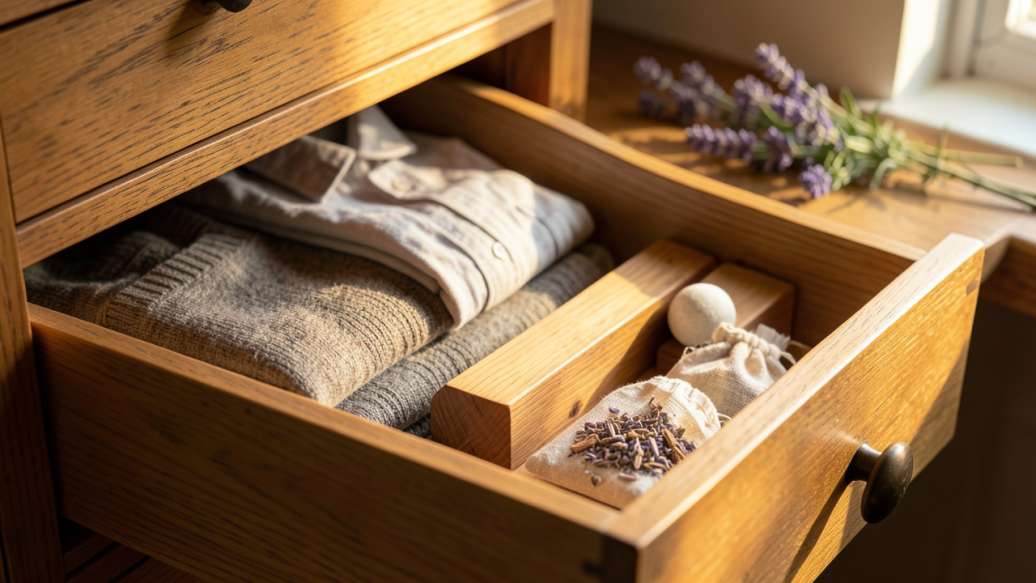
- Combine cedar with lavender sachets. Lavender oil also repels moths and adds a pleasant scent. Place small lavender sachets between layers of clothing alongside your cedar blocks.
- Store cedar blocks in zippered pouches. If you store off-season clothes in plastic bins, put cedar blocks inside mesh bags or pouches. This keeps the scent contained and effective.
- Rotate blocks between drawers. Move blocks from less-used drawers to high-risk drawers every few months. This extends the life of your cedar products while keeping protection where you need it most.
- Mark your calendar for refresh reminders. Set a reminder every 3 months to check the scent of your cedar. Consistent maintenance makes the difference between protection and damage.
Tip: Store cedar blocks in a sealed jar with a few drops of cedar oil when not in use. This keeps them fresh and extends their lifespan between sanding sessions.

Resources and Tools
Here are trusted resources and tools to help you set up cedar and moth protection for drawers in your home.
- Cedar blocks set – A pack of 8 to 12 solid aromatic cedar blocks for multiple drawers.
- Cedar oil refill – 100% pure cedar oil for refreshing blocks and liners.
- Fine-grit sandpaper – 220-grit sandpaper for sanding cedar surfaces.
- Cedar liners – Pre-cut cedar liner rolls for lining drawer bottoms.
- Lavender sachets – Dried lavender bags for complementary moth repellent.
- Clothes moth identification guide – Free resource from the University of Kentucky for identifying webbing and casemaking clothes moths.
Frequently Asked Questions
How often should I replace cedar blocks?
Solid cedar blocks last 2 to 3 years with regular sanding every 3 to 6 months. Replace them when the block becomes brittle, cracked, or no longer produces a strong scent after sanding and oiling.
Does cedar oil work for moth protection?
Yes, pure cedar oil works well for moth protection. Apply 5 to 10 drops to a cedar block, a cloth, or a small wooden disc and place it in the drawer. The oil releases the same volatile compounds that repel moths.
Can I use cedar with other moth repellents?
Yes, cedar works well with other natural repellents like lavender, rosemary, and thyme. Avoid using cedar with chemical mothballs, as the combination can create unwanted fumes and reduce the effectiveness of both products.
How do I know if I have a moth infestation?
Look for small holes in wool, cashmere, silk, or fur items. Check for shed skins that look like tiny white grains of rice. Webbing on fabric surfaces or adult moths flying around your closets and drawers also signal an active infestation.
Does cedar work for all types of moths?
Cedar primarily targets webbing clothes moths and casemaking clothes moths, which are the species that damage fabrics. It is less effective against pantry moths and other species that infest food products.
Final Thoughts
Cedar gives you a natural, affordable way to protect your clothing from moth damage. Choose solid blocks for long-lasting protection and refresh them every few months by sanding or oiling. Pair cedar with regular cleaning and seasonal maintenance to keep your drawers safe all year.