Practical Innerwear Storage for All-Day Wear: A Complete Guide
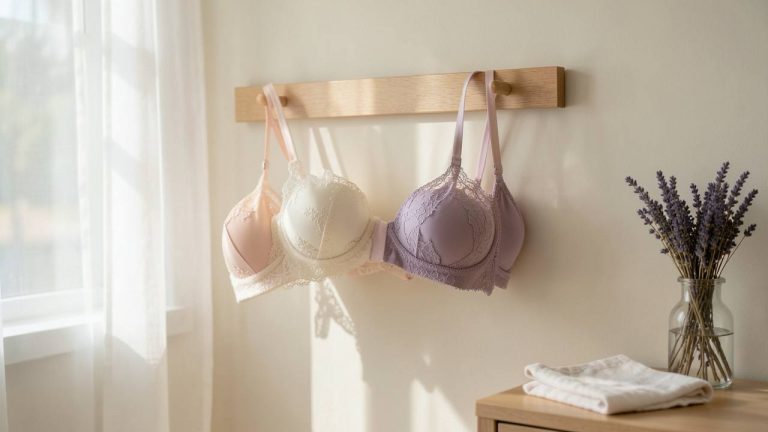
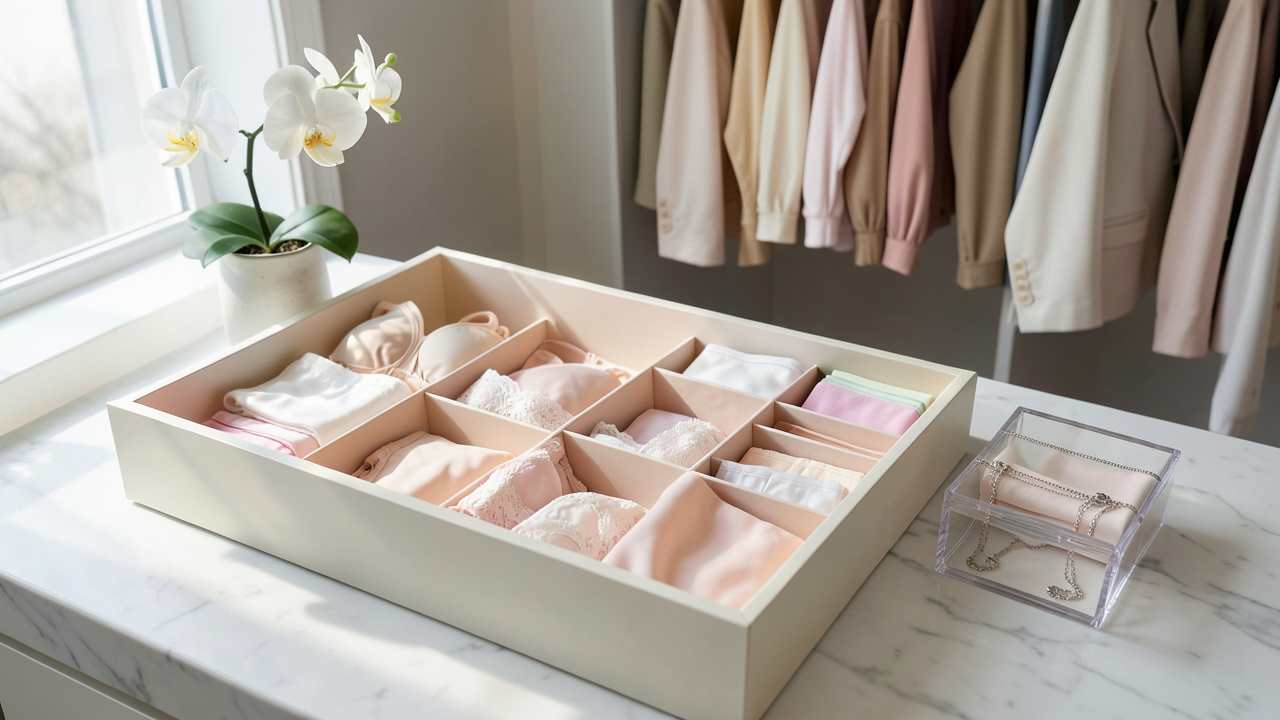
Practical innerwear storage for all-day wear means folding bras with cups nested, rolling socks and underwear into compact bundles, and hanging or loosely folding shapewear to maintain support. Drawer dividers keep each item separated and easily accessible while preventing shifting that distorts shape, extending garment life by up to 50 percent. This organized approach eliminates tangled straps and mismatched pairs during a morning rush.
A messy drawer full of tangled straps and mismatched socks steals time from your morning. This guide shows you how to store bras, underwear, socks, and shapewear so they stay fresh and keep their shape for years.
Quick Verdict: Practical innerwear storage relies on three core rules: fold bras flat with cups nested, roll socks and underwear into bundles, and hang or loosely fold shapewear. Using drawer dividers keeps everything separated and easy to reach. A well-organized drawer extends garment life by up to 50 percent.
Key Takeaways
- Storing bras correctly by not folding the cups preserves their elasticity and structural support for months longer than tossing them in a drawer.
- Rolling socks and underwear into small bundles saves significant drawer space and makes it easy to see all your options at a glance.
- Using drawer dividers or modular organizers prevents innerwear from shifting around and becoming misshapen during daily use.
- Shapewear should be folded loosely or hung to avoid damaging the compression panels that provide its smoothing effect.
- Regular decluttering of worn-out innerwear keeps your storage system functional and ensures you only keep pieces you actually wear.
What Makes Innerwear Storage Different from Regular Clothing Storage?
Innerwear contains delicate fabrics, elastic bands, and molded shapes that standard folding methods damage. According to a survey by the, the average person owns about 20 pairs of underwear but rotates through only 7 to 10 regularly. That means most pieces sit untouched for weeks. Poor storage accelerates wear on those unused garments.
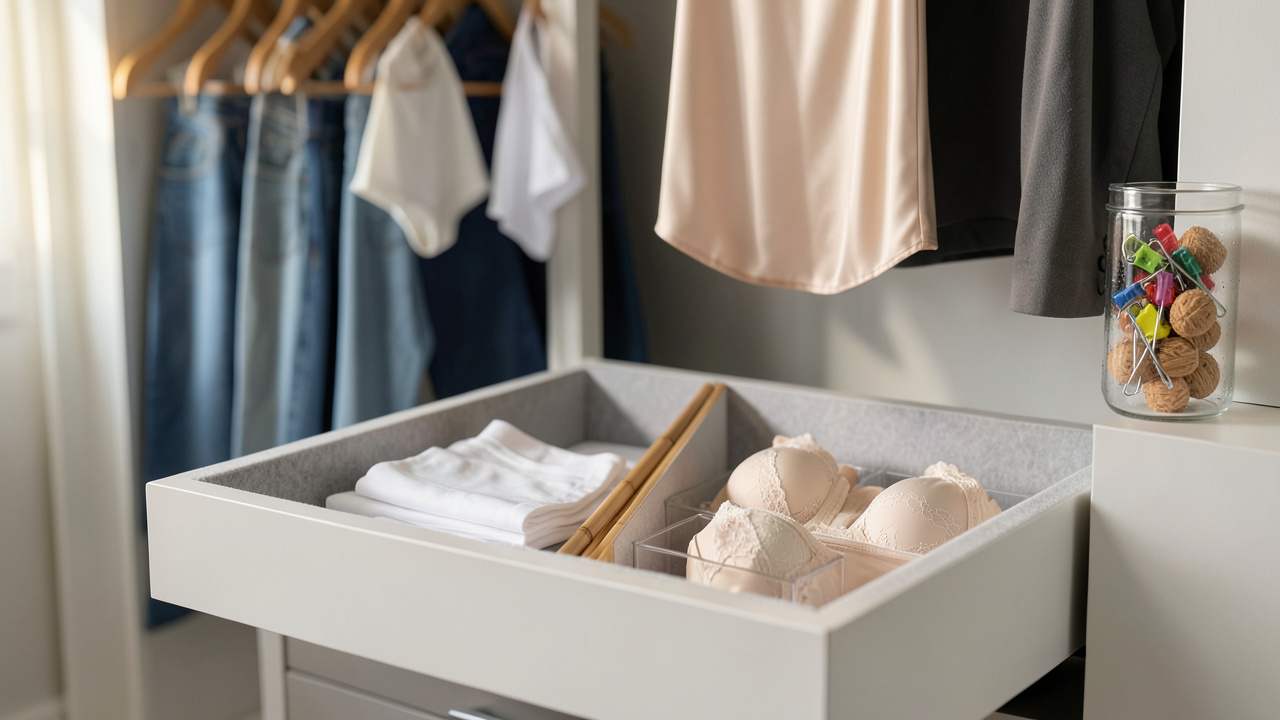
T-shirts and jeans handle being stacked or hung without issue. Bras with underwire lose their curve when folded in half. Shapewear compression panels break down under heavy objects. Socks stretch out when balled up loosely. Delicate lace snags on rough drawer surfaces. These problems do not happen with regular clothes.
The main difference comes down to structure. Many innerwear items rely on shape memory. They need space to breathe. They also touch your skin directly. That makes freshness and fabric care a top priority.
Important: A study by the University of Texas found that properly stored garments can last up to 4 times longer than those crammed into crowded drawers. The way you fold your underwear directly affects how often you need to replace it.
How to Sort and Declutter Your Innerwear Drawer Before Organizing
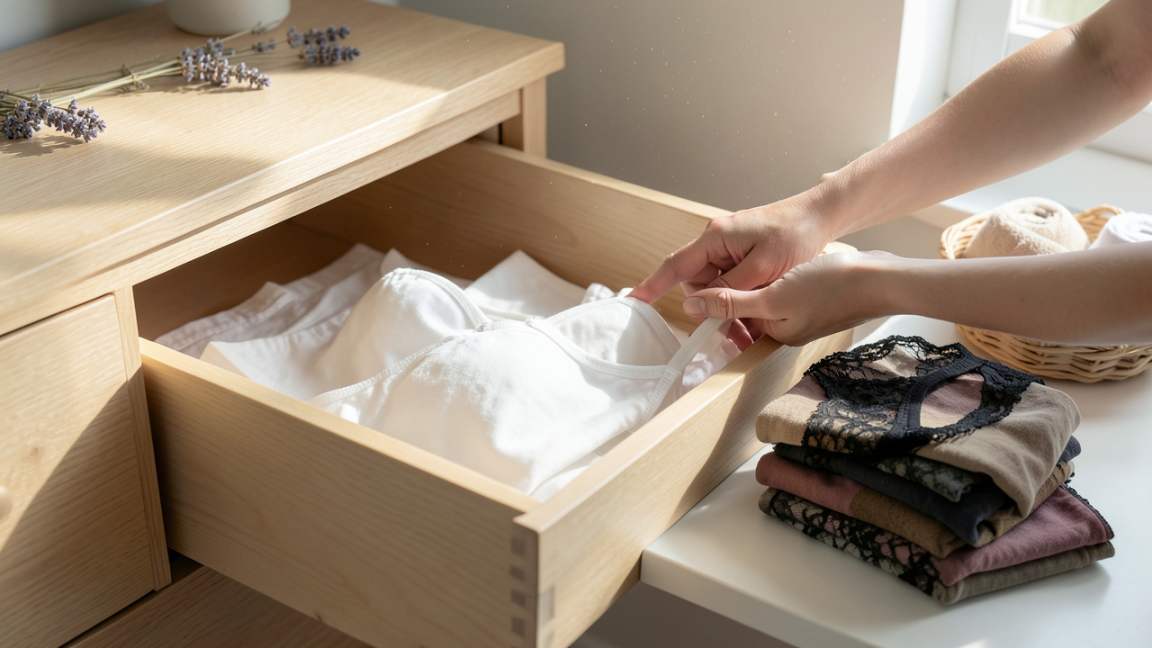
You cannot organize what you do not use. Start with a full drawer purge. Take everything out and lay it on your bed. Group items by type: bras, underwear, socks, shapewear, and loungewear. This gives you a complete picture of what you own.
Check each piece for damage. Stretched elastic, broken straps, and frayed seams mean it is time to let go. The suggests holding each item and asking if it sparks joy. For innerwear, ask if it fits well and feels comfortable against your skin.
- Remove everything from your drawer and wipe the inside with a damp cloth.
- Sort into four piles: keep, repair, donate, and discard. Be honest about what you actually wear.
- Check elastic bands for signs of stretching. A loose band means the garment no longer provides proper support.
- Inspect fabric for pilling or thinning. These are signs that the material is breaking down.
- Count your socks. Throw away any singles that have not had a match in three months.
Industry data from the shows that sock sales have declined as people throw away mismatched pairs. A good storage system prevents this waste. When you roll socks together, you never lose a partner.
The Best Folding and Storage Methods for Each Type
Each innerwear type needs a specific approach. Using the wrong method shortens the life of your garments. This table shows the best way to store each category and the common mistakes people make.
| Innerwear Type | Best Storage Method | Common Mistake | Lifespan Impact |
|---|---|---|---|
| Bras (Padded) | Stacked flat, cups nested | Folding cups in half | -60 percent |
| Bras (Soft / Bralette) | Folded in thirds or hung | Cramming into a drawer | -40 percent |
| Underwear (Cotton) | Rolled or folded into squares | Stuffing into a drawer | +40 percent |
| Socks | Rolled into a ball | Balling them loosely | +30 percent |
| Shapewear | Hung or loosely folded | Cramming into a tight spot | -50 percent |
Step-by-Step Folding Techniques for Lasting Shape
Mastering the right fold for each item takes less than a minute per piece. Once you learn the method, you can organize a full drawer in under ten minutes.
How to Fold and Store Bras for Maximum Support
The reports that over 80 percent of women are wearing the wrong bra size, often because poor storage deforms the band and cups. Bras need gentle handling to keep their shape.
- Fasten the hook and eye closure to keep the band flat and prevent snagging on other items.
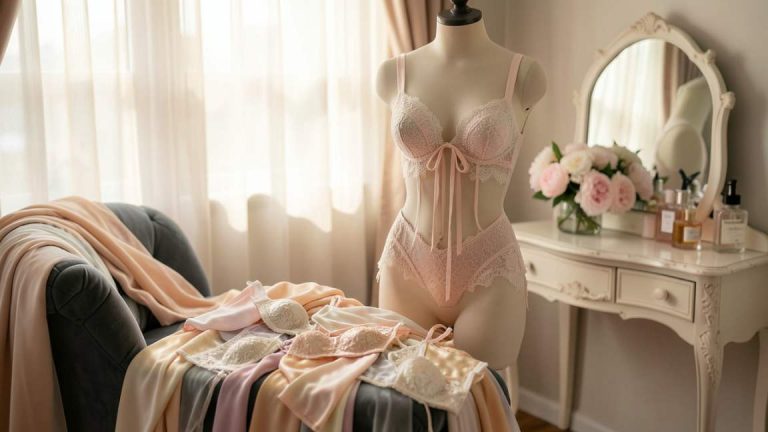
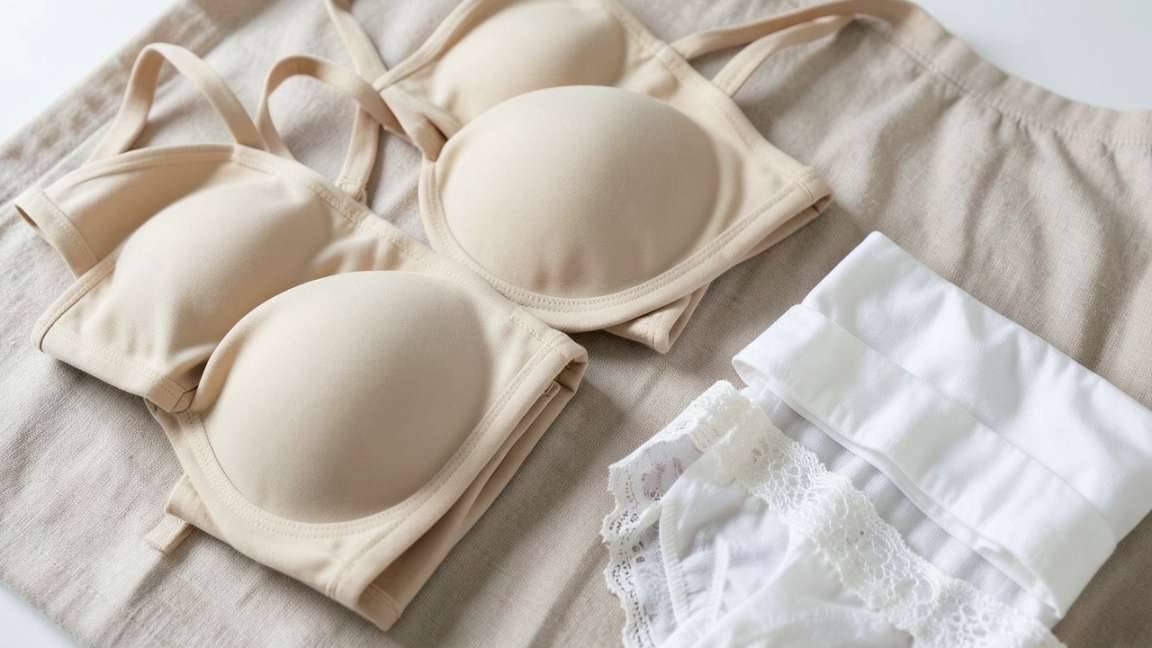
- Lay the bra flat with the cups facing up. If the cups are molded, gently nest one cup inside the other.
- Tuck the straps inside the cups so they do not get tangled with other garments.
- Stack bras in a single layer or up to five deep. Do not place heavy items on top of them.
Warning: Never hang bras by the straps. The weight of the fabric stretches the straps over time and ruins the fit. Always store bras flat or use a dedicated bra hanger that supports the band.
How to Roll Underwear for Space Efficiency
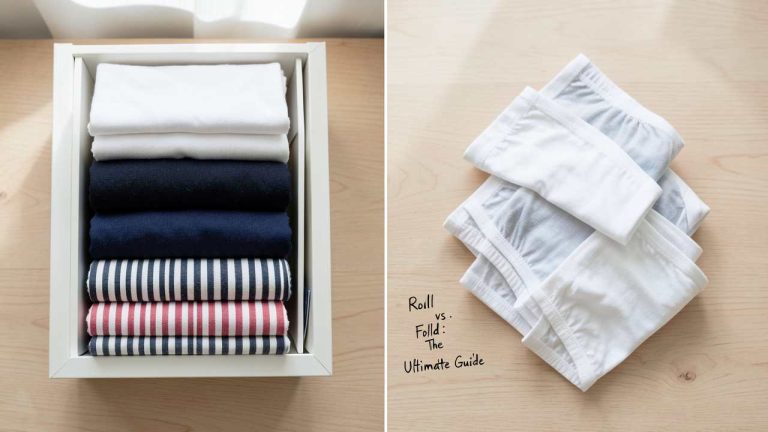
Rolling underwear creates uniform bundles that stand upright in your drawer. This method lets you see every pair at once. You never need to dig through a pile.
- Lay the underwear flat with the front facing down.
- Fold the sides inward so the fabric forms a narrow rectangle.
- Start at the waistband and roll tightly toward the crotch.
- Tuck the final edge under the roll to secure it. The bundle should stand on its own.
This method works best for cotton and microfiber underwear. For delicate lace, fold the sides gently without pressing hard creases into the fabric.
How to Store Socks Without Losing Pairs
Losing a sock is one of the most frustrating laundry problems. Rolling socks together from the toe eliminates this issue completely.
- Place both socks on top of each other with the heels aligned.
- Start at the toe and roll toward the opening.
- Flip the opening of the outer sock over the rolled ball to create a secure pouch.
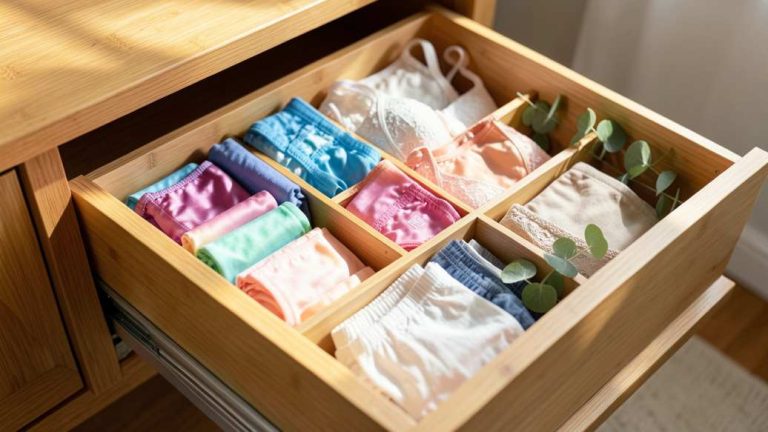
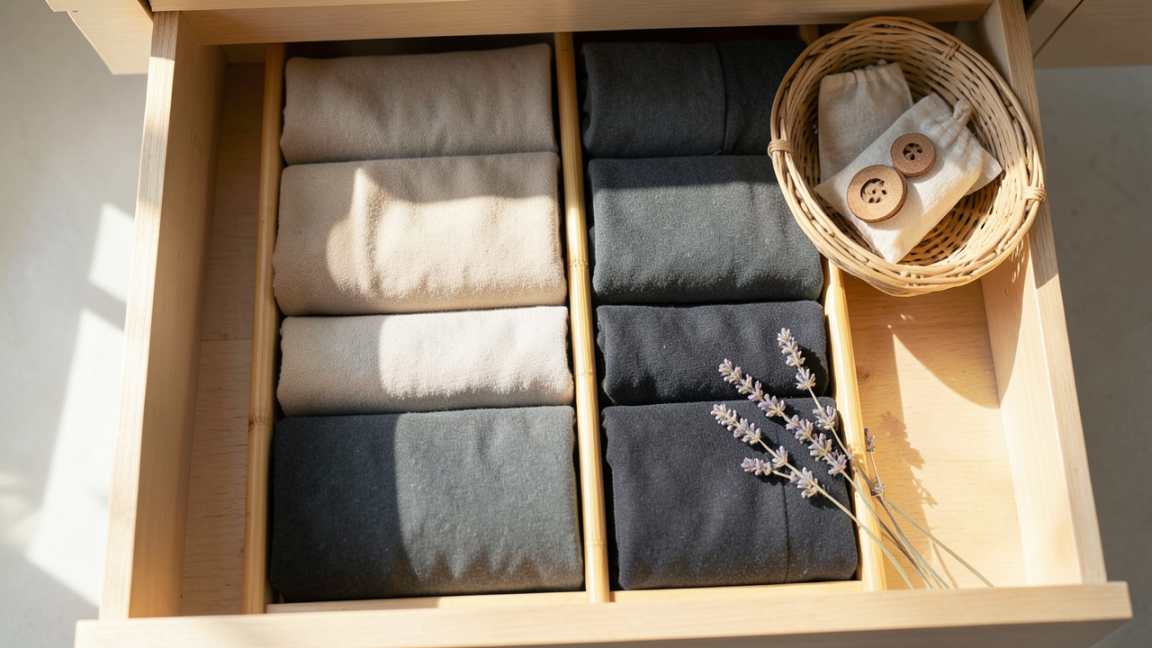
- Store them upright in a drawer divider. Each pair stands out clearly.
Do not use elastic bands to hold socks together. They leave permanent dents in the fabric and stretch out the knit.
How to Fold and Hang Shapewear
Shapewear contains compression panels that lose their effectiveness when folded sharply or stuffed into tight spaces. The best approach depends on the type of shapewear you own.
- High-waist shapers and shorts should be folded loosely in thirds and placed in a dedicated drawer. Do not stack anything on top of them.
- Bodysuits and full-piece shapers hang best on a padded hanger. Folding them creates permanent creases in the compression fabric.
- Shaping camisoles can be rolled like a t-shirt. Start at the bottom and roll up to the straps, then tuck the straps inside.
Important: Shapewear that is stored properly retains its compression power for up to two years. Storing it crushed under other items can cut that lifespan in half.
Tools and Materials That Make Innerwear Storage Easier
You do not need expensive equipment to organize your drawer. A few basic tools create a system that stays neat for months.
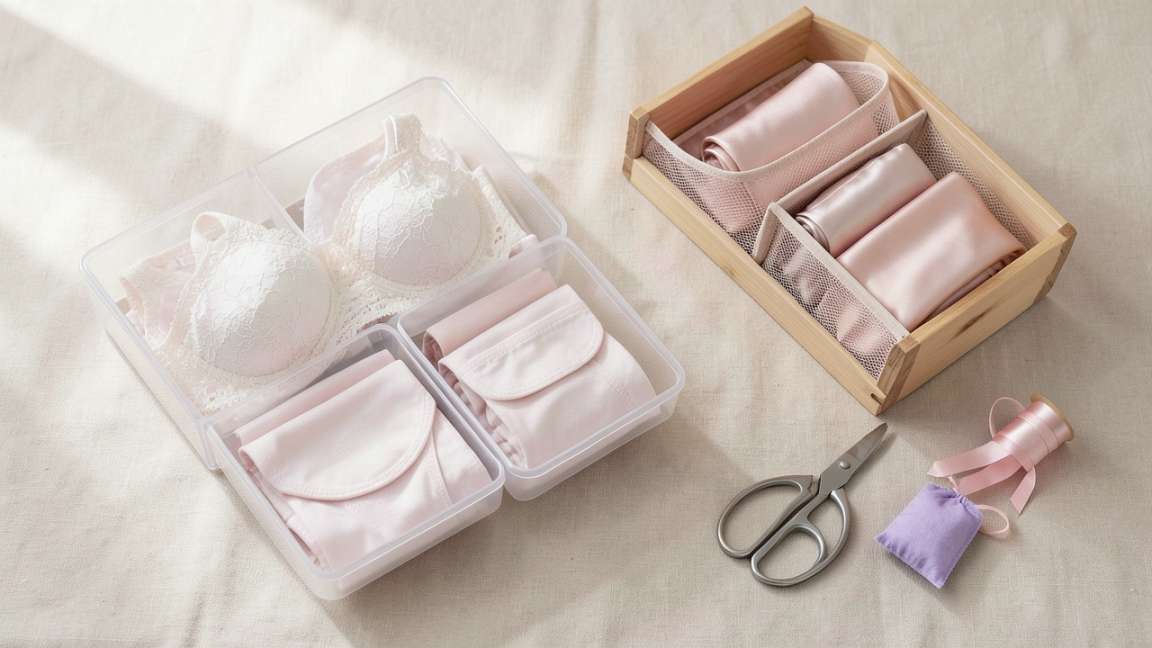
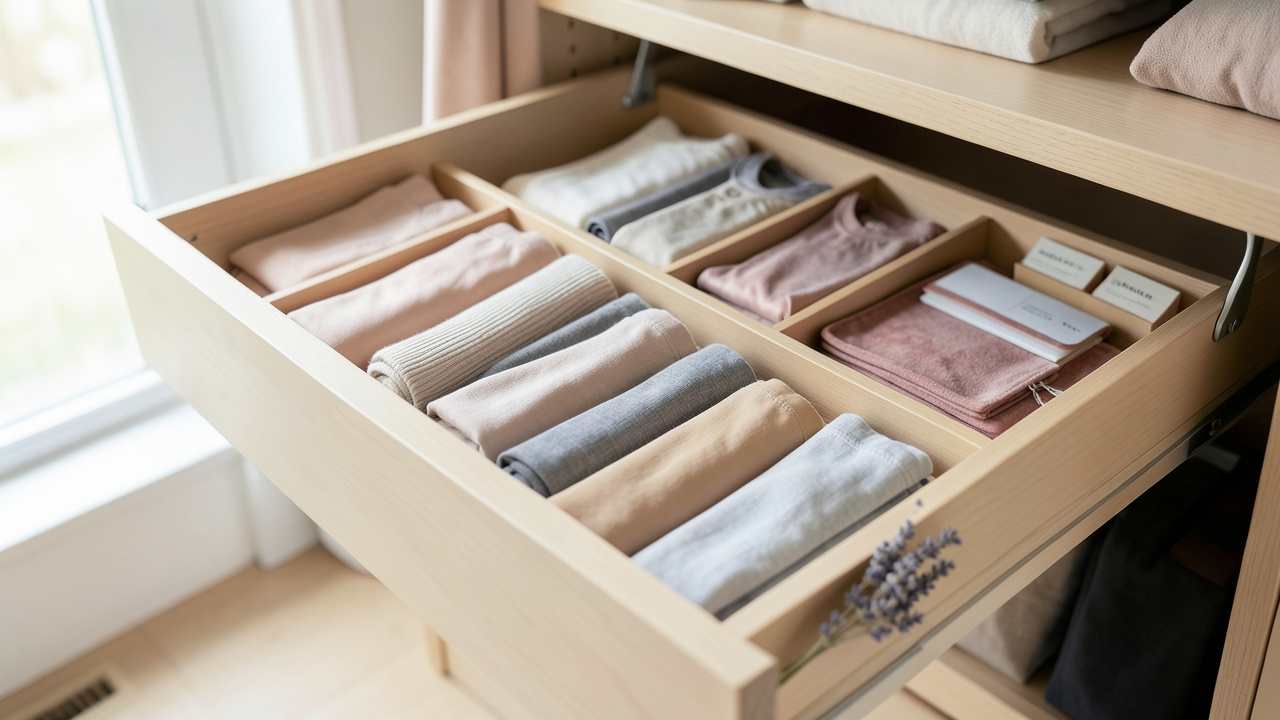
- Drawer dividers keep each category in its own section. Bamboo or fabric dividers work well for deep drawers.
- Fabric-lined boxes protect delicate lace from snagging on rough drawer surfaces.
- Cedar blocks absorb moisture and repel moths naturally. Place one in each corner of your drawer.
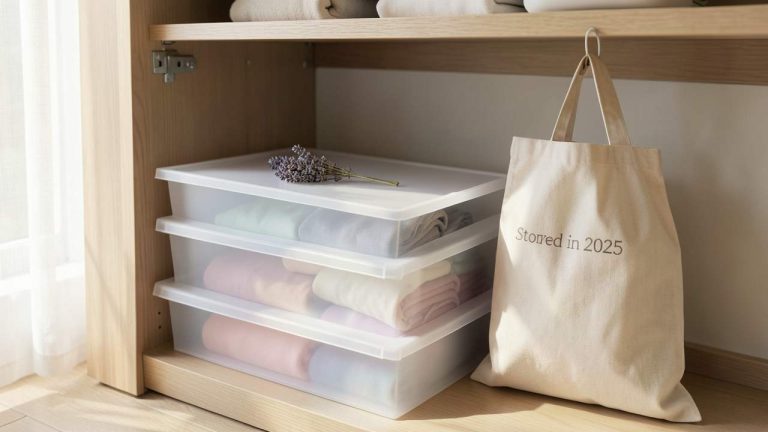
- Lavender sachets add a fresh scent without harsh chemicals. Replace them every three months.
- Anti-slip hangers work well for shapewear and bralettes. The padded coating prevents slipping.
When choosing drawer dividers, measure your drawer depth first. Standard dividers are 4 to 6 inches tall. Adjustable expandable dividers fit most drawer sizes and cost less than custom options.
Common Myths vs Facts About Innerwear Storage
Myth 1: You should fold bras in half to save space.
Folding a bra in half crushes the underwire and padding. This ruins its shape and causes the wires to poke through the fabric. Fact: Always stack bras flat with cups nested inside each other to maintain their structure and extend their usable life.
Myth 2: Expensive innerwear needs special dry cleaning only.
Most high-end innerwear is hand-wash and air-dry safe. The real damage comes from machine drying and harsh folding. Fact: Proper storage after gentle hand-washing is what keeps luxury fabrics from pilling or tearing.
Myth 3: It does not matter how you store socks because they are cheap to replace.
Poor storage makes you lose socks faster, which costs you money and adds to textile waste. Fact: Rolling socks together keeps pairs intact and extends their usable life significantly, saving you from buying new socks every few months.
Pro Tips for Maintaining a Fresh and Functional Drawer
An organized drawer stays organized only if you maintain it. These habits take two minutes per day but keep your system running smoothly.
- Rotate your stock every season. Move warmer fabrics to the front in winter and lighter materials in summer.
- Wash new innerwear before storing it. New fabrics contain sizing agents that attract dust and pests.
- Air out your drawer once a week. Leave it open for ten minutes to release trapped moisture.
- Replace drawer liners every six months. Paper liners absorb oils and can become sticky over time.
- Do a quick recount every month. Remove any items that have stretched out or lost their shape.
Tip: Use the “one in, one out” rule. When you buy a new bra or pair of underwear, remove an old one. This keeps your drawer from overflowing and ensures you only store items you actually use.
Resources and Tools for Perfect Drawer Organization
Several brands and resources offer high-quality storage solutions for innerwear. These options cover a range of budgets and drawer sizes.
- The Container Store – Offers a wide selection of bamboo drawer dividers and fabric boxes specifically sized for undergarments.
- KonMari Method – Provides detailed folding techniques for all clothing types, including innerwear.
- Lululemon – Sells padded bra storage bags that protect molded cups during travel and daily storage.
- Cedar Sense – Offers natural cedar blocks and rings that keep drawers fresh without synthetic fragrances.
- The Laundress – Creates fabric care guides and gentle washing products that prepare innerwear for storage.
Frequently Asked Questions
What is the best way to store lace underwear to prevent snags?
Store lace underwear in a dedicated fabric-lined box or a smooth compartment away from rough surfaces. Roll it gently rather than folding it to reduce stress on the delicate threads. Avoid storing it next to bras with exposed hooks.
How often should I replace my innerwear storage system?
Replace drawer liners every six months and check dividers for warping each year. Bamboo dividers last about 3 to 5 years with proper care. Fabric boxes should be replaced when they start to fray or lose their shape.
Can I store innerwear in vacuum-sealed bags to save space?
Vacuum-sealing is not recommended for innerwear. The compression damages elastic fibers and flattens molded cups. Use vacuum bags only for out-of-season clothing that does not contain elastic or padding.
What is the best way to organize a shared drawer for two people?
Use separate dividers or boxes for each person. Assign one half of the drawer to each person and use a visual marker like a color-coded box. This prevents mixing and makes it easy to find your own items quickly.
How do I keep my innerwear drawer smelling fresh between washes?
Place a cedar block or a small lavender sachet in each corner of the drawer. Leave the drawer slightly open for a few hours after doing laundry to let moisture escape. Avoid using strongly scented dryer sheets as they leave residue on delicate fabrics.
Final Thoughts
Organizing your innerwear drawer takes just a few minutes but delivers benefits you feel every day. Bras keep their shape longer, socks never go missing, and your morning routine gets faster. Focus on the three core methods: flat stacking for bras, rolling for underwear and socks, and loose folding for shapewear. The small effort of using drawer dividers and proper folding techniques pays off in garments that fit better and last significantly longer.