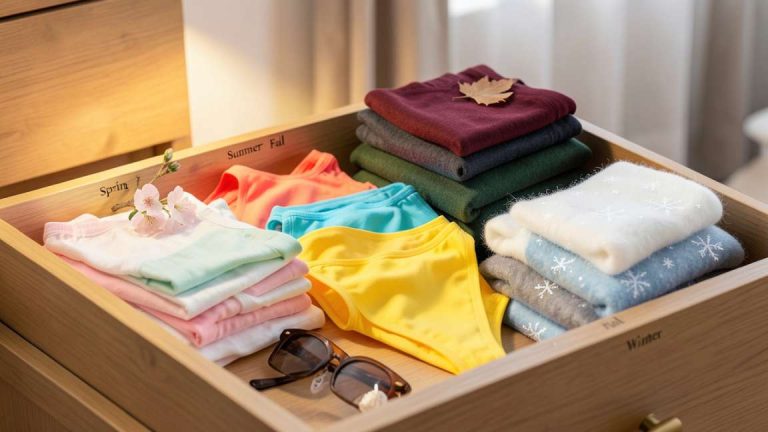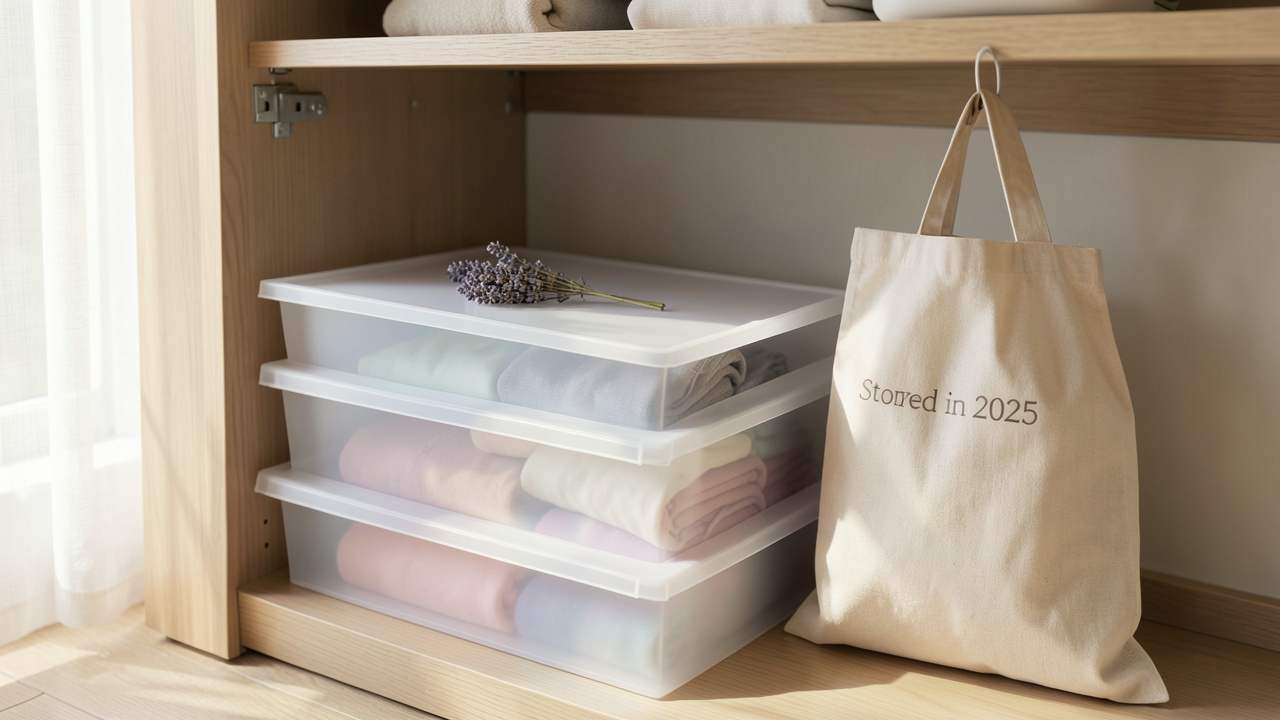
Long-Term Storage of Unused Innerwear: A Complete Guide
Proper long-term storage of unused innerwear requires thoroughly washing and drying each piece, then placing them in breathable cotton or acid-free containers within a cool, dark environment at 65-70°F and below 50% humidity. Storing innerwear under these conditions prevents loss of shape, color, and fabric quality, allowing items to remain in excellent condition for five years or more. Avoid vacuum-sealed bags and plastic bins, as they trap moisture and cause damage, and inspect stored items every six months for any signs of moisture or pests.
Unused innerwear can lose its shape, color, and fabric quality within months if stored incorrectly. This guide covers everything you need to know about preserving your innerwear for the long haul.
Quick Verdict: Proper long-term storage of unused innerwear requires clean, fully dry items placed in breathable containers away from direct light, heat, and moisture. The right preparation and storage conditions can keep your innerwear in excellent condition for five years or more.
Key Takeaways
- Wash and completely dry all innerwear before storage to prevent stains and fabric damage from body oils and sweat.
- Choose breathable storage containers made from cotton or acid-free materials rather than plastic bags or sealed bins.
- Store innerwear in a cool, dark environment with stable temperatures between 65-70°F and humidity below 50 percent.
- Avoid folding bras and delicate items in ways that crush cups or create permanent crease lines in the fabric.
- Check stored innerwear every six months for signs of moisture, pests, or fabric degradation.
The Risks of Improper Innerwear Storage
Storing unused innerwear the wrong way can ruin fabrics permanently. According to the American Cleaning Institute, improper fabric care and storage can reduce the useful life of textiles by up to 50 percent. Many people toss innerwear into plastic bins or cardboard boxes without preparation. This leads to discoloration, fabric weakening, and unwanted odors.
Moisture is the biggest enemy of stored fabrics. The Smithsonian Institution recommends relative humidity below 50 percent for long-term textile preservation. When humidity rises above that level, mold and mildew can grow on natural fibers like cotton and silk. Synthetic blends can trap moisture against the fabric, creating yellow spots that never wash out.
Heat and light also cause serious damage. According to the, UV exposure is the single biggest factor in cotton fabric degradation. Sunlight weakens fibers and fades colors within weeks. Heat above 75 degrees can break down elastic fibers in waistbands and bra straps over time.
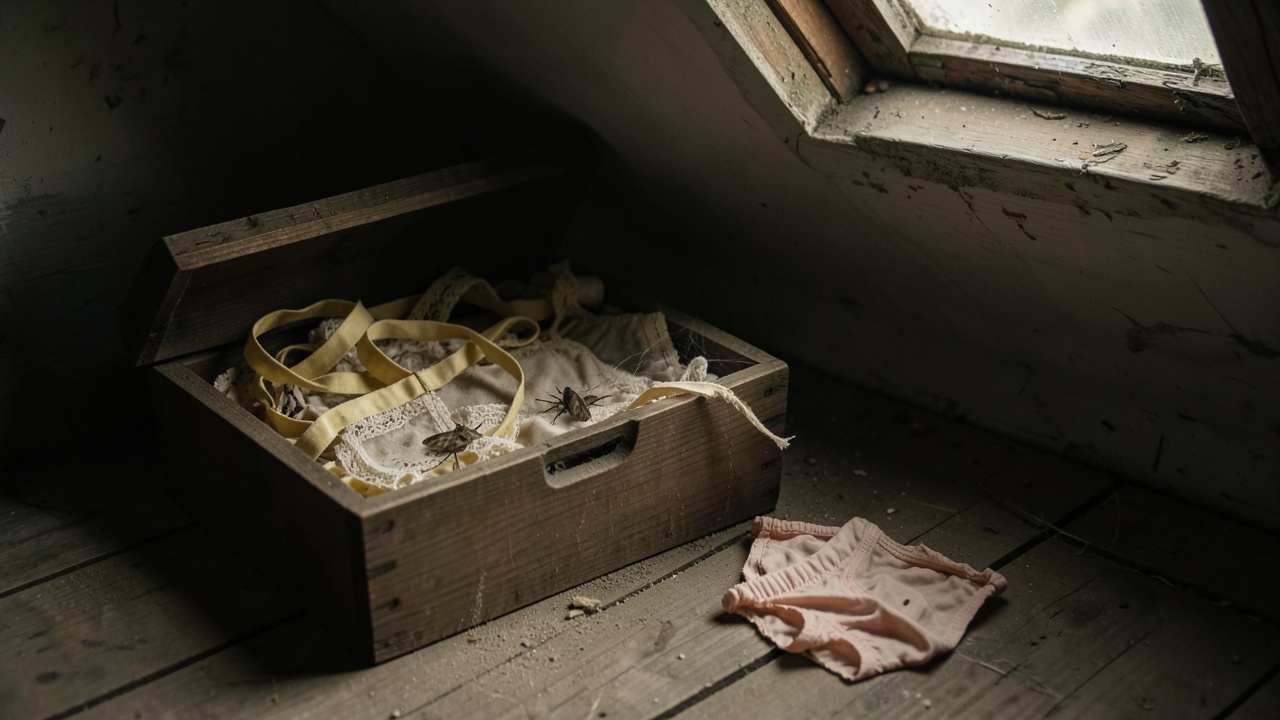
Pests pose another risk. Moths, carpet beetles, and silverfish are attracted to natural fibers. They lay eggs in dark, undisturbed storage spaces. The larvae feed on protein-based fibers like silk, wool, and cotton. A single infestation can destroy an entire collection of stored innerwear.
Warning: Never store innerwear in damp basements, attics with extreme temperatures, or garages that experience humidity swings. These environments accelerate fabric breakdown and invite pest infestations.
Improper folding and compression cause long-term damage too. Heavy stacking can crush delicate lace and embroidery. Tight folding can set permanent crease lines into synthetic fabrics. Placing heavy items on top of stacked innerwear flattens padding and distorts shape.
How to Prepare Innerwear for Long-Term Storage
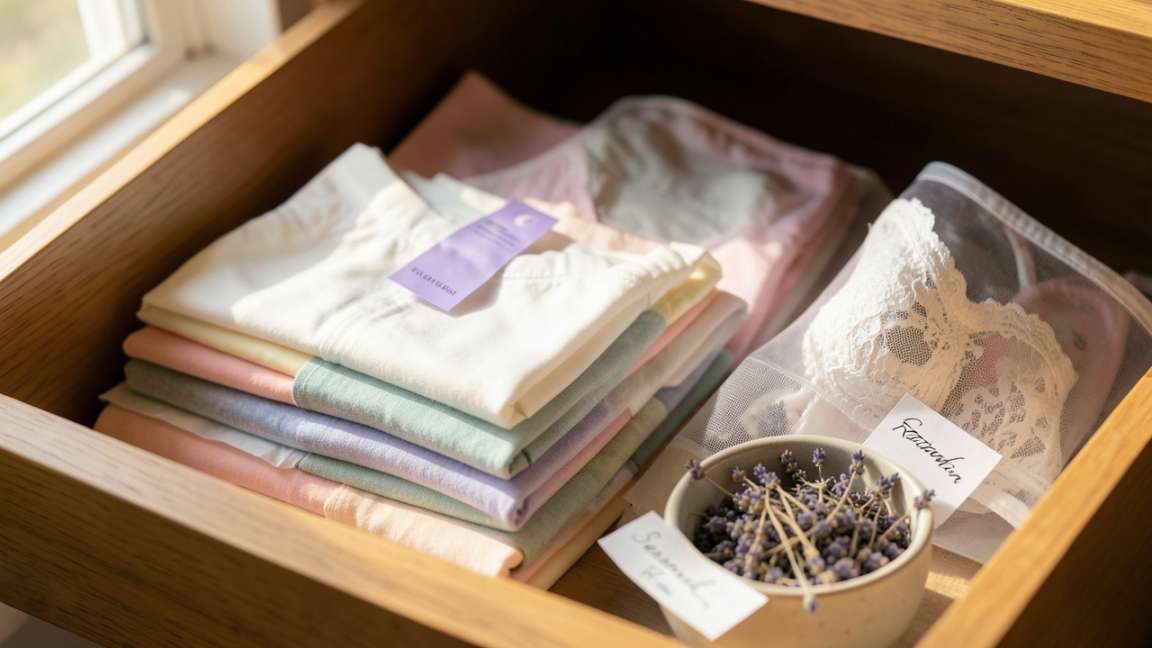
Preparation is the most critical step in the long-term storage of unused innerwear. Start by sorting your items. Separate innerwear by fabric type: cotton, silk, synthetic blends, and delicate lace each require different handling. Check every item for stains, tears, loose threads, or worn elastic. Items with existing damage will not improve during storage and may worsen.
Wash everything before storage, even if it has never been worn. New innerwear contains manufacturing residues, sizing agents, and potential allergens. According to the, washing removes these residues and prevents them from oxidizing and causing yellowing over time. Use a gentle, fragrance-free detergent. Avoid fabric softeners, which leave residue that attracts pests and traps moisture.
Drying is just as important as washing. Fabric must be 100 percent dry before any storage. Even a trace of moisture can start a mold colony. Air dry delicate items flat on a drying rack. Use a low heat setting in the dryer for sturdier cotton and synthetic blends. Check pockets and folds for dampness before moving to storage containers.
Treat each item based on its fabric needs:
- Cotton: Wash in warm water with mild detergent. Tumble dry on low or air dry flat. Cotton absorbs moisture easily, so ensure it is fully dry.
- Silk: Hand wash in cold water with a silk-specific detergent. Air dry away from direct sunlight. Silk is protein-based and attracts insects more than other fibers.
- Synthetic blends: Machine wash in cold water. Tumble dry on low. Synthetics resist moisture but can trap odors if not washed properly.
- Lace and delicate fabrics: Place in a mesh laundry bag before washing. Air dry flat to prevent stretching and snagging.
- Bras and structured items: Hand wash in cool water. Reshape cups and bands while damp. Air dry flat to maintain structural integrity.
Important: Always stash a desiccant packet or a small silica gel pouch inside your storage container. These absorb any residual moisture and help keep the environment consistently dry.
Choosing Storage Materials and Containers
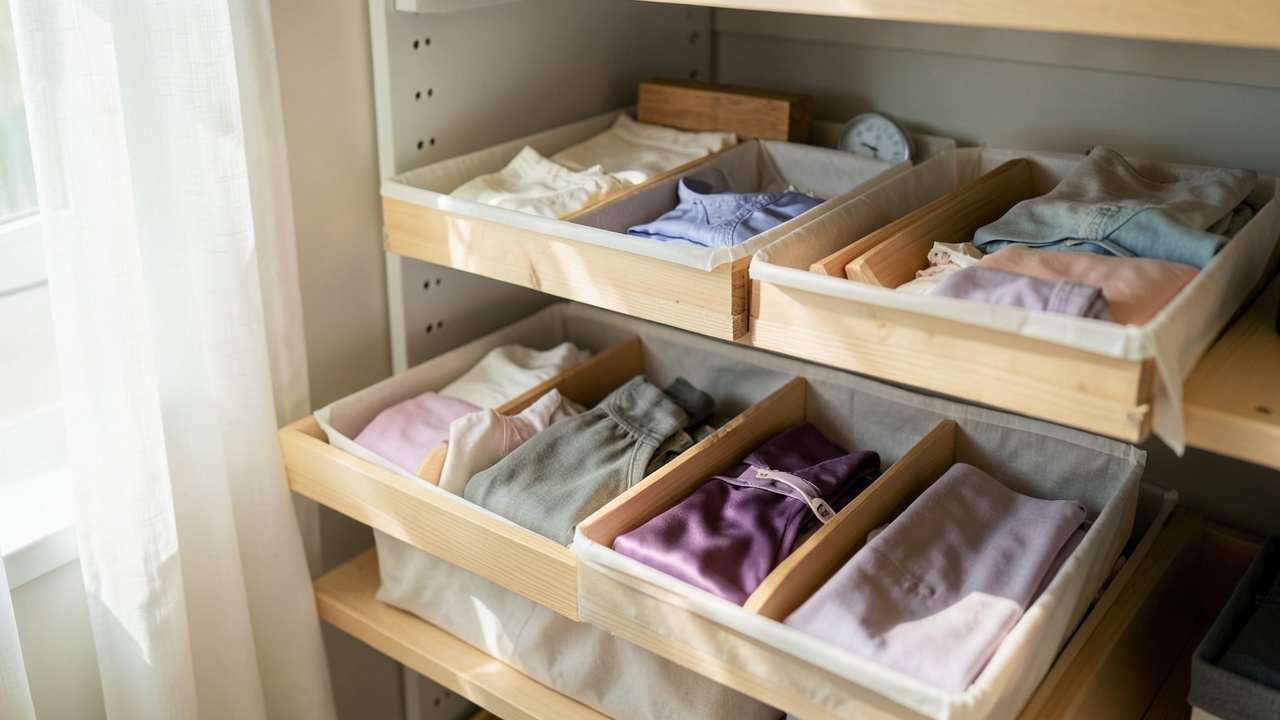
The containers you choose can make or break your long-term storage of unused innerwear. Breathability is the top priority. Fabric needs air circulation to prevent moisture buildup and musty odors. The best options allow air movement while protecting from dust and light.
Container Options
Cotton storage bags: These are the gold standard for long-term fabric storage. Pure cotton muslin bags allow air circulation while blocking dust and light. They are soft against fabrics and do not trap moisture. Use them for delicate items like silk slips, lace camisoles, and hand-wash-only pieces.
Acid-free cardboard boxes: Archival-quality boxes are designed for museum-level textile storage. They are made from buffered materials that do not release acids into fabrics over time. These boxes are sturdy, stackable, and ideal for larger collections. They work well for sweaters, blankets, and bulkier pieces.
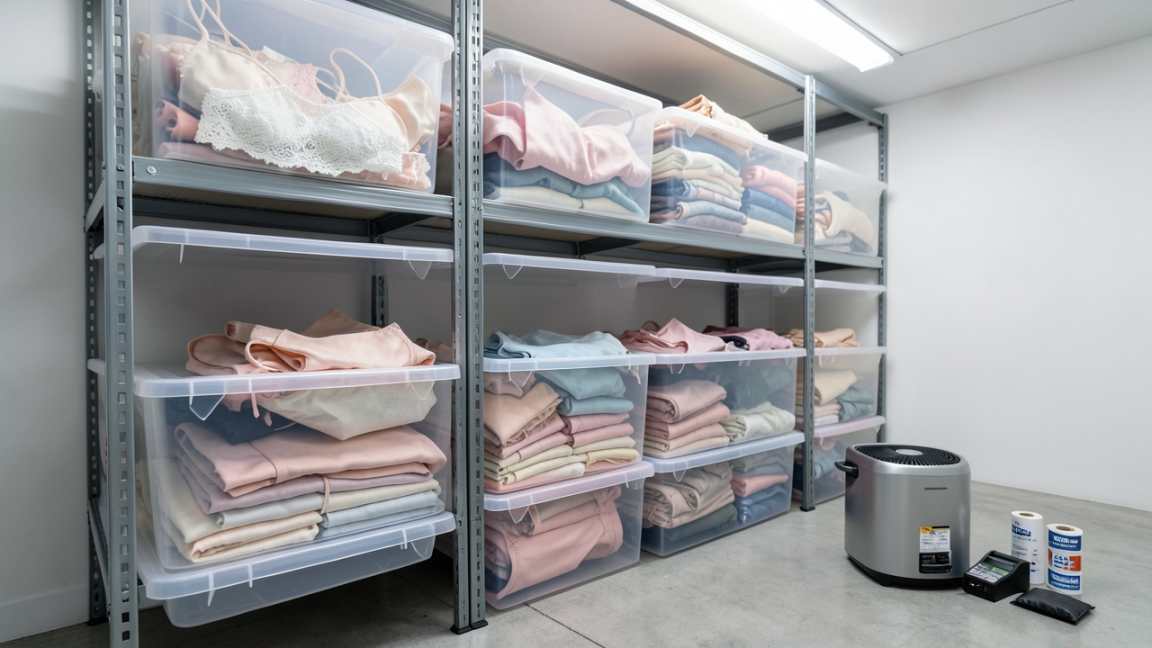
Plastic bins with ventilation: Some plastic storage bins have built-in vents or snap-lock lids that can be left partially open. Choose food-grade, BPA-free plastic. Ensure the bin is clean and dry before use. If you use a sealed bin, drill a few small holes in the sides for airflow.
Wooden cedar chests and drawers: Cedar naturally repels moths and other pests. The wood oils deter insects without chemicals. Make sure the cedar is unfinished and not painted or varnished. Line drawers with acid-free tissue paper before placing innerwear inside.
Vacuum storage bags: These are not recommended for long-term use. The extreme compression damages fabric fibers over time. Vacuum bags also create an airtight seal that traps any moisture present. Use them only for short-term storage of sturdy items like cotton t-shirts.
| Container Type | Best For | Breathability | Protection Level |
|---|---|---|---|
| Cotton storage bags | Delicate fabrics, silk, lace | Excellent | High |
| Acid-free boxes | Cotton, synthetics, bulk items | Good | Very High |
| Vented plastic bins | Sturdy cottons, everyday wear | Moderate | High |
| Cedar chests | Wool, silk, natural fibers | Good | Very High |
| Vacuum bags | Short-term, sturdy fabrics only | None | Low |
Environmental Conditions for Optimal Storage
Location matters almost as much as container choice. The best storage space is cool, dark, and dry. According to the, the ideal environment for long-term textile storage is between 65 and 70 degrees Fahrenheit with relative humidity between 40 and 50 percent. These conditions slow down chemical breakdown, prevent mold, and deter pests.
Closets on interior walls of a house are usually the best option. Avoid exterior walls that experience temperature swings. Do not store innerwear in attics, basements, garages, or crawl spaces. These areas have the worst temperature and humidity stability.
Light exposure causes irreversible damage. UV rays from sunlight and fluorescent bulbs break down fabric fibers and fade colors. Store containers in a dark area of the closet or cover them with a light-blocking cloth. If you use clear plastic bins, keep them inside a darker outer container or cover them.
Air quality also plays a role. Avoid storing innerwear near sources of smoke, cooking fumes, or chemical vapors. Fabrics absorb odors easily. Keep storage areas clean and free of dust. Vacuum the area around storage containers regularly to reduce pest attractants.
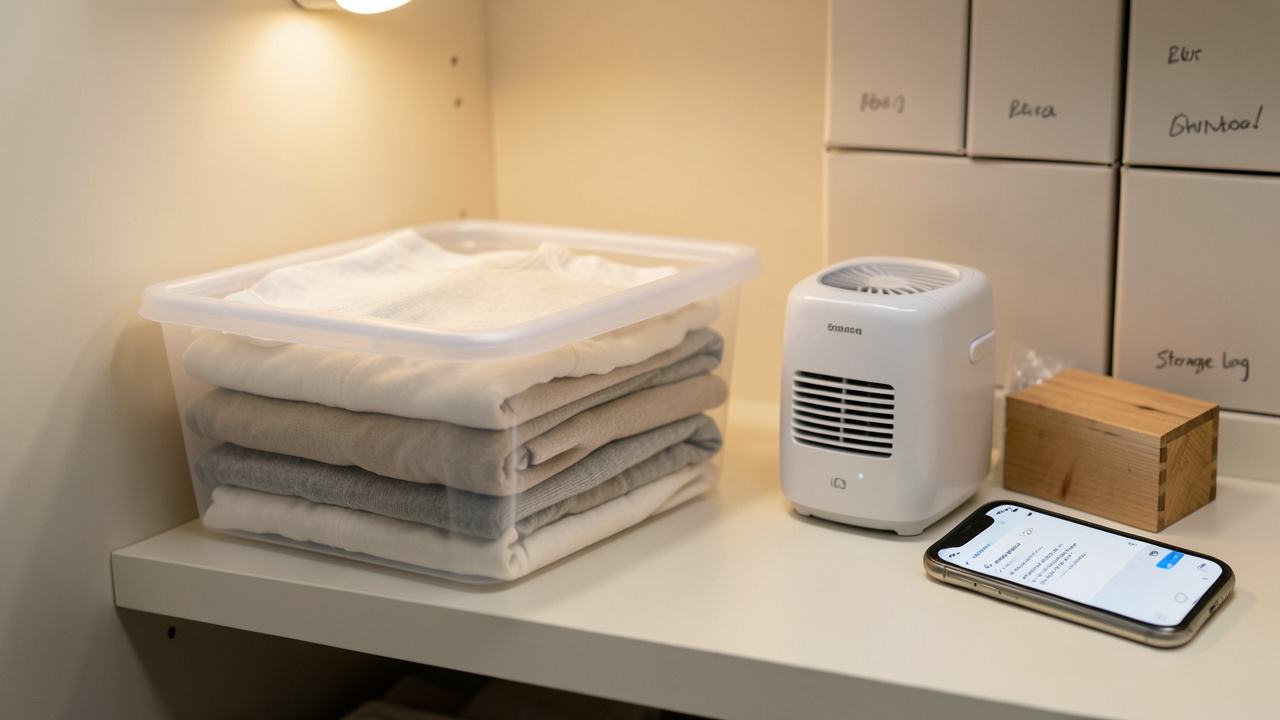
Tip: Place a humidity monitor inside your storage closet or near your containers. These inexpensive devices alert you when humidity rises above safe levels. Catching a problem early can save your entire collection.
Long-Term Storage of Unused Innerwear: Step-by-Step Process
Follow these steps to execute the long-term storage of unused innerwear correctly the first time. Skipping any step can lead to damage that shows up months or years later.
- Sort and inspect every item. Check each piece for stains, tears, loose elastic, and insect damage. Remove any items that are already compromised. They will not improve in storage and could contaminate other pieces.
- Wash with a gentle, fragrance-free detergent. Use cold or warm water depending on the fabric. Rinse thoroughly to remove all soap residue. Avoid bleach, fabric softener, and stain removers.
- Dry completely. Air dry delicate items flat on a rack. Machine dry sturdy items on low heat. Test for moisture by pressing a clean white paper towel against seams and folds. If any dampness transfers, continue drying.
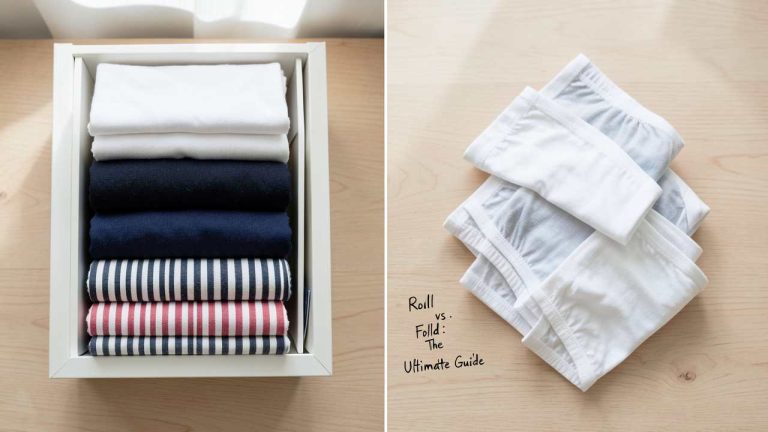
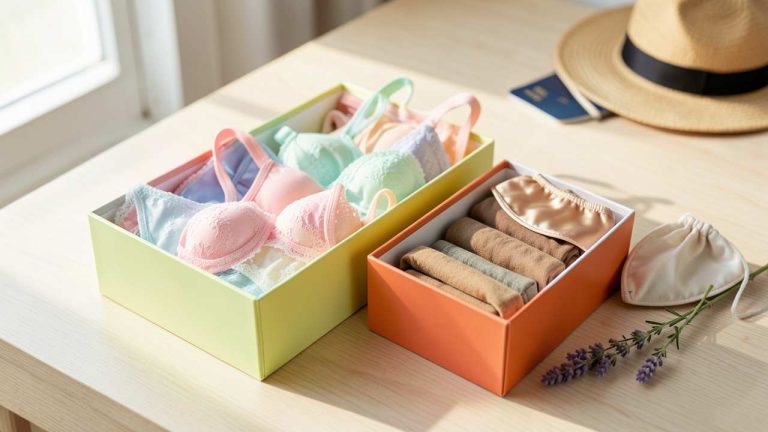
- Fold each item carefully. For bras, clasp the back hook and fold the cups into each other. Do not fold down the cups. For panties, fold along natural creases. For layered items, place a sheet of acid-free tissue between folds to prevent crease lines.
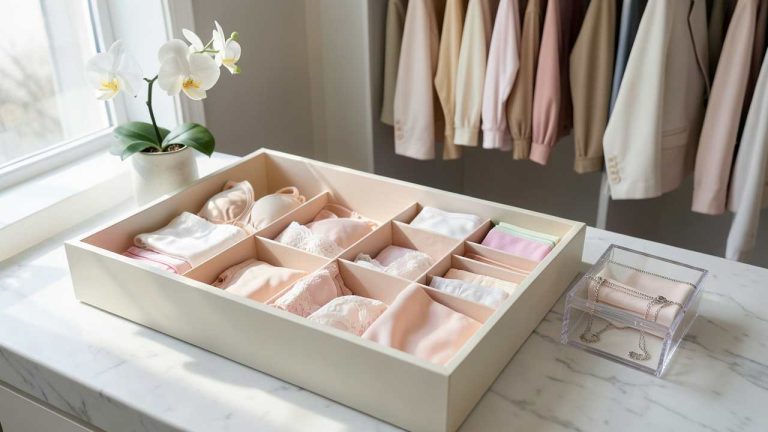
- Layer items in the container. Place heavier items at the bottom and lighter, more delicate pieces on top. Do not overfill containers. Leave some space for air circulation. Add a cedar block or lavender sachet for pest deterrence.
- Seal the container correctly. For breathable bags, tie the top loosely. For boxes, close the lid but do not tape it shut. For plastic bins with vents, ensure vents are clear. Label the container with the contents and the storage date.
- Store in the right location. Place the container on a shelf or elevated surface, not directly on the floor. Keep it away from external walls, windows, and heat vents. Check the temperature and humidity in the area.
- Schedule a six-month check. Mark your calendar to inspect stored items every six months. Open the container and check for mold, pests, odors, or moisture. Refold items to prevent permanent creases from forming.
Tip: Take a pre-storage photo of each item and attach it to the outside of the container. This helps you identify pieces and spot any changes over time without opening the container unnecessarily.
Costs and Timeline for Storage Solutions
Setting up proper long-term storage for innerwear does not need to be expensive. The costs depend on the container type, the storage location, and whether you buy new or reuse existing materials. Below is a realistic breakdown of typical costs.
| Item | Estimated Cost | Lifespan | Notes |
|---|---|---|---|
| Cotton storage bag (pack of 5) | $15 – $25 | 5+ years | Washable and reusable |
| Acid-free archival box (medium) | $8 – $15 each | 10+ years | Buy from archival supply stores |
| Vented plastic storage bin | $10 – $20 each | Indefinite | Add vent holes if none exist |
| Acid-free tissue paper (50 sheets) | $8 – $12 | Single use | Buffered tissue for cotton, unbuffered for silk |
| Cedar blocks or balls (pack of 12) | $10 – $15 | 2-3 years | Refresh with sandpaper yearly |
| Silica gel desiccant pouches (pack of 20) | $8 – $12 | 6-12 months | Replace when saturated |
The timeline for preparation takes about one weekend for a typical collection. Washing and drying require the most time. Folding and packing can be done in a few hours. After that, you will invest about 15 minutes every six months for inspection and maintenance.
Common Myths and Facts About Storing Unused Innerwear
There are many misconceptions about fabric storage. Understanding the truth helps you avoid costly mistakes.
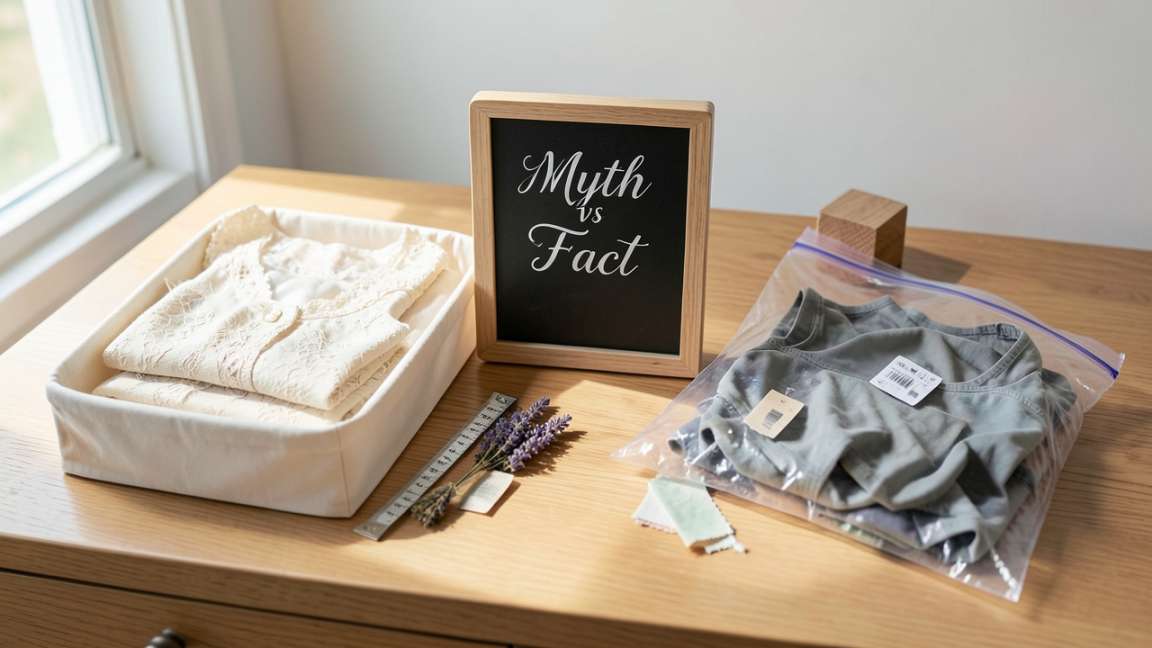
Myth 1: Vacuum-sealed bags are the best for long-term storage
Fact: Vacuum-sealed bags compress fabrics severely, which damages fibers and traps moisture. According to textile conservators at the, compression forces can break down delicate fibers, especially in elastic materials. Use breathable containers instead.
Myth 2: Mothballs are necessary for pest prevention
Fact: Mothballs contain toxic chemicals that can embed in fabric and pose health risks. Cedar blocks, lavender sachets, and regular cleaning are safer and equally effective alternatives. The American Cleaning Institute recommends natural repellents over chemical mothballs for fabric storage.
Myth 3: Plastic bins are always safe for fabric storage
Fact: Airtight plastic bins trap moisture and create a microclimate that promotes mold growth. Only use bins with ventilation, and always ensure fabrics are bone dry before sealing. Cotton Inc. advises against airtight containers for natural fibers.
Pro Tips for Maintaining Your Stored Innerwear
These tips come from textile conservation professionals and experienced home organizers. They help extend the life of your stored innerwear even further.
- Rotate your storage every 12 months. Remove all items, refold them differently, and return them to the container. This prevents permanent creasing and allows you to inspect every piece thoroughly.
- Use interleaving tissue for delicate items. Place a sheet of acid-free tissue between each layer of silk, lace, or embellished fabric. This prevents friction damage and color transfer between items.
- Store bras with cups facing upward. This prevents the cups from crushing and losing their shape. Never stack heavy items on top of bras. Give them their own layer at the top of the container.
- Add a moisture indicator strip. These small cards change color when humidity rises too high. They cost about one dollar each and give you an early warning before mold develops.
- Keep a storage log. Write down what is in each container, the date you stored it, and any inspection notes. This helps you track how long items have been stored and identify which pieces need attention.
Important: If you discover mold on any stored item, isolate it immediately. Do not place it near other fabrics. Wash it separately in hot water with white vinegar. Dry it in direct sunlight before deciding whether to return it to storage.
Resources and Tools
Use these reliable sources for more information on fabric care and long-term storage.
- American Cleaning Institute – Offers detailed guides on fabric care, laundry best practices, and stain removal for all fiber types.
- Cotton Incorporated – Provides research-based recommendations for cotton fabric care and storage.
- Smithsonian Institution Textile Conservation – Publishes professional guidelines for long-term textile storage and preservation.
- The Container Store – Sells a wide range of storage containers, including cotton bags, acid-free boxes, and archival tissue paper.
- University of Kentucky Textile Conservation Program – Offers educational resources on fabric degradation, pest management, and storage best practices.
Frequently Asked Questions
Can I store innerwear in plastic containers?
Only if the containers have ventilation holes or are left partially open. Airtight plastic bins trap moisture and can lead to mold growth. Always use a desiccant pouch inside the container to absorb any residual moisture. According to the American Cleaning Institute, breathable storage is always better for natural fibers.
How long can unused innerwear be stored safely?
Under ideal conditions with proper preparation, cotton and synthetic innerwear can last 5 to 10 years. Delicate fabrics like silk and lace may begin to degrade after 2 to 3 years. The Smithsonian Institution notes that temperature and humidity control are the biggest factors in determining safe storage duration.
Should I wash innerwear before storing it?
Yes, always wash unused innerwear before storage. New items contain manufacturing residues and sizing agents that can yellow and stiffen over time. Wash with a gentle detergent, rinse thoroughly, and ensure the item is 100 percent dry before packing.
What is the best way to fold bras for storage?
Clasp the back hook, then fold the cups into each other so they nest together. Do not fold the cups down or flatten them. Place bras cup-side up in the storage container with nothing heavy stacked on top. This maintains the cup shape and band elasticity.
How often should I check stored innerwear?
Inspect stored items every six months. Open the container, check for moisture, pests, odors, and any visible changes. Refold items to prevent permanent creases. Replace desiccant pouches and cedar blocks as needed to maintain a stable storage environment.
Final Thoughts
Proper long-term storage of unused innerwear requires clean fabrics, breathable containers, and a stable environment. Take the time to wash and dry every item completely before storing. Check your stored pieces twice a year to catch problems early. With the right approach, your innerwear will stay in excellent condition for years to come.